
Every year, thousands of unsuspecting travelers face the nightmare scenario: deportation. What starts as an exciting vacation can abruptly end with a one-way ticket home and potentially a lifetime ban from the country. According to recent immigration data, US Immigration and Customs Enforcement (ICE) deported 442,637 individuals between October 2024 and September 2025, with similar enforcement patterns occurring worldwide.
The shocking truth? Many of these deportations stem from simple mistakes that could have been easily avoided. Tourists get deported every day for errors they didn’t even know were serious—overstaying a visa by just one day, carrying prescription medicine that’s legal at home, or even taking a photo in the wrong place. Some travelers assume they’ll just get a warning, but in many countries, one wrong move means an immediate flight home.
This comprehensive guide reveals the ten most common reasons tourists face deportation and provides actionable strategies to protect yourself from becoming another statistic. Whether you’re a seasoned globetrotter or planning your first international adventure, understanding these critical pitfalls could save your trip—and your future travel opportunities.
1. Overstaying Your Visa: Even One Day Can Cost You
The Hard Truth About Visa Overstays
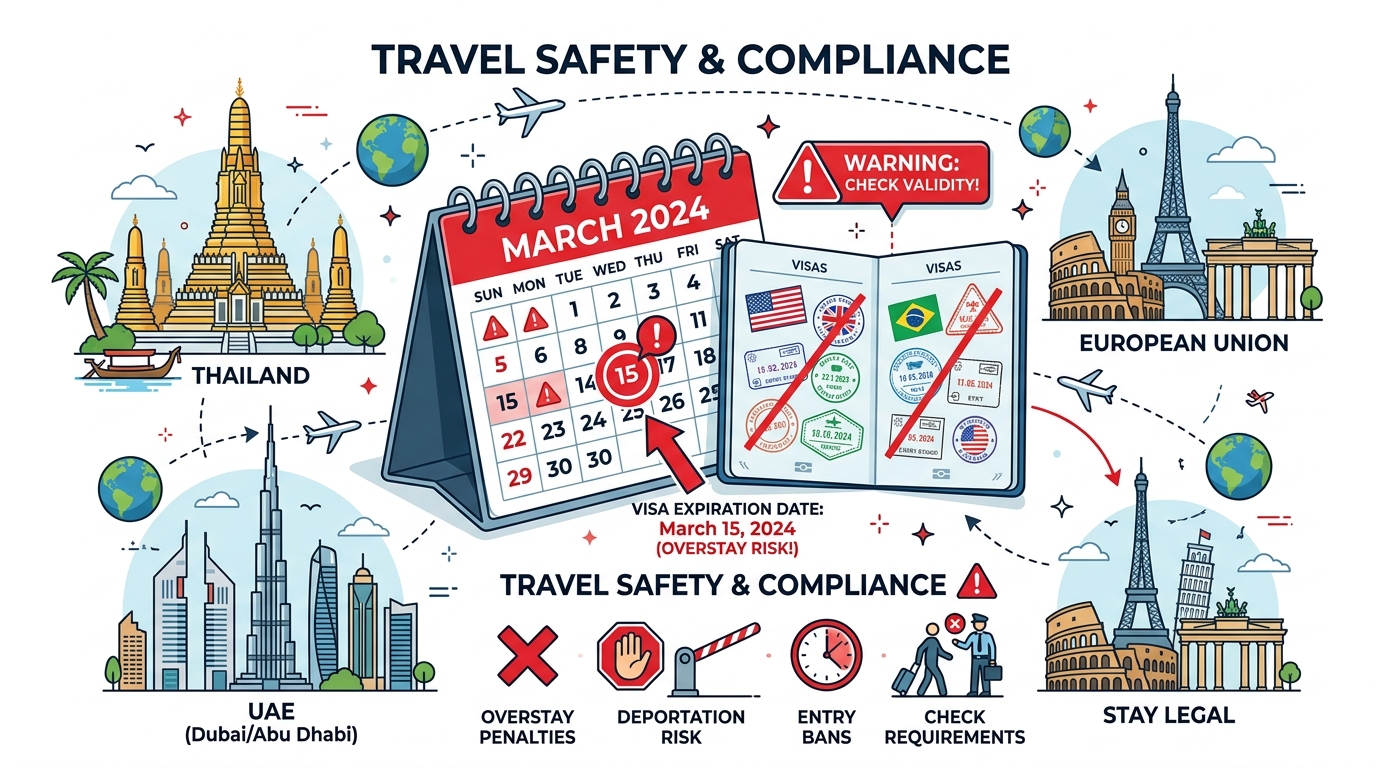
Visa overstaying remains one of the most common reasons for tourist deportation worldwide. The penalties vary dramatically by country, but the consequences are universally severe. In the United States, the penalty for overstaying a visa varies depending on how long someone has stayed illegally, with the most immediate penalty being deportation.
Real-World Consequences:
Thailand’s Strict Enforcement In Thailand, overstaying means paying a fine for every extra day you remain in the country. However, if you overstay too long, you’ll face detention, blacklisting, and a ban from returning. One traveler overstayed for just two weeks, thinking he could simply pay the fine. Instead, he was detained at an Immigration Center, treated like a criminal, and banned from Thailand for five years.
UAE’s Zero Tolerance Policy In the United Arab Emirates, overstaying can result in immediate arrest. The country maintains strict immigration controls, and authorities don’t hesitate to detain violators.
Schengen Area Complications In Schengen countries like France or Germany, even a short overstay can mean being banned for years. The Schengen Area’s 90/180-day rule is strictly enforced across member nations, and violations are recorded in a shared database that all member countries can access.
Prevention Strategies:
- Double-check your visa validity before travel and set multiple reminders
- Understand the specific rules for your destination—some countries count days differently
- Apply for extensions well in advance if you need to stay longer
- Keep proof of onward travel to demonstrate your intent to leave
- Never assume a short overstay is “no big deal”
According to recent data, fines and restrictions for overstaying in EU countries can include entry bans ranging from several months to several years, with the exact punishment depending on the country and length of overstay.
2. Lying at Immigration: They Will Catch You
The Digital Paper Trail
Immigration officers are extensively trained to detect deception. In today’s digital age, lying about your travel intentions is riskier than ever. Officers have access to sophisticated databases, can search your electronic devices, and cross-reference your statements with multiple data points.
Case Studies in Deception:
The UK Work Visa Violation One traveler flew to the UK claiming to be a tourist, but officers searched his bags and discovered a resume and work documents. That evidence was sufficient for immediate deportation on the next flight and a five-year ban from reentry.
Australia’s Digital Surveillance A woman entered Australia on a tourist visa but had private messages on her phone discussing babysitting for cash. She was detained, questioned, and deported within 24 hours. Australian border authorities routinely examine electronic devices for evidence of unauthorized work intentions.
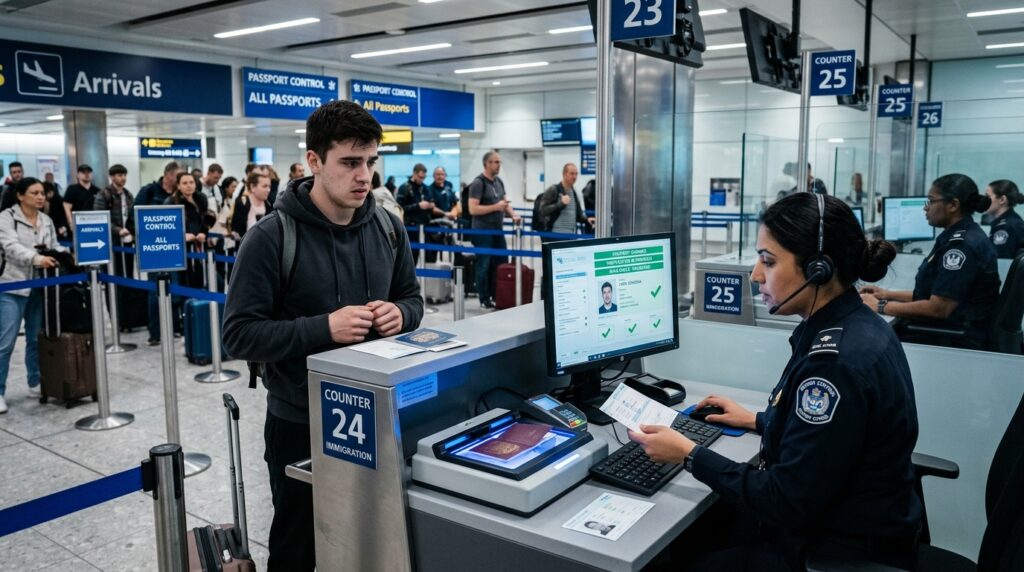
What Immigration Officers Look For:
- Inconsistencies in your travel story
- Lack of return ticket or onward travel plans
- Insufficient funds for your stated duration
- Evidence of work intentions (resumes, job applications, work equipment)
- Social media posts contradicting your stated purpose
- Accommodation bookings that don’t match your claims
Honesty is Your Best Policy:
Always be truthful about your visit intentions. If you plan to work, even remotely, obtain the appropriate visa. The temporary convenience of lying isn’t worth the long-term consequences of deportation and potential multi-year bans.
3. Bringing the Wrong Medication: Legal at Home, Illegal Abroad
The Global Medication Minefield
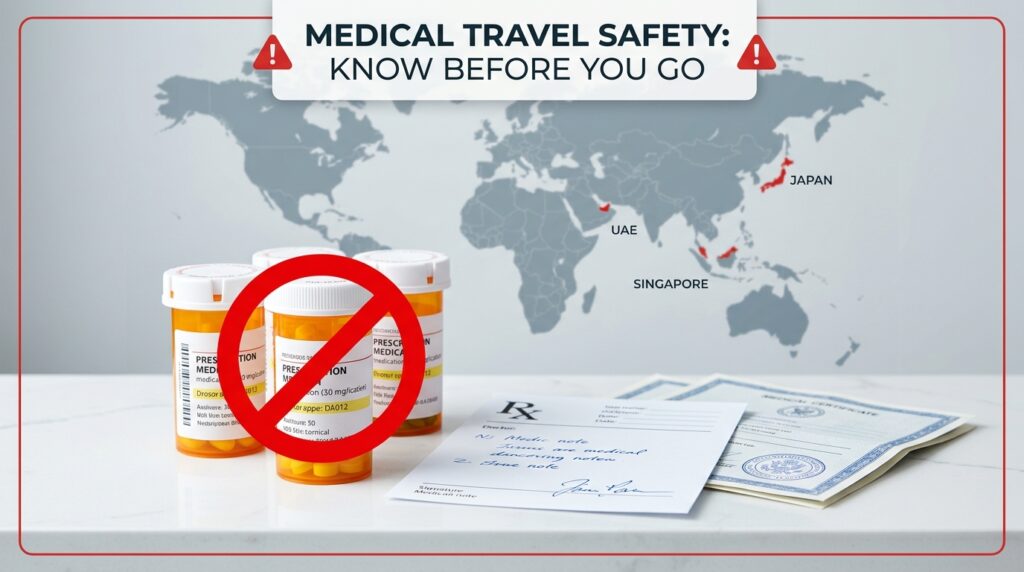
Medications that are completely legal and readily available in your home country can be strictly prohibited—or even classified as controlled substances—in your destination. Traveling with these medications, even with a valid prescription, can result in detention, fines, confiscation, or immediate deportation.
Commonly Banned or Restricted Medications:
Japan’s Strict Drug Laws In Japan, common medications like Adderall (used for ADHD) and certain nasal sprays are completely illegal. Tourists have been stopped at the airport, had their medications confiscated, and were sent back home immediately. Japan maintains some of the world’s strictest drug laws, and authorities show zero tolerance for violations.
UAE and Codeine Restrictions In Dubai and the broader UAE, travelers carrying even small amounts of codeine—a common painkiller found in many prescription and over-the-counter medications—have been arrested. Some have spent weeks in jail before being deported.
Global Restrictions Many opioids, including codeine, fentanyl, hydrocodone, methadone, morphine, oxycodone, and tramadol face restrictions worldwide. Additionally, pseudoephedrine, the common decongestant found in many cold and allergy medications, is banned or restricted in numerous countries.
Prevention Protocol:
- Research Before You Pack: Check the banned substance list for your destination country well before travel
- Obtain Documentation: If you need medication, bring a doctor’s note on official letterhead detailing:
- Your medical condition
- Medication name and dosage
- That it’s for personal use
- Declare Properly: Always declare medications at customs
- Keep Original Packaging: Never remove medications from their original labeled containers
- Carry Only Necessary Quantities: Bring only the amount needed for your trip duration
- Research Alternatives: Ask your doctor about alternative medications that may be legal at your destination
Popular over-the-counter medications like Sudafed and Benadryl may not be legal in other countries, making research essential.
4. Joking About Security or Politics: Humor That Costs You
When Jokes Become Deportable Offenses
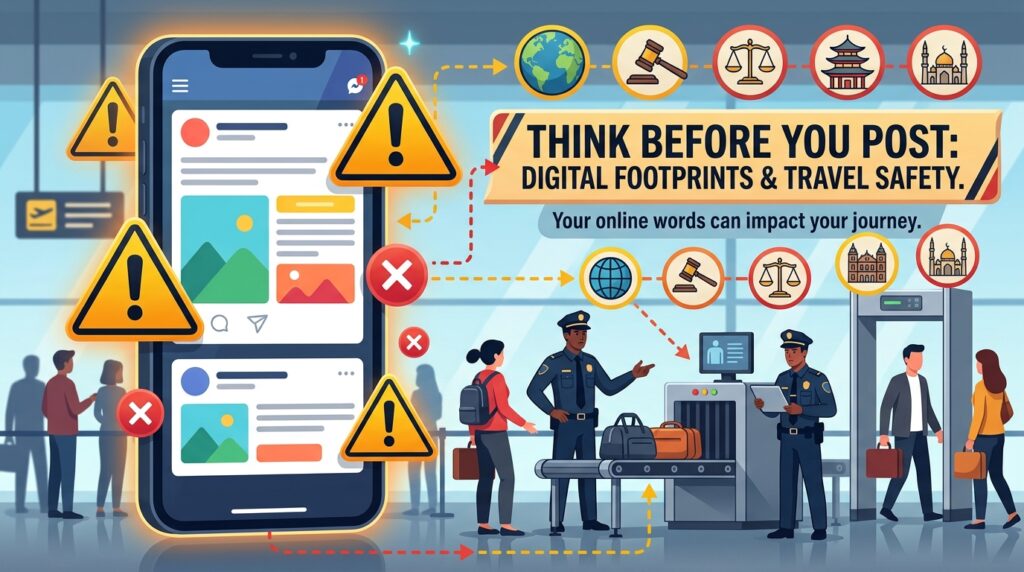
Freedom of speech varies dramatically around the world. What constitutes harmless humor in your home country can be considered a serious criminal offense abroad. Making jokes at airports, posting controversial opinions online, or disrespecting local institutions can lead to immediate detention and deportation.
Real Consequences of “Harmless” Jokes:
Egypt’s Security Sensitivity A British tourist in Egypt made a joke about security checks at the airport. Officers didn’t find it amusing. He was detained, interrogated for hours, and deported. Egypt maintains strict security protocols, and authorities take any perceived mockery seriously.
Thailand’s Lèse-majesté Laws In Thailand, insulting the royal family—even accidentally—can result in arrest and country-wide bans. One traveler posted a joke online about the Thai King. He was reported, detained, and banned for life. Thailand’s lèse-majesté laws are among the strictest in the world, with severe penalties for any perceived disrespect to the monarchy.
High-Risk Topics to Avoid:
- Government officials and institutions
- Religious beliefs and practices
- Military and security forces
- Monarchy and royal families
- Political protests or activism
- Historical events or territorial disputes
- Cultural traditions or national symbols
Social Media Caution:
Remember that border officials increasingly review social media profiles. Posts made before arrival or even years earlier can be grounds for denial of entry or deportation. Before traveling to countries with strict speech laws, consider:
- Reviewing and potentially deleting controversial posts
- Avoiding political discussions online while traveling
- Never joking about security, terrorism, or violence at airports
- Respecting local cultural and political sensitivities
5. Taking Photos in Restricted Areas: When Photography Becomes a Crime
The Hidden Dangers of Tourist Photography
Taking photos seems like an innocent, universal tourist activity. However, in many countries, photographing the wrong subject can lead to arrest, equipment confiscation, and deportation. Restrictions vary widely, and ignorance of the law is not considered a valid defense.
Global Photography Restrictions:
UAE’s Strict Privacy and Security Laws In the United Arab Emirates, snapping pictures of government buildings, military sites, or even strangers without consent is illegal. Several tourists have been arrested, had their cameras confiscated, and were deported for violating these rules. The UAE takes privacy and security extremely seriously.
North Korea’s Absolute Control In North Korea, a traveler was caught taking unauthorized photos, leading to detention, intense interrogation, and a permanent ban from the country. North Korea maintains complete control over what visitors can photograph, with severe consequences for violations.
Restricted Subjects Worldwide:
Even in places with fewer restrictions, certain locations remain off-limits:
- Military installations and personnel
- Government buildings and infrastructure
- Airports and transportation hubs (in many countries)
- Religious sites (during worship or without permission)
- Indigenous communities (without consent)
- Border areas and checkpoints
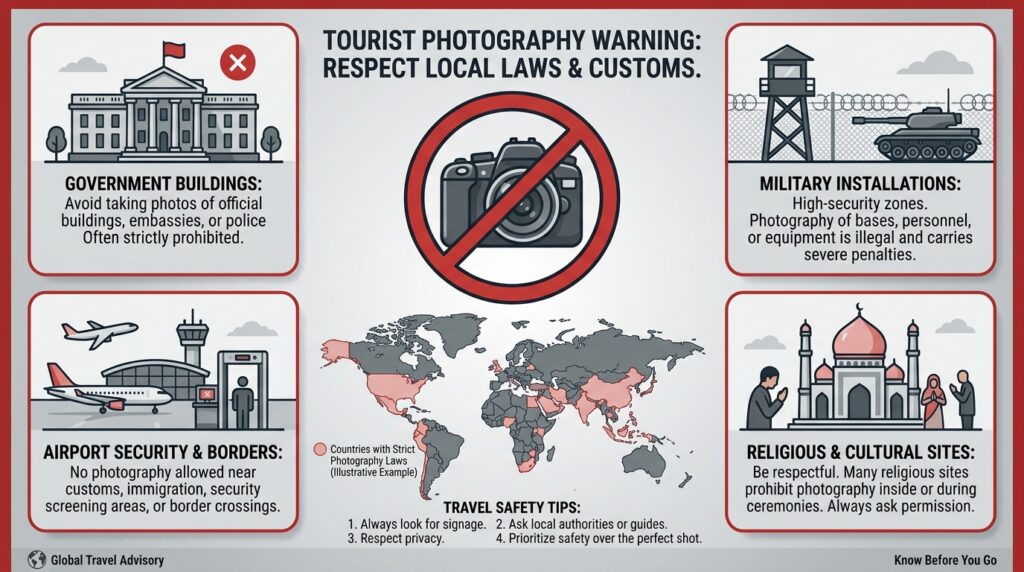
Safe Photography Practices:
- Research First: Before visiting any location, research photography restrictions
- Ask Permission: When in doubt, ask authorities or locals if photography is permitted
- Look for Signs: Pay attention to posted signage prohibiting photography
- Respect Privacy: Never photograph strangers without consent, especially in conservative cultures
- Follow the Golden Rule: If you’re unsure whether a photo is allowed, it’s safer not to take it
- Delete When Asked: If authorities request deletion of photos, comply immediately and politely
6. Disrespecting Local Culture or Laws: Cultural Missteps with Serious Consequences
When Cultural Differences Become Legal Problems
Behaviors that seem completely normal at home can result in arrest, fines, and deportation abroad. Every country has unique cultural norms and legal requirements that visitors must respect. Failure to understand and follow these rules can abruptly end your trip.
Shocking Cultural Violations:
Dubai’s Public Affection Laws In Dubai, public displays of affection like kissing can lead to arrest. Several couples have been detained, fined, and deported just for holding hands in public. The UAE maintains strict standards for public behavior based on Islamic principles.
Singapore’s Chewing Gum Ban In Singapore, chewing gum is banned. One tourist was caught bringing gum into the country, fined heavily, and put on a watch list. Singapore enforces numerous seemingly minor regulations with serious penalties.
Public Intoxication Consequences Drunk or disorderly behavior is treated severely in many countries. A British man in Thailand got into a drunken argument with a taxi driver. He was arrested, detained overnight, and deported the next day. In many Asian and Middle Eastern countries, being drunk in public isn’t just frowned upon—it’s illegal.
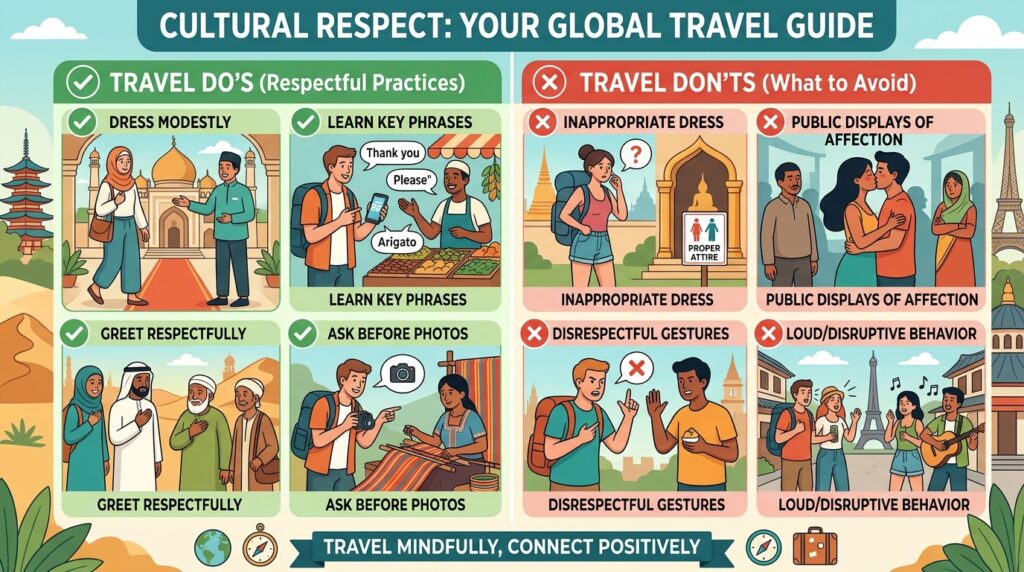
Common Cultural Violations to Avoid:
Dress Codes:
- Cover shoulders and knees in religious sites and conservative countries
- Remove shoes when required (temples, homes, some businesses)
- Avoid revealing clothing in conservative regions
Behavioral Expectations:
- Don’t point with your finger in some Asian cultures
- Never touch someone’s head in Buddhist countries
- Avoid public displays of affection in conservative nations
- Don’t eat or drink in public during Ramadan in Muslim countries
- Respect queuing etiquette and local customs
Religious Sensitivity:
- Never disrespect religious symbols or artifacts
- Follow photography rules at religious sites
- Remove hats in churches and sacred spaces
- Speak quietly and behave respectfully
Prevention Strategy: When in doubt, follow local customs and laws. Research cultural norms before traveling, observe how locals behave, and err on the side of caution. Acts of public affection, such as kissing, can lead to arrest or deportation in certain countries.
7. Illegally Working on a Tourist Visa: The Remote Work Trap
The Digital Nomad Misconception
A tourist visa is strictly for visiting—not for working, whether online or in person. Many travelers assume that remote work doesn’t count as “working,” but immigration authorities disagree. Working on a tourist visa, even for an employer in your home country, violates immigration laws in most nations.
Global Enforcement:
Bali’s Digital Nomad Crackdown In Bali, digital nomads have been deported for violating visa rules, even if they weren’t employed by a local company. Indonesian authorities actively monitor long-term visitors and investigate those suspected of working illegally.
South Korea’s Teaching Visa Violations In South Korea, foreign teachers working without the correct visa have been arrested, fined, and permanently banned. Immigration authorities conduct regular raids on schools and language academies to identify visa violators.
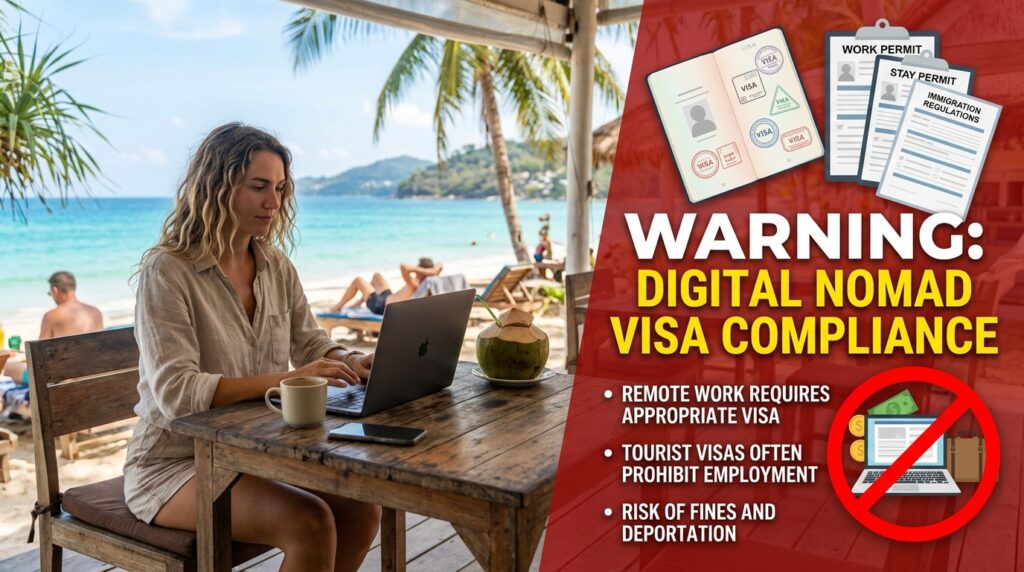
What Constitutes “Work”:
Immigration authorities consider the following as work, regardless of payment source:
- Remote employment for foreign companies
- Freelance work for international clients
- Running an online business
- Providing consulting services
- Teaching or tutoring (online or in-person)
- Content creation intended for monetization
- Managing business operations
The Solution:
If you plan to work, whether remotely or for a local employer, always secure the proper visa. Options may include:
- Digital nomad visas (offered by many countries)
- Work permits and employment visas
- Business visas for specific activities
- Freelancer or self-employment visas
Immigration authorities take work violations seriously, and getting caught can mean immediate deportation and long-term bans.
8. Using Fake Passports or Visas: Document Fraud Destroys Travel Futures
The Severe Consequences of Document Fraud
Using fake documents to enter a country is a serious offense that almost always leads to deportation, criminal charges, and long-term or lifetime travel bans. Immigration officers are extensively trained to detect fake passports, altered visa stamps, and expired documents.
Real-World Case:
China’s Forgery Detection One traveler in China attempted to extend his stay by forging entry stamps, thinking he could avoid the visa renewal process. He was caught, fined heavily, detained for days, and ultimately deported with a 10-year ban. China’s immigration system employs sophisticated verification technology that makes document fraud extremely risky.
Global Penalties:
Many countries have strict penalties for document fraud, including:
- Immediate deportation
- Criminal prosecution
- Lifetime entry bans
- Imprisonment (in severe cases)
- Permanent record affecting future visa applications worldwide
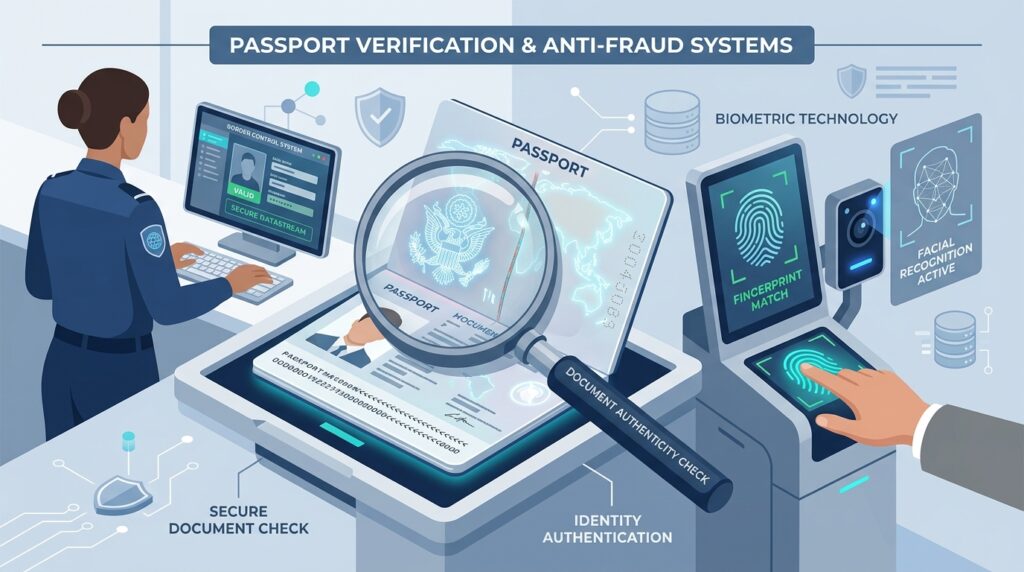
Never Risk Document Fraud:
- Always obtain visas through official channels
- Never use document services that seem “too easy”
- Verify visa authenticity through official government websites
- Report lost or stolen passports immediately
- Keep digital copies of all travel documents
The risk is never worth it. Immigration authorities check everything, and getting caught can ruin future travel plans permanently.
9. Participating in Illegal Protests or Political Activism
Tourists Don’t Have the Same Free Speech Rights
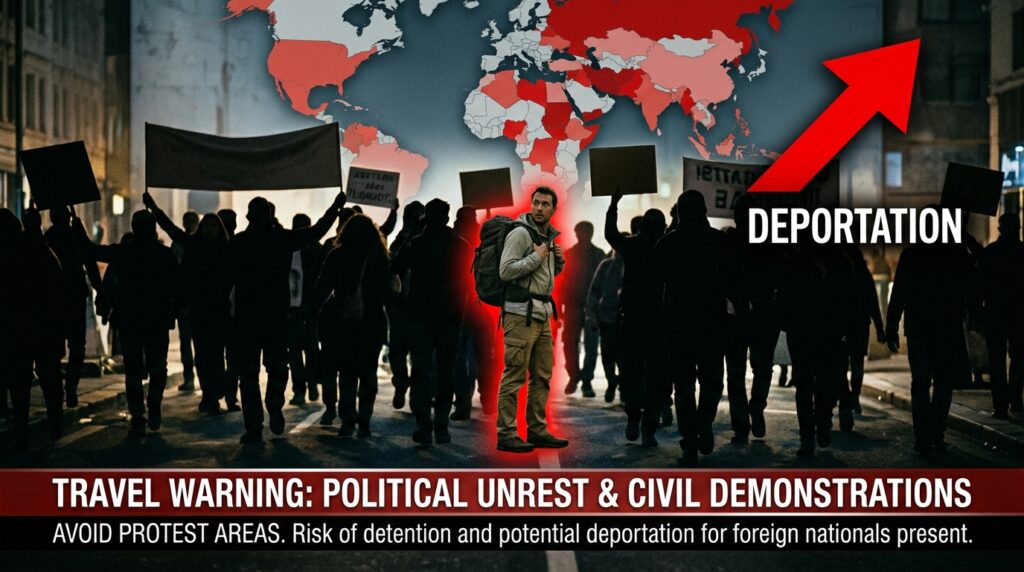
Some travelers assume they have the same free speech rights abroad as they do at home. They don’t. Participating in protests, political rallies, or activism as a tourist can result in immediate deportation and long-term bans.
Documented Cases:
China’s Zero Tolerance In China, a tourist was deported for participating in a small protest. Chinese authorities maintain strict control over public demonstrations and don’t tolerate foreign involvement.
Russia’s Political Restrictions In Russia, a traveler was kicked out for attending a political rally. Russian authorities closely monitor political activities and quickly deport foreigners involved in protests.
Before You Join Any Protest:
- Remember that you’re a guest in the country
- Understand that deportation is likely if arrested
- Consider that participation could affect future visa applications worldwide
- Think twice—it might not just get you arrested; it could get you banned from the country permanently
10. Having the Wrong Passport Stamp: Entry Bans Based on Travel History
The Israeli Stamp Complication
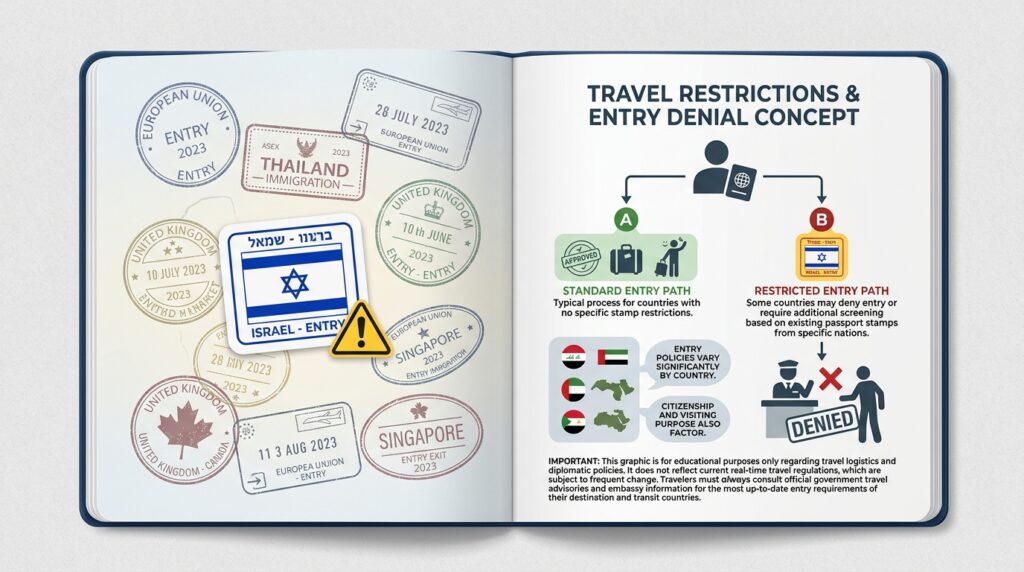
Some countries ban entry if your passport contains stamps from nations they consider unfriendly. The most common example involves Israeli stamps and entry to certain Middle Eastern countries.
Real Consequence:
One traveler was denied entry to Lebanon and deported immediately just for having visited Israel before. Lebanon, along with several other Middle Eastern nations, refuses entry to travelers with evidence of visiting Israel.
Prevention Strategies:
- Research entry restrictions based on your travel history before booking
- Request separate papers: Israel often provides entry/exit cards instead of passport stamps upon request
- Consider passport renewal if you have problematic stamps and plan to visit restrictive countries
- Check for travel restrictions based on previous stamps before every international trip
Essential Pre-Travel Checklist: Avoiding Deportation
Before You Book:
✓ Research visa requirements thoroughly ✓ Check medication restrictions for your destination ✓ Understand cultural norms and legal differences ✓ Verify if your travel history affects entry eligibility ✓ Purchase comprehensive travel insurance
Before You Pack:
✓ Obtain proper visas for your activities (work, study, etc.) ✓ Get doctor’s notes for all prescription medications ✓ Research photography restrictions ✓ Review social media for potentially problematic content ✓ Pack modest clothing appropriate for local culture
Before You Fly:
✓ Confirm visa validity dates ✓ Prepare proof of onward travel ✓ Organize accommodation confirmations ✓ Ensure sufficient funds for your stay ✓ Download important embassy contact information
At Immigration:
✓ Answer questions honestly and clearly ✓ Present required documentation promptly ✓ Remain calm and respectful ✓ Never joke about security, terrorism, or illegal activities ✓ Declare all medications and restricted items
Conclusion: Knowledge Is Your Best Travel Insurance
Deportation isn’t just for criminals. Simple mistakes like overstaying a visa by one day, bringing the wrong medication, or taking an innocent photo can get you kicked out of a country permanently. Some tourists assume they’ll just get a warning, but in many places, there’s no second chance. One mistake, and you’re gone—sometimes for life.
The best way to avoid trouble is to know the rules before you go. Every country has different laws, and assuming “it’s fine” could be the biggest mistake of your trip. Research thoroughly, respect local customs and laws, obtain proper documentation, and when in doubt, ask questions.
Your dream vacation doesn’t have to become a deportation nightmare. With proper preparation and cultural awareness, you can travel confidently and create memories that last a lifetime—for all the right reasons.
Safe travels, and may your adventures be filled with wonder, not warnings!