
Krakow stands as one of Europe’s oldest and most vibrant cities, with a rich history spanning over a thousand years. Beyond its stunning medieval architecture and cobblestone streets, this Polish cultural gem offers an extraordinary blend of world-class museums, lively markets, cozy cafes, and culinary traditions that will captivate every traveler. Whether you’re wandering through historic squares, sampling traditional pierogi, or discovering poignant historical sites, Krakow delivers an unforgettable experience that seamlessly bridges centuries-old traditions with contemporary urban life.
Exploring the Historic Old Town
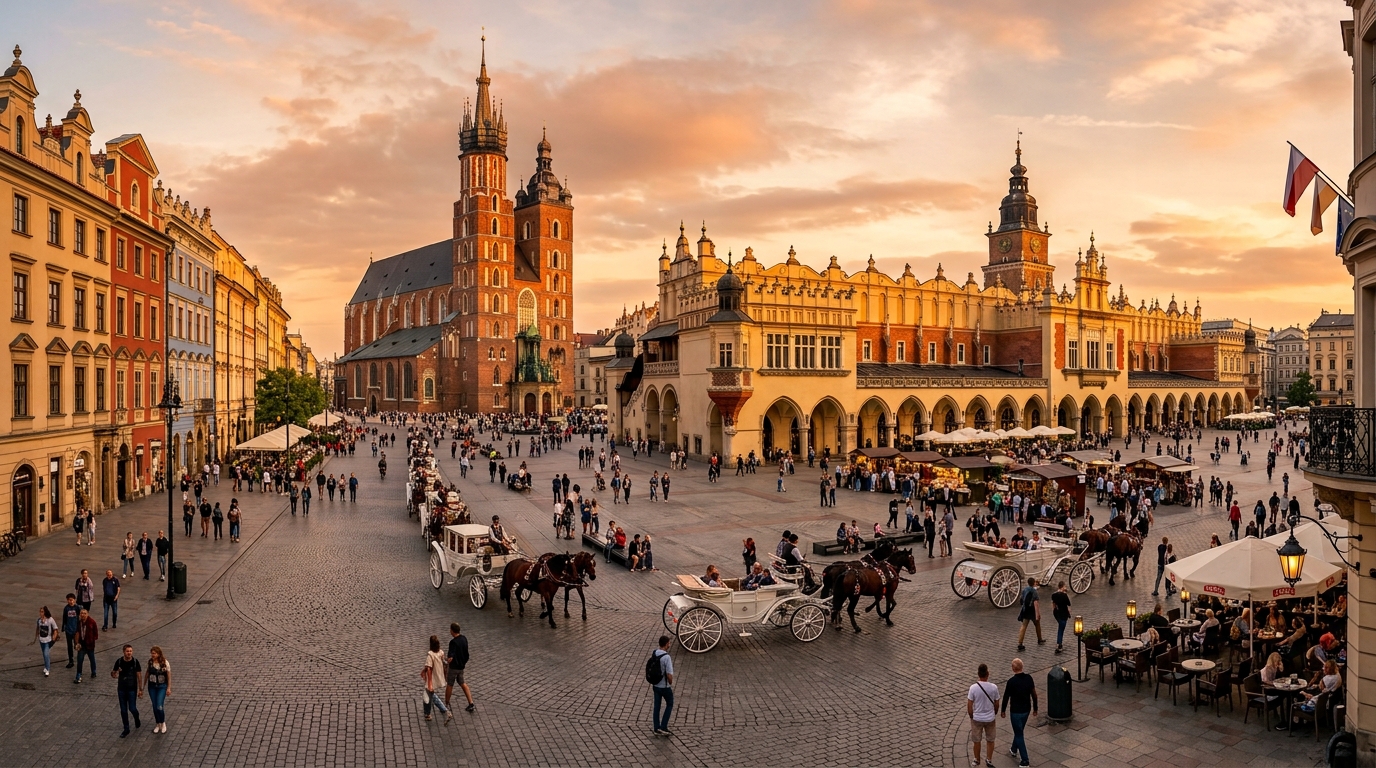
Your Krakow adventure should begin in the Old Town, a designated UNESCO World Heritage Site that perfectly preserves the city’s medieval character. At its heart lies the Main Market Square (Rynek Główny), recognized as Europe’s largest medieval town square and the pulsating center of city life. This expansive plaza buzzes with energy throughout the day, featuring street performers, open-air markets, horse-drawn carriages, and numerous cozy cafes where you can pause and soak in the atmosphere.
Surrounding the square are beautifully preserved colorful townhouses and historic churches that showcase centuries of architectural evolution. The iconic Cloth Hall (Sukiennice) dominates the square’s center—this Renaissance-era market building has served as a trading hub since the 14th century and now houses artisan crafts, traditional souvenirs, and local delicacies across its vaulted chambers.
Don’t miss St. Mary’s Basilica with its distinctive uneven Gothic towers and stunning wooden altarpiece carved by Veit Stoss. Every hour, listen for the hejnał mariacki, the famous trumpet call that echoes from the taller tower across the square—a tradition dating back to medieval times that suddenly stops mid-melody to commemorate a trumpeter shot by an arrow while warning the city of attack.
Discovering Wawel Castle and Cathedral
Rising majestically above the Vistula River, Wawel Castle represents the symbolic heart of Polish national identity and royal heritage. This sprawling castle complex served as the residence of Polish kings for centuries and remains one of the country’s most important cultural sites. The castle grounds encompass royal state rooms, the Crown Treasury displaying royal regalia and jewels, and an impressive armory collection featuring historical weapons and armor.
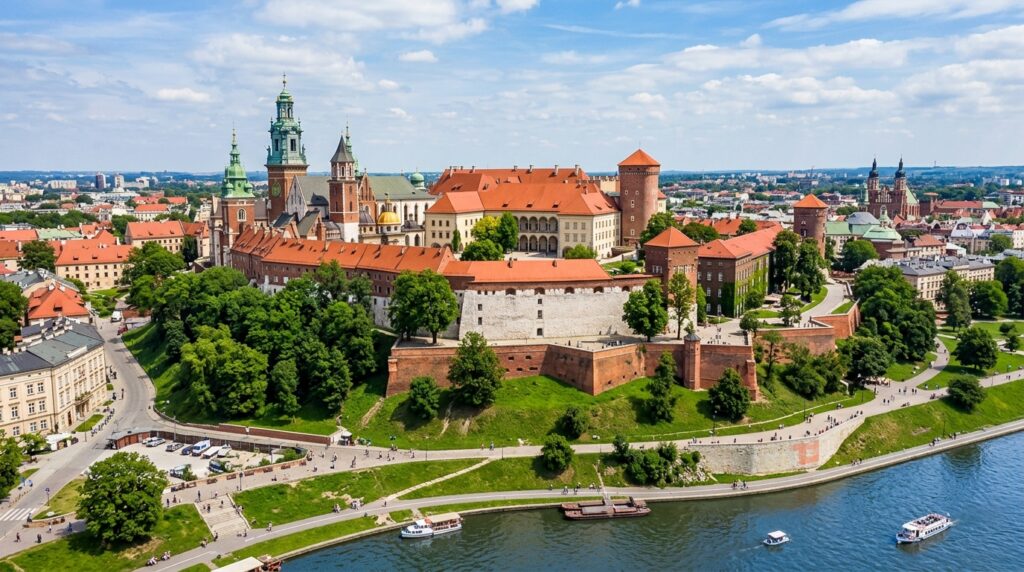
Adjacent to the castle stands Wawel Cathedral, the spiritual center of Poland where royal coronations and burials took place for centuries. This architectural masterpiece combines Romanesque, Gothic, Renaissance, and Baroque elements, featuring magnificent chapels including Sigismund’s Chapel with its golden dome. Inside, you’ll find the famous Sigismund Bell, Poland’s largest bell, which rings on special occasions.
Climb the cathedral tower for breathtaking panoramic views of Krakow and the winding Vistula River below. The Castle Hill area also offers peaceful gardens perfect for contemplation and the legendary Dragon’s Den cave (Smocza Jama), tied to the famous Wawel Dragon myth that locals cherish. According to legend, a fearsome dragon once terrorized the city until a clever shoemaker defeated it with a sulfur-filled lamb.
Immersing Yourself in the Jewish Quarter
Kazimierz, Krakow’s historic Jewish Quarter, represents one of the city’s most vibrant and culturally significant neighborhoods. Once the center of Jewish life in Krakow and one of Europe’s most important Jewish communities, this district survived World War II and has experienced a remarkable revival as a trendy area filled with eclectic cafes, art galleries, vintage shops, and restored synagogues.
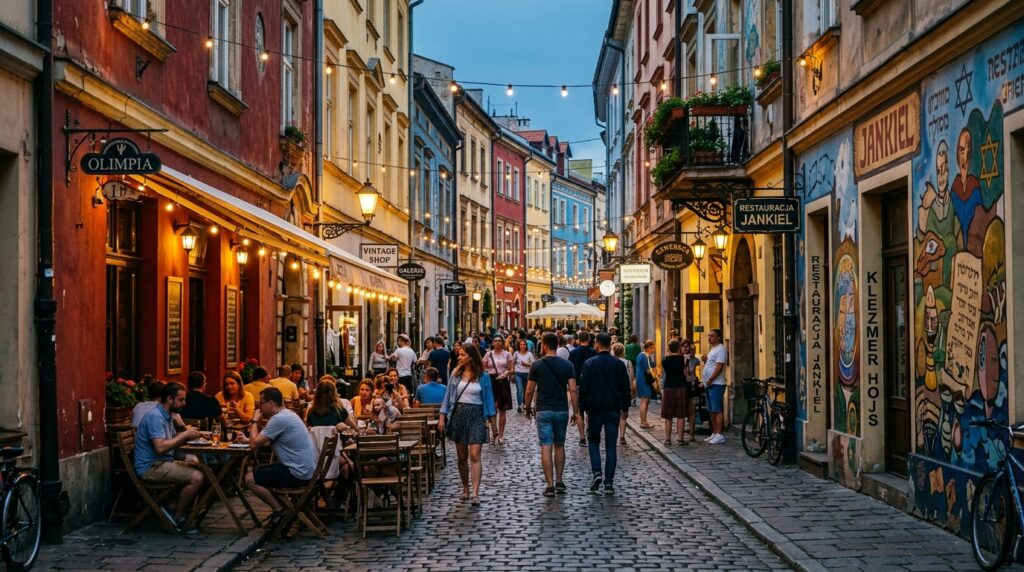
Visit the Old Synagogue, the oldest surviving Jewish house of worship in Poland, now housing a branch of the Historical Museum of Krakow with exhibits on Jewish heritage and traditions. The Galicia Jewish Museum offers powerful exhibitions documenting Jewish culture and the Holocaust’s impact on the region. Throughout Kazimierz, you’ll find numerous synagogues, each with its own story and architectural character.
The district hosts the annual Jewish Culture Festival, one of the world’s largest events celebrating Jewish heritage through music, food, workshops, and traditions. As evening falls, Kazimierz transforms into Krakow’s nightlife hub, with lively bars and restaurants offering modern interpretations of traditional Jewish and Polish cuisine. The area’s bohemian atmosphere, combined with its profound historical significance, makes it essential for understanding Krakow’s multicultural past.
Savoring Traditional Polish Cuisine
Krakow’s culinary scene offers an authentic taste of Polish gastronomy, featuring hearty, flavorful dishes that have comforted locals for generations. No visit is complete without sampling pierogi, Poland’s beloved stuffed dumplings available in countless varieties including ruskie (potato and cheese), meat, mushrooms, cabbage, and sweet versions filled with fruits or sweet cheese.

Try żurek, a distinctive sour rye soup typically served with white sausage, hard-boiled eggs, and potatoes—a dish with deep roots in Polish Easter traditions. Bigos, known as hunter’s stew, combines sauerkraut, fresh cabbage, various meats, and mushrooms slow-cooked to perfection. For dessert, indulge in pączki, Polish donuts filled with rose jam, custard, or other sweet fillings, especially popular during Fat Thursday celebrations.
Experience authentic Polish dining at milk bars (bar mleczny), affordable cafeteria-style establishments serving traditional home-style meals reminiscent of communist-era dining halls. These institutions offer genuine everyday Polish food culture at budget-friendly prices. Don’t miss sampling local craft beers from Poland’s growing microbrewery scene or mead (miód pitny), a honey-based alcoholic beverage with medieval origins that connects you to Poland’s ancient drinking traditions.
Walking the Historic Royal Road
The Royal Road (Droga Królewska) traces the historic coronation route of Polish kings, connecting Krakow’s most significant landmarks along a path steeped in centuries of tradition. Starting at St. Florian’s Gate, one of the few remaining medieval city gates, this ceremonial route leads through bustling streets to the Main Market Square and continues up to Wawel Castle.
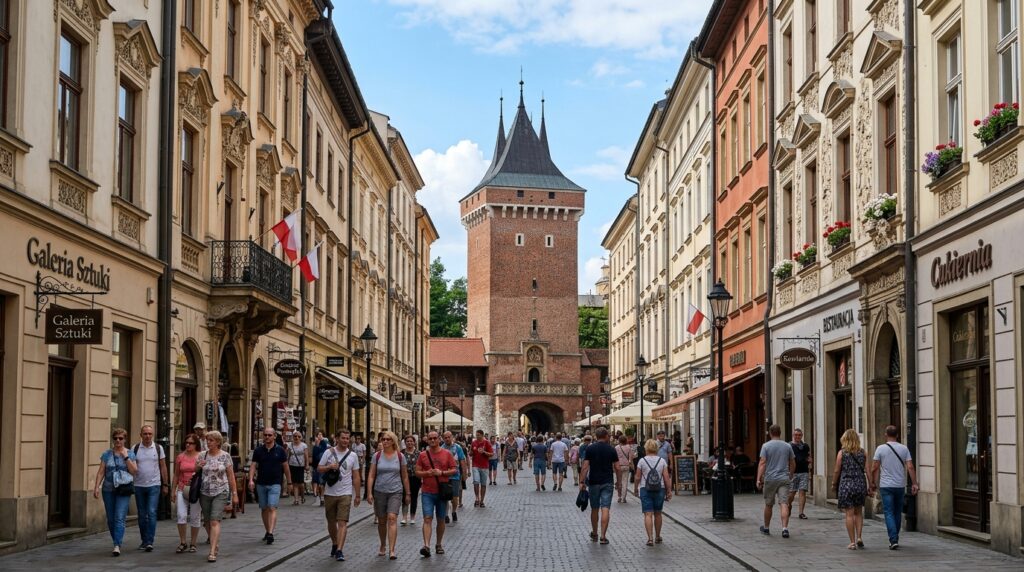
As you follow this ancient path, admire beautiful churches including St. Peter and St. Paul’s Church with its impressive baroque facade and line of apostle statues, along with countless historic townhouses displaying architectural details from different eras. This walk immerses you in centuries of history, showcasing Renaissance, Baroque, and Gothic influences that define Krakow’s urban landscape.
Consider joining a guided tour along the Royal Road to hear fascinating stories about Krakow’s royalty, wealthy merchants, artists, and cultural icons who shaped the city’s destiny. These narratives enrich your understanding of how Krakow evolved from a medieval trading center to Poland’s cultural capital, making each step along this route a journey through time.
Remembering at Auschwitz-Birkenau
A visit to Auschwitz-Birkenau, located approximately an hour from Krakow, represents one of the most solemn and powerful experiences any traveler can undertake. This former Nazi concentration and extermination camp stands preserved as a museum and memorial dedicated to the victims of the Holocaust, serving as a stark reminder of humanity’s capacity for both cruelty and resilience.
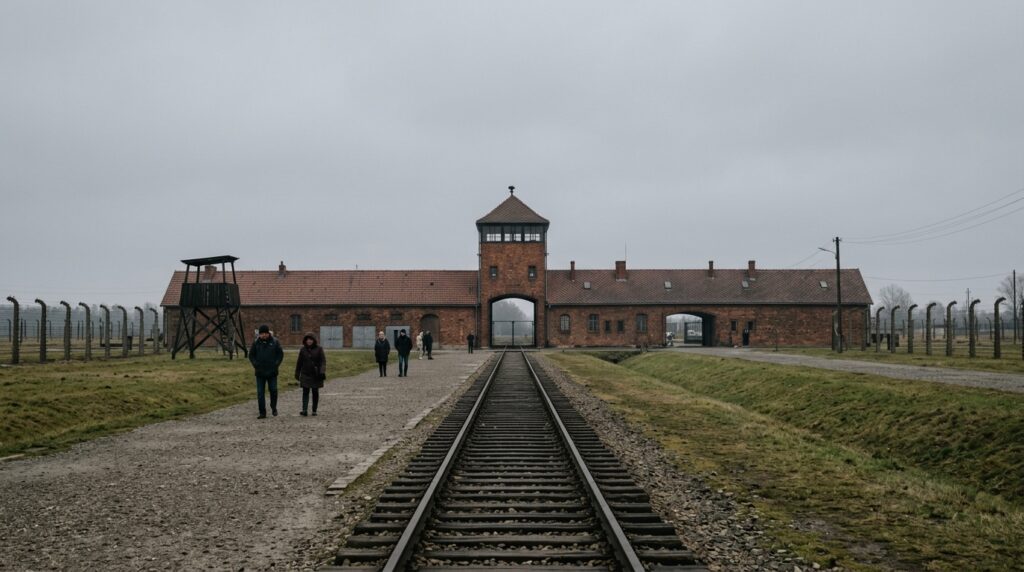
Guided tours provide deeply moving insights into one of history’s darkest chapters, featuring original barracks, gas chambers, crematoria, and personal artifacts that belonged to victims. Knowledgeable guides share individual stories and historical context that bring the statistics to human scale. While emotionally challenging, this visit proves essential for understanding the Holocaust’s impact on Poland, Europe, and the world.
Many visitors describe this experience as profoundly important and humbling, offering crucial perspective on tolerance, human rights, and the importance of remembering history to prevent future atrocities. Book tours in advance through official channels and approach the site with the respect and solemnity it deserves.
Relaxing in Planty Park
Surrounding Krakow’s Old Town like a green embrace, Planty Park forms a beautiful belt of gardens and tree-lined paths created on the site of the former medieval city walls. This peaceful oasis offers the perfect contrast to the bustling historic center, providing 4 kilometers of scenic walking paths, fountains, sculptures, and shaded benches ideal for relaxation.
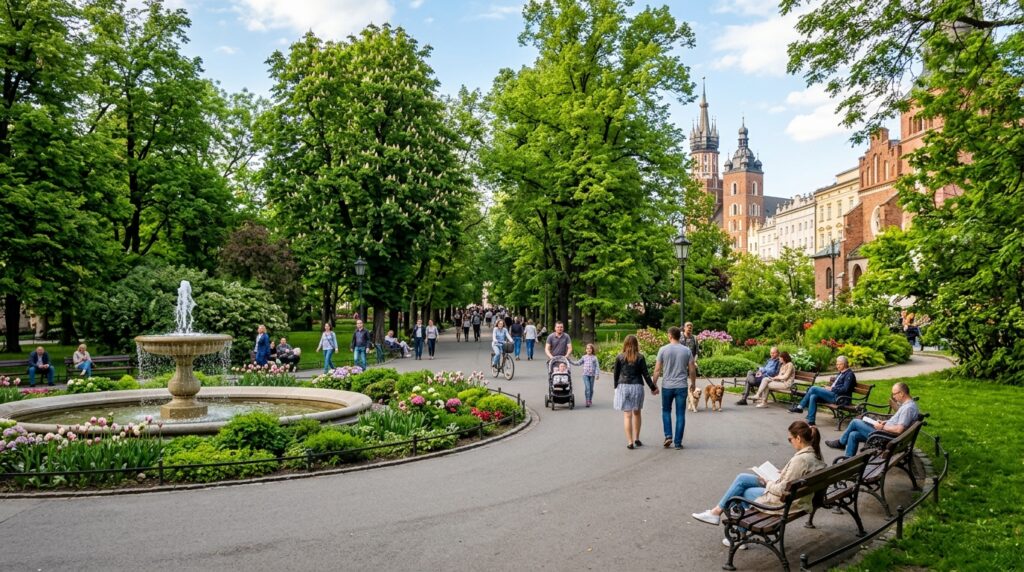
The park’s length offers plenty of spots to sit, people-watch, read a book, or enjoy a picnic while soaking up local life. Throughout the seasons, Planty transforms—from spring blossoms and summer shade to autumn colors and winter snow-covered paths. It’s an ideal way to decompress after exploring historic sites, exercise while admiring architecture, or simply experience how Krakow residents enjoy their beautiful city.
Discovering the Underground Museum
Beneath the Main Market Square lies the Rynek Underground Museum, a fascinating archaeological site that reveals Krakow’s medieval origins through cutting-edge technology and immersive exhibits. This modern museum showcases the remnants of the medieval marketplace, merchant stalls, and everyday objects uncovered during extensive excavations.
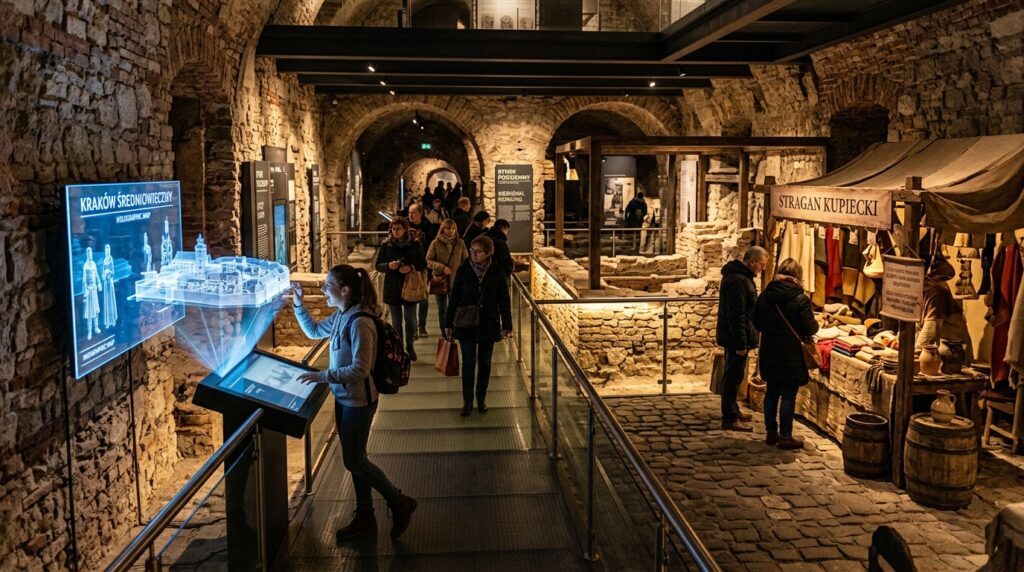
Interactive exhibits and holographic displays bring medieval Krakow to life, showing how the city developed as a major European trading hub. Walking through these underground halls offers a unique perspective on centuries of history literally beneath your feet. The museum brilliantly combines archaeological authenticity with innovative presentation methods, making it engaging for history enthusiasts and casual visitors alike.
Experiencing Krakow’s Vibrant Nightlife
Krakow boasts a lively nightlife scene that caters to diverse tastes, from intimate wine bars to energetic clubs. The Old Town and Kazimierz districts feature an impressive array of pubs, cocktail bars, and clubs where locals and tourists mingle in welcoming atmospheres. Many establishments occupy historic cellars and vaulted basements, adding unique character and ambiance to your evening out.
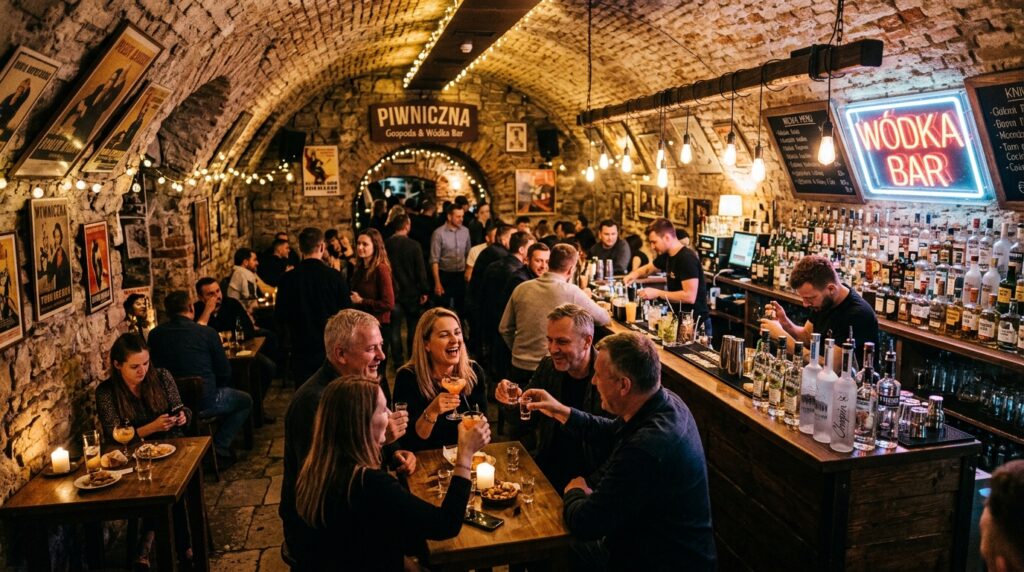
Try local craft beers from Poland’s thriving microbrewery movement or sip on a żubrówka cocktail featuring bison grass vodka, Poland’s distinctive spirit. Music lovers will appreciate the city’s live jazz venues, clubs hosting Polish and international DJs, and occasional underground concerts. The atmosphere remains festive, friendly, and welcoming, making Krakow an excellent city to unwind after daytime sightseeing.
Attending Cultural Events and Festivals
Krakow hosts numerous cultural events year-round that celebrate its rich heritage and contemporary creativity. The Krakow Film Festival attracts international filmmakers and cinema enthusiasts, while the Jewish Culture Festival celebrates Jewish heritage through music, workshops, and performances. These events draw visitors from around the world, creating vibrant multicultural exchanges.
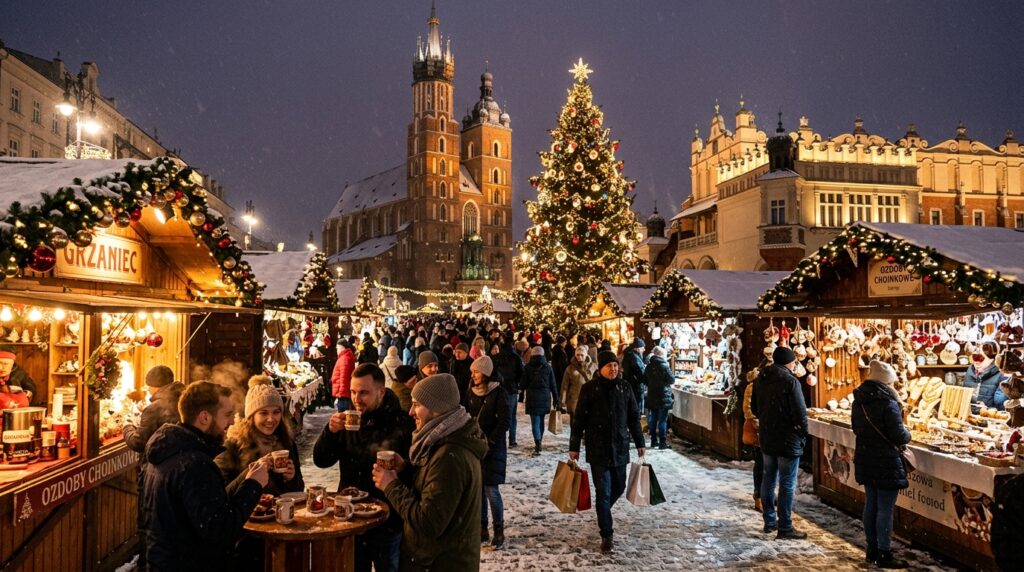
During the Christmas season, the Main Square transforms into a magical market featuring traditional crafts, mulled wine, regional foods, and festive performances. Summer brings open-air concerts, theater performances, and cultural festivals that animate historic squares and parks. Participating in these events lets you experience Krakow’s vibrant culture firsthand, connect with locals, and gain deeper appreciation for this dynamic city’s living traditions.
Practical Travel Tips for Krakow
Krakow’s compact city center makes it highly walkable, though public transportation including trams and buses efficiently connects outer districts. The city experiences distinct seasons—summer offers warm weather perfect for outdoor cafes and festivals, while winter creates magical snowy scenes though temperatures drop significantly. Spring and autumn provide pleasant weather with fewer crowds.
The local currency is the Polish złoty (PLN), and while credit cards are widely accepted, having some cash proves useful for markets and smaller establishments. Polish people appreciate when visitors attempt basic Polish phrases like “dziękuję” (thank you) and “proszę” (please), though English is commonly spoken in tourist areas.
Krakow’s rich history, stunning architecture, vibrant culture, and warm hospitality create an irresistible destination that rewards curious travelers with unforgettable experiences. From medieval squares to poignant memorials, from pierogi to craft beer, this remarkable city offers layers of discovery that will leave you planning your return visit before you even depart.