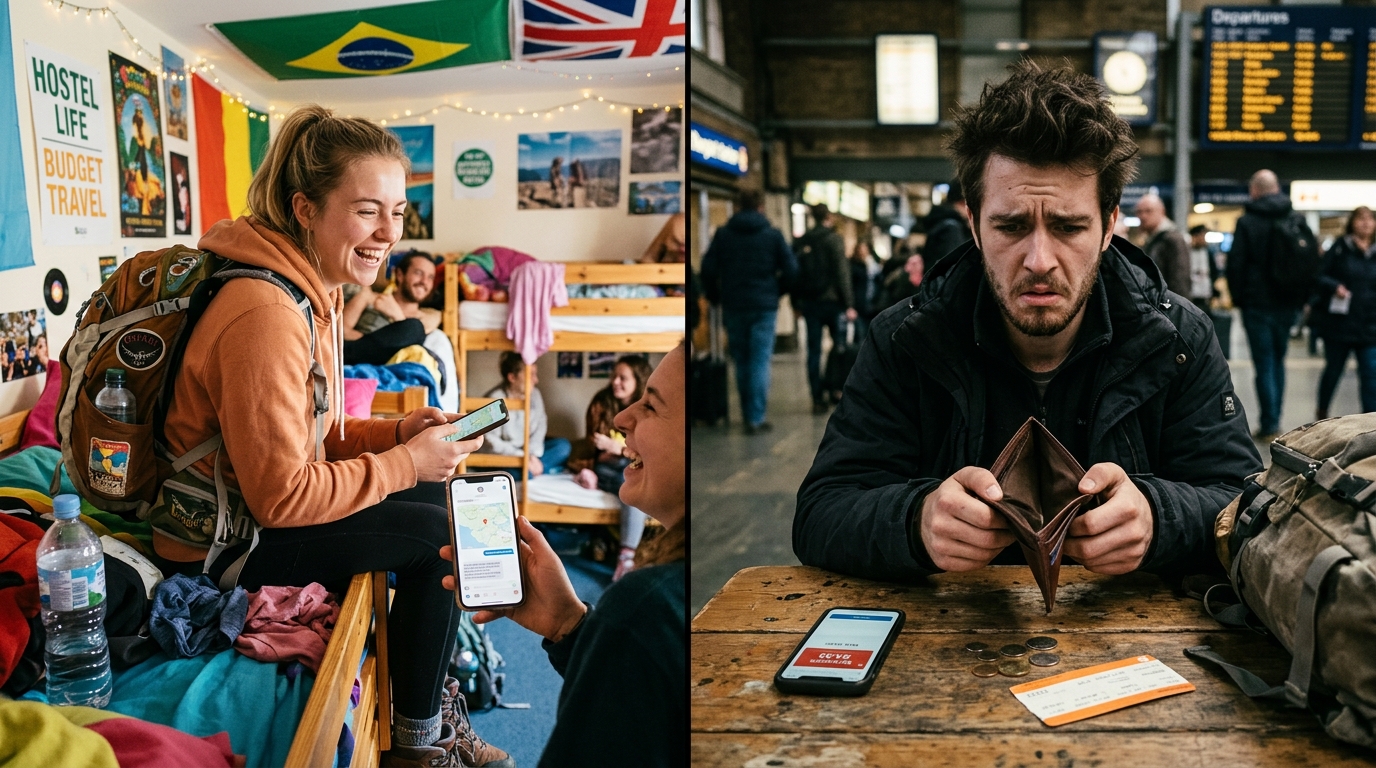

Budget travel is a dream for many people. The idea of seeing new places without spending a lot of money sounds exciting, and social media is full of travelers showing how to explore the world on a tight budget. Cheap flights, hostels, street food, and public transport can make trips affordable while saving money. However, some risks could make a budget trip more stressful than enjoyable. So, is budget travel really worth it? Let’s explore the secret dangers of traveling cheap and find out if it’s the right choice for you.
1. Safety Concerns in Cheap Accommodations
One of the biggest expenses in travel is accommodation. Budget travelers often stay in hostels, shared dorms, or very cheap hotels. While this can save money, it can also pose serious safety risks that many first-time budget travelers overlook.
The Reality of Budget Lodging
Cheap accommodations may lack proper security, leaving travelers vulnerable to theft. Many travelers have reported stolen passports, wallets, and electronics from shared rooms. Some hostels do not have lockers, making it easy for thieves to take valuables. Additionally, budget hotels may be located in unsafe neighborhoods. To save money, some travelers choose hotels in less popular areas, which can be dangerous, especially at night.
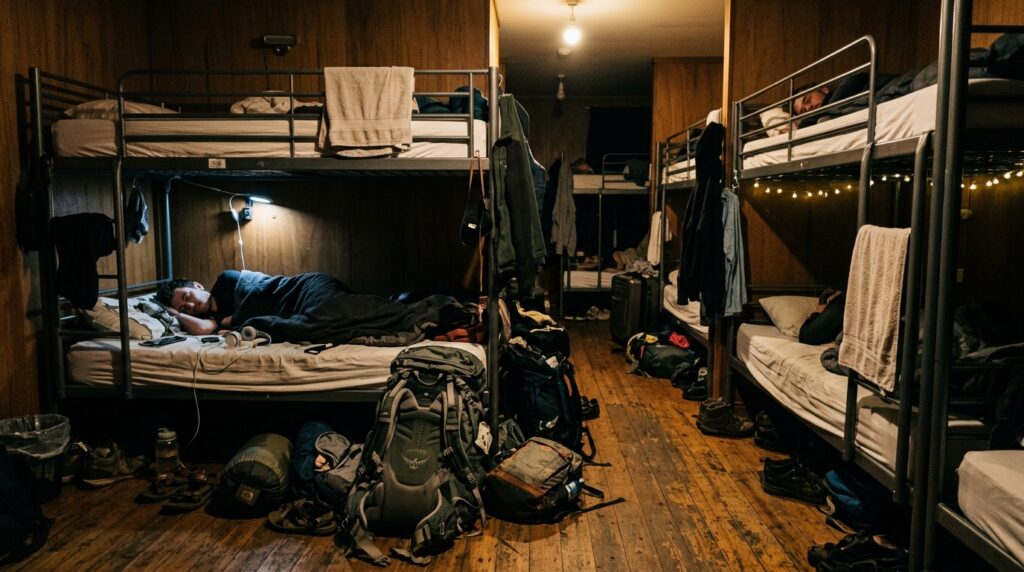
Poorly maintained accommodations may also have issues like bed bugs, dirty bathrooms, or broken locks. While reviews can help, budget travelers sometimes take risks for the sake of saving money.
How to Stay Safe
When choosing a cheap hotel or hostel, travelers should:
- Check online reviews carefully on multiple platforms
- Look for safety features such as lockers, 24-hour reception, and security cameras
- Avoid places that have multiple reports of theft or unsafe conditions
- Carry a personal lock for securing valuables in shared spaces
- Research the neighborhood before booking
- Consider paying slightly more for a private room in a reputable hostel
Pro Tip: Always bring your own padlock and consider a portable door lock alarm for added security in budget accommodations.
2. The Risk of Cheap Transportation
Budget travelers often rely on low-cost airlines, overnight buses, or public transportation. While these options can save money, they come with risks that can derail your entire trip.
Budget Airlines: The Hidden Truth
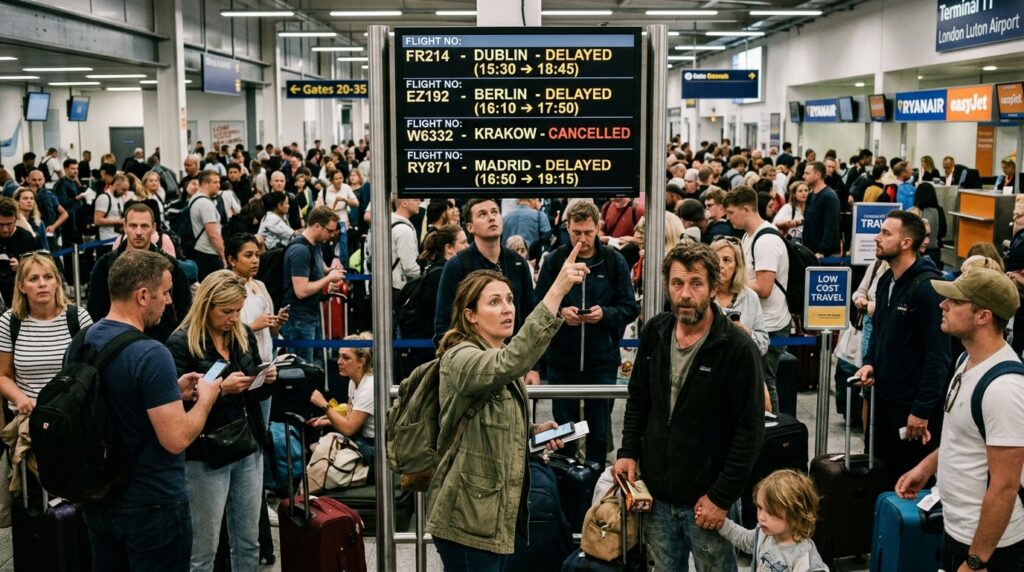
Budget airlines often have strict rules, hidden fees, and unexpected delays. Many cheap airlines do not include checked baggage, so travelers must pack light. Additionally, low-cost airlines sometimes operate from smaller airports far from the city, leading to extra transportation costs that can negate your savings.
Overnight Travel Dangers
Overnight buses and trains may seem like a good way to save on a hotel stay, but they can be uncomfortable and unsafe. Travelers have reported theft on night buses and trains where people steal bags while passengers are asleep. In some countries, budget transportation may not follow proper safety standards, increasing the risk of accidents.
Public Transport Concerns
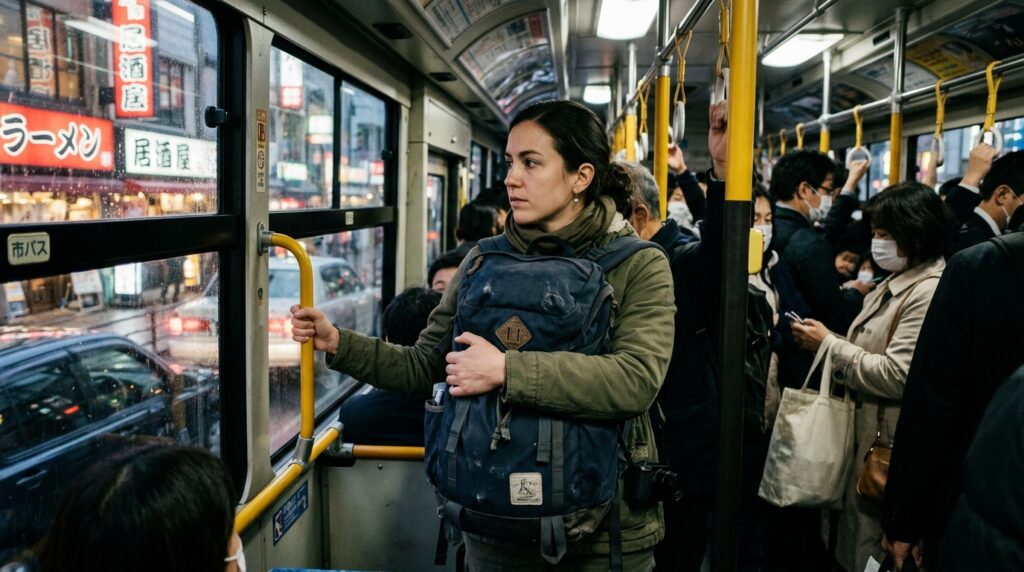
Public transport is usually the cheapest way to get around, but it can be crowded and unsafe, especially in unfamiliar cities. Pickpocketing is a common issue in busy metro stations and buses. Some budget travelers also choose to hitchhike to save money, but this comes with serious safety risks, including the possibility of encountering dangerous people.
Smart Transportation Strategies
To minimize risks, budget travelers should:
- Research transportation options before their trip
- Keep their valuables secure and never leave bags unattended
- Avoid traveling alone late at night
- Purchase travel insurance that covers lost or stolen belongings
- Book tickets from official sources only
- Keep digital and physical copies of all tickets and reservations
3. Health Risks of Cheap Food
Trying local food is one of the best parts of travel, but budget travelers often choose the cheapest food options without considering the health implications.
Street Food: Delicious but Risky
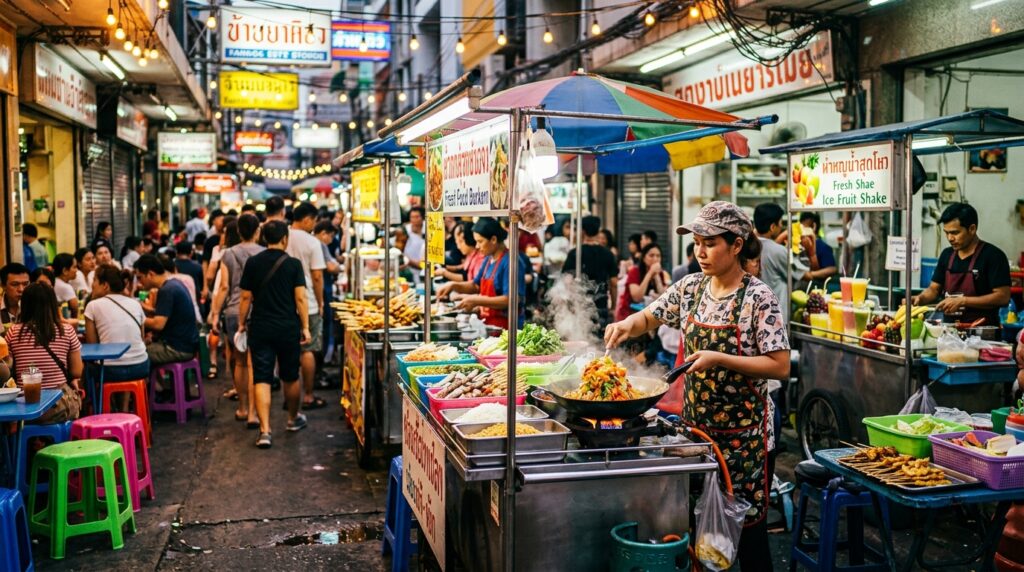
Street food can be delicious and authentic, but in some places, hygiene is not guaranteed. Eating in cheap restaurants with poor food safety standards can lead to food poisoning, stomach infections, or worse. The excitement of trying local cuisine can quickly turn into days of illness that ruin your trip.
The Water Dilemma
Drinking tap water in some countries can also be risky. In many destinations, tap water is not safe to drink, but budget travelers may try to save money by avoiding bottled water. This can lead to serious health problems, ruining the trip and causing unexpected medical expenses.
Nutritional Deficiencies
Additionally, some cheap food options lack proper nutrition. Eating only instant noodles or unhealthy street food for long periods can lead to fatigue and health issues that compromise your ability to enjoy your travels.
Eating Smart on a Budget
Travelers should:
- Be mindful of what they eat and observe food preparation
- Find affordable but safe food options such as small local restaurants with good reviews and high turnover
- Carry a reusable water bottle with a built-in filter
- Look for places where locals eat (high turnover means fresher food)
- Avoid raw vegetables and fruits you can’t peel yourself
- Pack probiotics and basic medications for stomach issues
4. Travel Scams Targeting Budget Travelers
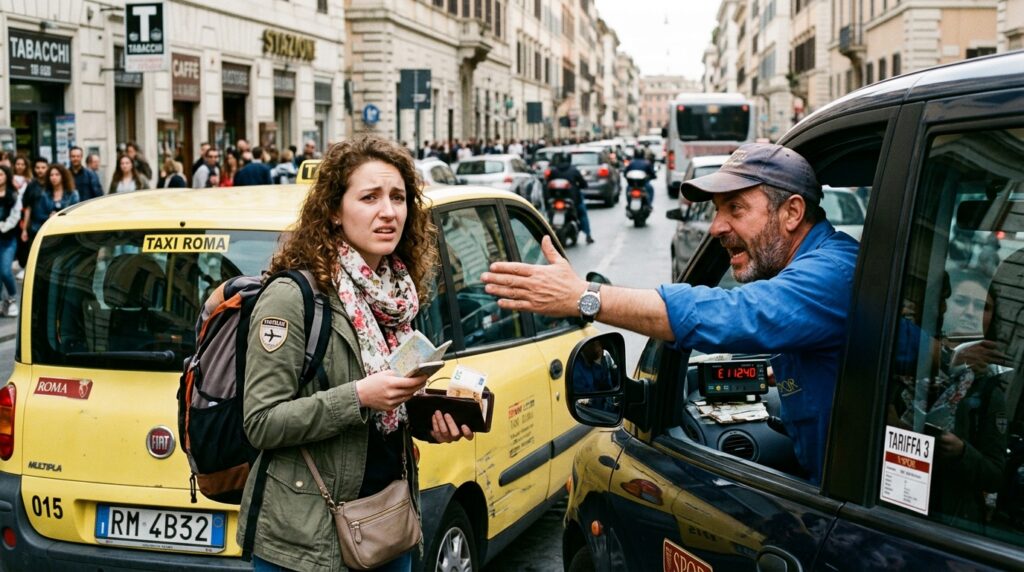
Budget travelers often become easy targets for scams. Taxi drivers, tour operators, and street vendors sometimes take advantage of tourists looking for cheap deals.
Common Budget Traveler Scams
Common scams include:
- Fake tour packages that don’t exist or are vastly different from advertised
- Overcharging for transport or using rigged meters
- Selling counterfeit tickets for attractions or events
- “Helpful” locals who end up demanding money for their assistance
- Credit card fraud at unregistered hotels and hostels
- Fake police officers asking to see your wallet
In some places, credit card fraud is also a big problem. Budget travelers using cheap hotels and hostels may be at risk of their card details being stolen.
Protecting Yourself from Scams
To avoid these scams:
- Research common scams in your destination before you arrive
- Book transportation and tours from trusted, official sources
- Use official taxi services or ride-sharing apps
- Be cautious when strangers offer unsolicited help
- Keep small amounts of cash in different pockets
- Use a money belt or hidden pouch for important documents
- Never share your PIN or card details
- Trust your instincts—if something feels wrong, it probably is
5. The Mental and Physical Stress of Budget Travel
Saving money is great, but budget travel can be physically and mentally exhausting in ways that many travelers don’t anticipate.
The Exhaustion Factor
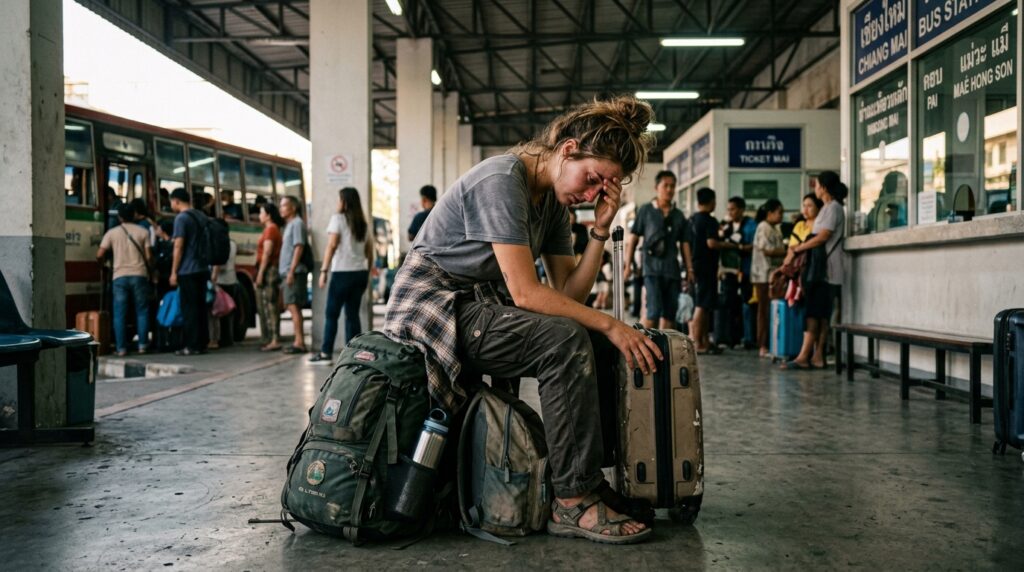
Long bus rides, walking long distances to save on transport, and constantly searching for the cheapest deals can be tiring. Some budget travelers avoid spending money on comfortable hotels, proper meals, or convenient transport, which can lead to burnout. Travel should be enjoyable, but being too focused on saving money can make the trip stressful.
The Comfort Trade-Off
Budget travelers may also have to deal with:
- Uncomfortable sleeping arrangements in crowded dorms
- Unreliable transport with frequent delays
- Limited food choices that don’t meet dietary needs
- Constant calculation of every expense
- Missing out on rest and recovery time
Over time, this stress can take away the joy of exploring new places.
Finding Balance
Balancing budget travel with comfort is important:
- Spend a little extra on a good meal occasionally
- Book a comfortable bed when you need rest
- Take a short taxi ride when you’re exhausted
- Take breaks and avoid over-planning your trips
- Build rest days into your itinerary
- Remember that your health and happiness are worth investing in
6. Missing Out on Experiences
One major downside of budget travel is missing out on experiences that could define your trip.
The Cost of Saving
While it’s possible to travel cheaply, some activities require spending money. Skipping entry fees for famous attractions, avoiding guided tours, or not trying local specialties can mean missing out on the best parts of a destination.
For example:
- A traveler in Paris may avoid visiting the Eiffel Tower because of the cost
- A visitor in Thailand might skip an island tour to save money
- Missing a traditional cooking class that would teach you about local culture
- Skipping a museum that houses priceless artifacts
Strategic Splurging
While budget travel can help you explore new places, it sometimes limits the full experience. Finding a balance between saving money and enjoying the trip is key:
- Prioritize must-see attractions that matter most to you
- Allow room for some splurges on unique experiences
- Research free walking tours and free museum days
- Look for city passes that bundle attractions at a discount
- Remember that some experiences are once-in-a-lifetime opportunities

7. Emergency Situations with No Backup Plan
One major risk of budget travel is the lack of a financial safety net that can turn a small problem into a major crisis.
The Emergency Fund Gap
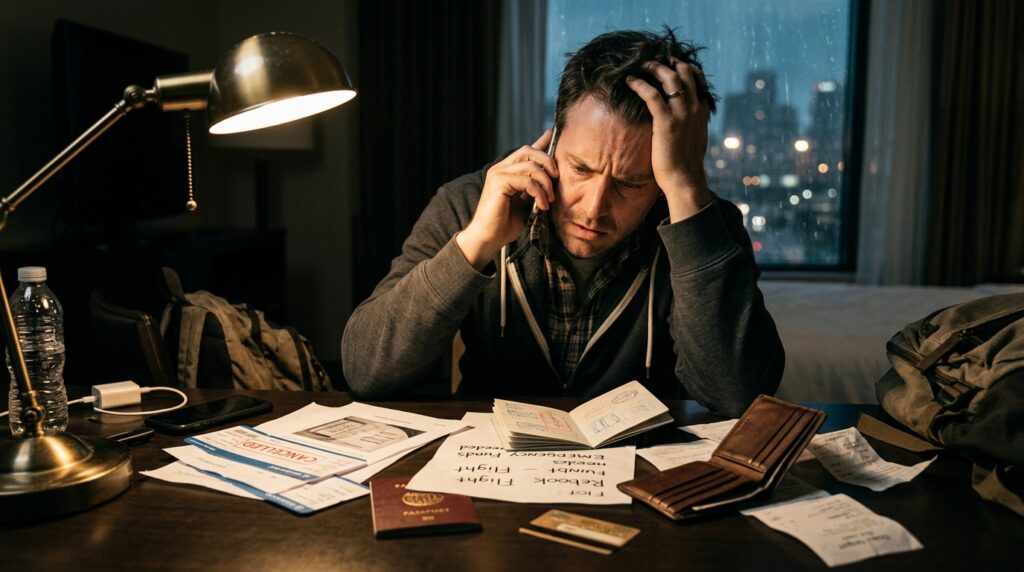
Many budget travelers operate on tight budgets with little room for unexpected expenses. If they fall ill, lose their belongings, or face an emergency, they may struggle to cover the costs. Medical emergencies can be particularly expensive, especially in countries without free healthcare.
The Insurance Mistake
Travelers who skip travel insurance might find themselves burdened with overwhelming medical bills. Additionally:
- Losing a passport can cost hundreds in replacement fees
- Missing a flight can mean buying expensive last-minute tickets
- Needing emergency changes can be costly without flexible bookings
- Natural disasters or political unrest can require emergency evacuation
While having an emergency fund is crucial, not all budget travelers plan for such situations, leaving them vulnerable to financial distress.
Preparing for the Unexpected
- Always purchase comprehensive travel insurance
- Maintain an emergency fund separate from your travel budget
- Keep digital copies of all important documents
- Register with your embassy when traveling abroad
- Have a backup payment method (multiple cards, some cash)
- Know the location of hospitals and emergency services
8. Ethical Concerns of Budget Travel
Budget travel can be a great way to explore the world while saving money, but it also raises ethical concerns that conscious travelers should consider.
The Impact of Aggressive Bargaining
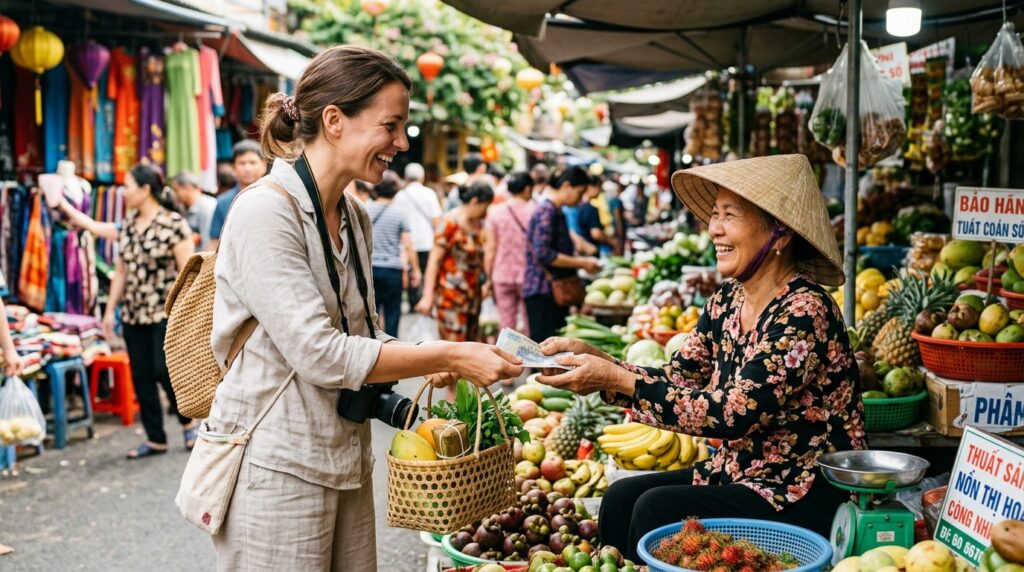
Many budget travelers try to minimize expenses by bargaining aggressively, choosing the cheapest accommodations, or skipping tips. While these strategies help travelers save money, they can negatively affect local communities. Small businesses, street vendors, and service workers often rely on tourism for their livelihoods. If tourists consistently drive prices down, it can lead to unfair wages and struggling businesses.
Illegal Accommodations and Community Impact
Another ethical concern is staying in unregistered or illegal accommodations. Many budget travelers use short-term rental platforms, but some listings operate without proper licensing. This can:
- Drive up housing costs for locals
- Disrupt residential communities
- Avoid taxes that fund local services
- Create unfair competition for legitimate businesses
Environmental and Cultural Concerns
Additionally, overcrowding in hostels or budget hotels may strain local resources like water and electricity, leading to environmental concerns. Cheap transportation options can also create ethical dilemmas—overloaded buses or vans may compromise passenger safety, and using unregulated taxis can contribute to unfair labor practices.
Some budget travelers also ignore cultural norms, dressing inappropriately or taking photos without permission.
Traveling Responsibly on a Budget
Ethical travel means balancing affordability with responsible choices:
- Support local businesses rather than international chains
- Tip fairly according to local customs
- Respect local customs and dress codes
- Ask permission before taking photos of people
- Choose licensed accommodations and tour operators
- Be mindful of your environmental impact
- Pay fair prices without aggressive haggling
9. The Hidden Costs of Budget Travel
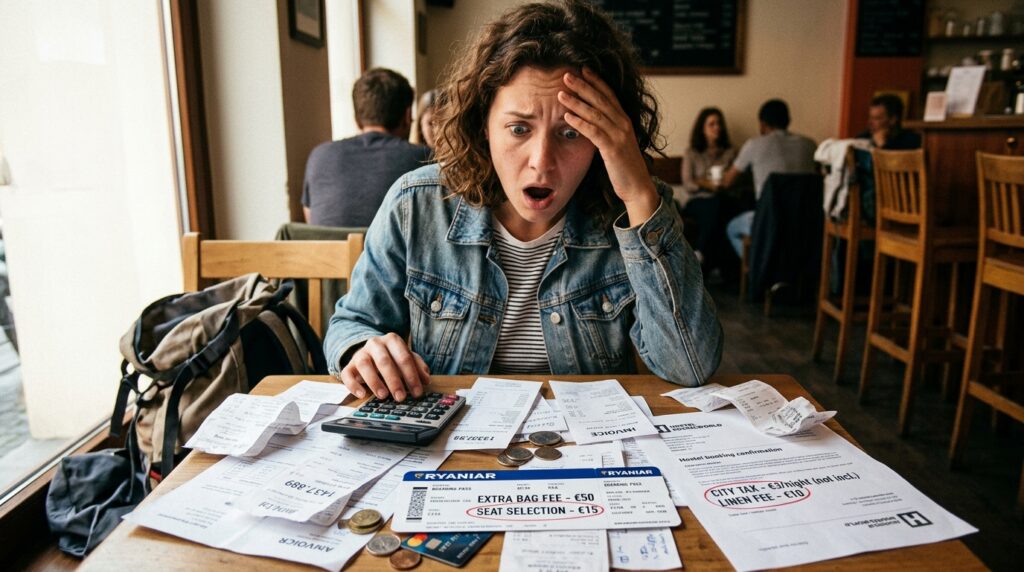
Budget travel often appears to be an affordable way to explore new places, but hidden costs can quickly add up and erase your savings.
Airline Fee Surprises
Many budget airlines advertise low ticket prices but charge extra fees for:
- Checked and sometimes even carry-on baggage
- Seat selection
- Printing boarding passes at the airport
- Food and water on board
- Priority boarding
- Changes or cancellations
These extra charges can make the final price almost as expensive as a standard airline ticket.
Accommodation Add-Ons
Budget hotels and hostels also have hidden costs. Some places charge for essentials like:
- Wi-Fi access
- Air conditioning or heating
- Towels and linens
- Access to lockers
- Breakfast (even when advertised as “from $X”)
- Late check-in fees
While the base price may seem low, these extra fees can make a stay more expensive than expected.
Location and Time Costs
Additionally, cheaper accommodations are often located far from major attractions, forcing travelers to spend more on transportation. Another hidden cost is the time lost due to budget travel strategies. Choosing to walk long distances or rely on slow public transport can take up valuable travel time. Instead of enjoying the destination, travelers may spend hours commuting or searching for cheap food options.
The Comfort Tax
In some cases, budget travelers may also sacrifice comfort, dealing with:
- Long layovers to save on flights
- Overnight buses that ruin the next day
- Crowded dorm rooms with poor sleep quality
- No air conditioning in hot climates
These inconveniences can lead to exhaustion, making the trip less enjoyable and potentially causing you to spend more on comfort items later.
Calculating True Costs
While budget travel can save money, it’s important to consider both financial and time-related costs:
- Calculate the total cost including all fees
- Factor in transportation from remote locations
- Consider the value of your time
- Assess whether discomfort will affect your experience
- Compare total costs, not just base prices
Conclusion: Finding the Right Balance
Budget travel can be an exciting way to see the world without spending a lot of money, but it comes with hidden dangers. Safety risks, health concerns, travel scams, and mental stress can make budget travel challenging. While saving money is great, it is important to balance cost with comfort and security.
For some travelers, budget travel is worth the risks because it allows them to visit more places with limited money. However, for others, the stress and dangers make it less enjoyable. The best approach is to find a middle ground: save money where possible, but do not compromise on safety, health, and essential experiences.
Travel should be fun, safe, and memorable. Whether you choose budget travel or a more comfortable approach, being prepared and making smart decisions will help ensure a great travel experience.
Remember: The goal of travel is to create memories and broaden your horizons. Don’t let the pursuit of savings overshadow the joy of exploration. Travel smart, stay safe, and make every penny count toward experiences that truly matter.
Ready to plan your next adventure? Share this article with fellow travelers and subscribe for more honest travel insights and tips!

Quick Reference: Budget Travel Safety Checklist
✓ Research accommodations thoroughly before booking
✓ Purchase comprehensive travel insurance
✓ Keep copies of important documents
✓ Use reputable transportation services
✓ Eat at busy, clean establishments
✓ Stay aware of common scams in your destination
✓ Maintain an emergency fund
✓ Support local businesses fairly
✓ Calculate total costs including hidden fees
✓ Prioritize experiences that matter most to you
✓ Balance savings with comfort and safety
✓ Trust your instincts
Safe travels!