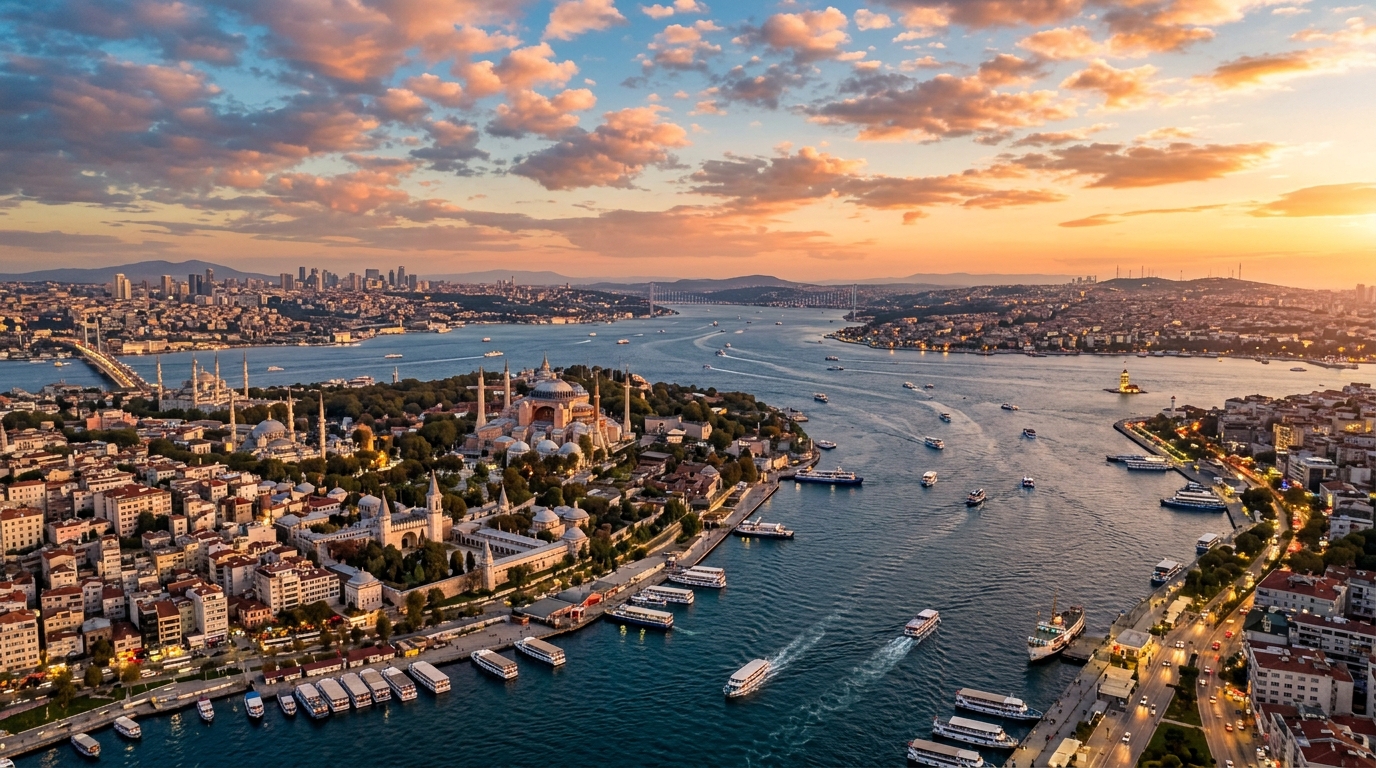

From the majestic dome of Hagia Sophia to the bustling lanes of the Grand Bazaar, Istanbul is a city where timeless beauty and rich history converge at every corner. Straddling two continents and millennia of civilization, this enchanting metropolis offers an unparalleled travel experience that captivates the soul. Whether you’re wandering through ancient palaces, savoring mouthwatering Turkish cuisine, or navigating vibrant markets, Istanbul promises memories that will last a lifetime.
In this comprehensive Istanbul travel guide, we’ll take you through the ten must-see attractions and experiences that make this city one of the world’s most fascinating destinations. Get ready to discover stunning architecture, immerse yourself in rich culture, and fall in love with a city unlike any other.
1. A City on Two Continents: Where East Meets West
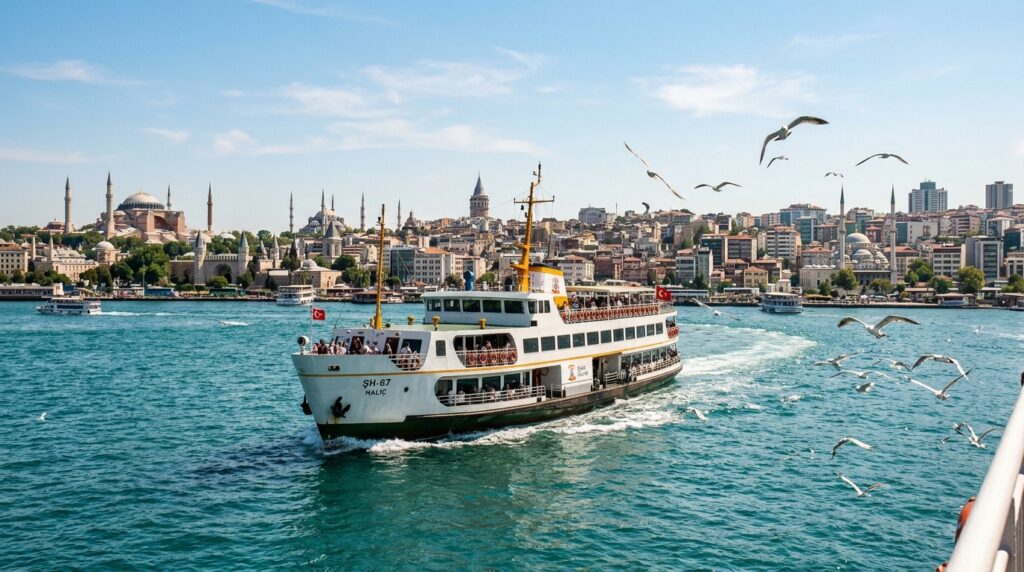
Istanbul holds the extraordinary distinction of being the only city in the world that spans two continents. Divided by the shimmering Bosphorus Strait, this magnificent urban landscape connects Europe and Asia, making it one of the most strategically and culturally significant cities in human history. This unique geographical positioning has shaped Istanbul into a fascinating tapestry of Eastern and Western influences, creating a cultural mosaic found nowhere else on Earth.
When you take a ferry across the Bosphorus, you’re literally crossing between continents in just minutes—a surreal experience that never fails to amaze first-time visitors. On the European side, you’ll discover the historic heart of the city, home to legendary sites like Hagia Sophia, Topkapi Palace, and the Grand Bazaar. The Asian side, known as Kadıköy and Üsküdar, offers a more laid-back residential charm with trendy cafés, lively markets, and stunning waterfront views where locals gather to watch the sunset.
The seamless fusion of these two worlds makes Istanbul an incredibly dynamic and diverse place to explore. You can have breakfast in Europe and dinner in Asia, visit ancient Byzantine churches in the morning and modern art galleries in the afternoon, or experience the call to prayer echoing from minarets while contemporary life buzzes around you. This duality is Istanbul’s greatest魅力.
Travel Tip: Purchase an Istanbulkart (transportation card) for easy access to ferries, trams, and metros. A Bosphorus ferry ride costs just a few lira and offers spectacular views—arguably the best value experience in the city.
2. Hagia Sophia: An Architectural Marvel Through the Ages
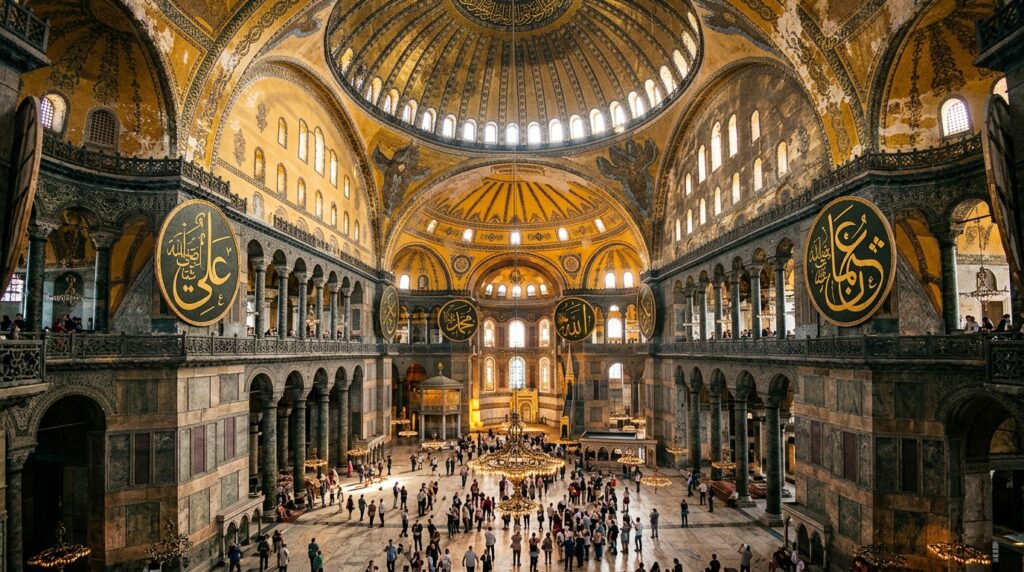
Few buildings in the world can rival the awe-inspiring grandeur of Hagia Sophia. Originally constructed as a Byzantine cathedral in 537 AD under Emperor Justinian I, this architectural masterpiece has served as a church, a mosque, a museum, and once again as a mosque. Its massive central dome, intricate mosaics, and towering minarets make it one of the most breathtaking landmarks on the planet and an absolute must-visit on any Istanbul itinerary.
When you step inside Hagia Sophia, you’re immediately struck by the sheer scale of the space. The dome, which appears to float weightlessly above the nave, spans over 31 meters in diameter and rises 55 meters high—an engineering feat that was revolutionary for its time. The golden-hued light filtering through the windows creates an ethereal glow, illuminating the intricate Christian and Islamic artistry that coexist within the walls. Byzantine mosaics depicting Christ, the Virgin Mary, and various emperors share space with Islamic calligraphy panels, creating a visual dialogue between faiths that spans centuries.
Hagia Sophia is more than just a building; it’s a symbol of Istanbul itself—a place where different cultures, religions, and civilizations have converged over the centuries, leaving behind a masterpiece of human achievement. The emotional impact of standing beneath that dome, surrounded by 1,500 years of history, is something every traveler should experience.
Visitor Information: Hagia Sophia is open to visitors outside of prayer times. Entry is free, but expect long queues, especially during peak tourist season. Visit early morning or late afternoon to avoid crowds. Dress modestly (shoulders and knees covered) and remove shoes when entering carpeted areas.
3. The Blue Mosque: Ottoman Splendor in Sultanahmet
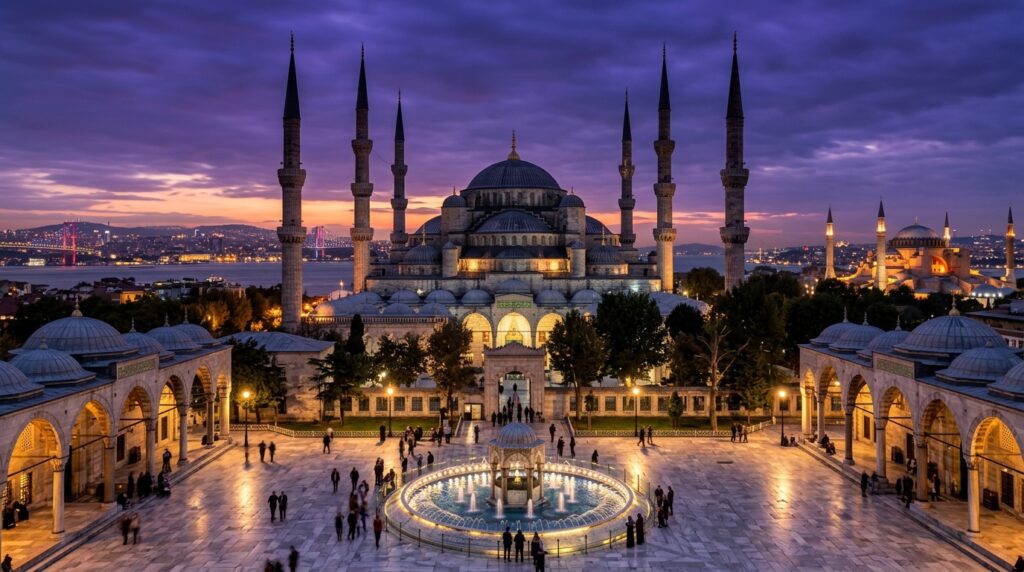
Directly across from Hagia Sophia stands the Sultan Ahmed Mosque, famously known as the Blue Mosque due to its mesmerizing blue Iznik tiles that adorn its interior. Built in the early 1600s during the reign of Sultan Ahmed I, this stunning structure is one of the most beautiful and iconic mosques in the world and a masterpiece of Ottoman architecture.
The Blue Mosque distinguishes itself with six towering minarets—a feature that caused controversy when it was built, as it matched the number at Islam’s holiest site in Mecca. The grand central dome, supported by four massive pillars known as “elephant feet,” creates a vast prayer hall that can accommodate thousands of worshippers. The courtyard, with its elegant colonnades and central fountain, radiates an elegance that prepares visitors for the beauty within.
When you enter the mosque, the vast interior adorned with intricate floral patterns, geometric designs, and over 20,000 handmade Iznik tiles creates a serene and almost mystical atmosphere. The stained glass windows cast colorful light across the carpeted floor, while the mihrab (prayer niche) and minbar (pulpit) showcase exquisite craftsmanship. Unlike many historical sites, the Blue Mosque is an active place of worship, making it not just a tourist attraction but a living, breathing part of Istanbul’s spiritual life.
Cultural Note: The Blue Mosque is closed to tourists during the five daily prayer times, with the longest closure during Friday noon prayers (approximately 2 hours). Check prayer times before visiting. Women should bring a headscarf, though they’re available at the entrance.
4. The Grand Bazaar: A Shopping Experience Like No Other

If you love shopping, exploring markets, or simply soaking in vibrant atmospheres, you’ll be absolutely captivated by the Grand Bazaar. As one of the oldest and largest covered markets in the world, this labyrinthine wonderland has been at the heart of Istanbul’s commercial life for over 550 years. With over 4,000 shops, 61 covered streets, and more than 25,000 workers, the Grand Bazaar is a city within a city.
Walking through its winding alleys is an adventure in itself. Every turn reveals new treasures: handcrafted carpets woven with intricate patterns, exquisite jewelry featuring Ottoman designs, vibrant ceramics painted in traditional motifs, aromatic spices arranged in colorful pyramids, and intricate lanterns that cast mesmerizing shadows. The air is filled with the rich scent of Turkish coffee, the sweet aroma of Turkish delight, and the earthy fragrance of spices from distant lands.
The sounds of the Grand Bazaar create a symphony of commerce: merchants calling out their best prices in multiple languages, the clinking of copper being hammered into shape, the gentle hum of bargaining, and the occasional pour of tea offered as a gesture of hospitality. Whether you’re looking for a unique souvenir, an antique treasure, or simply want to experience one of the world’s greatest markets, the Grand Bazaar delivers an unforgettable sensory experience.
Shopping Tips: Bargaining is expected and part of the culture—start at about 50-60% of the asking price and negotiate with a smile. Be cautious of “too good to be true” deals on expensive items like carpets or jewelry. Many shops offer shipping services for large purchases. Don’t feel pressured to buy; browsing is welcomed.
5. The Spice Bazaar: A Feast for the Senses
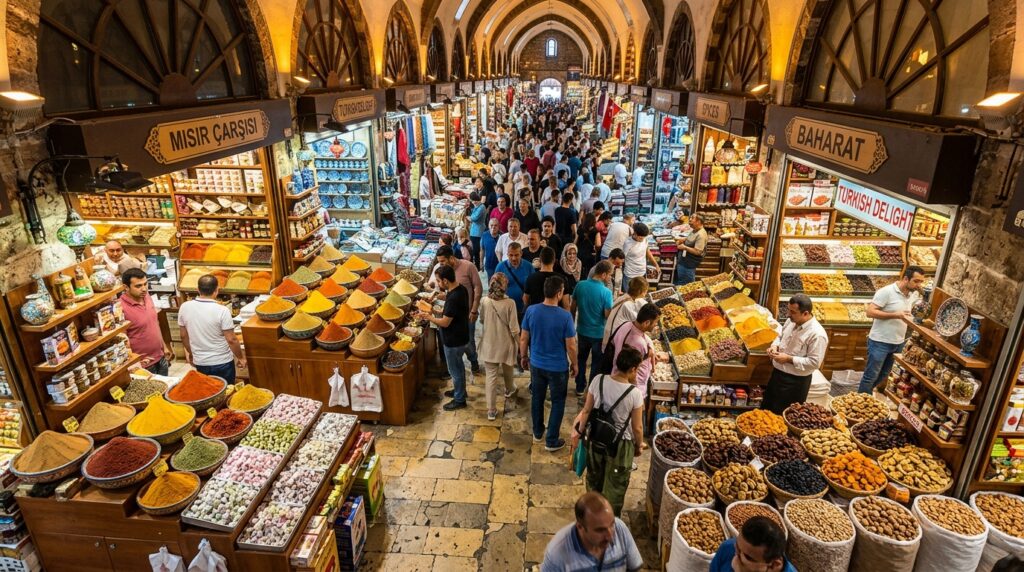
While the Grand Bazaar overwhelms with its sheer size, the Spice Bazaar (also known as the Egyptian Bazaar) offers a more intimate but equally enchanting shopping experience. Built in the 1660s as part of the New Mosque complex, this L-shaped market is a paradise for food lovers and anyone who appreciates the rich flavors of Turkish and Middle Eastern cuisine.
As you wander through the colorful stalls, you’ll be greeted by an intoxicating symphony of aromas: saffron, sumac, cumin, and paprika create a fragrant cloud that follows you through the market. Dried fruits glisten in jewel tones—apricots, figs, and dates arranged in artistic displays. Towers of Turkish delight (lokum) in flavors ranging from rose to pomegranate tempt your sweet tooth, while exotic teas promise warmth and wellness. Nuts of every variety—pistachios from Gaziantep, almonds, and hazelnuts—are piled high, ready to be sampled.
Vendors eagerly offer samples, allowing you to taste the sweetness of lokum, the warmth of saffron-infused tea, or the fiery kick of freshly ground red pepper flakes. This isn’t just shopping; it’s a sensory journey that transports you to the heart of Turkish culinary culture. Beyond spices and sweets, you’ll find dried herbs, natural cosmetics, caviar, and traditional Turkish coffee grounds.
Food Lover’s Tip: Visit in the morning when the spices are freshest and the market is less crowded. Many vendors speak English and are happy to explain the uses of different spices. Purchase small quantities to take home—spices lose potency over time.
6. Bosphorus Cruise: Istanbul’s Most Scenic Perspective
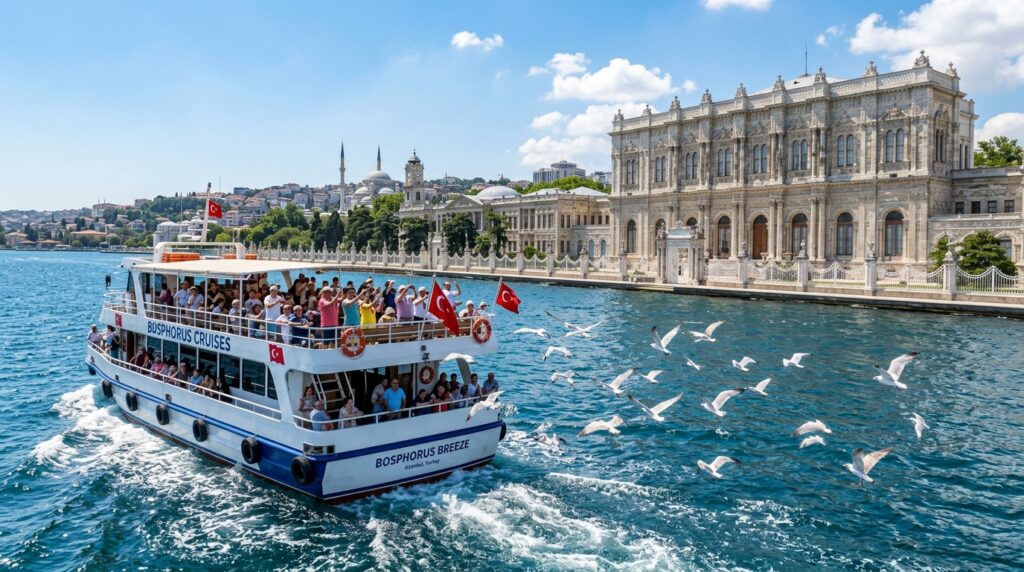
To truly appreciate the breathtaking beauty of Istanbul, you must see it from the water. A Bosphorus cruise offers spectacular panoramic views of the city’s skyline, featuring magnificent palaces, historic fortresses, charming waterfront mansions called “yalı,” and modern bridges connecting continents. This experience consistently ranks as one of the top things to do in Istanbul, and for good reason.
As you glide along the strait, you’ll pass iconic landmarks including the opulent Dolmabahçe Palace with its European-style architecture, the medieval Maiden’s Tower perched on a small islet, the imposing Rumeli Fortress built by Sultan Mehmed the Conqueror, and countless wooden Ottoman-era yalıs that line the shores. You’ll watch fishermen cast their lines from historic neighborhoods, see children playing in waterfront parks, and witness the daily rhythm of life along the Bosphorus.
The perspective from the water provides a unique understanding of Istanbul’s geography and history. You’ll see how the city has grown along both shores, how different architectural styles reflect various eras, and how the Bosphorus has served as a vital waterway for millennia. Whether you take a short public ferry ride, a private sunset cruise, or a dinner boat with traditional entertainment, the experience of sailing between two continents while gazing at the timeless beauty of Istanbul is nothing short of magical.
Cruise Options: Public ferries are the most affordable option (around $2-3) and run frequently. Private tours offer commentary and amenities but cost more ($20-50). Sunset cruises provide the best photography light and romantic atmosphere. Book dinner cruises in advance during high season.
7. Topkapi Palace: The Seat of Ottoman Power
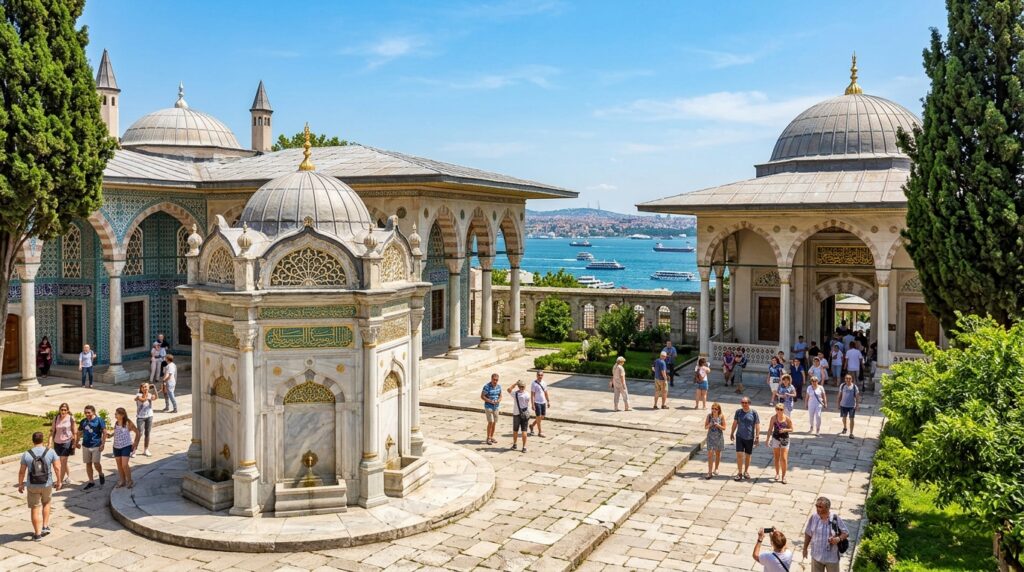
Once the primary residence of Ottoman sultans for nearly 400 years, Topkapi Palace is an opulent complex filled with history, intrigue, and breathtaking architecture. Perched on a hill overlooking the Bosphorus and the Golden Horn, this vast palace offers stunning views and an intimate glimpse into the lavish lives of the Ottoman rulers who once commanded an empire spanning three continents.
The palace complex is actually a series of courtyards, gardens, and buildings, each with its own character and purpose. As you explore, you’ll wander through grand courtyards where viziers once conducted state business, ornate chambers decorated with intricate tilework and calligraphy, and the legendary Harem where the sultan’s wives, concubines, and children lived in a world of luxury and political maneuvering. The Harem tour, though requiring a separate ticket, is absolutely worth it for the insight it provides into Ottoman court life.
Topkapi Palace also houses one of the most impressive collections of Islamic relics in the world, including the cloak and sword of the Prophet Muhammad, sacred manuscripts, and priceless artifacts from the early Islamic period. The palace treasury displays dazzling jewels, including the famous 86-carat Spoonmaker’s Diamond and the Topkapi Dagger, both testaments to the empire’s immense wealth.
Walking through the corridors of Topkapi Palace feels like stepping back in time to an era of imperial splendor, where power, beauty, and tradition intertwined to create one of history’s greatest civilizations.
Planning Your Visit: Allocate at least 3-4 hours to explore the palace properly. The Harem requires a separate ticket and guided tour. Visit early morning to beat crowds. The palace is closed on Tuesdays. Audio guides are available in multiple languages.
8. Basilica Cistern: Istanbul’s Underground Marvel
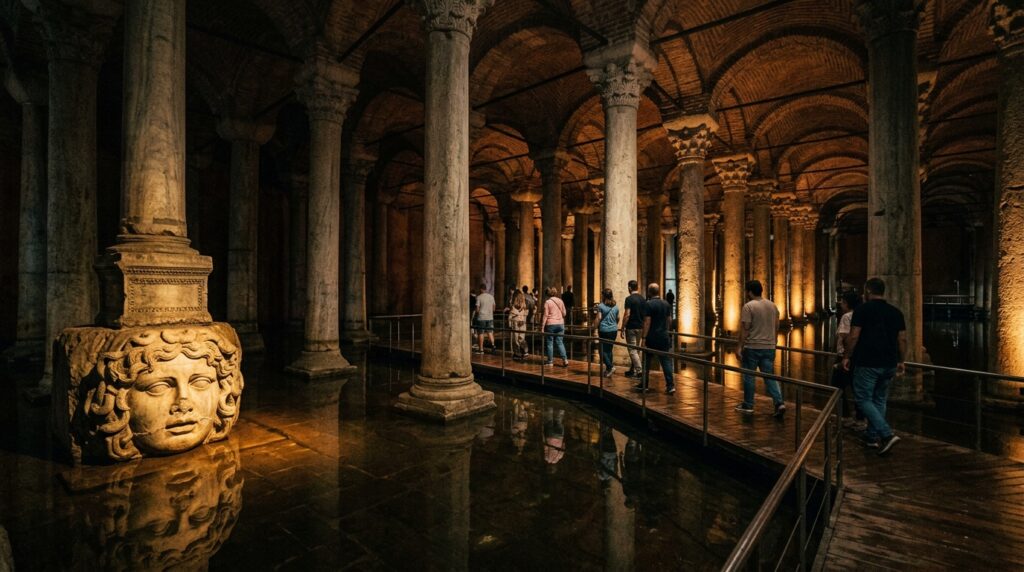
Beneath the bustling streets of Istanbul lies one of the city’s most mysterious and atmospheric attractions: the Basilica Cistern. Built in the 6th century during the reign of Byzantine Emperor Justinian I, this massive underground water reservoir is supported by 336 columns arranged in 12 rows, creating an eerie yet mesmerizing atmosphere that has captivated visitors for decades.
Descending the stone steps into the cistern, you enter a world that feels almost otherworldly. Dim lighting casts soft reflections dancing on the shallow water that still covers the floor, while the sound of dripping water echoes through the vast chamber. The columns, many salvaged from earlier Roman structures, display a variety of capitals and styles, telling the story of Constantinople’s layered history. Some columns are plain, while others feature intricate carvings of leaves, geometric patterns, and religious symbols.
The cistern’s most famous features are two Medusa head sculptures positioned at odd angles at the base of columns in the northwest corner. Their origins remain mysterious—some believe they were placed upside down or sideways to neutralize the Gorgon’s petrifying gaze, while others suggest they were simply convenient building materials. Regardless of their purpose, these ancient sculptures add an element of mystery and intrigue to an already fascinating site.
The Basilica Cistern has appeared in numerous films and novels, including James Bond’s “From Russia with Love” and Dan Brown’s “Inferno,” but experiencing it in person is far more powerful than any screen depiction. It’s an unexpected and unforgettable part of Istanbul’s hidden history that reminds us of the engineering prowess of the Byzantine Empire.
Visitor Information: The cistern can get crowded, especially midday. Visit early morning or evening for a more atmospheric experience. Photography is allowed. The walkways can be slippery, so wear appropriate footwear.
9. Turkish Cuisine: A Food Lover’s Paradise
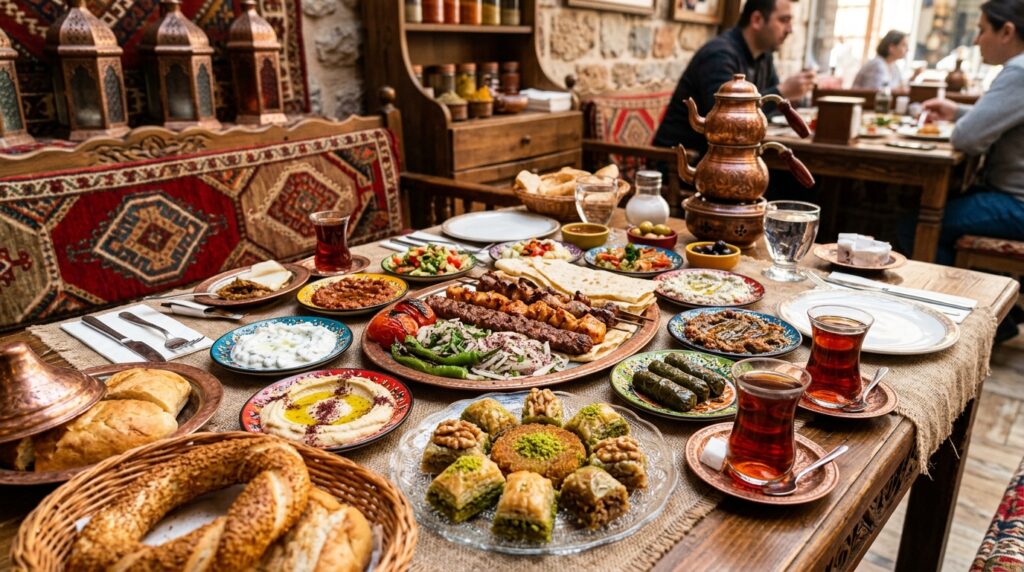
Istanbul’s culinary scene is as rich and diverse as its history, offering a gastronomic journey that ranks among the world’s great food destinations. From sizzling kebabs cooked over charcoal to flaky börek pastries, from comforting menemen (Turkish scrambled eggs) to syrup-soaked baklava, every meal in Istanbul is an experience that engages all the senses.
For a true taste of the city, head to a traditional meyhane (tavern) where you can enjoy a feast of Turkish meze—small dishes designed for sharing—accompanied by rakı, the national anise-flavored drink. These convivial establishments buzz with conversation and laughter as plates of stuffed grape leaves, grilled octopus, white cheese, melon, and grilled vegetables cover the table. The ritual of breaking bread together is central to Turkish culture, and dining in a meyhane provides an authentic glimpse into local life.
Street food is equally essential to the Istanbul experience. Try balık ekmek (grilled fish sandwich) from the boats near the Galata Bridge, where freshly caught mackerel is served with onions and lettuce in crusty bread. Grab a piping hot simit (sesame-crusted bread ring) from a street vendor for the perfect on-the-go breakfast. Don’t miss Turkish breakfast (kahvaltı), a lavish spread that could easily serve as lunch, featuring cheeses, olives, tomatoes, cucumbers, honey, clotted cream, eggs, and endless tea.
For dessert, indulge in baklava layered with pistachios or walnuts, künefe with melted cheese and syrup, or dondurma (Turkish ice cream) known for its chewy texture and playful vendors. Every neighborhood has its specialties, from the seafood of Kumkapı to the kebabs of Sultanahmet to the modern fusion cuisine of Beyoğlu.
Food Tour Recommendation: Consider booking a food tour on your first day to get oriented with Turkish cuisine and discover hidden gems you might miss on your own. Look for tours that include market visits, cooking demonstrations, and multiple tastings.
10. Turkish Hospitality: The Heart of Istanbul
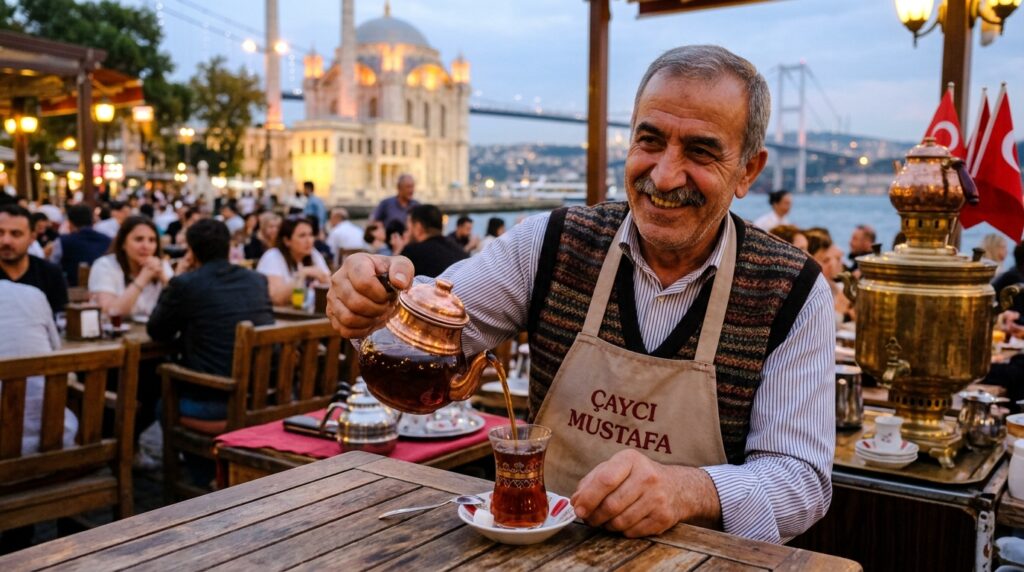
What truly makes Istanbul special isn’t just its magnificent monuments or delicious food—it’s its people. Turkish hospitality is legendary, and visitors often find themselves welcomed with open arms in ways that create lasting memories. Whether it’s a shopkeeper offering you çay (tea) as you browse, a local enthusiastically guiding you through a hidden alleyway to find the best baklava, or a stranger going out of their way to help you navigate the metro system, Istanbul’s warmth is as captivating as its sights.
This culture of hospitality, known as “misafirperverlik,” is deeply rooted in Turkish tradition. Guests are considered a gift from God, and treating them well is a matter of honor. You’ll experience this in countless ways: the extra portion of food a restaurant owner insists you try, the invitation to join a family’s picnic in a park, or the genuine interest locals show in your travels and culture.
Embrace this hospitality by accepting offers of tea, engaging in conversation (even with limited Turkish), and showing respect for local customs. Learn a few basic Turkish phrases—”teşekkürler” (thank you), “lütfen” (please), and “merhaba” (hello) go a long way. Be open to spontaneous invitations and unexpected detours—some of the best travel experiences come from saying yes to the unknown.
The warmth of Istanbul’s people transforms a visit from a simple sightseeing trip into a meaningful cultural exchange. It’s this human connection that makes travelers fall in love with the city and dream of returning again and again.
Practical Travel Tips for Your Istanbul Adventure
Best Time to Visit
Spring (April-May) and fall (September-October) offer the most pleasant weather with fewer crowds. Summers can be hot and crowded, while winters are mild but rainy.
Getting Around
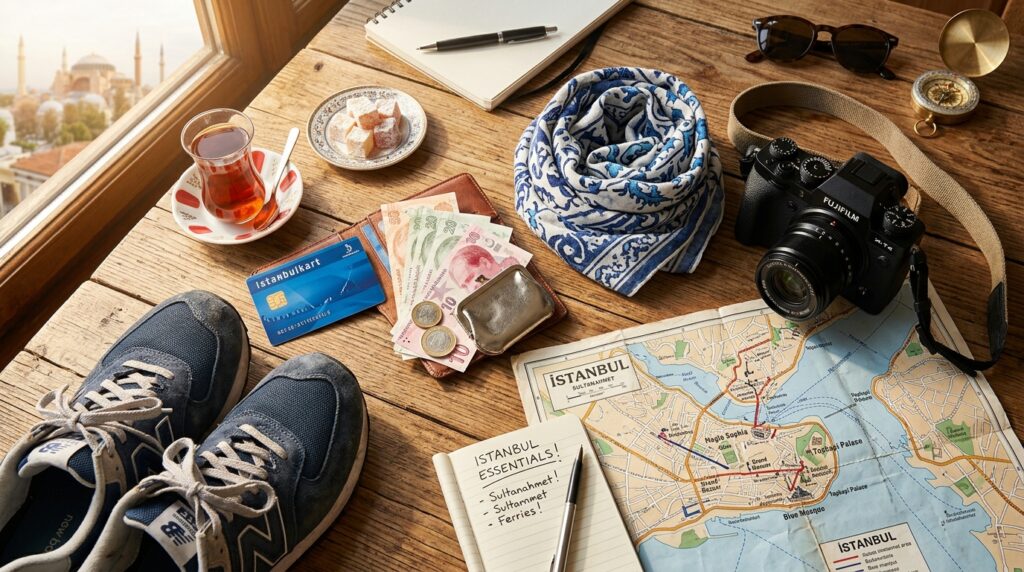
Purchase an Istanbulkart for public transportation. The metro, tram, and ferry systems are efficient and affordable. Taxis are plentiful but insist on using the meter.
Accommodation
Sultanahmet is ideal for first-time visitors wanting to be near major attractions. Beyoğlu/Galata offers trendy nightlife and dining. Kadıköy on the Asian side provides authentic local atmosphere.
Cultural Etiquette
Dress modestly when visiting mosques (shoulders and knees covered). Remove shoes when entering mosques and some homes. Tipping 10% is customary in restaurants.
Safety
Istanbul is generally safe for tourists, but watch for pickpockets in crowded areas. Use common sense as you would in any major city.
Conclusion: Your Istanbul Adventure Awaits
Istanbul is more than a destination—it’s an experience that engages every sense and leaves an indelible mark on your soul. From the awe-inspiring beauty of Hagia Sophia to the sensory overload of the Spice Bazaar, from serene Bosphorus cruises to the warmth of Turkish hospitality, this city offers treasures that reward curious travelers.
Whether you have three days or three weeks, Istanbul reveals new layers with each visit. It’s a city where history lives alongside modernity, where East and West dance together in perfect harmony, and where every corner holds the promise of discovery.
Start planning your Istanbul adventure today, and prepare to fall in love with one of the world’s most enchanting cities. The memories you create here will last a lifetime.