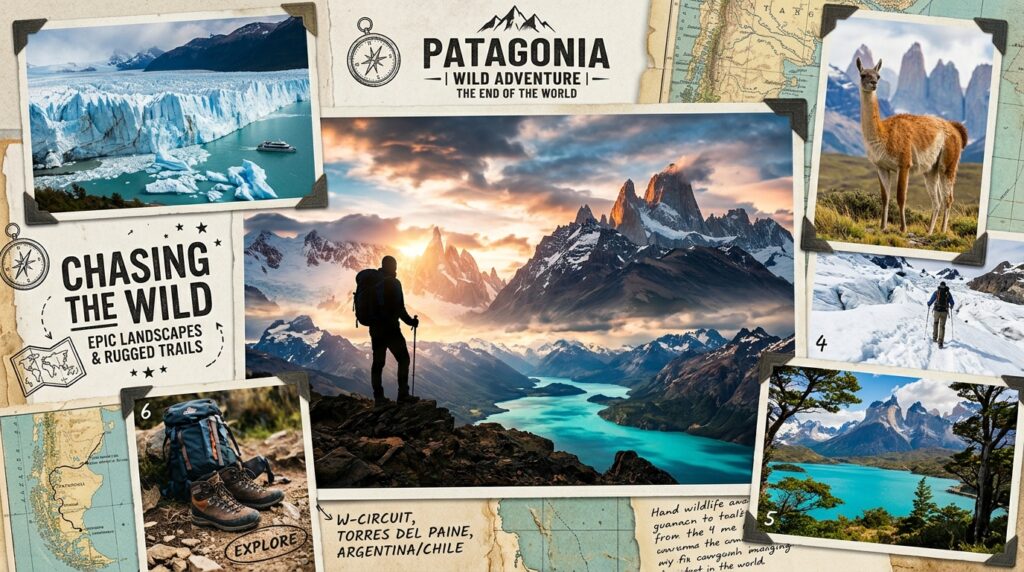
Patagonia stands as one of the planet’s final frontiers—a land where towering granite peaks pierce endless skies, ancient glaciers calve into turquoise lakes, and vast wilderness stretches beyond the horizon. This remote region at the southern tip of South America, shared between Argentina and Chile, has captured the imagination of adventurers, photographers, and nature lovers for generations. Whether you’re planning your first visit or dreaming of returning to this magical landscape, this comprehensive Patagonia travel guide will help you discover the ten most extraordinary experiences this region has to offer.
From world-class hiking trails to unique wildlife encounters, from breathtaking glaciers to rich cultural traditions, Patagonia delivers an adventure unlike any other. Let’s explore what makes this destination a true hiker’s paradise and outdoor enthusiast’s dream come true.
1. Trek the World’s Most Spectacular Hiking Trails
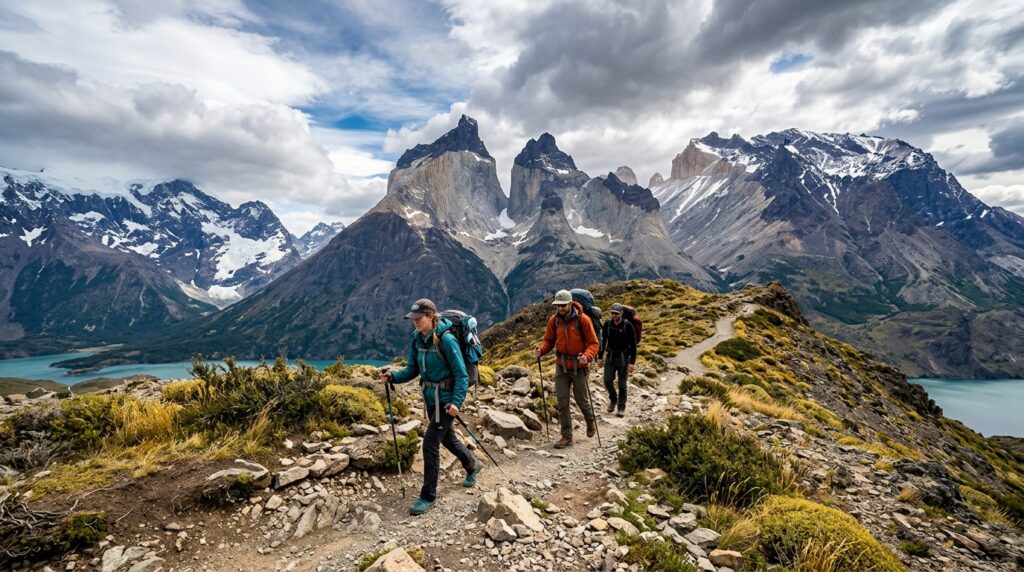
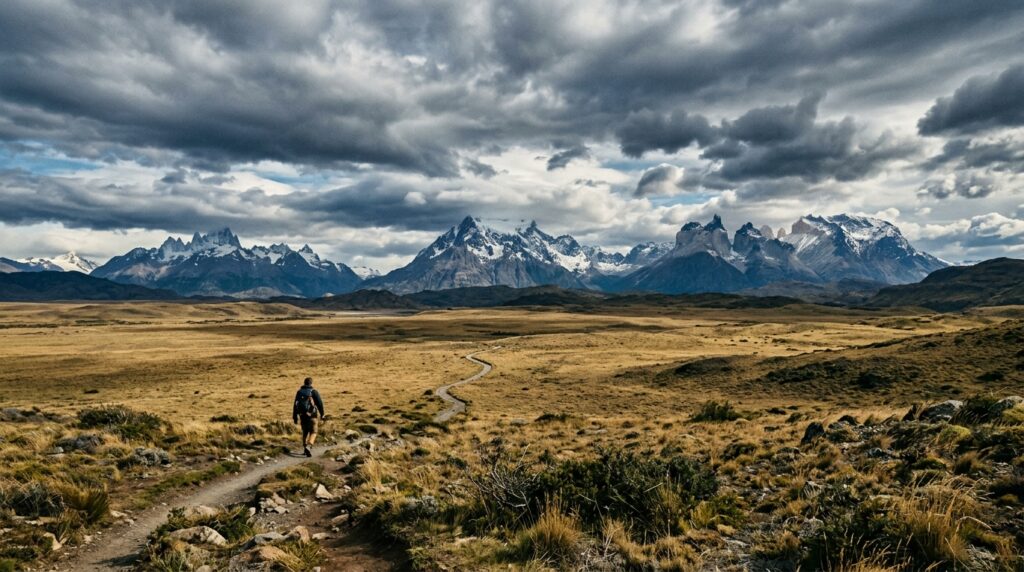
Patagonia has earned its reputation as a hiker’s paradise, boasting some of the most spectacular multi-day treks and day hikes on Earth. The legendary W Trek in Torres del Paine National Park remains the crown jewel of Patagonian hiking, taking adventurers through emerald valleys, past ancient glaciers, and up to the base of the iconic Torres towers where you can witness sunrise painting the granite peaks in fiery red and orange hues.
The circuit typically takes 4-5 days and covers approximately 80 kilometers, offering unparalleled views of the Paine Massif, Grey Glacier, and the French Valley. Along the way, you’ll navigate through diverse landscapes ranging from windswept pampas to dense lenga forests, with comfortable refugios providing shelter and meals for trekkers.
El Chaltén, Argentina’s trekking capital, offers equally breathtaking trails that are surprisingly accessible. The hike to Laguna de los Tres provides stunning views of Mount Fitz Roy and takes approximately 8-10 hours round trip, while the slightly easier Laguna Torre trail leads you to the foot of a glacier with views of the iconic Cerro Torre. Both trails can be completed as day hikes, making them perfect for travelers with limited time.
For those seeking a truly remote challenge, the Dientes de Navarino Trek on Isla Navarino represents the world’s southernmost multi-day hike. This demanding 5-6 day circuit leads adventurers through untouched landscapes of jagged peaks, windswept valleys, and sub-Antarctic forests, offering solitude and raw natural beauty that few other destinations can match.
2. Marvel at Towering Mountain Peaks
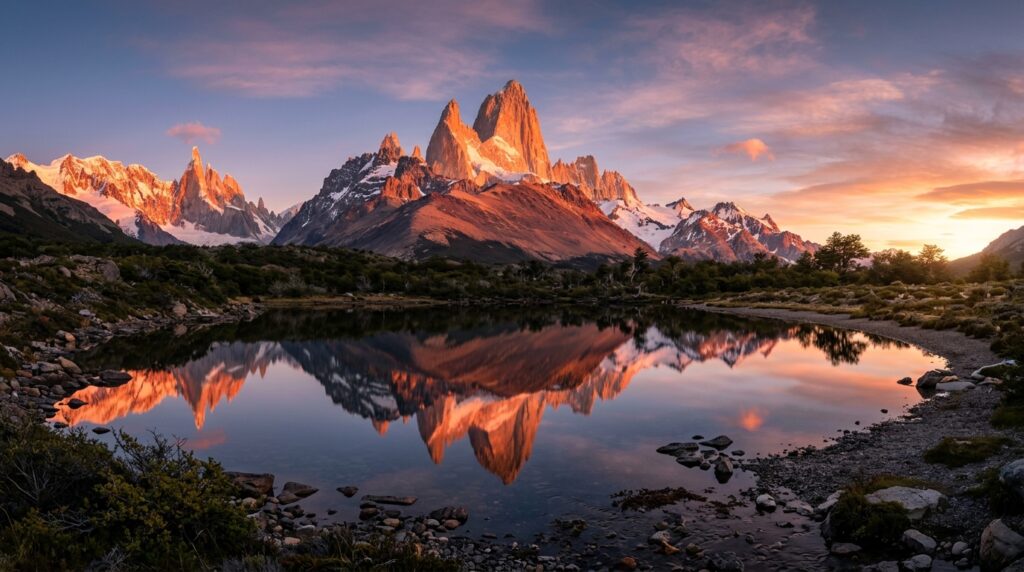
The mountains of Patagonia rank among the most iconic and challenging peaks on Earth, drawing climbers and mountaineers from around the globe. Mount Fitz Roy, with its jagged spire rising dramatically into the sky, has become so legendary that it inspired the logo of the famous Patagonia clothing brand. Standing at 3,405 meters, this granite monolith presents one of the world’s most challenging climbs, though simply viewing it from the valleys below provides an equally humbling experience.
The Torres del Paine—a trio of granite monoliths rising over 2,500 meters—create a surreal landscape that appears straight out of a fantasy movie. These towers, known as Torre Sur, Torre Central, and Torre Norte, dominate the northern section of Torres del Paine National Park and offer some of the most photographed sunrises on the planet.
For serious mountaineers, Cerro Torre remains one of the most infamous peaks in the climbing world. Shrouded in ice and clouds, this 3,128-meter spire presents extreme challenges with its rime ice formations and unpredictable weather. Even for those who don’t climb, simply standing beneath these giants of stone creates a profound sense of awe at nature’s grandeur and power.
3. Witness Breathtaking Glaciers
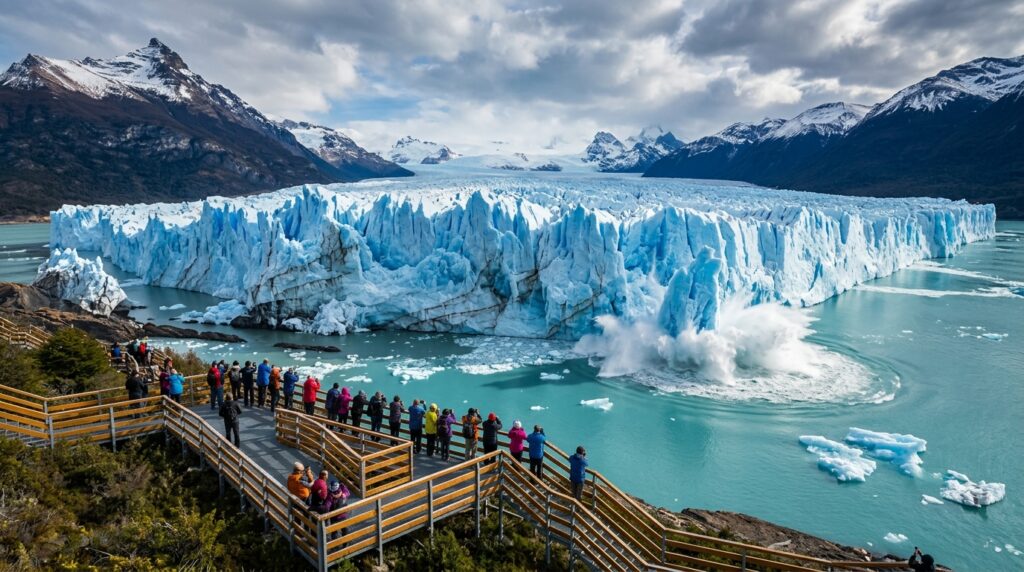
Patagonia is home to some of the most awe-inspiring glaciers in the world, each one a testament to the raw power and beauty of nature. The Perito Moreno Glacier stands as one of the few advancing glaciers left on Earth, creating an ever-changing wall of blue ice that stretches over 5 kilometers wide and rises 70 meters above the water.
Visitors can witness the spectacular phenomenon known as “white thunder” as massive chunks of ice crash into the turquoise waters below, creating thunderous sounds and enormous waves. The glacier offers multiple viewing platforms accessible via walkways, as well as boat tours that bring you face-to-face with this natural wonder. For the adventurous, ice trekking tours allow you to walk directly on the glacier’s surface, exploring mesmerizing blue tunnels and deep crevasses.
In Torres del Paine, Grey Glacier stretches across the park’s western section, its icebergs floating in the milky waters of Lago Grey. The glacier’s brilliant blue ice contrasts beautifully with the surrounding mountains, creating unforgettable photo opportunities. Kayaking among the icebergs provides an intimate perspective of this frozen landscape.
For a truly unique experience, ice trekking on Viedma Glacier in Argentina offers an up-close look at the intricate ice formations, hidden caves, and deep blue crevasses within this massive ice field. These glacier experiences remind visitors of the delicate beauty and power of these ancient ice formations.
4. Encounter Unique Patagonian Wildlife
Patagonia’s vast and remote landscapes provide habitat for an incredible array of wildlife, offering nature lovers exceptional opportunities to observe animals in their natural habitat. Guanacos, relatives of llamas, graze the grasslands in large herds across the Patagonian steppe, their elegant forms silhouetted against the mountain backdrop. These wild camelids are perfectly adapted to the harsh Patagonian climate and can be spotted throughout the region.
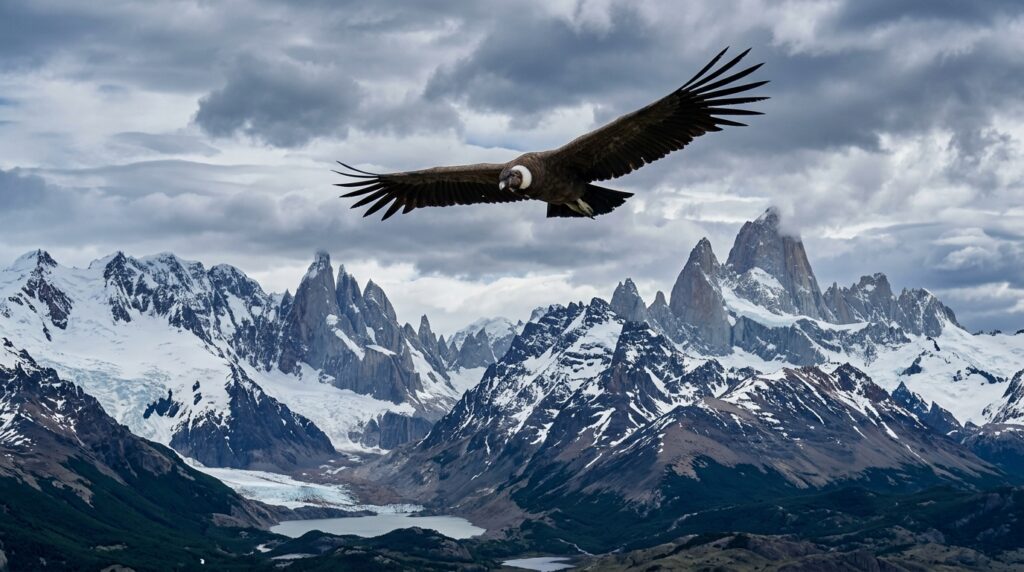
Soaring above the mountains, Andean condors—one of the world’s largest flying birds with wingspans reaching up to 3.3 meters—ride thermal currents with effortless grace. Watching these magnificent birds circle above the peaks is a humbling experience that connects you to the wild spirit of Patagonia.
The elusive puma, Patagonia’s apex predator, stealthily navigates the rugged terrain in search of prey. While sightings require patience and luck, Torres del Paine National Park has become one of the best places in South America to observe these magnificent cats in the wild, with specialized wildlife tours increasing your chances of an encounter.
Along the coastline, Magellanic penguins waddle along rocky shores in massive colonies, particularly at locations like Magdalena Island and Punta Tombo. Their comical movements and distinctive calls create unforgettable wildlife viewing experiences. In the waters off Puerto Madryn, you can witness the majestic southern right whale breaching just offshore between June and December, while orcas and dolphins frequently patrol these nutrient-rich waters.
For bird watchers and wildlife enthusiasts, Patagonia remains an unspoiled paradise where nature thrives undisturbed.
5. Explore the Most Stunning Lakes on Earth
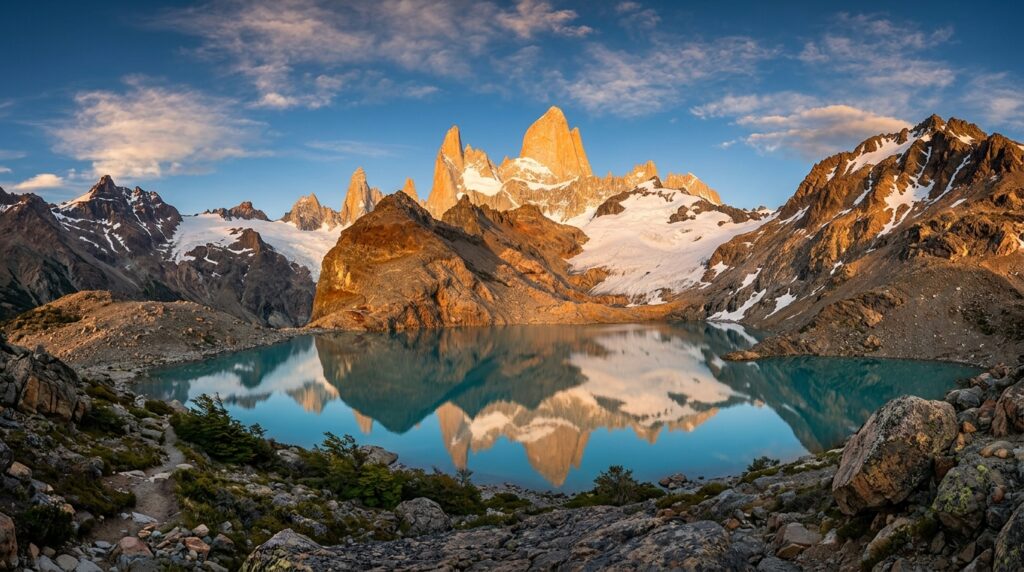
Patagonia’s lakes transcend imagination, with waters so vibrantly colored they appear almost unreal. Laguna de los Tres, nestled beneath Mount Fitz Roy, boasts a deep turquoise hue that contrasts sharply with the surrounding rocky peaks and glacier-fed streams. The lake’s milky blue color comes from glacial flour—fine rock particles suspended in the water—creating an otherworldly scene that has become one of Patagonia’s most iconic images.
Lake Pehoé, located in Torres del Paine, shimmers in mesmerizing shades of blue and green, reflecting the jagged mountains that rise behind it. The lake’s shores offer some of the park’s most photographed viewpoints, particularly from the Salto Grande waterfall area where turquoise waters cascade between contrasting rock formations.
On the Chilean side, General Carrera Lake is home to the spectacular Marble Caves (Capillas de Mármol), where time and water have sculpted the limestone into swirling, ethereal formations. The caves’ blue and white striated walls create a surreal cathedral-like atmosphere, best explored by kayak when the water is calm and sunlight penetrates the translucent waters.
Whether you’re hiking to a remote alpine lagoon or kayaking on a massive glacial lake, Patagonia’s waters offer a sight that stays etched in memory forever.
6. Experience Endless Adventure Activities
Beyond hiking, Patagonia serves as a playground for outdoor enthusiasts seeking adrenaline-pumping experiences. Kayaking through the Marble Caves on General Carrera Lake provides an unforgettable adventure where crystal-clear water reflects the swirling blue rock formations, creating an almost psychedelic experience. Paddling through these natural cathedrals offers intimate access to geological wonders formed over 6,000 years.
Ice trekking on Perito Moreno Glacier lets you walk across a landscape of giant ice ridges and deep blue crevasses, exploring a frozen world that feels like another planet. Guided tours provide crampons and safety equipment, allowing you to safely navigate this dynamic landscape while learning about glacial formation and climate.
For a more relaxed pace, horseback riding through the Patagonian pampas offers a scenic way to experience the region’s wild beauty while connecting with the traditional gaucho culture. These guided rides range from short afternoon excursions to multi-day adventures through remote valleys.
Fly fishing in Patagonia’s pristine rivers ranks as world-class, with anglers catching massive brown and rainbow trout in crystal-clear waters. The region’s rivers and lakes offer exceptional fishing from November through April, with experienced guides available to help you navigate these legendary waters.

7. Discover Remote and Untouched Wilderness
If you’re searching for true solitude, Patagonia offers an escape into one of the last great wildernesses on Earth. With vast open landscapes, towering mountains, and deep blue fjords, this region feels like another planet entirely. Many areas remain completely untouched and pristine, with no human settlements for miles in any direction.
The air here is crisp and pure, carrying the scent of wildflowers in summer and snow in winter. At night, the sky transforms into an endless display of stars unpolluted by city lights, offering some of the best stargazing opportunities in the Southern Hemisphere. The Milky Way stretches across the sky with breathtaking clarity, and on clear nights, you might even witness the Southern Lights (Aurora Australis) casting glowing ribbons of green and purple across the Patagonian sky.
Unlike other famous hiking destinations that can feel crowded, many Patagonian trails allow you to walk for hours without seeing another soul. This profound solitude creates space for reflection and a deep connection with nature that’s increasingly rare in our modern world.
8. Capture a Photographer’s Dream
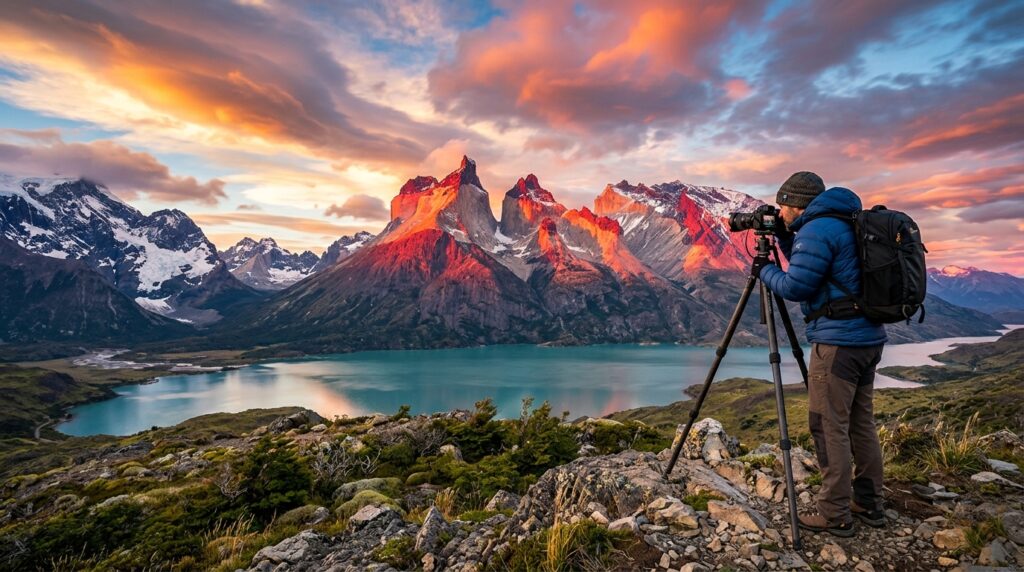
Patagonia represents a paradise for photographers, offering some of the most breathtaking landscapes in the world. The towering peaks of Torres del Paine glow in fiery orange hues at sunrise, creating one of the most photographed scenes on Earth. The interplay of light on granite, combined with ever-changing weather patterns, ensures that no two visits produce the same images.
The shimmering blue waters of Laguna de los Tres reflect the jagged spires of Mount Fitz Roy, forming postcard-perfect images that have graced countless magazines and calendars. The glacier-fed lakes throughout the region provide endless opportunities for capturing stunning reflections, particularly during the golden hours of sunrise and sunset.
The Perito Moreno Glacier provides a surreal backdrop as massive chunks of ice break off and crash into the water below, offering dynamic subjects for both still photography and videography. Winter visitors might witness the Aurora Australis, adding another spectacular phenomenon to photograph.
From dramatic storm clouds rolling over peaks to delicate wildflowers blooming in spring, from intimate wildlife portraits to sweeping landscape vistas, Patagonia challenges and rewards photographers at every skill level.
9. Immerse Yourself in Local Culture and Traditions
Patagonia isn’t just about stunning landscapes—it’s also rich in culture and traditions that add depth to any visit. The region maintains a deep connection to the indigenous Mapuche people who have lived here for centuries, and their influence remains visible in local crafts, cuisine, and place names throughout the region.
Visit small towns like El Chaltén and Puerto Natales, where you’ll find friendly locals, cozy mountain lodges, and rustic cafés serving mate, Argentina’s famous herbal tea. Sharing mate with locals provides an authentic cultural experience and an opportunity to practice Spanish while learning about Patagonian life.
Staying on a Patagonian estancia (ranch) allows you to experience life as a gaucho, the legendary South American cowboy. These working ranches offer hands-on experiences from tending livestock to learning traditional cooking techniques like asado (barbecue). Participating in daily ranch activities and sharing stories around the fire creates lasting memories and a deeper understanding of Patagonian heritage.
Immersing yourself in the gaucho lifestyle offers a journey back in time, connecting you to traditions that have shaped this rugged region for generations.

10. Embrace the Ultimate Adventure Destination
More than just a destination, Patagonia is an experience like no other—a land of raw beauty where glaciers meet mountains, rivers carve through deep valleys, and the sky stretches endlessly above. Every step taken in Patagonia brings a sense of wonder, whether you’re hiking through untouched landscapes, kayaking past icebergs, or standing beneath a waterfall in complete solitude.
The unpredictable weather, vast open spaces, and feeling of being at the edge of the world make Patagonia an adventure that stays with you forever. This is a place where nature still reigns supreme, where the air is crisp, the water is pure, and the mountains feel like they hold ancient secrets waiting to be discovered.
Planning Your Visit:
Best Time to Visit: The Patagonian summer (December to February) offers the warmest temperatures and longest days, ideal for hiking. Spring (October-November) and fall (March-April) provide fewer crowds and stunning colors, though weather becomes more unpredictable.
Getting There: Most travelers fly into Buenos Aires or Santiago, then connect to regional airports in El Calafate, El Chaltén, or Puerto Natales. Bus travel between destinations is reliable and scenic.
What to Pack: Layered clothing is essential—Patagonian weather can change dramatically in minutes. Bring waterproof gear, sturdy hiking boots, sunscreen, and a good camera.
Permits and Reservations: Book refugios and campsites in Torres del Paine well in advance, especially for the W Trek. Some areas require park entrance fees and permits.
Whether you’re a seasoned adventurer or first-time explorer, Patagonia promises an unforgettable journey into one of Earth’s last great wildernesses. Start planning your Patagonian adventure today, and prepare to be transformed by this extraordinary corner of our planet.