
Las Vegas, the City of Lights, glamour, and endless entertainment, stands as a dream destination for millions of tourists every year. With its iconic neon-lit Strip, world-class casinos, and spectacular shows, Sin City has mastered the art of fantasy and indulgence. But behind the dazzling facades, luxurious hotels, and vibrant nightlife lies a darker side that most visitors never see. From hidden dangers to shocking secrets, this city has stories that are rarely told.
What happens in Vegas doesn’t always stay in Vegas, and today we’re uncovering the truth that tourists don’t know. Get ready to see Sin City in a whole new light as we dive deep into the shadows of this iconic destination.
THE STARK CONTRAST: HOMELESSNESS IN THE SHADOWS OF LUXURY
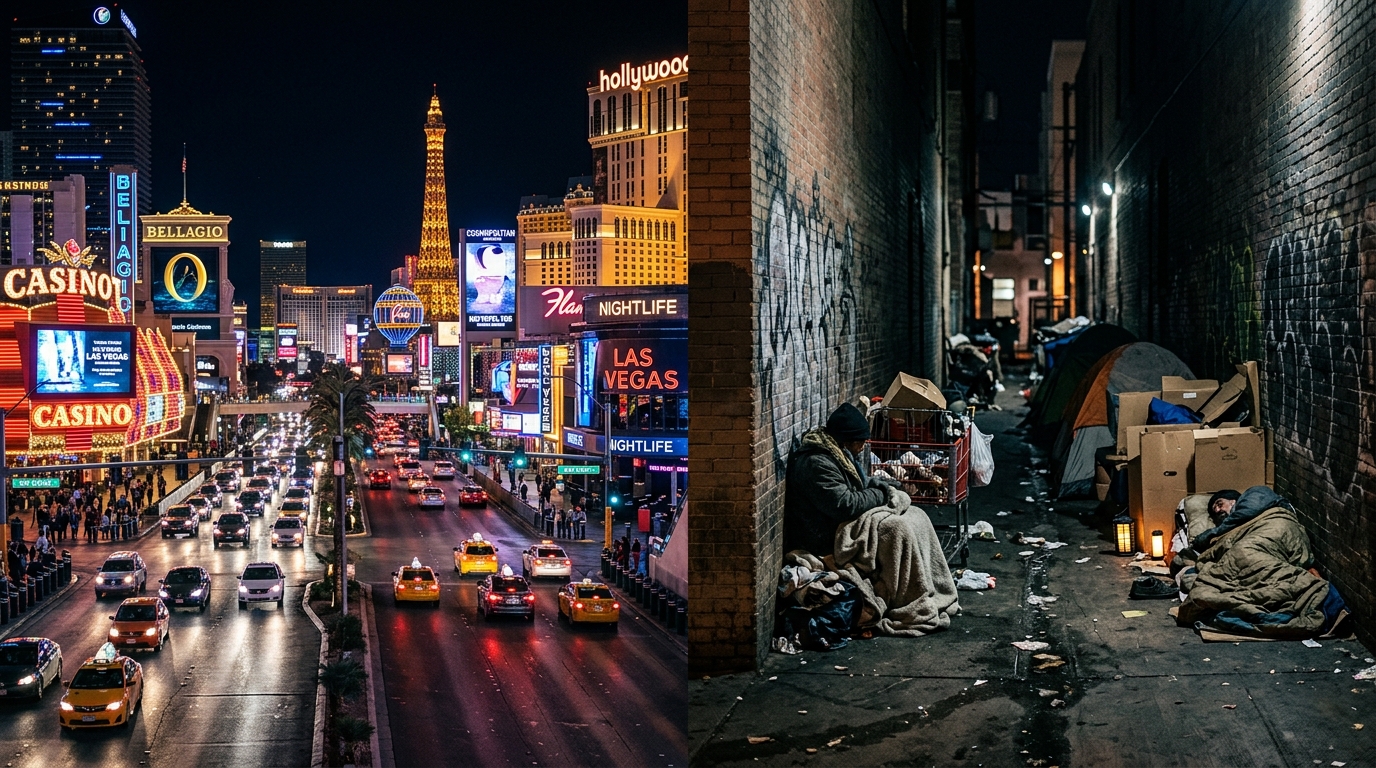
When you walk down the Las Vegas Strip, it’s easy to get lost in the bright lights and excitement. The towering casinos, dazzling shows, and endless entertainment options create a world of fantasy that seems removed from reality. But just a few blocks away from the glamorous resorts, the reality of Las Vegas changes dramatically.
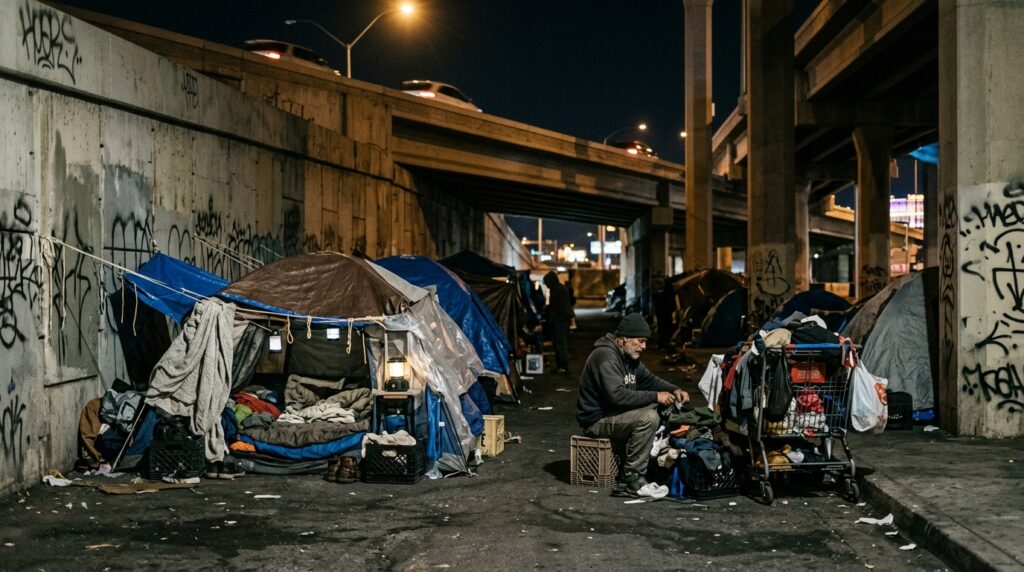
Homelessness is a growing crisis in Las Vegas, with thousands of people living on the streets, often ignored by the glitz and glamour that defines the city’s image. According to recent counts, over 6,000 individuals experience homelessness in Clark County on any given night. Many of these individuals are victims of the city’s high cost of living and severe lack of affordable housing, struggling to find shelter in a city that thrives on excess.
The area known as “The Tunnel” beneath the Las Vegas Strip has become infamous as one of the largest homeless encampments in the United States. These flood channels, designed to protect the city from desert rains, have become home to hundreds of people living in desperate conditions. While tourists enjoy the luxury of five-star hotels and Michelin-starred restaurants just above ground, the contrast between wealth and poverty is stark and unsettling.
Where to See the Reality: If you want to understand this issue, visit the Las Vegas Rescue Mission on South Las Vegas Boulevard or the Shannon West Homeless Youth Center. These organizations work tirelessly to help those in need, and volunteering here offers a sobering perspective on the city’s hidden crisis.
THE HUMAN COST: STRUGGLES OF HOSPITALITY WORKERS
Behind every smiling dealer, waiter, and performer is a story of long hours, low wages, and constant pressure that tourists rarely consider. Las Vegas employs over 400,000 people in the hospitality and tourism sector, and many of these workers struggle to make ends meet in one of America’s most expensive rental markets.
The typical casino dealer works 8-12 hour shifts on their feet, dealing with difficult customers, maintaining perfect etiquette, and managing the stress of handling large sums of money. Despite the skill required, many entry-level positions pay just above minimum wage, with workers relying heavily on tips to survive. In a city where the cost of living has increased by over 30% in the past decade, this creates significant financial pressure.
The constant exposure to gambling and alcohol also leads to addiction and mental health issues among workers, creating a cycle of hardship that often goes unnoticed. The 24/7 nature of the city means irregular sleep schedules, missed family events, and chronic stress. Many hospitality workers live in suburbs like North Las Vegas or Henderson, facing long commutes on the RTC bus system or I-15 freeway, adding hours to their workday.
Cultural Insight: Visit the Culinary Union Local 226 to understand the ongoing efforts to improve worker conditions. This powerful union represents 60,000 hospitality workers and has been instrumental in fighting for better wages and healthcare.

THE ADDICTION EPIDEMIC: WHEN GAMBLING TURNS DEADLY
Las Vegas is known as the gambling capital of the world, but what many don’t realize is how deeply addiction affects the city. Problem gambling is a serious issue, with countless lives ruined by the lure of easy money and the thrill of the game. The National Council on Problem Gambling estimates that Nevada has one of the highest rates of gambling addiction in the United States.
The casinos are meticulously designed to keep you playing. You’ll notice there are no clocks or windows to remind you of the time, creating an environment where it’s easy to lose track of reality. The maze-like floor plans, free alcohol service, and constant sensory stimulation all work together to encourage extended play. The sounds of slot machines, the flashing lights, and the occasional payout create a dopamine-driven feedback loop that can be impossible to escape for vulnerable individuals.
For some, a weekend of fun turns into a lifetime of debt and despair. As the city thrives on the losses of its visitors, the consequences can be devastating, leaving families broken and individuals struggling to rebuild their lives. The Gamblers Anonymous meetings held throughout the city serve thousands of residents weekly, a testament to the scale of the problem.
Warning Signs to Watch: If you’re visiting Las Vegas, set strict budgets before you arrive. Never chase losses, and remember that the house always has a mathematical edge. Visit entertainment venues like The High Roller observation wheel or Red Rock Canyon for non-gambling activities.

MOB LEGACY: ORGANIZED CRIME’S ENDURING INFLUENCE
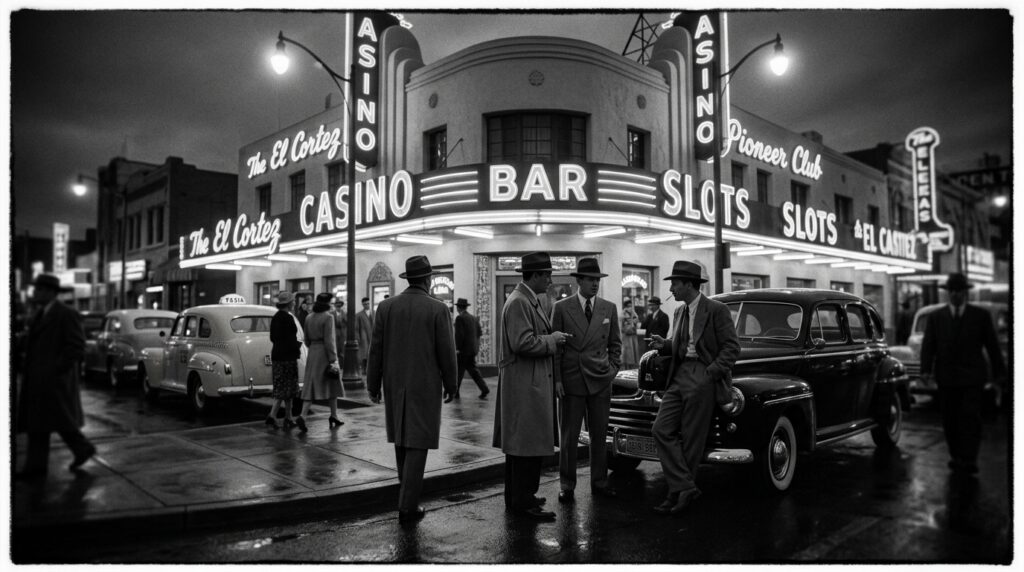
Beyond the casinos, Las Vegas has a darker history tied to organized crime that continues to fascinate visitors. In the early days, from the 1940s through the 1970s, the city was controlled by the mob. Legendary figures like Bugsy Siegel, who built the Flamingo Hotel, and the Chicago Outfit poured illegal money into developing the Strip. While that era is officially over, its influence can still be felt throughout the city.
Many of the iconic casinos and hotels were built with money from illegal activities, and the city’s reputation as a haven for criminals persists even today. The Mob Museum in downtown Las Vegas, housed in the historic former courthouse where the 1950 Kefauver Committee hearings took place, offers an eye-opening look at this fascinating and violent history.
Las Vegas continues to attract its share of shady characters, from con artists to scam artists preying on unsuspecting tourists. The remnants of this mob influence are evident in the architecture and in stories of old establishments, which often glamorize the criminal past. Tours of the Neon Museum and historic properties like Binion’s Gambling Hall reveal layers of this complex history.
Must-Visit Historical Sites:
- The Mob Museum (300 Stewart Avenue) – Interactive exhibits on organized crime
- Neon Museum (770 Las Vegas Boulevard North) – See restored vintage signs
- Golden Gate Hotel (1 Fremont Street) – The oldest continuously operating hotel in Vegas
ENVIRONMENTAL CRISIS: THE UNSUSTAINABLE OASIS
The environmental impact of Las Vegas represents another hidden cost that tourists rarely consider. The city is located in the middle of the Mojave Desert, one of the hottest and driest regions in North America, yet it consumes vast amounts of water to maintain its lush landscapes, golf courses, and elaborate fountains. This puts enormous strain on local resources and contributes to long-term environmental damage.
Las Vegas gets approximately 90% of its water from Lake Mead and the Colorado River, resources that are critically endangered due to climate change and overuse. The ongoing megadrought in the Western United States has caused Lake Mead’s water levels to drop to historic lows, triggering water use restrictions. Despite this, the city continues to feature water-intensive attractions like the Bellagio Fountains, which use 22 million gallons of water, and numerous golf courses that require constant irrigation.
The bright lights and constant energy use also make Las Vegas one of the most wasteful cities in the world. The Strip’s massive LED displays, air-conditioned mega-resorts, and 24-hour operations create an enormous carbon footprint. While tourists enjoy the spectacle, the environmental consequences are often overlooked.
Positive Developments: The city has made strides in sustainability. Las Vegas leads the nation in water recycling, reclaiming nearly 100% of indoor water use. The Southern Nevada Water Authority has implemented aggressive conservation programs, and many resorts now feature solar installations. The MGM Grand has one of the largest solar arrays in the state.
CRIME AND SAFETY: THE REALITY BEYOND THE STRIP
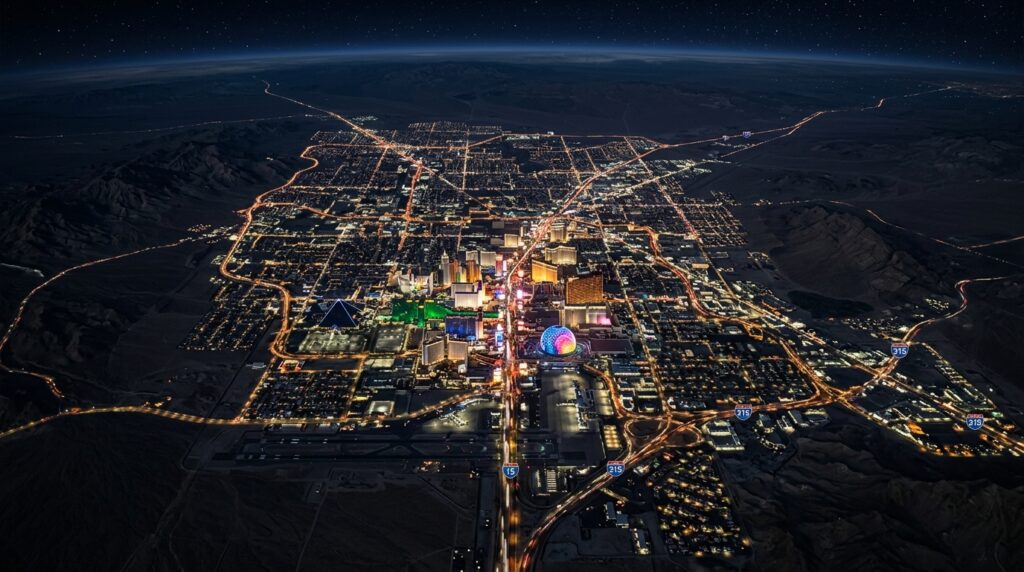
Crime is another issue that tourists rarely see but is a daily reality for many residents. While the Strip is heavily policed and relatively safe, other parts of the city have high rates of theft, violence, and drug-related crimes. Las Vegas consistently ranks above the national average for property crime, though violent crime rates have fluctuated in recent years.
Tourists are often targeted by pickpockets and scammers, especially in crowded areas like the Fremont Street Experience, casino floors, and busy sidewalks along the Strip. Common scams include fake ticket sellers, overpriced timeshare presentations marketed as “free gifts,” and distraction thefts. The city’s reputation for excess and indulgence makes it a magnet for criminal activity, and visitors need to be cautious.
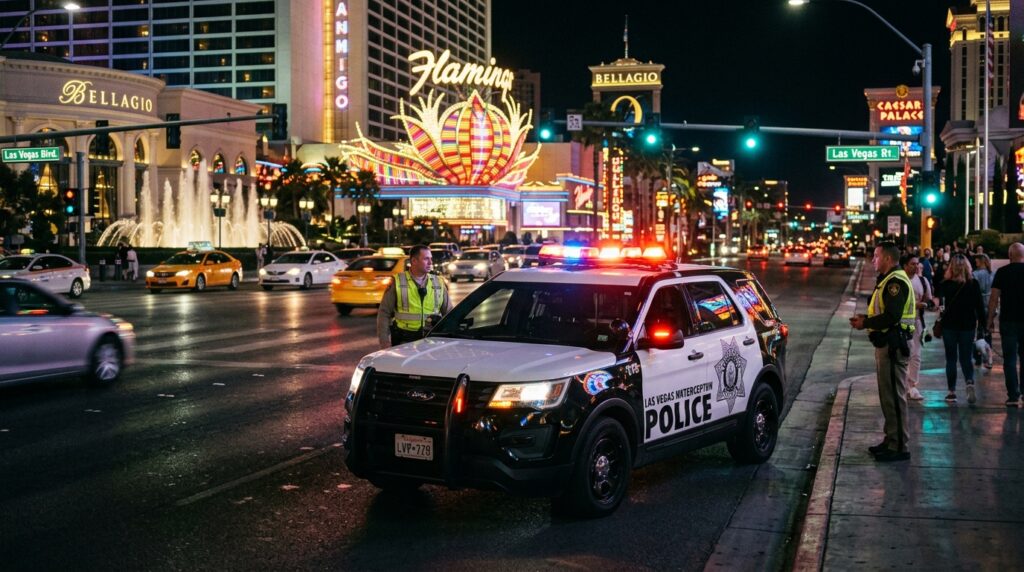
Local law enforcement works tirelessly to combat these issues, but the transient nature of the population and the constant influx of tourists make it a challenging task. The Las Vegas Metropolitan Police Department maintains a visible presence on the Strip, but residents in areas like East Las Vegas and parts of North Las Vegas often face the brunt of these problems, dealing with property crimes and safety concerns that are far removed from the glitz and glamour of the tourist experience.
Safety Tips for Visitors:
- Stay in well-lit, populated areas, especially at night
- Use hotel safes for valuables and passports
- Be skeptical of “too good to be true” offers
- Keep drinks in sight at all times
- Use rideshare services or taxis rather than walking alone late at night
- Stay aware of your surroundings on the Monorail and public transit
THE ENTERTAINMENT INDUSTRY’S HIDDEN TOLL
The entertainment industry in Las Vegas is world-famous, drawing millions to spectacular shows featuring everything from magic to acrobatics. But this industry also has a dark side that audiences rarely see. Many performers, especially in physically demanding shows like Cirque du Soleil productions at MGM Grand, Bellagio, or The Venetian, face intense physical and mental demands that can be devastating.
Injuries are common among acrobats, dancers, and aerialists who perform the same dangerous stunts night after night. The pressure to maintain perfection can be overwhelming, with performers often working through pain to avoid losing their positions. Behind the dazzling performances are stories of sacrifice and struggle that most audiences never see. Chronic injuries, substance abuse to manage pain, and mental health issues plague many in the industry.
The glitz and glamour come at a cost, and not everyone can handle the pressure. Performers often work on short-term contracts with limited job security, and the competitive nature of the industry means constant pressure to outdo previous performances. The Smith Center for the Performing Arts and various production companies have begun implementing better health and safety protocols, but the fundamental demands of the industry remain intense.
Cultural Experience: Attend a show at Cirque du Soleil’s “O” at Bellagio or “Mystère” at Treasure Island to appreciate the incredible talent, but remember the human effort behind every performance.

BROKEN DREAMS: THE ILLUSION OF EASY SUCCESS
Las Vegas is also a city of broken dreams. Every year, countless people come here hoping to strike it rich, become famous performers, or make a fresh start. The city’s mythology promises reinvention and unlimited opportunity, but the reality is often harsh and unforgiving.
The city’s economy is heavily reliant on tourism and gambling, making it extremely vulnerable to economic downturns. When times are tough, as seen during the 2008 financial crisis and the 2020 COVID-19 pandemic, jobs disappear rapidly, and many people are left struggling. The hospitality sector’s cyclical nature means periods of boom and bust that can devastate workers who have few transferable skills.
The promise of a better life in Las Vegas is often just an illusion. High competition for entertainment jobs, low wages in service positions, and the high cost of living create a trap that’s difficult to escape. Many aspiring actors, musicians, and performers end up working multiple service jobs just to survive, their dreams slowly fading as years pass.
Realistic Perspective: If you’re considering moving to Las Vegas, research thoroughly. Visit during different seasons, understand the job market, and have substantial savings. The city can be wonderful for visitors, but building a life here requires careful planning and realistic expectations.
NIGHTLIFE DANGERS: WHEN PARTYING GOES WRONG
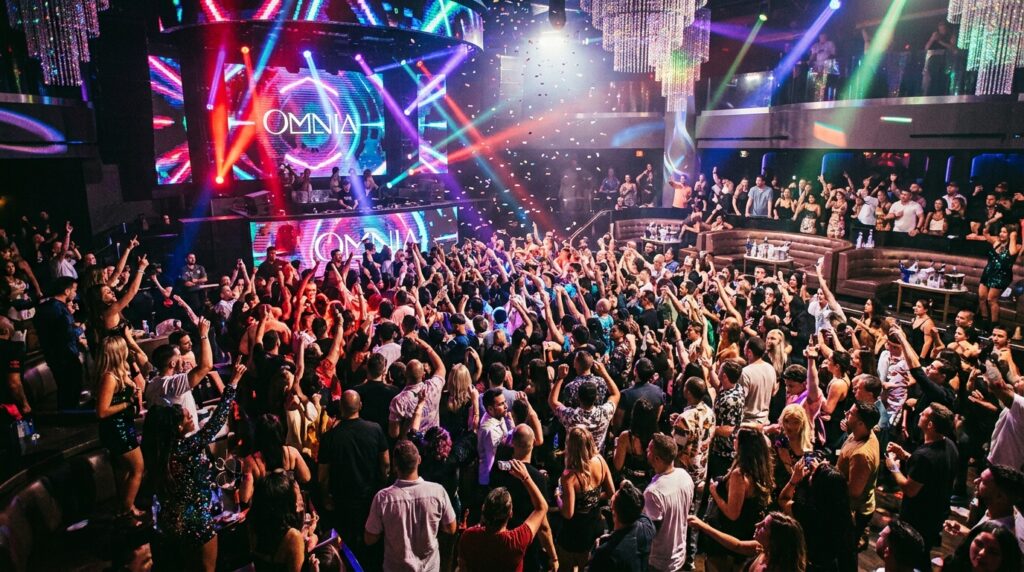
The city’s nightlife is legendary, with world-class clubs, bars, and 24-hour entertainment options. But this vibrant scene also has a dangerous side that tourists should understand. Excessive drinking, drug use, and risky behavior are common in Las Vegas, leading to accidents, injuries, and even deaths.
The party atmosphere can make it easy to lose control, and many tourists find themselves in situations they never expected. What starts as a night of fun can quickly turn into a nightmare. The combination of free-flowing alcohol, readily available drugs, extreme heat, and sleep deprivation creates a perfect storm for dangerous situations. Dehydration is a serious concern, especially for visitors not acclimated to the desert climate who spend hours club-hopping.
Emergency rooms in Las Vegas see predictable spikes on weekends, treating everything from alcohol poisoning to heat exhaustion to injuries from altercations. The University Medical Center and Sunrise Hospital trauma centers handle countless preventable cases every year.
Harm Reduction Tips:
- Alternate alcoholic drinks with water
- Never leave drinks unattended
- Stay with your group and establish meeting points
- Know your limits and stick to them
- Use sunscreen and stay hydrated during daytime activities
- Get adequate sleep between nights out
- Keep emergency contacts saved in your phone
PRACTICAL TRAVEL INFORMATION
Best Time to Visit
Weather Advice: Las Vegas experiences extreme desert temperatures. Spring (March-May) and fall (September-November) offer the most comfortable weather, with daytime temperatures between 70-85°F. Summer temperatures regularly exceed 100°F, making outdoor activities dangerous without proper precautions. Winter is mild but can be surprisingly cold at night.
Transportation Tips
- Getting Around: The RTC bus system covers most of the city but can be slow. The Las Vegas Monorail runs along the east side of the Strip. Rideshare services (Uber/Lyft) are readily available. Walking the entire Strip takes 3-4 hours one way.
- From the Airport: Harry Reid International Airport is just 5 minutes from the Strip. Taxis, rideshares, and shuttles are all available.
- Parking: Most casinos charge $15-25/day for parking. Factor this into your budget.
Food Recommendations
Beyond the buffets, explore:
- Chinatown (Spring Mountain Road) for authentic Asian cuisine
- The Arts District for trendy cafes and restaurants
- Food trucks on various corners for quick, affordable meals
- Happy hours offer significant discounts at many establishments
Cultural Highlights
- The Mob Museum – Organized crime history
- Neon Museum – Vintage Las Vegas signs
- Red Rock Canyon – Natural beauty 30 minutes from Strip
- Valley of Fire State Park – Stunning red rock formations
- Fremont Street Experience – Historic downtown Vegas
Budget Considerations
- Accommodation: Strip hotels range from $30/night (budget) to $500+/night (luxury). Resort fees add $35-50/night.
- Entertainment: Shows cost $50-200+ per person. Many casinos offer free attractions.
- Food: Budget $15-20 for casual meals, $50+ for fine dining.
- Gambling: Set a strict budget and stick to it. Never gamble with money you can’t afford to lose.
CONCLUSION: EMBRACING COMPLEXITY
For all its flaws, Las Vegas remains a fascinating and unique city. It’s a place where dreams and nightmares coexist, where the line between fantasy and reality is often blurred. While tourists come for the excitement, many leave with a deeper understanding of the city’s complexities. Las Vegas is more than just a playground—it’s a reflection of human nature, with all its strengths and weaknesses.
As we wrap up this journey into the dark side of Las Vegas, it’s important to remember that every city has its secrets. What makes Vegas unique is the way it embraces both the light and the shadows. The city doesn’t hide its contradictions; it celebrates them. From the opulent casinos to the struggling neighborhoods, from the spectacular shows to the exhausted performers, Las Vegas presents the full spectrum of human experience.
Whether you’re planning a trip or just curious about the city, we hope this exploration has given you a new perspective. Visit with open eyes, respect the workers who make the magic happen, gamble responsibly if you choose to play, and appreciate both the brilliance and the shadows that make Las Vegas unlike anywhere else on Earth.
Final Travel Wisdom: Las Vegas rewards the informed traveler. Understand the city’s complexities, respect its challenges, and you’ll have a richer, more meaningful experience. The city’s dark side doesn’t diminish its appeal—it adds depth to the glittering facade, creating a destination that’s endlessly fascinating and impossible to fully know.