Luxury travel promises five-star hotels, private jets, and exclusive experiences that seem straight out of a dream. We scroll through Instagram feeds showcasing infinity pools overlooking pristine beaches, champagne service on private yachts, and suites larger than most apartments. But behind the glamour lies a hidden reality that most travelers never see until they’ve already spent thousands of dollars.
From overpriced services and fake exclusivity to environmental destruction and worker exploitation, the luxury travel industry has a darker side that deserves serious attention. Before you book that high-end vacation, it’s essential to understand what really happens behind closed doors.
The Luxury Hotel Illusion: When Premium Prices Don’t Match Premium Experiences
Luxury hotels charge premium rates promising top-tier service, but that doesn’t always mean guests get what they pay for. Many high-end hotels rely more on their brand name than delivering truly exceptional experiences. Some five-star resorts prioritize marketing over actual quality, leaving guests with outdated rooms, inattentive staff, and overcrowded facilities that feel anything but exclusive.
The Hidden Fee Nightmare
The biggest issue plaguing luxury accommodations? Hidden fees that can inflate your bill by 30-40% beyond the advertised rate. Many luxury hotels advertise one rate but pile on resort fees, service charges, and additional costs that weren’t mentioned during booking.
Basic amenities like Wi-Fi, pool access, or gym facilities may not be included, forcing guests to pay extra for services that should be standard. Some hotels even charge for early check-in or late checkout, taking advantage of guests’ travel schedules and flight times.
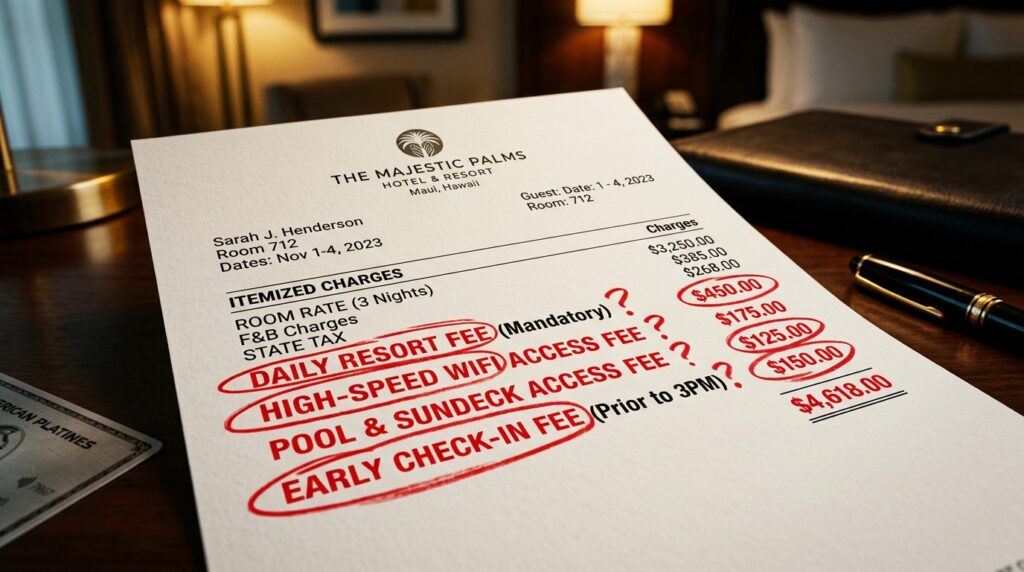
At properties in destinations like Dubai, the Caribbean, and Southeast Asia, daily resort fees can range from $35 to $75 per night, adding hundreds of dollars to a week-long stay. These fees often cover amenities that guests don’t even use, making them essentially mandatory taxes disguised as optional services.
The Upselling Pressure Cooker
Luxury hotels also prioritize aggressive upselling strategies. Upon arrival, guests are often encouraged to upgrade to a better suite, book overpriced spa treatments, or dine at on-site restaurants with inflated prices. The goal is simple: get travelers to spend far more than they originally planned.
Front desk staff at many luxury properties work on commission for upgrades, creating pressure situations where tired travelers feel obligated to say yes. Spa menus feature treatments priced at $300-$500 for services that cost a fraction of that at local establishments. Hotel restaurants mark up wine by 300-400%, knowing that guests seeking convenience won’t venture out.
Fake Exclusivity: The Mass Tourism Disguise
Many luxury experiences market themselves as exclusive, but in reality, they’re designed for mass tourism. Private tours advertised as one-on-one often turn out to be small group tours with a higher price tag. VIP airport services sometimes charge hundreds of dollars for minor conveniences like priority boarding or access to a standard lounge that’s barely different from the general waiting area.

Luxury resorts that promise privacy and seclusion are often overcrowded with travelers packed into high-end properties that feel no different from typical tourist hotspots. Even luxury safari lodges, often priced at thousands per night, can have multiple tour groups visiting the same private wildlife reserve simultaneously, destroying the intimate experience you paid premium prices for.
In destinations like the Maldives and Bora Bora, overwater bungalows marketed as private retreats sit mere feet apart, with guests able to hear conversations from neighboring villas. The “exclusive beach access” often means sharing sand with dozens of other resort guests, all paying top dollar for the same supposedly private experience.
The Hidden Cost Avalanche
Luxury travel is filled with hidden costs that can double or triple your expected budget. High-end resorts and hotels charge for everything from bottled water to basic conveniences. Even something as simple as a sun lounger at the beach may come with a rental fee in some destinations.
Room service represents another expensive trap. Some hotels charge double or triple the price of a regular meal at a local restaurant. A simple breakfast that costs $15 at a neighborhood café might be $65 through room service, with additional delivery fees and service charges on top.
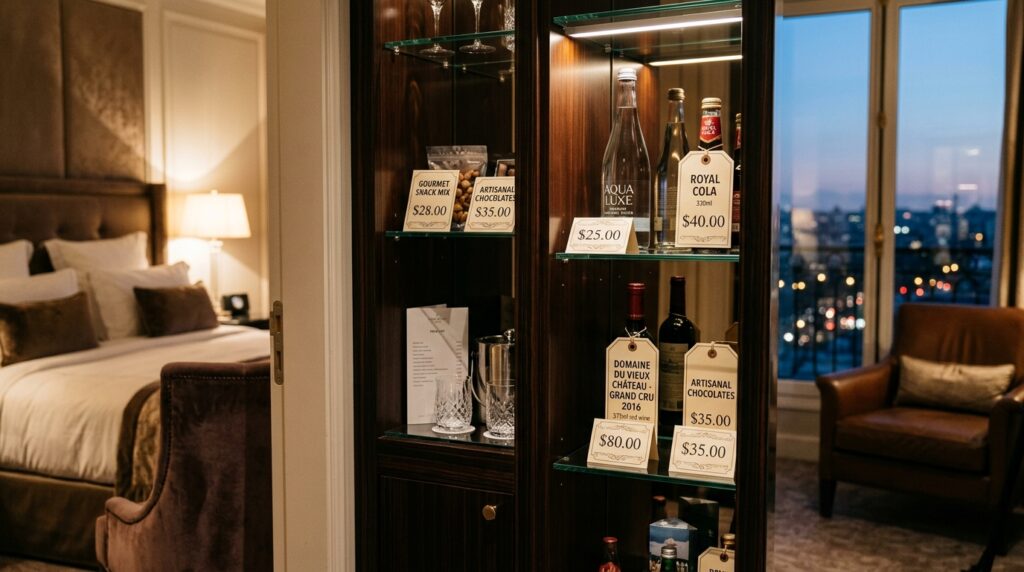
Minibars advertised as a convenient luxury often feature drinks and snacks priced outrageously high. We’ve seen $20 for a small bag of chips, $35 for a chocolate bar, and $50 for a bottle of water that costs $2 at a local store. Even airport transfers arranged by luxury hotels can cost significantly more than local taxi services or rideshare apps—sometimes 5-10 times the actual cost.
Some luxury travel agents take advantage of their wealthy clientele by pushing expensive packages that aren’t worth the cost. Private drivers, yacht charters, and helicopter tours often come with massive markups, with agents earning large commissions for selling these overpriced services.
Environmental Destruction: The True Cost of Paradise
Luxury resorts and travel experiences often have a massive environmental impact that contradicts their image of pristine natural beauty. Many high-end resorts are built in fragile ecosystems, causing deforestation, water depletion, and harm to local wildlife.
Overwater bungalows, popular in destinations like the Maldives and Bora Bora, are built directly on coral reefs, disrupting marine life and contributing to reef degradation. The construction process alone destroys delicate ecosystems that took centuries to form.

High-end golf resorts in desert locations like Dubai, Palm Springs, and parts of Spain require enormous amounts of water to maintain emerald-green fairways, leading to long-term damage to local water supplies in already water-scarce regions. A single golf course can use as much water as 1,000 local households.
Private jets, a staple of ultra-luxury travel, have some of the worst carbon footprints of any form of transportation. A single private jet flight emits more carbon dioxide per passenger than an entire year of commercial flights for an average traveler. Similarly, large cruise ships used for luxury voyages release pollutants into the ocean, harming marine ecosystems and contributing to ocean acidification.
Even luxury safaris and eco-resorts marketed as sustainable can contribute to environmental harm. Many disrupt natural habitats, with some wildlife reserves prioritizing tourism profits over conservation efforts. Vehicle traffic stresses animals, alters their behavior, and damages vegetation.
Exploited Labor: The Human Cost Behind the Glamour
Luxury travel relies heavily on cheap labor, especially in developing countries. Many high-end resorts employ workers who are underpaid and overworked, creating a stark contrast between guest luxury and staff hardship.
In some cases, resort staff are required to work long hours with little time off, often living in basic, crowded housing away from the glamorous guest areas. Housekeeping staff at luxury hotels often clean dozens of rooms per day under strict time limits, sometimes as little as 20-30 minutes per room, despite the high standards expected.

Many resorts discourage tipping or take a percentage of workers’ tips, further reducing their earnings. Spa therapists, waiters, and concierge staff at five-star properties may earn significantly less than guests assume, with much of their wages going to the hotel rather than directly to them. In some Caribbean and Southeast Asian destinations, luxury resort workers earn as little as $3-5 per day despite generating thousands in revenue per guest.
Some luxury travel experiences, such as yacht charters or private villas, rely on staff who are on call 24/7. Many of these workers earn very little compared to the amount guests are paying for the experience. Yacht crew members might work 14-hour days for weeks at a time, earning minimal wages while guests pay $10,000+ per week for the charter.
Scams and Overpriced Experiences: When Luxury Becomes a Rip-Off
Luxury travel is filled with overpriced services and, in some cases, outright scams. Many high-end boutiques in tourist-heavy cities like Paris, Dubai, and Venice overcharge visitors, assuming they won’t question inflated prices. The same luxury handbag might cost 30-40% more in a tourist district compared to a local neighborhood.
Some luxury travel agencies sell “exclusive experiences” that can be booked independently for a fraction of the price. A “private cooking class with a local chef” marketed at $300 per person might be available directly through the chef for $75. The agency simply adds a massive markup for making an introduction.

Luxury airport lounges, often marketed as exclusive, may not offer much beyond basic refreshments and a slightly more comfortable seat. Some VIP travel services provide little value, charging hundreds for simple conveniences like a fast-track security line or early boarding privileges that frequent flyers receive for free.
Even high-end restaurants and bars in luxury destinations often overcharge for basic drinks and meals, knowing that wealthy travelers won’t hesitate to spend. In some cases, menus have different pricing for locals versus tourists, ensuring visitors pay significantly more. This dual pricing system is common in parts of Asia, Africa, and even some European destinations.
Cultural Disconnection: The Bubble That Isolates You
One of the biggest downsides of luxury travel is the lack of authentic cultural experiences. Many high-end resorts are designed to keep guests inside their property, offering all-inclusive packages that provide comfort and convenience but discourage interaction with the local community.
Travelers who stay in these resorts often experience a sanitized version of the destination, missing out on the rich history, traditions, and everyday life of the people who live there. You might visit Bali but never venture beyond the resort walls to experience actual Balinese culture, temples, or local warungs.

Luxury cruises and guided tours also contribute to this problem, offering a superficial glimpse of a destination with minimal time to explore beyond heavily touristic areas. Instead of immersing themselves in the local culture, travelers are shuffled between pre-arranged attractions designed to cater to their expectations rather than showcasing true authenticity.
Even high-end restaurants in luxury destinations cater more to international palates than local flavors. Instead of tasting traditional dishes prepared by local chefs, visitors are often served a westernized version designed to fit a five-star setting. You might order “Thai cuisine” at a luxury resort but receive a watered-down version that bears little resemblance to what locals actually eat.
How to Travel Luxury Responsibly: Smart Strategies for Conscious Travelers
The reality of luxury travel isn’t always what it seems. Behind the five-star service and beautiful settings, there are hidden fees, environmental destruction, and an industry built on marketing illusions. However, this doesn’t mean you can’t enjoy luxurious experiences—it just means you need to be smarter about how you approach them.

Paying more doesn’t always mean getting a better experience. It often just means spending more for things that could be enjoyed at a lower cost. For those who genuinely want a luxurious trip, it’s essential to do thorough research before booking.
Look for Transparent Pricing
Seek out hotels and resorts with transparent pricing that includes all fees upfront. Boutique hotels and smaller properties often provide better value and more honest pricing than large luxury chains. Read reviews carefully, specifically looking for mentions of hidden fees or unexpected charges.
Support Ethical Travel Companies
Choose companies that treat workers fairly and have clear sustainability policies. Look for certifications like Fair Trade Tourism, EarthCheck, or B Corp status. Ask direct questions about worker wages, environmental practices, and community impact before booking.
Prioritize Real Value Over Price Tags
Choose experiences that offer real value rather than just a high price tag. Sometimes the best travel experiences aren’t found in five-star resorts but in smaller, locally owned accommodations that offer authenticity, culture, and true hospitality. A locally-owned boutique hotel often provides more personalized service and cultural connection than an international chain.
Travel Like a Local
Venture outside resort walls. Eat at local restaurants, use public transportation when possible, and book tours directly with local guides rather than through your hotel. This not only saves money but ensures more of your spending stays in the local community.

The Bottom Line: Luxury Travel Should Be About Quality, Not Just Cost
Luxury travel should be about quality, not just cost. Travelers who educate themselves on the hidden realities of the industry can avoid overpriced gimmicks and enjoy a more meaningful, rewarding experience.
The key is finding balance—enjoying comfort and special experiences while remaining conscious of the impact your travel has on destinations, workers, and the environment. Ask questions, do your research, and don’t be afraid to look beyond the glossy marketing materials.
Sometimes the most luxurious experience isn’t the most expensive one—it’s the one that connects you authentically with a place and its people while treating everyone involved with dignity and respect. That’s a level of luxury no amount of money can buy, but conscious choices can achieve.
By understanding the hidden realities of luxury travel, you’re empowered to make better decisions that benefit not just your wallet, but also the destinations you visit and the people who call them home. That’s the kind of luxury worth investing in.