
Did you know that some of Africa’s most iconic traditions are still vibrantly alive today, just a short drive from Kenya’s legendary safari parks? Beyond the expansive savannas and famous wildlife drives lies a rich cultural heritage that has stood the test of time for centuries: Maasai culture in Kenya. From the crimson glow of hand-woven shuka cloth to the rhythmic thunder of the adumu jumping dance, the Maasai offer travelers a rare and fascinating window into one of the continent’s most iconic ways of life.
This complete guide takes you on a journey through ancient ceremonies, sacred cattle, storytelling beadwork and the warm hospitality that makes a visit to Maasai land so unforgettable. Along the way you’ll also find a practical day-by-day itinerary, transportation tips, food recommendations, etiquette advice and seasonal weather guidance, so your cultural journey is as respectful as it is rewarding.
At a glance:
- Best experiences: Village (enkang) visits, warrior dances, beadwork workshops, medicinal plant walks, cattle herding at sunrise
- Top regions: Maasai Mara, Amboseli, Loita Hills, Laikipia Plateau, Nairobi cultural centers
- Ideal trip length: 3–5 days combined with a safari
- Best seasons: June–October and January–February (dry seasons)
Who Are the Maasai?
The Maasai are a semi-nomadic, pastoralist people of Nilotic origin whose ancestors migrated south through the Great Rift Valley centuries ago. Today they live across southern Kenya and northern Tanzania, moving their herds of cattle, goats and sheep with the seasons. Despite the pressures of a modernizing world, the Maasai have preserved their language, dress, ceremonies and social structure to a remarkable degree, becoming a living symbol of Kenya’s identity. To explore Maasai culture is to step into a world of ancient customs, age-grade rituals and a lifestyle shaped by the rhythm of the rains and the needs of the herd.
10 Timeless Highlights of Maasai Culture
1. Ancient Traditions and Ceremonies
One of the most captivating aspects of Maasai culture is its adherence to age-old tradition. Life among the Maasai is marked by a series of rites of passage — from childhood ceremonies to the famous Eunoto, when young warriors graduate into elderhood. These milestones are celebrated with chanting, singing, dancing and the wearing of traditional garb, all performed in a deeply communal spirit. Attending (or even witnessing) a ceremony reinforces what every visitor feels: a powerful sense of belonging and shared identity that has bound Maasai communities together for generations.
2. The Morani: Warriors of Strength and Honor
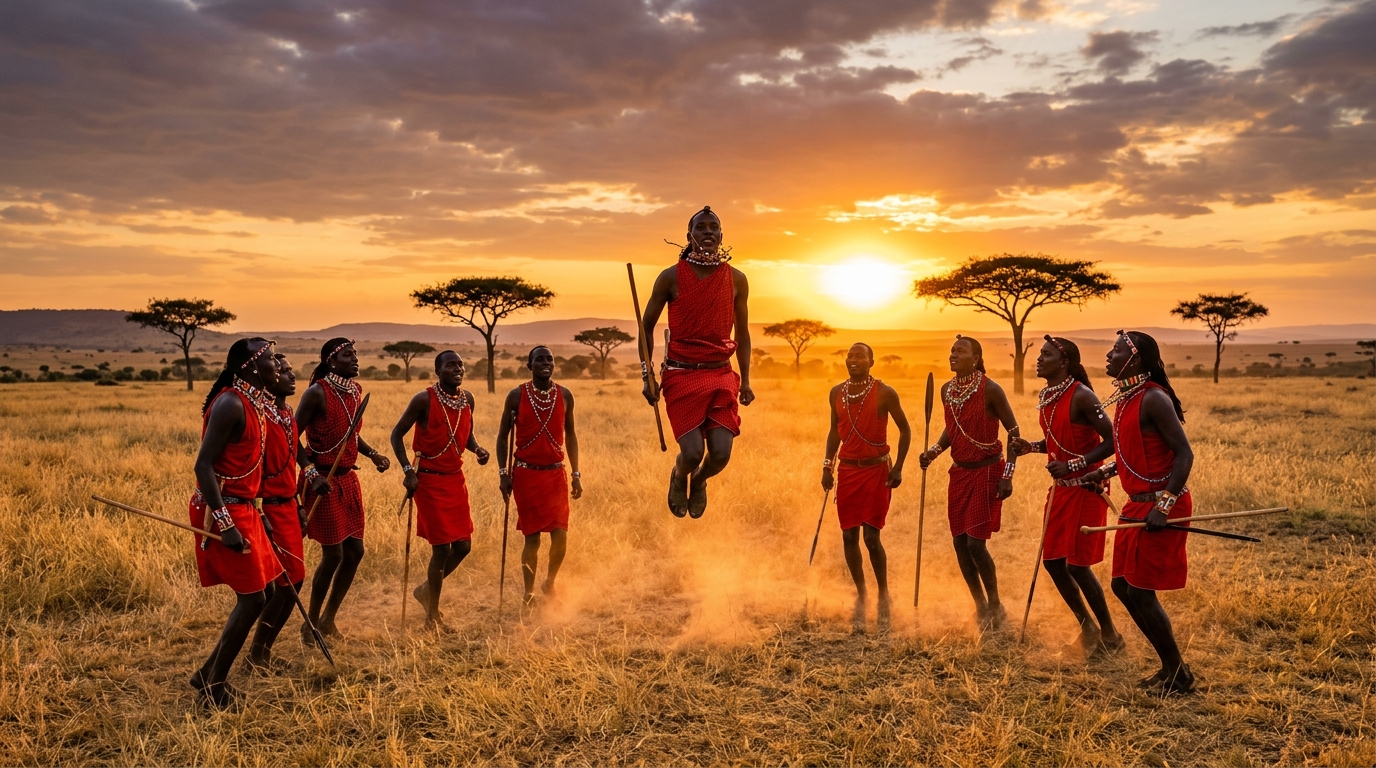
The Maasai warrior, known as the morani, is perhaps the single most iconic symbol of East Africa. Young men undergo a rigorous and highly symbolic rite of passage to earn warrior status, taking on the responsibility of protecting their community and its precious livestock. Morani are instantly recognizable by their brightly colored shuka cloth, elaborate beadwork and ochre-dyed braided hair. Their courageous acts — from guarding herds against predators to legendary feats of endurance — embody the Maasai values of strength, honor and respect. The soaring adumu jumping dance, performed by warriors in a circle, is a highlight no cultural itinerary should miss.

3. Sacred Cattle: The Heart of Maasai Wealth
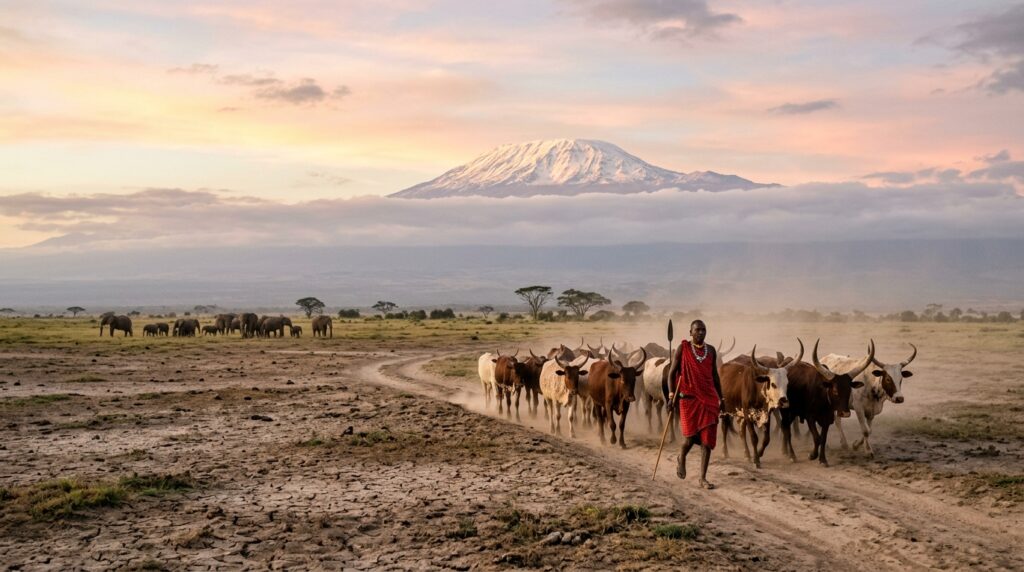
Livestock plays an essential role in Maasai life, not only as food but as a symbol of wealth and social status. Cattle in particular are considered sacred — a divine gift — and a family’s prosperity is traditionally measured by the size of its herd. Much of Maasai social ritual, including marriage negotiations, centers on the exchange of livestock. Visiting a homestead gives travelers the chance to learn about the daily care of animals, the role of cattle in ceremonies, and how herds sustain Maasai families in one of the world’s most challenging environments.
4. Beadwork That Tells a Story
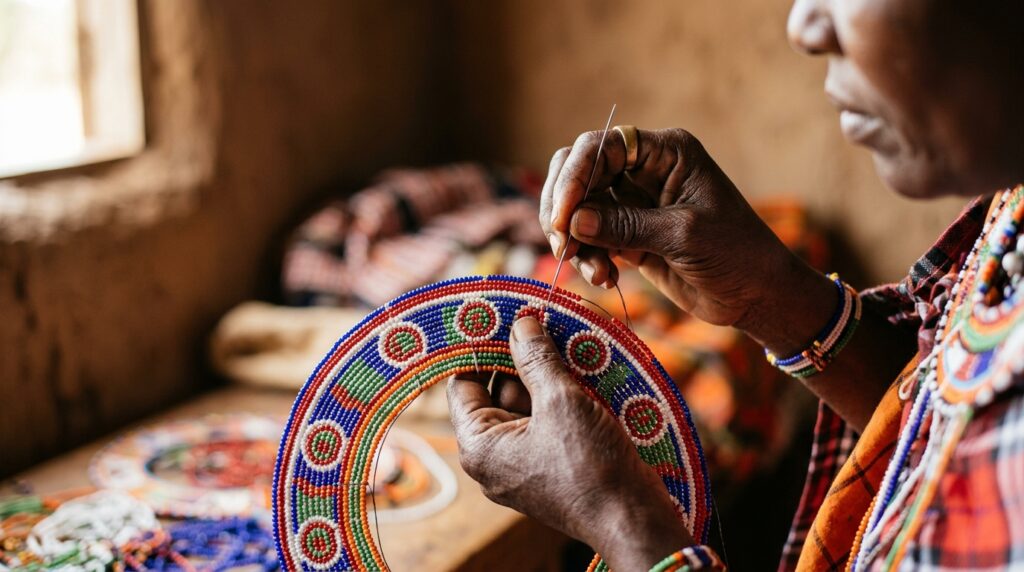
Few crafts are as instantly recognizable as Maasai beadwork. Worn as collars, bracelets and earrings, these intricate designs are far more than decoration: every color and pattern carries meaning. Red speaks of bravery and unity, blue of the sky and rain, green of the land and its nourishment, white of peace and purity, and orange and yellow of hospitality and friendship. Some villages invite visitors to try beadwork themselves — a hands-on experience that makes a wonderful souvenir and directly supports women’s cooperatives.
5. The Maa Language: A Few Words Open Every Door
The Maasai language, Maa, is rich, expressive and the beating heart of Maasai identity. While many Maasai also speak Kiswahili and English, greeting someone in Maa transforms a visit. A simple “Supa” (hello) or “Ashe naleng” (thank you very much) earns smiles, opens conversations and deepens the experience of Maasai hospitality. Travelers are often delighted to learn a handful of phrases from their guides — a small effort that creates genuine connection.
6. Village Life Inside the Enkang
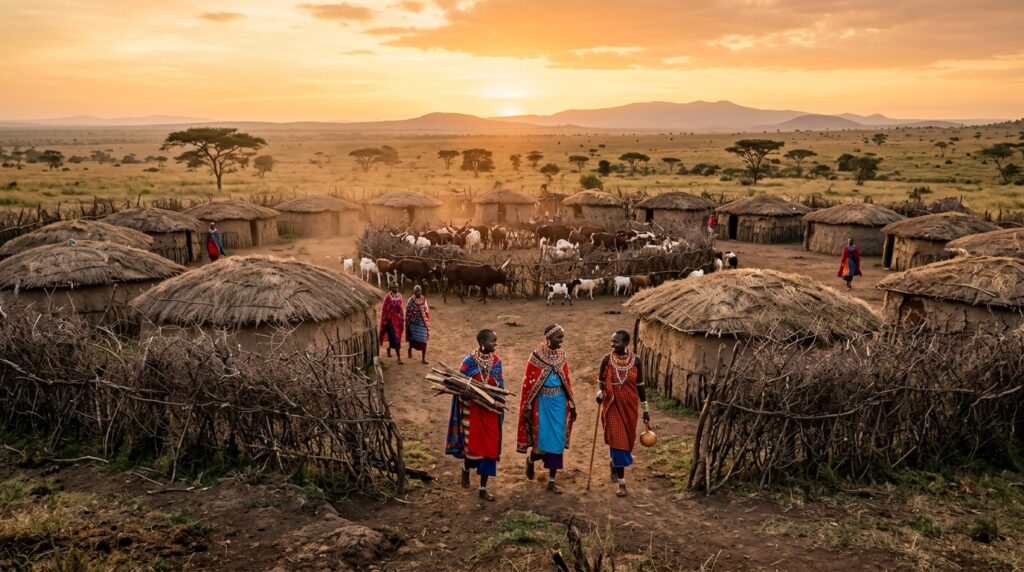
A visit to a Maasai village offers a rare glimpse of traditional life firsthand. Villages, called enkang, are arranged in a circle of low huts (inkajijik) built by Maasai women from mud, sticks, grass and cow dung, with a central kraal protecting the cattle at night. Guests can fetch water, help herd livestock, assist with meal preparation, and join traditional dance and song. These interactions reveal how the Maasai maintain a centuries-old lifestyle, in harmony with nature, in an increasingly modern world.
7. Guardians of the Land
The Maasai are semi-nomadic, moving cattle between seasonal grazing areas, and their relationship with the land is profoundly spiritual. Nature is viewed not only as a provider but as a sacred trust. For generations the Maasai have practiced sustainable grazing that allows wildlife and livestock to share the same plains — which is precisely why Maasai rangelands like the Maasai Mara and Amboseli remain among the greatest wildlife spectacles on Earth.
8. Indigenous Knowledge of Medicinal Plants
Maasai elders possess an extensive knowledge of the region’s flora, from herbs used to treat ailments to plants woven into ritual life. This wisdom is passed down through generations and is often shared with visitors on guided walks, where local guides explain how plants are identified, gathered and used. Many travelers are amazed at how the Maasai thrive in harsh conditions using only what the land provides.
9. A Deep Spirituality: Enkai, the One God
The Maasai are a deeply spiritual people whose belief system revolves around a single deity, Enkai (Engai), creator of the earth and the Maasai people. The sacredness of land, rain and animals flows from this belief, and spirituality is woven into everyday life — in blessings, ceremonies and the respectful way herds and pastures are managed. The Maasai worldview of reverence for nature and the divine creates a powerful sense of unity between the people and the world around them.
10. Warm Maasai Hospitality
Above all, what makes visiting Maasai communities unforgettable is their warmth. Guests are welcomed with open arms; it is customary to share tea, exchange stories and learn from one another. Travelers are invited to sit with elders, watch performances and join community activities. The deep respect the Maasai hold for their traditions — and the open-hearted way they share them — makes a visit to Maasai land a truly humbling, enriching experience.
Where to Experience Maasai Culture in Kenya
- Maasai Mara: Community villages near Sekenani and Talek gates pair perfectly with game drives; many conservancies fund schools and clinics through cultural tourism fees.
- Amboseli: Villages around Kimana and Olgulului offer iconic photo moments with Mount Kilimanjaro as a backdrop.
- Loita Hills: The traditional heartland of the Maasai, home to the sacred Loita Forest — ideal for travelers seeking a more authentic, less-visited experience.
- Laikipia Plateau: Community-run conservancies such as Il Ngwesi combine Maasai-guided bush walks with world-class wildlife viewing.
- Nairobi: Short on time? Bomas of Kenya presents daily afternoon cultural performances showcasing Maasai dance alongside other Kenyan traditions.
A Perfect 3-Day Maasai Culture Itinerary
Day 1 – Nairobi warm-up (afternoon & evening): Arrive at Jomo Kenyatta International Airport and head to Bomas of Kenya for a 2-hour cultural show featuring Maasai song and dance. Dine on nyama choma in the evening and rest before your journey south.
Day 2 – Into Maasai land (full day): Fly from Wilson Airport to a Maasai Mara airstrip (about 1 hour) or drive via Narok and Sekenani (5–6 hours). After lunch, spend 2–3 hours in an enkang: tour the huts, try a beadwork workshop and share sweet milky tea with a family. At sunset, watch the adumu warrior dance and listen to elders’ stories around the fire. Overnight in a community-owned camp.
Day 3 – Live the lifestyle (morning): Rise before dawn for a 2–3 hour cattle-herding experience with young morani, followed by a guided medicinal plant walk. Browse a women’s beadwork cooperative for authentic souvenirs before your return transfer or onward safari.
Optional extension: Add two days in Amboseli or the Loita Hills for a deeper, slower-paced immersion.
Transportation Tips: Getting There and Getting Around
Most international travelers land at Jomo Kenyatta International Airport (NBO) in Nairobi. From there, domestic carriers depart Wilson Airport to Mara airstrips in roughly an hour, while self-drive or chauffeur-driven 4x4s take the scenic road via Narok (allow 5–6 hours to the Mara; 3.5–4 hours to Amboseli via Emali). Budget travelers can use matatus (shared minibuses) to Narok, then hire a local 4×4 onward. Within communities, everything is done on foot with a local guide — bring sturdy shoes. Please note that visa requirements, flight routes and park fees may change over time, so always verify with official sources before traveling.
What to Eat: Food Recommendations on Your Cultural Journey
Kenyan cuisine is hearty and delicious. Don’t miss nyama choma (char-grilled goat or beef, famously served at Nairobi’s Carnivore restaurant), ugali (dense maize porridge), sukuma wiki (sautéed collard greens), kachumbari (fresh tomato-onion salad), and breakfast mandazi (cardamom doughnuts) with milky chai. In Maasai homes you may be offered sweet tea with milk — accept it graciously, as sharing food is a cornerstone of hospitality. Roadside “mama mboga” stalls serve inexpensive, home-style plates for budget days.

Weather & Best Time to Visit Maasai Country
The most comfortable windows for a cultural trip are the dry seasons, June–October and January–February, when dirt roads are passable and skies are clear. Days on the savanna reach a pleasant 25–28°C (77–82°F), while early mornings and evenings at altitude can drop to 10–15°C (50–59°F) — pack a fleece. The long rains (March–May) bring lush landscapes but muddy tracks; the short rains (November–December) are milder and brief. Year-round, bring sun protection, a light rain shell and neutral-colored, modest clothing.
Cultural Etiquette: How to Be a Welcome Guest
- Ask first: Always request permission before photographing people; many communities include photography in the village fee.
- Greet properly: A handshake, a smile and “Supa!” go a long way; greet elders before anyone else.
- Dress modestly: Shoulders and knees covered shows respect; avoid bright white on dusty village paths.
- Spend wisely: Buy beadwork directly from women’s cooperatives and pay community-set visit fees rather than handing cash to children.
- Follow your guide: Enter huts only when invited, and never point at people with your finger.
Frequently Asked Questions
How much does a Maasai village visit cost?
Community-set fees typically range from about USD 20–40 per person, sometimes more for guided full-day experiences. Fees usually fund schools, water projects and clinics.
Is visiting a Maasai village ethical?
Yes, when you choose community-owned or community-partnered tours where residents set the rules, receive the income and welcome visitors on their own terms.
What language do the Maasai speak?
Maa is the traditional language; most Maasai also speak Kiswahili, and many in tourism speak English.
When is the best time to combine culture and safari?
The dry seasons (June–October, January–February), when wildlife gathers at waterholes and village roads are easy to travel.
Final Thoughts: Carry the Spirit of the Savanna Home
Exploring Maasai culture in Kenya adds a soul-stirring human dimension to any safari. Whether you’re learning a greeting in Maa, threading beads beside a master artisan, or walking with herders at sunrise beneath Kilimanjaro, you’ll leave with far more than photographs — you’ll leave with stories, friendships and a deep respect for a people who have lived in harmony with this land for centuries. So pack your shuka-bright sense of adventure, greet the world with a warm “Supa!”, and let Maasai land welcome you home.