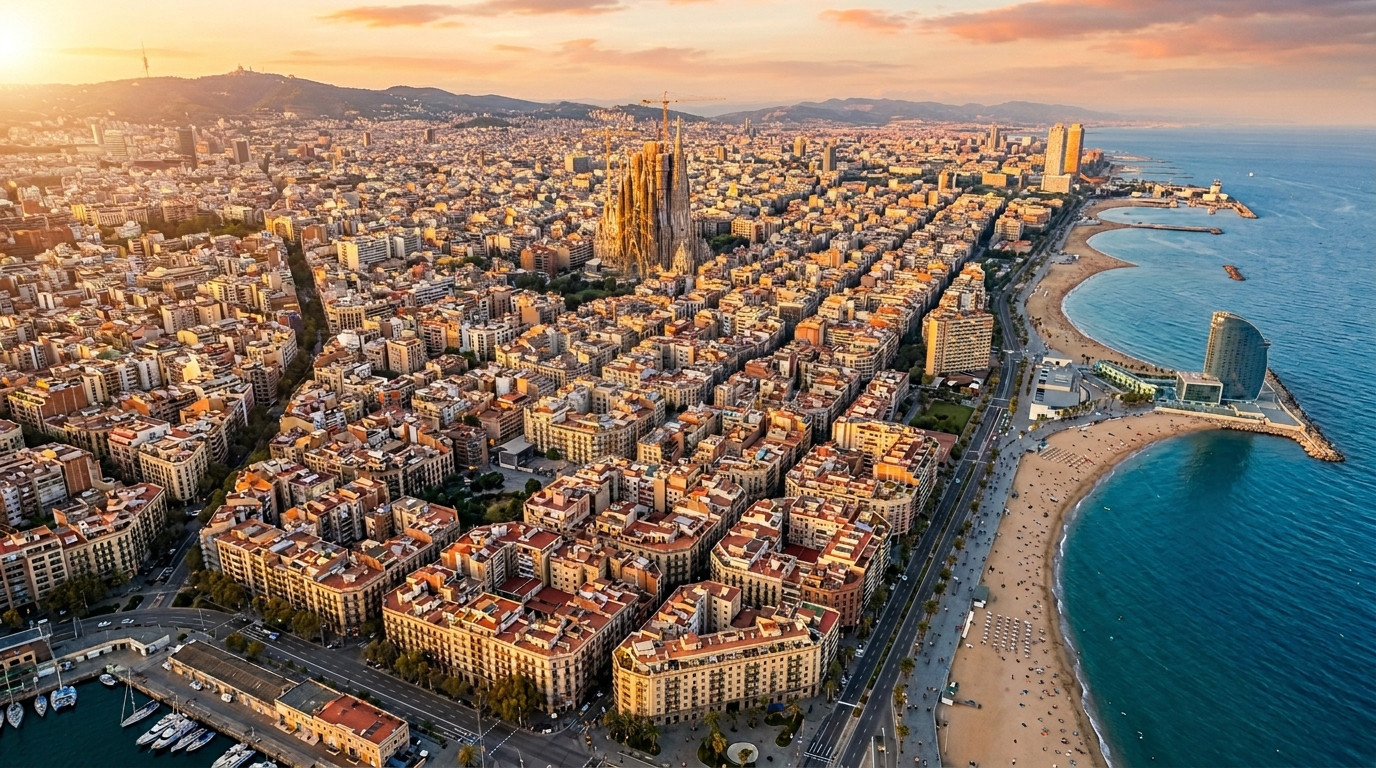

Barcelona is a city that will steal your heart from the moment you step into its vibrant streets. Imagine strolling through narrow alleys lined with colorful buildings, the smell of fresh churros filling the air, and the sound of street musicians playing flamenco guitars. This Mediterranean gem offers an intoxicating blend of stunning architecture, world-class cuisine, beautiful beaches, and rich Catalan culture that creates an unforgettable travel experience.
But before you pack your bags and hop on that plane, there are a few things you absolutely need to know to make your first trip unforgettable. From hidden gems to common tourist mistakes, this comprehensive guide will walk you through everything you need to experience Barcelona like a seasoned local. So grab a café con leche, settle in, and let’s dive into the magic of this Catalan paradise.
When to Visit Barcelona: Timing Your Perfect Trip
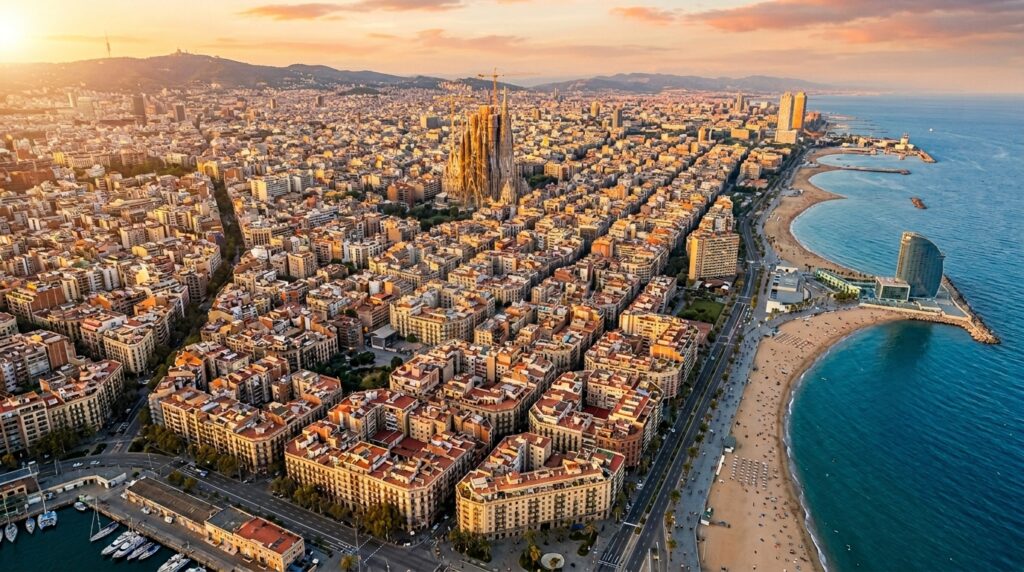
Barcelona is truly a year-round destination, but choosing the right time to visit can significantly enhance your experience. The best time to go is during spring (April to June) or fall (September to October) when the weather is absolutely perfect—not too hot, not too cold, with pleasant temperatures ranging from 18-25°C (64-77°F). During these shoulder seasons, you’ll also encounter smaller crowds compared to the hectic summer months, making it easier to explore attractions at your own pace and enjoy more reasonable accommodation prices.
Summer might seem tempting with its long sunny days and beach-perfect weather, but be prepared for long lines at major attractions, higher prices for accommodations, and temperatures that can soar above 30°C (86°F). The city becomes packed with tourists, and popular sites like Sagrada Familia can have wait times exceeding two hours if you don’t book in advance.
If you’re a festival enthusiast, plan your trip around La Mercè in September or Sant Jordi in April. La Mercè is Barcelona’s biggest street festival, featuring human towers (castells), fire runs (correfoc), and free concerts throughout the city. Sant Jordi, often called the Catalan Valentine’s Day, transforms the city as streets fill with book and rose stalls—a beautiful showcase of Catalan culture and traditions that offers a unique glimpse into Barcelona’s vibrant spirit.
Getting Around Barcelona: Mastering the City’s Transportation
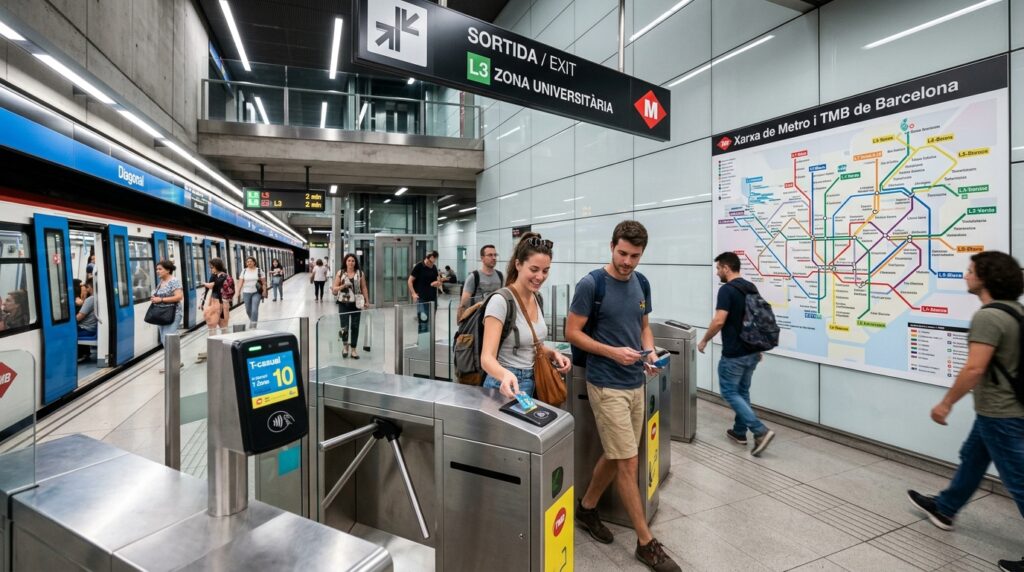
Barcelona boasts an excellent public transportation system that makes exploring the city a breeze. The network includes buses, trams, and a comprehensive Metro system that covers almost every corner of the city, operating from 5 AM until midnight on weekdays (and all night on weekends).
If you’re planning to use public transport frequently, get a T-casual card (formerly T-10), which gives you 10 rides at a discounted price and can be shared among multiple people. This is far more economical than buying single tickets and works across Metro, buses, trams, and even regional trains within zone 1. For unlimited travel over multiple days, consider the Barcelona Card or Hola BCN travel card, which also includes discounts at museums and attractions.
Walking is also a fantastic option, especially in the city center where many attractions are close to each other, and the charming streets invite spontaneous exploration. The compact nature of neighborhoods like the Gothic Quarter, El Born, and El Raval makes them perfect for wandering on foot. Just remember to wear comfortable shoes because Barcelona’s streets are full of surprises—from hidden courtyards and charming plazas to bustling markets—and you’ll want to explore every inch at your own pace.
For longer distances or beach trips, the city’s bike-sharing program (Bicing) and electric scooters offer eco-friendly alternatives, though tourists should note that Bicing requires local registration. Taxis and ride-sharing services like Uber are readily available but more expensive than public transport.
Gaudí’s Masterpieces: The Architectural Heart of Barcelona
One of the biggest mistakes first-time visitors make is trying to see everything in one rushed trip. Barcelona is packed with iconic landmarks, particularly the extraordinary works of Antoni Gaudí, but don’t rush through them in an attempt to check off every site. Take your time to appreciate the intricate details of Gaudí’s architecture and the stories behind these masterpieces, as each one tells a unique tale of creativity and innovation.
If you’re short on time, prioritize the attractions that interest you most, and don’t forget to book your tickets online in advance to skip the long queues, ensuring a smoother and more enjoyable experience. Here are the must-see Gaudí sites:
Sagrada Família
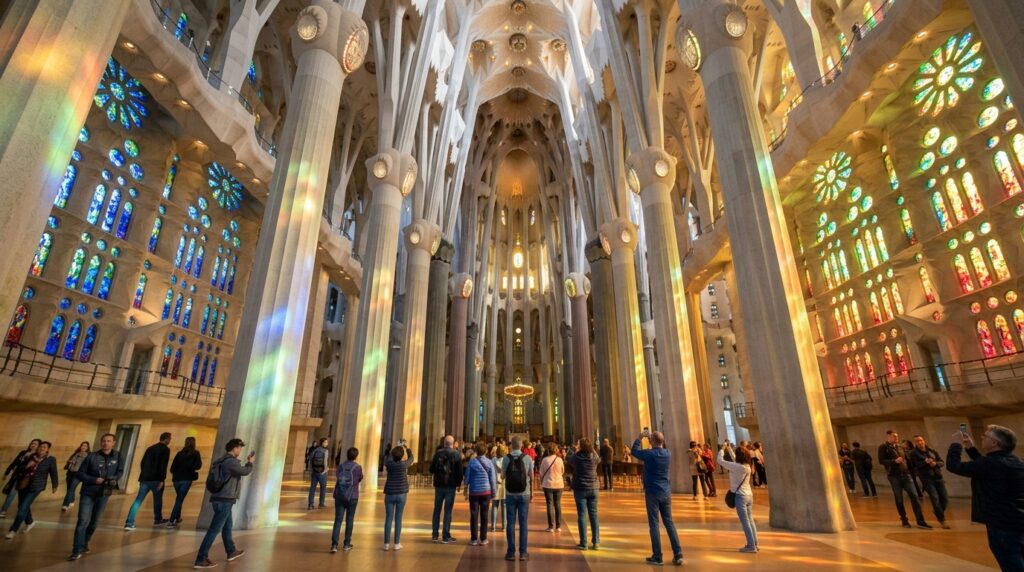
Start with the Sagrada Família, Barcelona’s most famous landmark and Gaudí’s magnum opus. This breathtaking basilica has been under construction for over 140 years and remains a true testament to Gaudí’s genius. The intricate facades depicting the Nativity, Passion, and Glory of Christ, combined with the forest-like interior columns and stunning stained glass windows that bathe the space in ethereal light, create an almost otherworldly experience. Plan to spend at least 2-3 hours here, and consider booking a tower access ticket for panoramic city views.
Park Güell
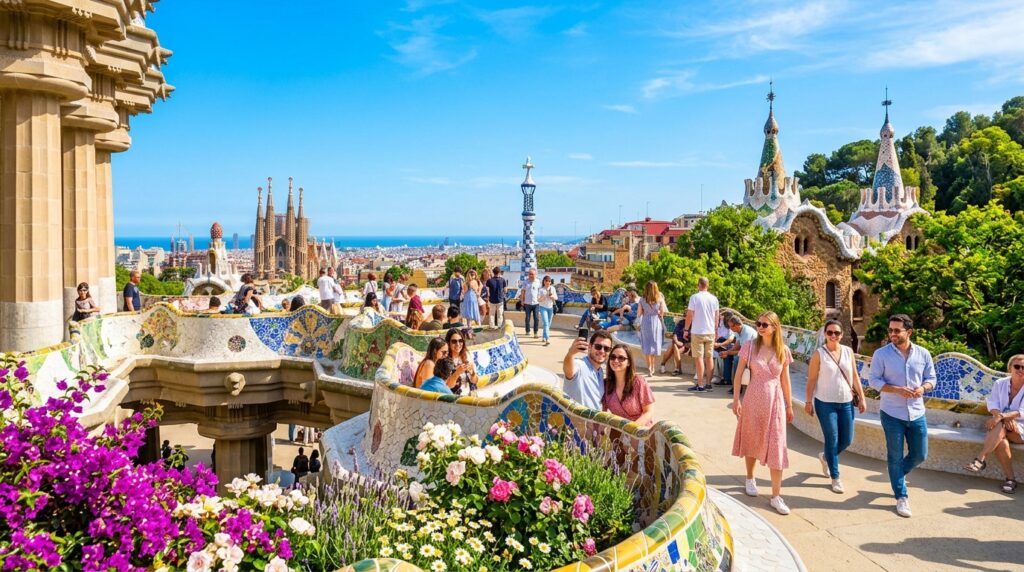
Next, head to Park Güell, a whimsical public park filled with colorful mosaics, undulating benches, and Gaudí’s famous dragon fountain (El Drac). The park offers stunning views of the city and the Mediterranean, making it perfect for photos. The Monumental Zone requires tickets, so book ahead, especially during peak season. Allow 2-3 hours to explore both the paid area and the free surrounding park.
Casa Batlló and Casa Milà (La Pedrera)
Casa Batlló and Casa Milà are also must-sees, showcasing Gaudí’s unique style and creativity. Casa Batlló, with its skeletal balconies and dragon-scale roof, resembles something from a fairy tale, while Casa Milà’s undulating stone facade and surreal rooftop chimneys demonstrate Gaudí’s organic architectural philosophy. Each site offers a glimpse into the mind of one of history’s greatest architects. Audio guides are highly recommended to fully appreciate the symbolism and innovation.
Beyond Gaudí: Discovering Barcelona’s Hidden Treasures
But Barcelona isn’t just about Gaudí—the city is home to countless other treasures waiting to be discovered. The Gothic Quarter (Barri Gòtic) is an absolute must-visit. This historic neighborhood is a maze of narrow medieval streets, charming squares, and ancient buildings dating back to Roman times. Spend an afternoon wandering through its alleys, discovering hidden cafés, boutique shops, and Roman ruins like the Temple of Augustus.
Don’t miss the Barcelona Cathedral (Catedral de Santa Eulàlia), a stunning example of Catalan Gothic architecture with its soaring spires, beautiful cloister populated by geese, and peaceful courtyard. The nearby Plaça del Rei and Plaça Sant Jaume are perfect for people-watching and soaking in the medieval atmosphere.
The El Born neighborhood, adjacent to the Gothic Quarter, offers a more bohemian vibe with its trendy bars, artisan shops, and the impressive Santa Maria del Mar basilica, a masterpiece of Catalan Gothic architecture. The area also houses the Picasso Museum, which contains one of the most extensive collections of the artist’s early works.
For a different perspective, explore El Raval, a multicultural neighborhood home to the MACBA (Museum of Contemporary Art) and the CCCB (Center of Contemporary Culture of Barcelona), offering cutting-edge exhibitions and cultural events.

A Taste of Catalonia: Barcelona’s Culinary Scene
Food is another highlight of any trip to Barcelona, and Catalan cuisine is a delicious blend of Mediterranean flavors that will tantalize your taste buds. You’ll find everything from traditional tapas to innovative seafood paella, and the city’s food scene caters to every palate and budget.
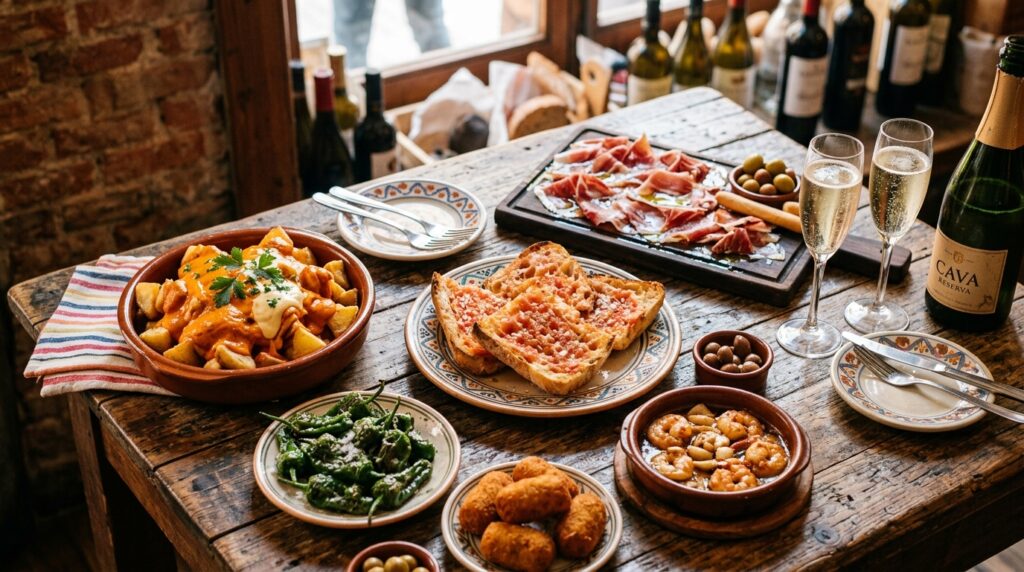
Start your day like a true Barceloní with a traditional breakfast of pa amb tomàquet (bread rubbed with ripe tomato, garlic, and olive oil) and a cup of cafè con llet. This simple yet delicious combination is a Catalan staple and the perfect way to fuel your morning explorations.
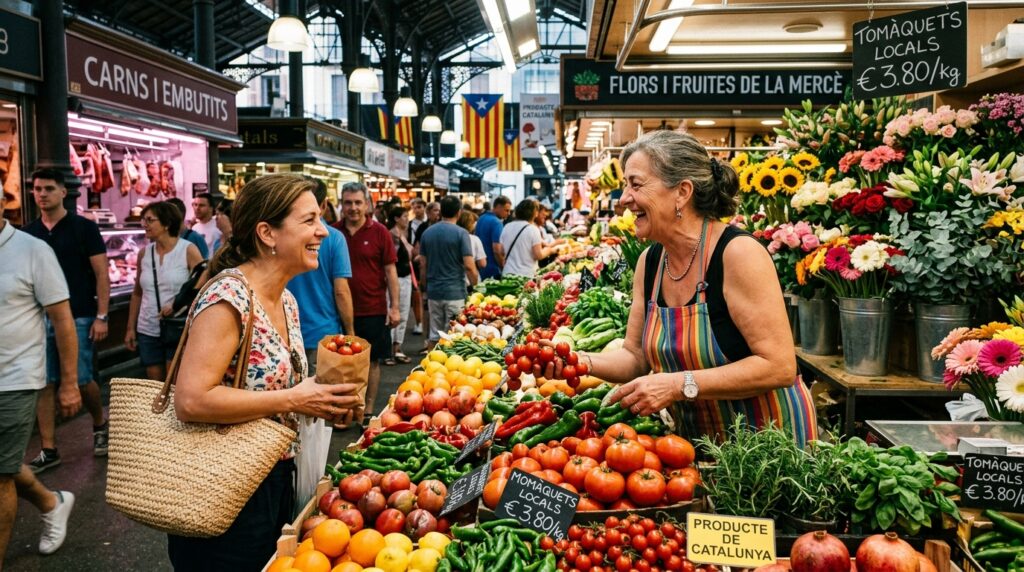
For lunch, head to a local market like La Boqueria on La Rambla, where you can sample fresh produce, artisanal cheeses, cured meats, and prepared dishes from various stalls. While La Boqueria is touristy, it’s still worth visiting for the vibrant atmosphere and quality products. For a more local experience, try Mercat de Santa Caterina or Mercat de la Concepció.
In the evening, indulge in a tapas crawl through neighborhoods like El Born or Gràcia. Try classic dishes like patatas bravas (fried potatoes with spicy sauce), croquetas (creamy fried croquettes), gambas al ajillo (garlic shrimp), and jamón ibérico (cured Iberian ham). Pair your meal with a glass of sangria or, better yet, cava, Catalonia’s answer to champagne.
For a truly authentic experience, seek out restaurants serving escudella i carn d’olla (traditional stew), fideuà (similar to paella but with noodles), or crema catalana for dessert. Don’t eat dinner too early—locals typically dine after 9 PM.
Sun, Sand, and Sea: Barcelona’s Beautiful Beaches
While you’re exploring the city, make sure to visit the beaches—Barcelona’s coastline is one of its biggest attractions, offering a perfect blend of urban sophistication and seaside relaxation. The city boasts 4.5 kilometers of sandy beaches, all easily accessible by public transport.
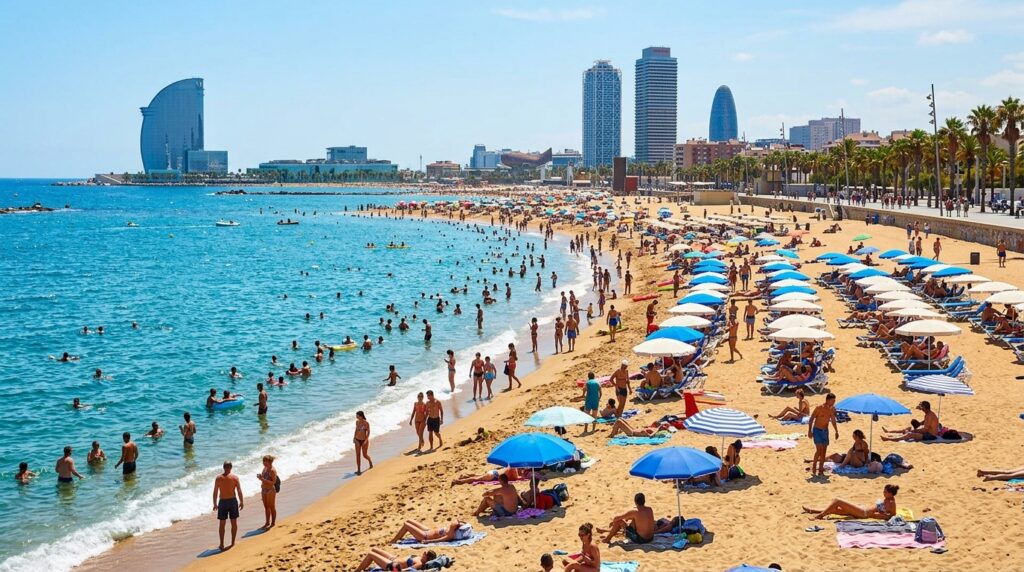
Barceloneta Beach is the most popular and closest to the city center, lined with beachfront restaurants (chiringuitos) offering fresh seafood and cold drinks. It’s perfect for a quick dip, people-watching, or enjoying a beachside meal. However, it can get crowded, especially on weekends and during summer.
If you want something quieter, head north to Bogatell or Mar Bella beaches, which are favored by locals and offer a more relaxed atmosphere. Mar Bella also features a designated nudist section and is known for its vibrant LGBTQ+ friendly vibe. These beaches are ideal for swimming, sunbathing, or trying water sports like paddleboarding and kayaking.
Spend a relaxing afternoon soaking up the Mediterranean sun, swimming in the crystal-clear waters, or enjoying a beachfront yoga session. When hunger strikes, you’ll find plenty of beachside bars serving fresh seafood, paella, and refreshing cocktails. Just remember to keep an eye on your belongings, as beaches can be targets for pickpockets.
Essential Tips for First-Time Visitors
Language Matters
Another tip for first-time visitors is to learn a few basic phrases in Catalan or Spanish. While many locals speak English, making an effort to communicate in their language goes a long way. Simple phrases like “Hola” (hello), “Gràcies” (thank you in Catalan) or “Gracias” (in Spanish), and “Si us plau” (please in Catalan) or “Por favor” (in Spanish) can make your interactions more pleasant and show respect for the local culture. Catalans are proud of their culture and language, so showing respect for their traditions will earn you smiles and maybe even some insider tips.
Stay Safe
Safety is also something to keep in mind. Barcelona is generally a safe city, but like any popular tourist destination, it has its share of pickpockets. Be especially cautious in crowded areas like La Rambla, the Metro, and major attractions. Keep your belongings close, avoid flashing expensive items, use crossbody bags, and consider using a money belt or anti-theft bag. Never leave your phone or wallet on café tables, and be wary of distractions like people asking you to sign petitions or offering you rosemary—these are common pickpocket tactics. By staying alert, you can focus on enjoying your trip without any worries.
Museum Culture
If you’re a fan of art and history, Barcelona has plenty of museums to explore beyond the Picasso Museum. The Museu Nacional d’Art de Catalunya (MNAC) showcases Catalan art from the Romanesque period to the 20th century in a stunning palace setting on Montjuïc. For something more contemporary, visit the MACBA or the CCCB. Each museum offers a unique perspective on the city’s rich cultural heritage. Many museums offer free entry on Sunday afternoons or the first Sunday of the month, so plan accordingly.
Shopping Experiences
Shopping enthusiasts will also love Barcelona. From high-end boutiques on Passeig de Gràcia to quirky independent shops in El Raval, there’s something for everyone. Don’t miss the chance to pick up some local souvenirs like espardenyes (traditional espadrilles), handmade ceramics, or a bottle of cava. If you’re visiting during the sales season (January and July), you’ll find great deals on fashion and accessories. For a truly unique shopping experience, explore the city’s flea markets like Els Encants, where you can hunt for vintage treasures and antiques.
The Perfect Farewell: Watching Sunset from Bunkers del Carmel
As your trip comes to an end, take some time to reflect on your experiences. Barcelona has a way of leaving a lasting impression, whether it’s through its stunning architecture, delicious food, or warmhearted people. Before you leave, make sure to watch the sunset from Bunkers del Carmel (Turó de la Rovira), a hidden spot that offers 360-degree panoramic views of the city.
This former anti-aircraft bunker from the Spanish Civil War has become one of Barcelona’s best-kept secrets for sunset viewing. Bring a picnic, some cava, and watch as the sun sets over the Mediterranean, casting golden light over Gaudí’s masterpieces and the sprawling city below. It’s the perfect way to say goodbye to this magical place and create a memory you’ll cherish forever.
Finally, don’t forget to capture your memories. Take plenty of photos, but also take moments to put your camera down and soak it all in. Barcelona is a city that deserves to be experienced with all your senses—whether it’s the sound of waves crashing on the shore, the taste of freshly made churros with chocolate, or the sight of Gaudí’s imaginative masterpieces. These are the moments you’ll cherish forever.
Planning Your Barcelona Adventure
Barcelona is a city that rewards curious travelers who take the time to explore beyond the guidebook highlights. Whether you’re marveling at Gaudí’s architectural genius, getting lost in medieval streets, savoring authentic Catalan cuisine, or relaxing on sun-drenched beaches, every moment in this vibrant city offers something special.
Remember to book popular attractions in advance, respect local customs and language, stay vigilant against pickpockets, and most importantly, allow yourself the flexibility to discover your own Barcelona. The city’s true magic often lies in unexpected moments—a street musician’s performance in a hidden plaza, the perfect paella at a family-run restaurant, or a conversation with a local who shares their favorite spot.

Your first trip to Barcelona is just the beginning of what will likely become a lifelong love affair with this extraordinary city. Until next time, happy travels!