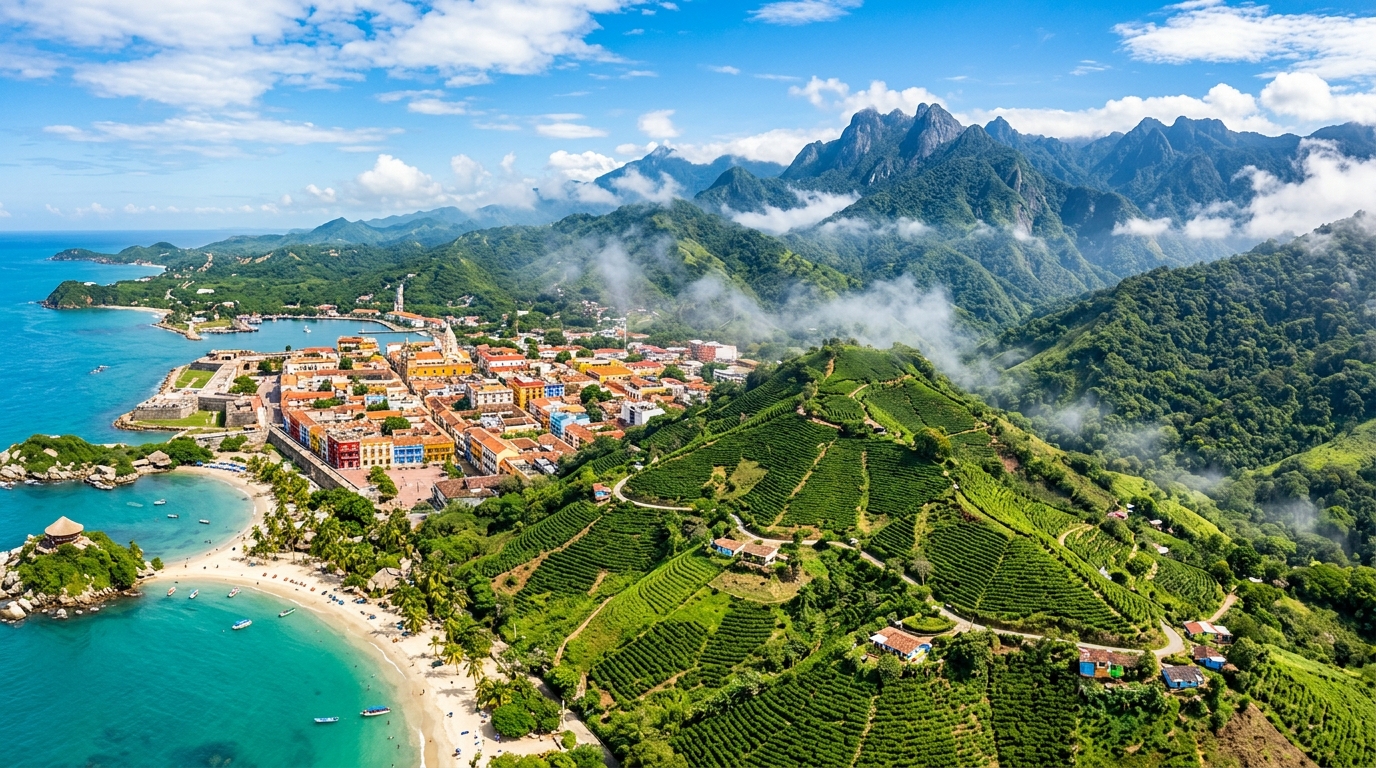

Thinking of visiting Colombia? From vibrant cities to breathtaking landscapes, this country has it all. Colombia, a nation bursting with color, culture, and adventure, has transformed into one of South America’s most exciting travel destinations. From the Caribbean beaches of Cartagena to the lush coffee region of the Andes and the vibrant city life of Bogotá and Medellín, Colombia offers an unforgettable experience for every type of traveler.
Whether you’re planning a short getaway or an extended trip, this comprehensive guide will provide you with everything you need to know before visiting Colombia—from the best destinations to safety tips, transportation, local customs, and insider recommendations.
Why Visit Colombia?
Colombia has undergone a remarkable transformation over the past two decades. Once off-limits to tourists, it’s now one of the world’s most welcoming and diverse destinations. With its perfect spring-like climate in many regions, affordable travel costs, incredible biodiversity (it’s the second most biodiverse country in the world!), and warm, friendly people, Colombia should be at the top of your South American bucket list.
The country offers everything from pristine Caribbean and Pacific beaches to snow-capped Andean peaks, from Amazon rainforest to arid deserts, and from pre-Columbian archaeological sites to cutting-edge urban innovation. Plus, Colombian cuisine, music, and dance culture will captivate your senses at every turn.
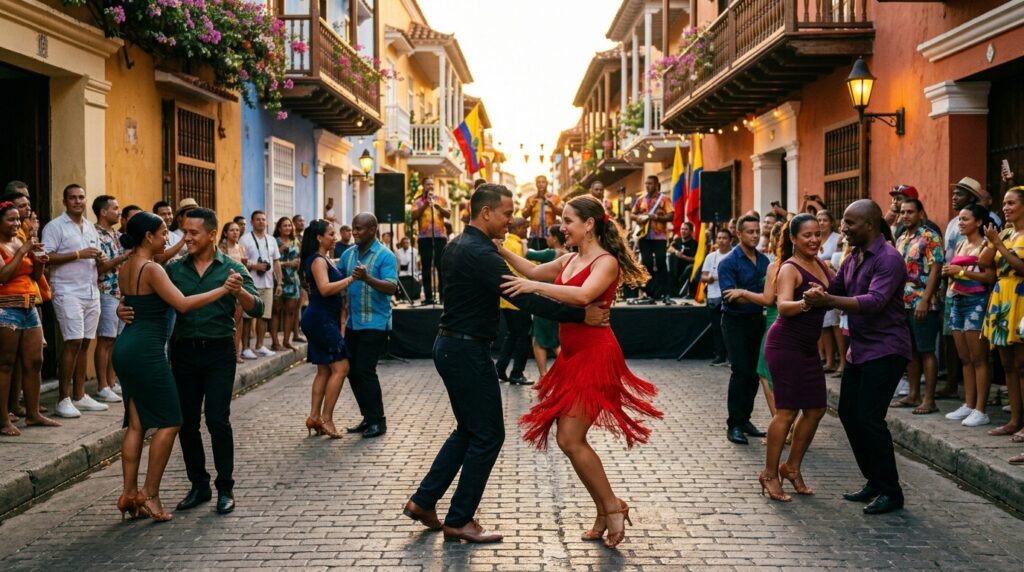
Essential Travel Information Before You Go
Best Time to Visit
Colombia’s location on the equator means it has a tropical climate year-round, but weather varies significantly by region and altitude. The dry seasons (December-March and June-September) are generally the best times to visit for outdoor activities and hiking. However, Colombia is a year-round destination, and each season offers unique experiences.
Bogotá and the Andes: Expect temperatures between 10-20°C (50-68°F) year-round. Pack layers! Cartagena and Caribbean Coast: Hot and humid, 27-32°C (81-90°F). Best visited December-April. Medellín: Known as the “City of Eternal Spring,” with perfect 22-28°C (72-82°F) temperatures year-round. Amazon Region: Hot, humid, and rainy. Temperatures 25-30°C (77-86°F).
Visa Requirements
Most travelers from the US, Canada, EU, UK, Australia, and many other countries can enter Colombia as tourists for up to 90 days without a visa. Always check current requirements before traveling, as policies can change.
Safety Tips
Colombia has made tremendous strides in safety. Stick to tourist areas, don’t flash expensive items, use registered taxis or ride-sharing apps, and stay informed about local conditions. The vast majority of visitors have trouble-free trips.
Transportation
- Flights: Avianca, LATAM, and Viva Air connect major cities efficiently
- Buses: Comfortable long-distance buses connect most destinations
- Metro: Medellín has an excellent metro system
- Taxis/Uber: Available in major cities; always use official services
#10: Cali – The Salsa Capital of the World
Recommended Stay: 2-3 days
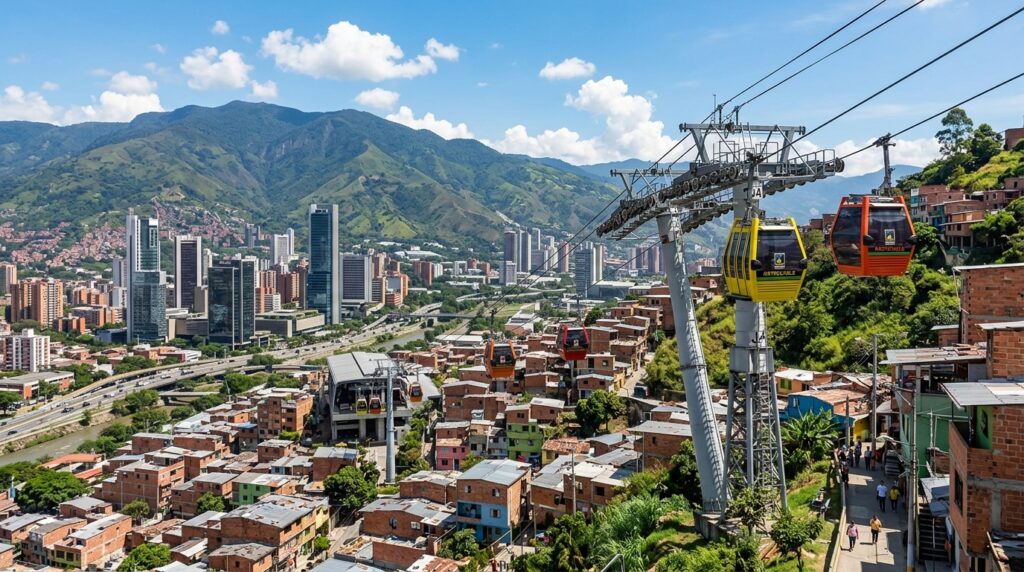
Cali is a city that lives and breathes salsa. If you love dancing, music, and a lively atmosphere, Cali should definitely be on your Colombia itinerary. Known as the “Salsa Capital of the World,” this vibrant city in southwestern Colombia pulses with rhythm 24/7.
What to Do in Cali
Dance the Night Away: The city comes alive at night with legendary salsa clubs like Zaperoko and La Topa Tolondra, where both locals and visitors dance until dawn. Even if you’re not an experienced dancer, take a salsa class during the day—Caleños are incredibly welcoming and love to share their passion.
Explore San Antonio: By day, wander through the colonial Barrio San Antonio, a bohemian neighborhood with cobblestone streets, colorful houses, artisan shops, and charming cafés. The Plaza de San Antonio, with its famous Fernando Botero sculptures, is perfect for people-watching.
Hike to Cristo Rey: For panoramic views of the entire city and surrounding valley, hike or take a taxi up to the Cristo Rey statue. The viewpoint offers spectacular sunset vistas.
Visit Río Pance: Just outside the city, this natural reserve offers hiking trails, swimming holes, and a refreshing escape into nature. It’s perfect for a day trip to cool off from the urban heat.
Food & Drink
Don’t miss sancocho de gallina (traditional chicken soup), arroz con atún (rice with tuna), and champús (a sweet corn-based drink). For street food, try empanadas and cholados (shaved ice with fruit).
Getting Around
Cali’s public transportation includes traditional buses and the modern MIO bus rapid transit system. Taxis are affordable and readily available.

#9: San Andrés and Providencia – Caribbean Paradise
Recommended Stay: 4-5 days
Colombia’s most beautiful islands, San Andrés and Providencia, are perfect for those seeking turquoise waters, white sandy beaches, and a laid-back island vibe. Located in the Caribbean Sea, closer to Nicaragua than mainland Colombia, these islands offer a unique Raizal culture blending Caribbean, Colombian, and African influences.
San Andrés Highlights
Beach Hopping: The island boasts stunning beaches like Spratt Bight, Cove Bay, and San Luis. The famous Sea of Seven Colors lives up to its name with mesmerizing shades of blue and turquoise.
Johnny Cay: Take a short boat ride to this tiny island paradise with pristine beaches, coconut palms, and excellent snorkeling.
La Piscinita: This natural pool formed by coral reefs is perfect for snorkeling with tropical fish.
Duty-Free Shopping: San Andrés is a duty-free zone, making it great for shopping deals.
Providencia – The Hidden Gem
For a more secluded and pristine escape, head to Providencia. This smaller, less developed island offers:
- World-class snorkeling and diving in the third-largest barrier reef in the world
- Pristine beaches like Manzanillo and Southwest Bay
- Hiking trails through lush vegetation to viewpoints
- Authentic Raizal culture and slower pace of life
Getting There & Around
Fly from Bogotá, Medellín, or Cartagena to San Andrés. From there, take a small plane or boat to Providencia. On the islands, rent a golf cart or bicycle to explore—cars are limited to protect the environment.
#8: Bogotá – The High-Altitude Capital
Recommended Stay: 3-4 days
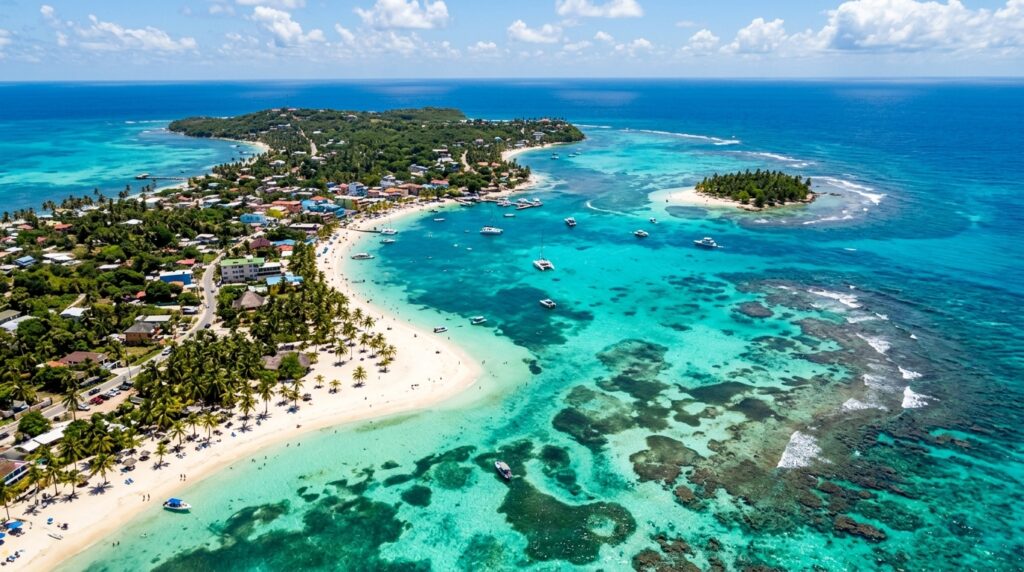
At 2,640 meters (8,660 feet) above sea level, Bogotá is one of the highest capitals in the world. This bustling metropolis offers an incredible mix of history, modern culture, world-class museums, and fantastic gastronomy.
Must-See Attractions
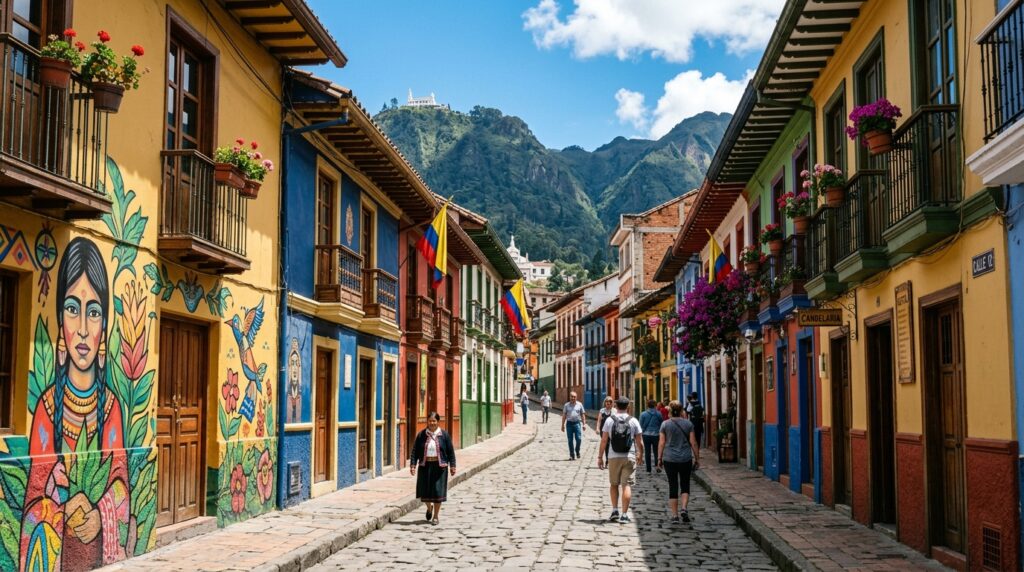
La Candelaria: Wander through Bogotá’s historic district where colorful colonial buildings, cobblestone streets, and vibrant street art tell the story of Colombia’s past. This is where the city was founded in 1538.
Gold Museum (Museo del Oro): Home to over 55,000 pieces of pre-Hispanic gold work, this is one of the most important museums in Latin America. The collection showcases the incredible metallurgical skills of indigenous cultures.
Monserrate: Take the cable car or funicular up to this mountaintop church for breathtaking panoramic views of the entire city stretching out below. Go at sunset for magical lighting.
Botero Museum: See the largest collection of works by Fernando Botero, Colombia’s most famous artist, known for his voluminous figures. The museum is free and also features international artists from Botero’s personal collection.
Street Art Tour: Bogotá has some of the best street art in the world. Take a guided tour through La Candelaria and surrounding neighborhoods to understand the political and social messages behind the murals.
Food Scene
Bogotá’s culinary scene is incredible. Try ajiaco (traditional chicken and potato soup), bandeja paisa (hearty platter with beans, rice, meat, and more), and arepas (corn cakes). Don’t miss the Paloquemao Market for exotic fruits like lulo, granadilla, and curuba.
Weather & What to Pack
Bogotá’s high altitude means cool temperatures year-round (10-20°C / 50-68°F). Always pack layers, a jacket, and an umbrella—afternoon rain showers are common.
Getting Around
Use TransMilenio (bus rapid transit), official taxis, or ride-sharing apps like Uber and Cabify. Avoid hailing taxis on the street at night.
#7: The Amazon – True Jungle Adventure
Recommended Stay: 3-4 days
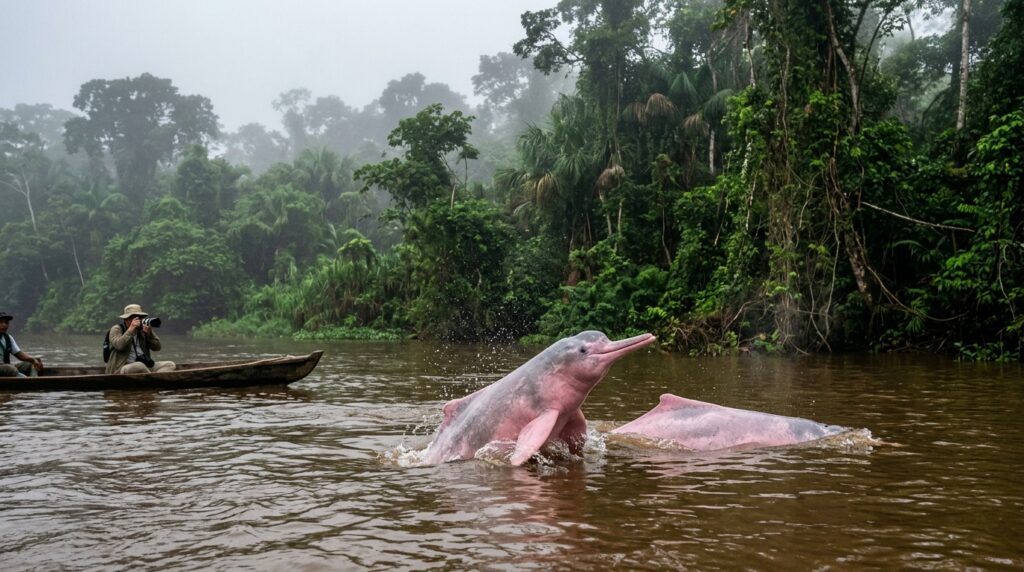
Colombia is home to a massive portion of the Amazon rainforest, one of the most biodiverse places on Earth. To experience this untouched wilderness, head to Leticia, the gateway to the Colombian Amazon in the far south of the country.
Amazon Experiences
River Adventures: Take boat trips along the Amazon River and its tributaries. Watch for pink river dolphins, black caimans, and countless bird species.
Indigenous Community Visits: Meet with local indigenous communities like the Tikuna, Yagua, and Huitoto peoples to learn about their traditional ways of life, medicinal plants, and cultural practices. These visits should be respectful and arranged through responsible tour operators.
Amacayacu National Park: This protected area is an excellent destination for wildlife lovers. Spot monkeys (including pygmy marmosets, the world’s smallest), exotic birds like macaws and toucans, sloths, and massive Ceiba trees that can reach 70 meters tall.
Night Safaris: The jungle comes alive after dark. Take guided night walks or boat rides to spot nocturnal creatures like tarantulas, tree frogs, and night monkeys.
Pirate Island (Isla de los Micos): Visit this island inhabited by hundreds of squirrel monkeys and capuchins who swing through the canopy.
Practical Tips
- The Amazon is hot and humid year-round (25-30°C / 77-86°F)
- Pack lightweight, long-sleeved clothing for sun and insect protection
- Bring strong insect repellent and malaria prophylaxis
- Waterproof bags for electronics are essential
- Get to Leticia by plane from Bogotá (about 2 hours)
#6: The Coffee Region – Colombia’s Heartland
Recommended Stay: 3-4 days
Colombia produces some of the best coffee in the world, and there’s no better place to experience it than in the Coffee Triangle (Eje Cafetero), comprising the departments of Caldas, Quindío, and Risaralda. This UNESCO World Heritage landscape is a patchwork of green coffee plantations, rolling hills, and charming towns.
Base Yourself in Salento
The picturesque town of Salento is the perfect base for exploring the region. Its colorful colonial architecture, cobblestone streets, and relaxed atmosphere make it irresistible.
Coffee Farm Experience (Finca)
Visit a working coffee farm to see how Colombia’s famous beans are grown, harvested, and processed. Many farms offer tours where you can:
- Walk through coffee plantations
- Learn about the entire coffee production process from bean to cup
- Participate in coffee picking (during harvest season: September-December)
- Enjoy coffee tastings and learn proper cupping techniques
Recommended fincas: Finca El Ocaso, Café de la Cima, or Don Elías Coffee Farm.
Cocora Valley (Valle de Cocora)
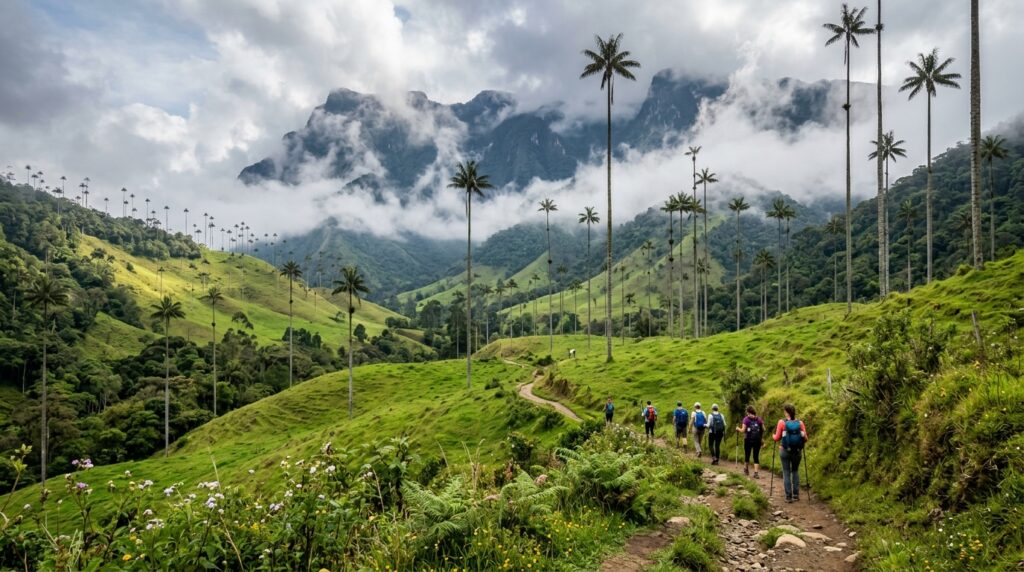
Take a hike in this stunning valley, home to Colombia’s famous wax palm trees—the tallest palm trees in the world, reaching up to 60 meters (197 feet). The hike typically takes 4-5 hours and passes through cloud forest, past traditional farms, and through misty valleys.
Trail options:
- Short loop: 2-3 hours
- Full loop through the valley: 5-6 hours
Start early to avoid afternoon clouds and rain.
Other Coffee Towns
- Jardín: Charming town with coffee culture and paragliding
- Manizales: Larger city with access to Los Nevados National Park
- Pereira: Gateway to thermal springs and coffee tours
Local Cuisine
Try bandeja paisa, sancocho, and arepas con hogao. For dessert, don’t miss manjar blanco (sweet milk spread) and buñuelos (cheese fritters).
Getting Around
Fly into Pereira, Manizales, or Armenia. Local buses and jeeps (Willys) connect towns and attractions. Renting a car gives you more flexibility.
#5: Medellín – The City of Eternal Spring
Recommended Stay: 4-5 days
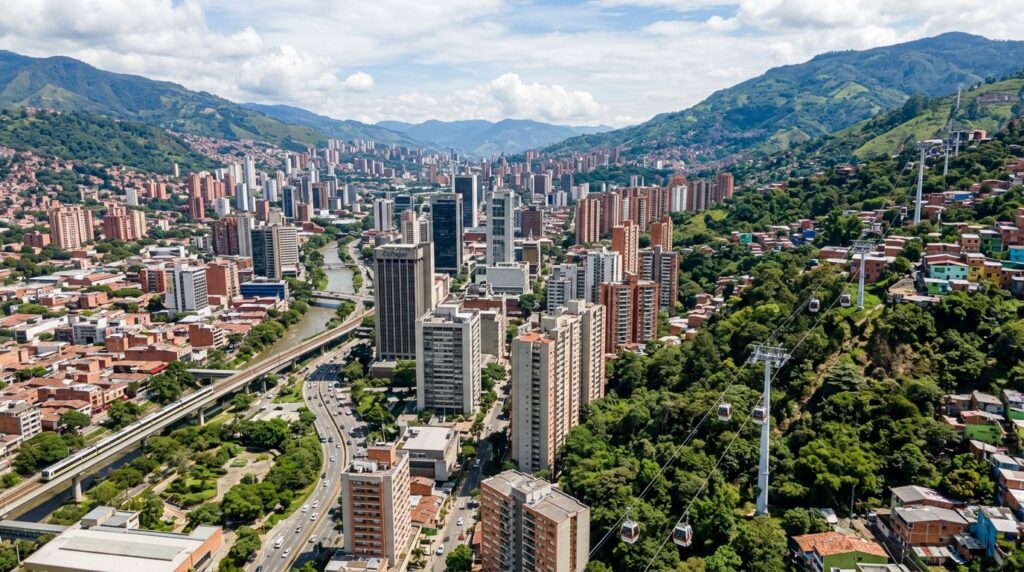
Once known for its violent past, Medellín has undergone an incredible transformation and is now one of the most innovative cities in the world. With a modern metro system, cable cars connecting hillside neighborhoods, cutting-edge urban projects, and a thriving digital nomad scene, Medellín has become a favorite among travelers.
Comuna 13 Transformation
Explore Comuna 13, once one of the most dangerous areas in the world, now a vibrant hub of street art, music, and community pride. Take a guided tour to:
- See incredible graffiti and street art
- Ride the outdoor escalators that transformed the neighborhood
- Learn about the community’s inspiring transformation
- Experience hip-hop culture and breakdancing performances
Metrocable to Parque Arví
Take the Metrocable (cable car integrated into the metro system) up to Parque Arví, a stunning nature reserve in the mountains above the city. This eco-tourism destination offers:
- Hiking trails through cloud forest
- Picnic areas with panoramic views
- A weekend artisan market
- Pre-Hispanic archaeological sites
The ride itself offers spectacular views of Medellín sprawling in the valley below.
El Poblado & Parque Lleras
The El Poblado neighborhood is the city’s trendy area, filled with:
- Boutique hotels and hostels
- Rooftop bars and restaurants
- Nightlife around Parque Lleras
- Shopping malls and cafés
Museo de Antioquia & Botero Plaza
Visit this museum featuring works by Fernando Botero and other Colombian artists. Outside, Plaza Botero displays 23 of Botero’s iconic sculptures.
Perfect Climate
Medellín’s nickname, “City of Eternal Spring,” is well-deserved. Temperatures stay between 22-28°C (72-82°F) year-round, making it perfect for outdoor activities any time.
Transportation
Medellín’s metro system is clean, safe, and efficient. Use it along with the Metrocable, buses, and official taxis or ride-sharing apps.
Digital Nomad Scene
Medellín has become a digital nomad hotspot with excellent co-working spaces, fast internet, affordable living costs, and a large expat community.
#4: Tayrona National Park – Jungle Meets Beach
Recommended Stay: 2-3 days
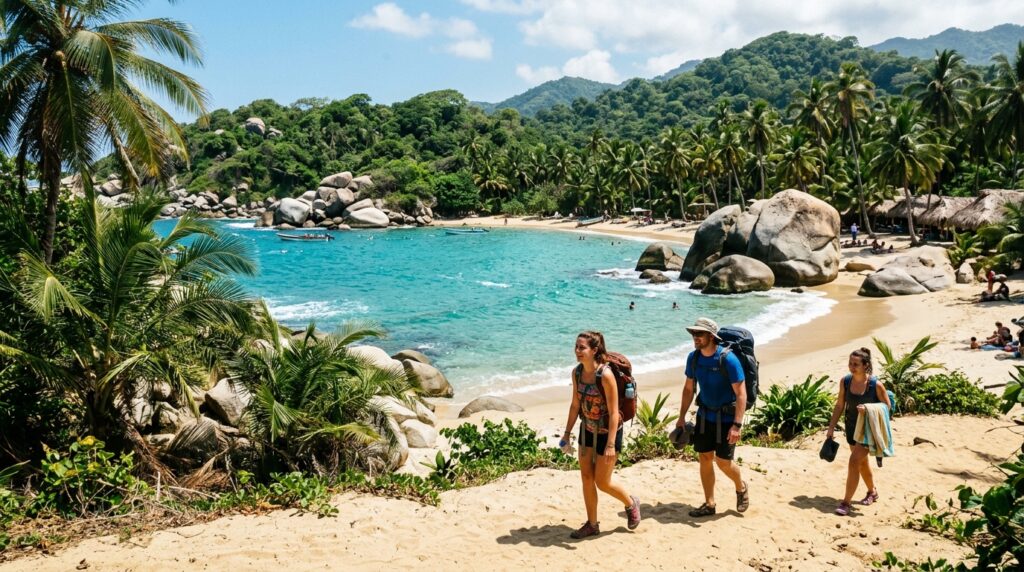
If you dream of hiking through the jungle to arrive at stunning Caribbean beaches, Tayrona National Park is for you. Located on Colombia’s northern coast near Santa Marta, this park offers a perfect mix of rainforest, white sandy beaches, and crystal-clear waters.
The Famous Hike to Cabo San Juan
The most popular trail takes you through dense jungle, past tropical vegetation, and across rocky coastlines to Cabo San Juan del Guía, arguably one of the most beautiful beaches in Colombia.
Hike Details:
- Distance: Approximately 9 km (5.6 miles) one way from El Zaino entrance
- Duration: 3-4 hours hiking
- Difficulty: Moderate (some steep sections and rocky terrain)
- Cost: Entrance fee around 65,000-80,000 COP (varies by season and nationality)
Beach Options
Cabo San Juan: The crown jewel with turquoise waters, giant boulders, and a laid-back vibe. You can swim, sunbathe, and enjoy fresh seafood from beach vendors.
La Piscina: A natural swimming pool protected by rocks, perfect for safe swimming.
Arrecifes & La Arenilla: Beautiful beaches for sunbathing (swimming can be dangerous due to strong currents).
Camping & Hammocks
Camping overnight in a hammock or tent under the stars is an unforgettable experience. The park provides:
- Hammock rentals (bring your own hammock straps)
- Designated camping areas
- Basic bathrooms and showers
- Food vendors
Tip: The park closes for maintenance every year in February (dates vary). Check before planning your visit.
Wildlife Spotting
Keep an eye out for:
- Howler monkeys and white-faced capuchins swinging through the trees
- Exotic birds like toucans, parrots, and hummingbirds
- Iguanas sunbathing on rocks
- Occasionally, sloths in the canopy
Getting There
Fly into Santa Marta (the oldest city in Colombia), then take a 30-45 minute taxi or bus to the park entrance at El Zaino or Calabazo.
What to Bring
- Light, breathable clothing
- Swimwear
- Hiking shoes or sturdy sandals
- Insect repellent
- Sunscreen
- Cash (no ATMs in the park)
- Refillable water bottle
- Headlamp for early morning/night
#3: Villa de Leyva – A Step Back in Time
Recommended Stay: 2 days
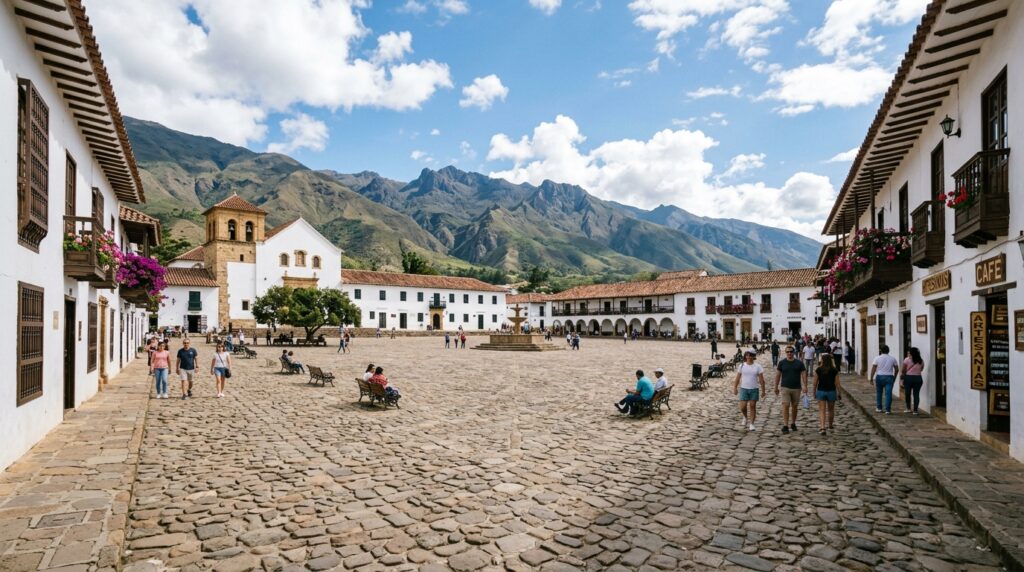
Villa de Leyva is one of Colombia’s best-preserved colonial towns, where time seems to have stood still. With its cobblestone streets, whitewashed buildings, and enormous main square (one of the largest in South America), this charming town feels like stepping back into the 16th century.
Main Attractions
Plaza Mayor: The town’s centerpiece is a massive cobblestone square surrounded by colonial architecture. It’s perfect for strolling, people-watching, and enjoying the peaceful atmosphere.
Casa Terracota: Visit the world’s largest clay house, an architectural wonder entirely made of baked clay. You can tour this whimsical structure and even climb to the top for views.
Paleontological Museum: Explore ancient fossils, including a complete 120-million-year-old Kronosaurus marine reptile skeleton discovered nearby.
Poso de Szula: Take a short trip to these stunning blue-green lagoons set in a desert-like landscape—a surreal contrast to the colonial town.
El Infiernito: Visit this pre-Columbian astronomical site with stone columns aligned to mark solstices and equinoxes.
Nearby Attractions
Santuario de Fauna y Flora Iguaque: A mystical high-altitude lake and paramo ecosystem, considered sacred by the Muisca indigenous people.
Book Town (Pueblo Libro): The nearby village of Sáchica has become a haven for book lovers with numerous bookstores and literary cafés.
Relaxation & Wellness
Villa de Leyva is known for its relaxed pace and wellness offerings:
- Yoga retreats
- Spa treatments
- Meditation centers
- Organic restaurants
Getting There
Villa de Leyva is located about 3-4 hours from Bogotá by bus or car. Regular buses depart from Bogotá’s Terminal del Norte.
Best Time to Visit
Weekdays are quieter than weekends when Colombians flock to this popular getaway. The town hosts several festivals throughout the year, including the International Kite Festival in August and the Festival of Lights in December.
#2: Cartagena – The Crown Jewel of Colombia
Recommended Stay: 3-4 days
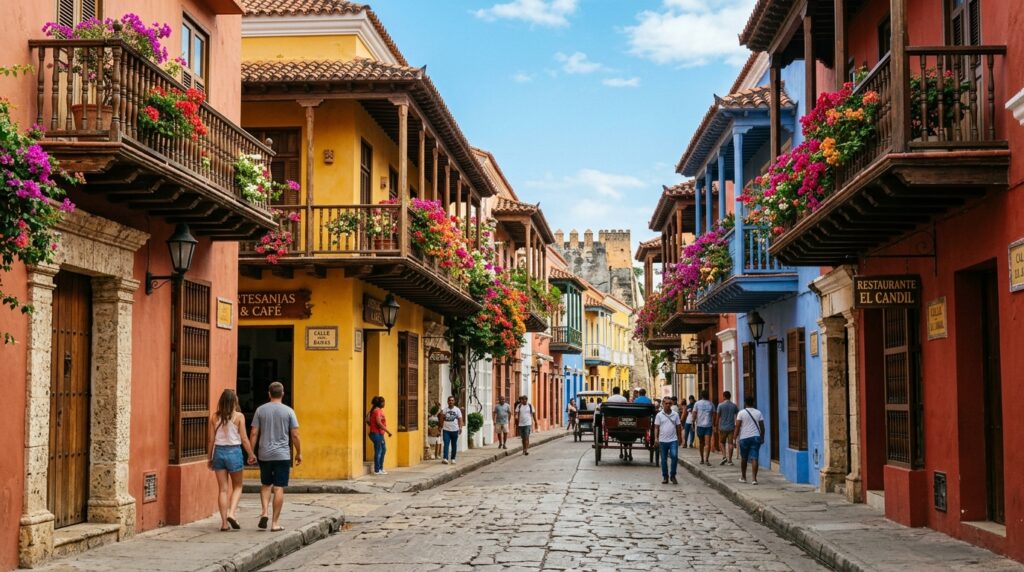
Cartagena is Colombia’s most famous and most visited city, and for good reason. This UNESCO World Heritage-listed walled city is a colorful mix of colonial architecture, Caribbean charm, vibrant nightlife, and world-class dining.
The Walled City (Ciudad Amurallada)
Walk through the Old Town, where every street is a postcard waiting to happen:
- Colorful colonial buildings with bougainvillea spilling over balconies
- Cobblestone streets perfect for wandering
- Charming plazas like Plaza de los Coches and Plaza Santo Domingo
- Historic churches and monasteries
- Boutique hotels in restored colonial mansions
San Felipe Castle
Visit the Castillo San Felipe de Barajas, a massive 17th-century fortress offering incredible views of the city and harbor. Explore the tunnels and learn about the city’s defensive history against pirates and invaders.
Getsemaní Neighborhood
Once a working-class area, Getsemaní has become the city’s hippest neighborhood:
- Vibrant street art and murals
- Trendy bars and cafés
- Local nightlife and live music
- Plaza de la Trinidad, where locals gather every evening
- More affordable accommodation options
Rosario Islands
Just outside the city, take a boat to the Rosario Islands, a tropical paradise with:
- Crystal-clear blue waters
- White sandy beaches
- Excellent snorkeling and diving
- Beach clubs and eco-lodges
- Day trip or overnight options
Beaches
While Cartagena’s city beaches (Bocagrande, El Laguito) are convenient, they’re not the most beautiful. For pristine beaches, head to:
- Isla Barú and Playa Blanca (30-45 minutes by boat)
- Rosario Islands (1 hour by boat)
Food & Dining
Cartagena’s culinary scene is exceptional:
- Fresh seafood and Caribbean specialties
- Ceviche and fried fish with coconut rice
- Arepa de huevo (egg-stuffed arepa)
- Postre de natas (traditional dessert)
- Rooftop restaurants with sunset views
- Street food in Getsemaní
Nightlife
Cartagena comes alive at night with:
- Salsa and champeta music
- Rooftop bars
- Beach clubs
- Live music venues
- Dancing until dawn
Weather
Cartagena is hot and humid year-round (27-32°C / 81-90°F). The dry season (December-April) is the most comfortable time to visit.
Getting Around
The walled city and Getsemaní are very walkable. Use taxis or ride-sharing apps for longer distances. Horse-drawn carriages offer romantic tours of the Old Town.
#1: Ciudad Perdida (The Lost City) – Colombia’s Ultimate Adventure
Recommended Stay: 4-5 days (for the trek)
At number one, we have one of South America’s most incredible hikes: The Lost City Trek to Ciudad Perdida (Teyuna). Deep in the Sierra Nevada mountains, this ancient city was built by the Tayrona civilization over 1,200 years ago—making it 650 years older than Machu Picchu!
The Trek
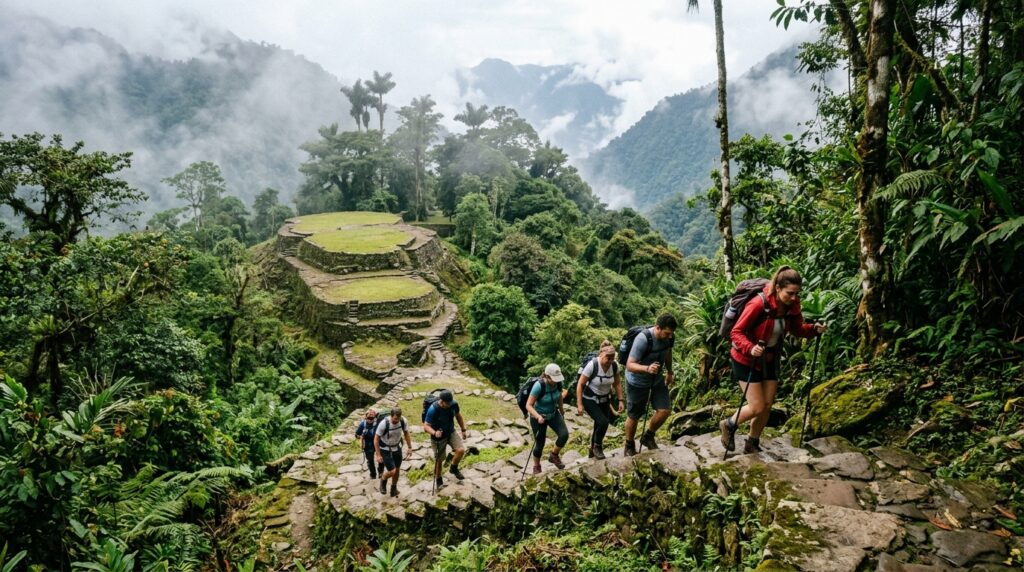
Getting to Ciudad Perdida requires a 4 to 5-day trek through dense jungle, crossing rivers multiple times, climbing steep trails, and ascending 1,200 stone steps to reach the ruins. This is not a casual hike—it’s a true adventure.
Trek Details:
- Duration: 4-5 days (round trip)
- Distance: Approximately 44 km (27 miles) round trip
- Difficulty: Moderate to challenging
- Best time: December-March and June-September (dry seasons)
- Temperature: Hot and humid, 25-35°C (77-95°F)
- Mandatory: You must go with an authorized tour operator
What to Expect
Day 1: Start from Mamey, trek 12 km through farmland and jungle, cross rivers, camp at Adán or Hate Day 2: Trek 10 km, more river crossings, visit indigenous Kogi and Wiwa communities, camp at Wiwa or Teyuna Day 3: Early start, climb the infamous 1,200 stone steps, explore Ciudad Perdida ruins, descend and camp Day 4-5: Trek back to Mamey (can be done in one long day or split into two)
The Reward
The breathtaking view of the Lost City surrounded by misty mountains and lush rainforest is truly unforgettable. The terraced ruins, stone pathways, and ceremonial plazas offer a glimpse into the sophisticated Tayrona civilization.
Indigenous Communities
The Sierra Nevada is home to four indigenous groups: the Kogi, Wiwa, Arhuaco, and Kankuamo. Your trek passes through their territories, and you’ll learn about their culture and spiritual connection to the land. Respect their customs and ask permission before taking photos.
What to Pack
- Lightweight, quick-dry clothing
- Sturdy hiking boots (broken in!)
- Sandals for river crossings
- Swimsuit
- Insect repellent (strong!)
- Sunscreen
- Headlamp
- Water bottles or hydration system
- Snacks
- Cash for souvenirs and tips
- Waterproof bags for electronics
- Basic first aid kit
Physical Requirements
While you don’t need to be an athlete, you should:
- Be in reasonable physical condition
- Be comfortable hiking 6-8 hours per day
- Handle heat and humidity
- Be okay with basic camping conditions
- Cross rivers (sometimes waist-deep)
Booking Your Trek
You must book with an authorized operator. Reputable companies include:
- Wiwa Tour
- Explooro
- Colombian Treks
- Green Force
Cost: $250-350 USD, typically including:
- Licensed guide
- Meals (3 per day)
- Camping equipment
- Mule support for luggage
- Entrance fees
- Safety equipment
Getting to the Trailhead
Fly to Santa Marta, then take a 1.5-hour jeep ride to Mamey, where the trek begins.
Alternative: Shorter Options
If the 4-5 day trek is too demanding, some operators offer:
- 2-day express treks (very rushed, not recommended)
- Day hikes to nearby waterfalls and indigenous villages
Planning Your Colombia Itinerary
Suggested Timeframes
1 Week: Focus on one region
- Cartagena + Tayrona National Park
- Bogotá + Coffee Region
- Medellín + Guatapé
2 Weeks: Combine regions
- Bogotá (2 days) → Coffee Region (3 days) → Medellín (3 days) → Cartagena (4 days)
3+ Weeks: Ultimate Colombia
- Add Cali, San Andrés, Villa de Leyva, or the Lost City trek
Budget Expectations
Colombia is very affordable for travelers:
- Budget: $30-50 USD/day (hostels, street food, public transport)
- Mid-range: $50-100 USD/day (private rooms, restaurants, some tours)
- Luxury: $150+ USD/day (boutique hotels, fine dining, private tours)
Cultural Tips
- Greetings: Colombians are warm and friendly. A handshake or cheek kiss (among women) is common.
- Punctuality: “Colombian time” is flexible for social events, but be on time for tours and business.
- Tipping: 10% is standard in restaurants if service isn’t included.
- Language: Spanish is essential outside tourist areas. Learn basic phrases!
- Respect: Always ask before photographing people, especially in indigenous communities.
Final Thoughts
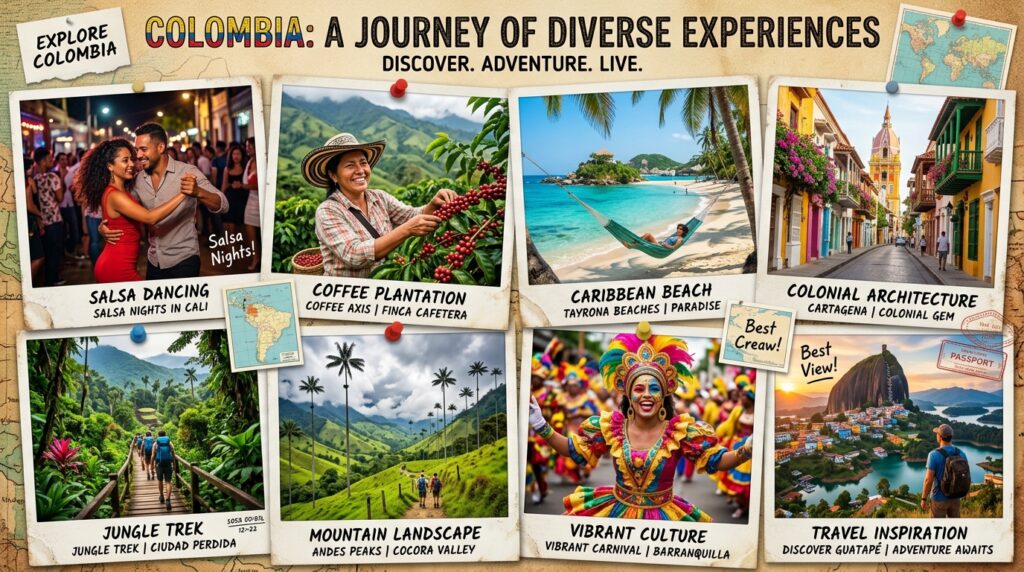
Colombia is one of the most diverse and exciting countries you can visit, offering stunning beaches, vibrant cities, breathtaking mountains, and rich culture. Whether you’re dancing salsa in Cali, exploring colonial Cartagena, hiking through Tayrona, trekking to the Lost City, or sipping coffee in Salento, Colombia will leave you in awe.
The country’s transformation over the past two decades is nothing short of remarkable, and visiting now means you’ll experience a destination that’s both authentic and rapidly evolving. Colombians are incredibly welcoming, the food is delicious, the landscapes are diverse, and the adventures are endless.
Now that you know the top 10 must-visit places, the only question is: where will you start your Colombian adventure?
Ready to explore Colombia? Start planning your trip today, and don’t forget to respect local cultures, travel responsibly, and embrace the incredible diversity this amazing country has to offer. ¡Buen viaje!
Travel Resources & Further Reading
- Official Tourism: Colombia.travel
- Visa Information: Check with Colombian consulate in your country
- Travel Insurance: Always recommended for adventure activities
- Vaccinations: Yellow fever recommended for Amazon and some coastal areas
- Currency: Colombian Peso (COP). ATMs widely available in cities.
Visa requirements, flight schedules, and entry policies may change over time. Always verify current information with official sources before traveling.