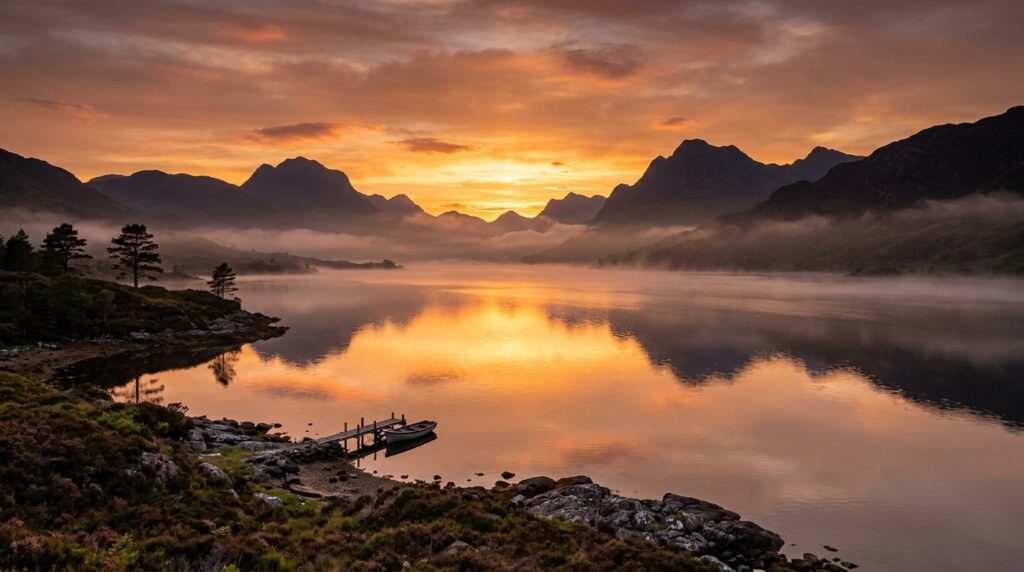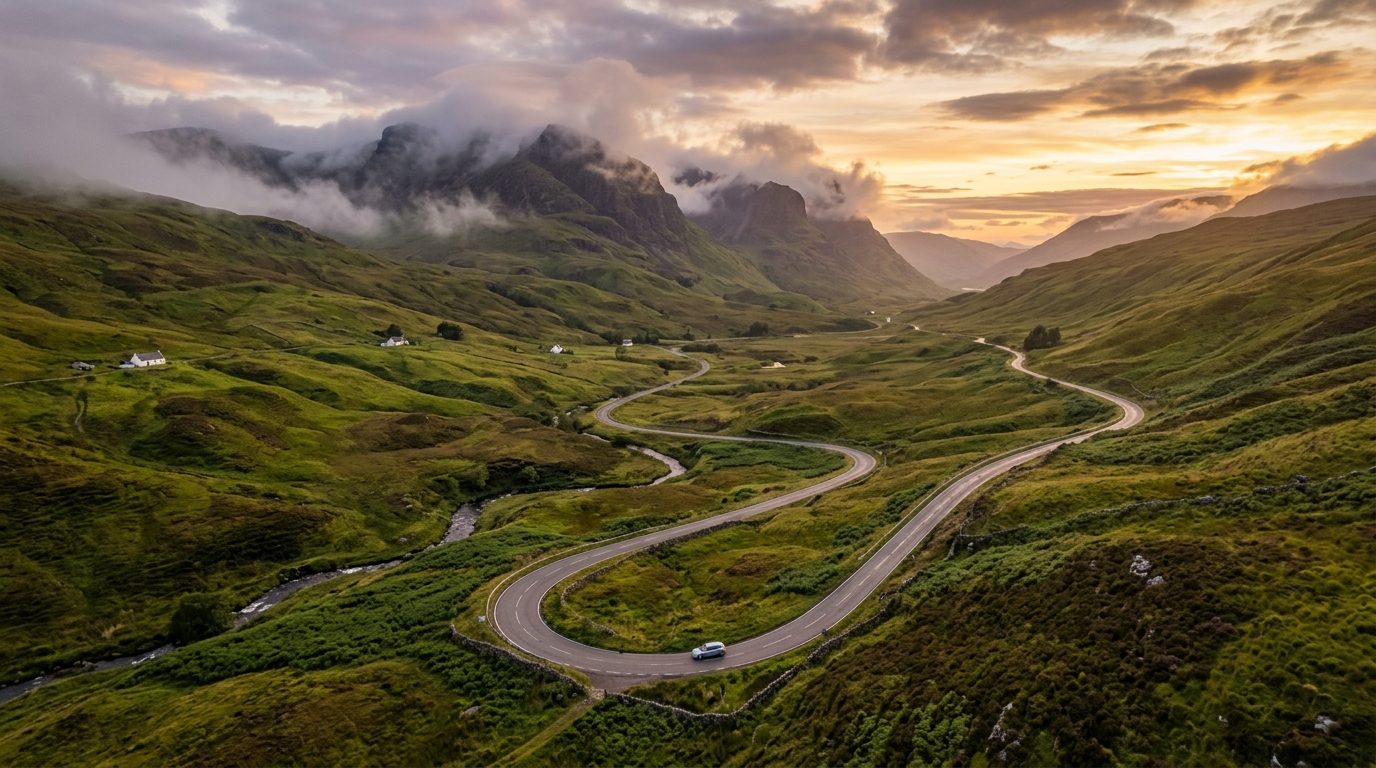

The Scottish Highlands offer some of the most scenic and remote drives in the world. With rugged mountains, mystical lochs, and charming villages, a road trip through this enchanting region is like stepping into another world. From the historic streets of Edinburgh to the dramatic landscapes of the Isle of Skye and the legendary North Coast 500, this comprehensive itinerary will guide you through an unforgettable Highland adventure.
Starting Your Journey: Edinburgh, the Gateway to the Highlands
Every great Highland adventure begins in Scotland’s magnificent capital. Edinburgh perfectly blends historical charm, vibrant culture, and modern excitement, making it the ideal starting point for your road trip. Before you head north, spend at least two days exploring this UNESCO World Heritage city.
Walk the cobbled streets of the Old Town, where medieval buildings tell stories dating back centuries. Visit the iconic Edinburgh Castle, perched dramatically atop Castle Rock, and allow 2-3 hours to explore its historic rooms, Crown Jewels, and the Stone of Destiny. Don’t miss the panoramic views from Arthur’s Seat, an ancient volcano offering breathtaking vistas over the city—plan for a 2-hour hike to the summit.
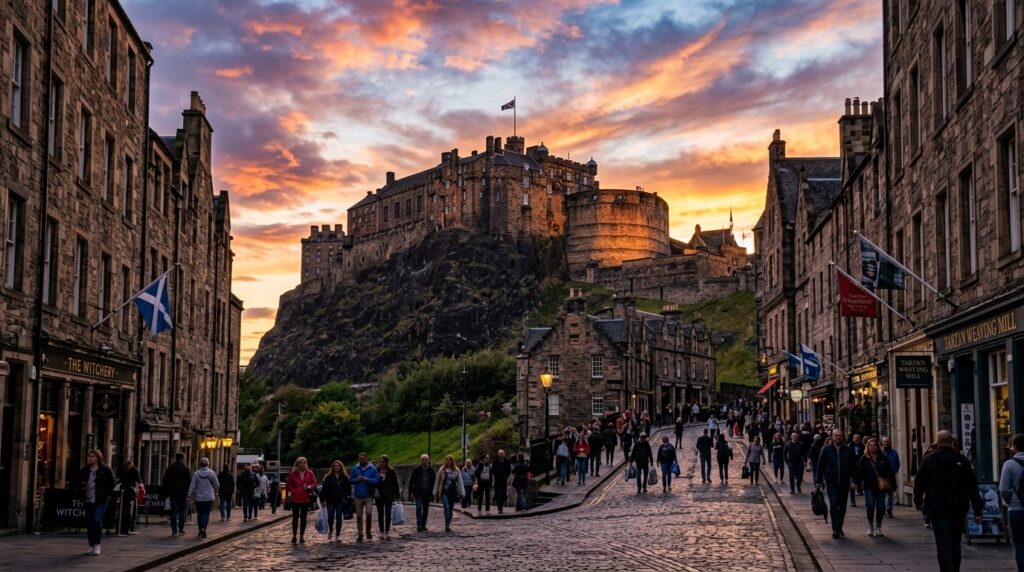
Before hitting the road, fuel up with an authentic Scottish breakfast featuring haggis, black pudding, and traditional porridge at local cafes like The Kitchin or Dishoom. Stock up on supplies at Edinburgh’s markets, and ensure your rental car is equipped for Highland driving.
Transportation Tip: Rent a compact car with good fuel efficiency for narrow Highland roads. Book at least 2-3 weeks in advance, especially during peak season (May-September).
Stirling: A Historic Stop on Your Route
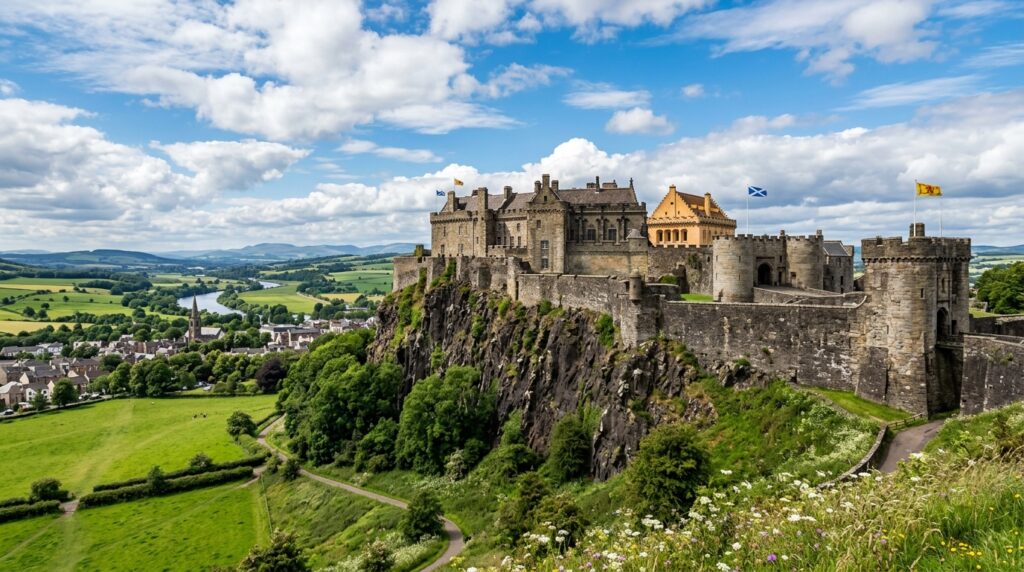
Just 37 miles northwest of Edinburgh lies Stirling, one of Scotland’s most historically significant cities. This should be your first major stop, requiring approximately 1 hour of driving time. Stirling Castle dominates the city’s skyline and witnessed numerous pivotal moments in Scottish history, including the coronation of Mary, Queen of Scots.
Allocate 2-3 hours to explore the castle’s Renaissance palace, Great Hall, and regimental museum. The audio guide provides fascinating insights into Scottish royalty and warfare. Afterward, visit the National Wallace Monument, standing 220 feet tall on Abbey Craig hilltop. The 30-minute climb rewards you with magnificent views across the Carse of Stirling and the Ochil Hills.
Cultural Highlight: Learn about William Wallace, the legendary hero of Scotland’s Wars of Independence, whose story inspired the film “Braveheart.”
Loch Lomond & The Trossachs National Park: Scotland’s Miniature Highlands
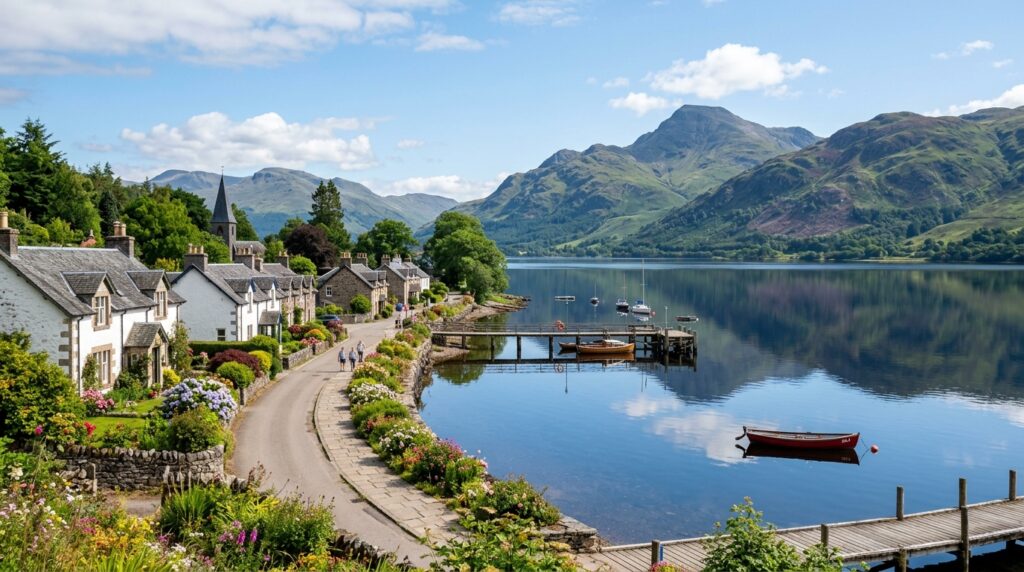
Continue northward to Loch Lomond & The Trossachs National Park, often called the gateway to the Highlands. This stunning park encompasses 720 square miles of tranquil lochs, rolling hills, and ancient woodlands. The drive from Stirling takes approximately 45 minutes.
Loch Lomond, Scotland’s largest freshwater loch by surface area, offers numerous viewpoints along its shores. Stop at Balloch for lakeside walks, or venture to Luss, a picturesque village with traditional stone cottages. Consider a 1-hour boat cruise on Loch Lomond to appreciate its scale and beauty from the water.
For active travelers, hike Ben Lomond (3,196 feet), the most southerly Munro. The ascent takes 4-5 hours round trip and rewards with panoramic views across the loch and surrounding peaks. Alternatively, explore the quieter eastern shores at Rowardennan, where you can walk part of the famous West Highland Way.
Food Recommendation: Stop at the Oak Tree Inn in Balmaha for traditional Scottish fare with loch views, or try the award-winning pies at the Loch Lomond Shores food court.
Glencoe: The Valley of Giants
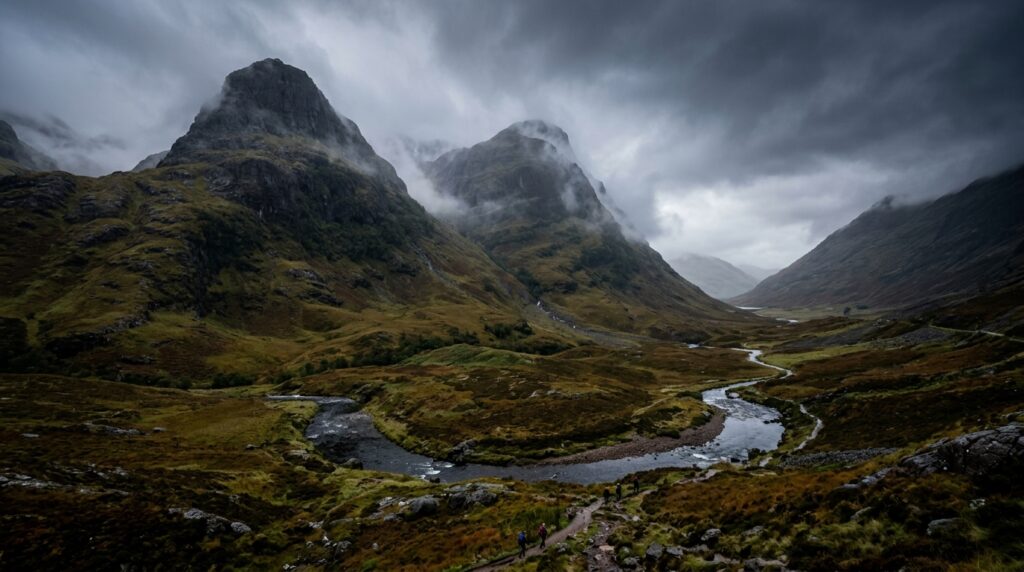
As you venture further north, the scenery becomes increasingly dramatic. Glencoe, approximately 90 minutes from Loch Lomond, is a valley that looks straight out of a fantasy film. Towering mountains flank both sides, cascading waterfalls tumble down ancient rock faces, and a profound sense of history permeates the landscape.
Glencoe’s rugged beauty is matched only by its tragic past. The infamous Glencoe Massacre of 1692, where members of Clan MacDonald were killed by government forces, adds a haunting dimension to this spectacular glen. Visit the National Trust for Scotland visitor center to understand this dark chapter in Highland history.
Outdoor Activities:
- Three Sisters hike: 3-4 hours moderate walk offering spectacular valley views
- Lost Valley (Coire Gabhail): 2-hour round trip to where the MacDonalds hid their stolen cattle
- Buchaille Etive Mòr photography: Iconic pyramid-shaped mountain perfect for landscape shots
- Steall Falls walk: 1.5 hours through dramatic gorge to Scotland’s second-highest waterfall
Weather Advice: Glencoe weather changes rapidly. Always carry waterproof layers, even on seemingly clear days. Winter months (November-March) can bring snow and ice—check road conditions before traveling.
Fort William: The Outdoor Adventure Capital
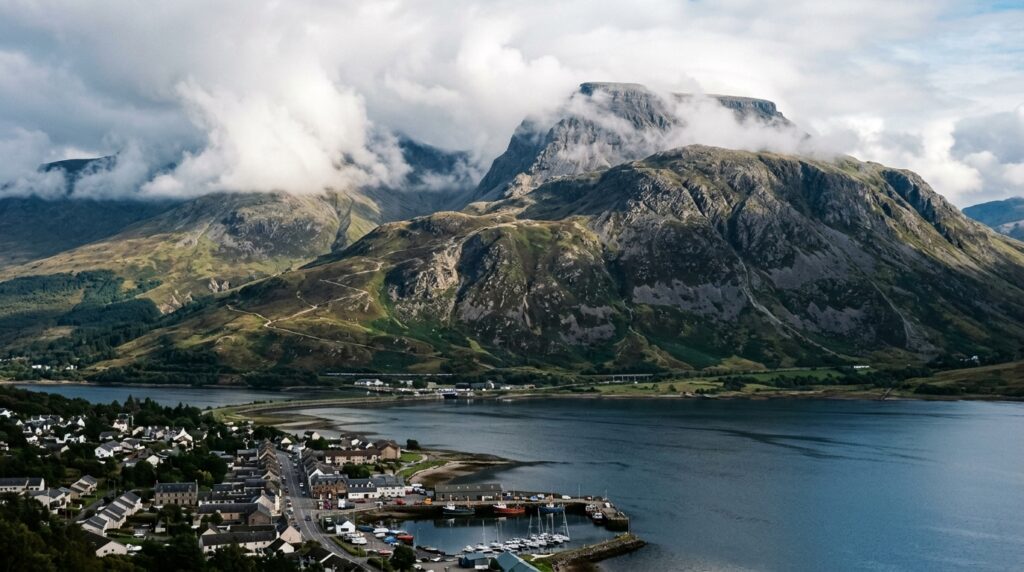
Fort William, situated at the foot of Ben Nevis (4,413 feet), the UK’s highest mountain, serves as the outdoor adventure capital of Scotland. This bustling town, reached in about 45 minutes from Glencoe, offers countless activities for nature enthusiasts.
Adventure Options:
- Ben Nevis ascent: 7-9 hours round trip for experienced hikers only
- Nevis Range mountain biking: World-class trails accessible via gondola
- Glen Nevis walk: Gentle 2-hour stroll through stunning scenery
- West Highland Way: Join this famous long-distance trail for a section hike
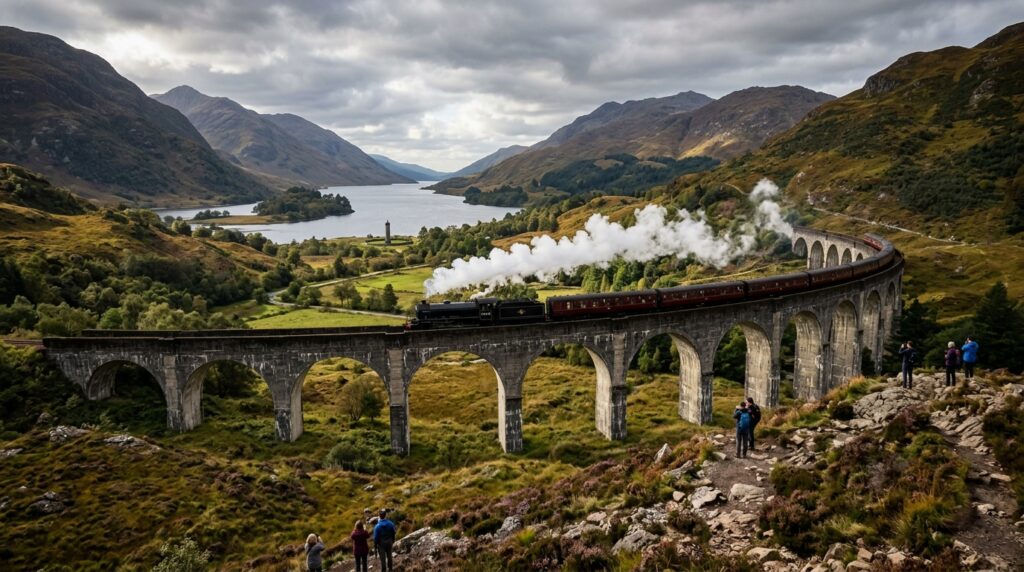
- Jacobite Steam Train: Take the “Hogwarts Express” to Mallaig (book months ahead)
Food & Accommodation: Fort William offers excellent dining options. Try the Grog & Gruel for hearty Scottish cuisine, or the Crannog Seafood Restaurant for fresh local catches. The town provides various accommodation options from budget hostels to luxury hotels.
The Road to Mallaig: A Journey Through Beauty
The drive from Fort William to Mallaig along the Road to the Isles is one of Scotland’s most breathtaking routes. This 42-mile journey takes approximately 1.5 hours without stops, but allow half a day to fully appreciate the stunning coastal scenery.
You’ll pass through remote villages like Arisaig and Morar, where white sandy beaches meet turquoise waters—a surprising contrast to typical Highland imagery. Stop at the Glenfinnan Viaduct, famous for its appearance in the Harry Potter films. Time your visit with the Jacobite Steam Train crossing (usually 10:45 AM and 3:00 PM) for the perfect photo opportunity.
Unique Experience: Visit the Silver Sands of Morar, where Caribbean-blue waters lap against pristine white beaches. It’s an unexpected slice of paradise in the Scottish Highlands.
Isle of Skye: The Crown Jewel of the Highlands
The Isle of Skye, accessible via the Skye Bridge from Kyle of Lochalsh, stands as the crown jewel of any Highland road trip. This otherworldly island, requiring at least 2-3 days to explore properly, features dramatic cliffs, mystical castles, and landscapes that seem plucked from fantasy.
Must-Visit Skye Locations:
The Old Man of Storr: This iconic rock formation requires a 1.5-hour round-trip hike but rewards with some of Skye’s most photographed views. Arrive early (before 9 AM) to avoid crowds.
Fairy Pools: Located near Glen Brittle, these crystal-clear blue pools and waterfalls nestled beneath the Cuillin Mountains are magical. Allow 2 hours for the walk and swimming (bring a wetsuit—the water is cold year-round!).
Quiraing: A spectacular landslip offering dramatic rock formations and panoramic views. The 4.5-mile loop takes 2-3 hours and showcases Skye’s geological wonders.
Neist Point: Western Skye’s most westerly point features a picturesque lighthouse and excellent whale-watching opportunities. Visit at sunset for unforgettable views.
Dunvegan Castle: Scotland’s oldest continuously inhabited castle, home to Clan MacLeod for over 800 years. Allocate 2 hours to explore the castle and beautiful gardens.

Food Recommendation: Don’t miss the Skye Pie Company in Portree for traditional Scottish pies, or the Three Chimneys in Colbost for award-winning seafood with stunning views.
Transportation Tip: Skye’s single-track roads require patience. Use passing places on the left to let faster vehicles overtake. Fuel up in Portree or Broadford—stations are limited elsewhere.
Inverness: The Capital of the Highlands
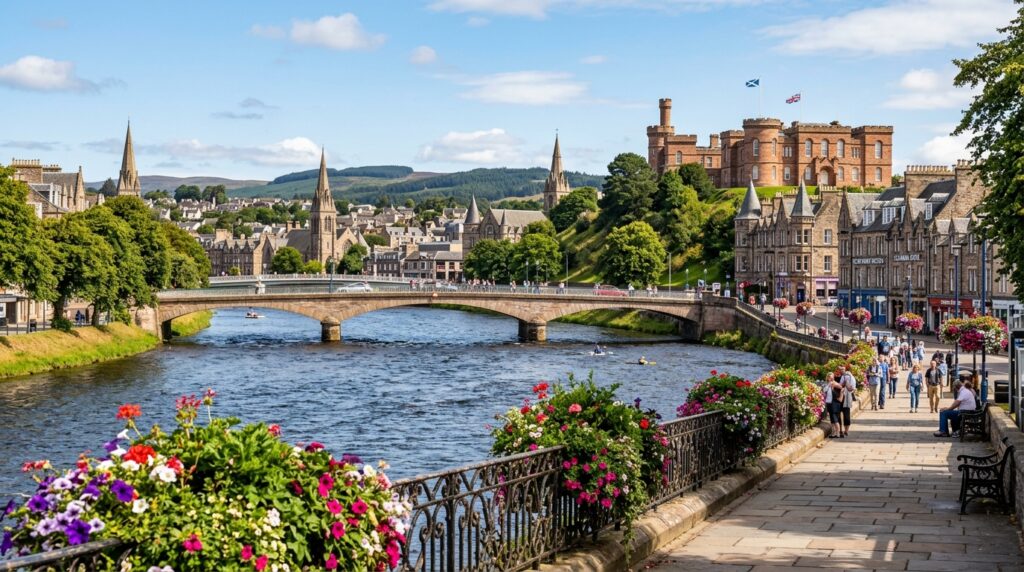
Inverness, the Highland capital, offers the perfect blend of history, culture, and natural beauty. Situated on the banks of the River Ness, this charming city serves as an excellent base for exploring the northern Highlands and the legendary Loch Ness.
City Highlights:
- Inverness Castle: Currently undergoing renovation, but the grounds offer excellent River Ness views
- St. Andrew’s Cathedral: Beautiful 19th-century Gothic revival architecture
- Victorian Market: Bustling indoor market with local crafts, food, and souvenirs
- River Ness walks: Scenic riverside paths perfect for evening strolls
Loch Ness Adventure: Just 15 minutes from Inverness, Loch Ness beckons with its mysterious depths. Join a 1-hour boat cruise from Drumnadrochit to search for Nessie while learning about the loch’s geology and history. Visit Urquhart Castle ruins, dramatically positioned on the loch’s shores, allowing 1.5 hours for exploration.
Cultural Experience: Attend a traditional ceilidh (Scottish social gathering with music and dance) at Hootananny, Inverness’s famous live music venue.
The North Coast 500: Scotland’s Ultimate Road Trip
The North Coast 500 (NC500), often dubbed Scotland’s Route 66, represents the crown jewel of Highland road trips. This 516-mile circular route from Inverness around Scotland’s northern coast showcases dramatic mountain landscapes, rugged coastlines, remote villages, ancient castles, and pristine beaches.
Recommended Duration: 5-7 days minimum to fully appreciate this epic journey.
Key NC500 Highlights:
Wester Ross: Dramatic scenery including Beinn Eighe mountain and the stunning beaches of Achiltibuie.
Applecross: The challenging Bealach na Bà pass (one of Britain’s highest mountain passes) leads to this remote peninsula with spectacular views.
Ullapool: Charming fishing village with excellent seafood restaurants and ferry connections to the Outer Hebrides.
Durness & Smoo Cave: Visit Scotland’s most northwesterly village and explore the impressive sea cave with its underground waterfall.
John o’ Groats: Scotland’s northeastern tip, marking one end of mainland Britain.
Duncansby Head: Dramatic sea stacks offering spectacular coastal scenery.
Thurso & Scrabster: Historic towns with excellent beaches and ferry connections to Orkney.
Wildlife Watching: The NC500 offers exceptional opportunities to spot dolphins, seals, whales, puffins, and Highland cattle. Carry binoculars and a camera!

Practical NC500 Tips:
- Book accommodation well in advance (6-12 months for summer)
- Carry cash—many remote areas don’t accept cards
- Fuel up whenever possible—stations can be 50+ miles apart
- Respect local communities and follow the Scottish Outdoor Access Code
- Drive carefully on single-track roads, using passing places courteously
Essential Scottish Highlands Travel Information
Best Time to Visit
May-September offers the best weather with longer daylight hours (in June, it stays light until 10 PM). However, this is peak tourist season. April-May and September-October provide fewer crowds with reasonable weather. Winter (November-March) offers dramatic landscapes and Northern Lights possibilities but limited daylight and challenging driving conditions.
Weather Considerations
Highland weather is notoriously unpredictable. Pack layers, waterproof jackets, sturdy walking boots, and warm clothing regardless of season. Temperatures range from 5-20°C (41-68°F) in summer and -5 to 7°C (23-45°F) in winter.
Transportation Essentials
- Car Rental: Essential for Highland exploration. Book early for automatic transmission vehicles
- Driving: Scotland drives on the left. Single-track roads are common—use passing places on the left
- Fuel: Diesel and petrol stations can be sparse in remote areas
- Parking: Most attractions offer free parking; some popular spots charge £3-5
Budget Guidelines
- Accommodation: £60-150 per night (B&Bs to hotels)
- Food: £25-40 per day for meals
- Fuel: Approximately £80-120 for a week-long trip
- Attractions: Many natural sites are free; castles charge £10-16
Cultural Etiquette
- Respect private property and follow the Scottish Outdoor Access Code
- Support local businesses in remote communities
- Ask permission before photographing people or private property
- Leave no trace when hiking or camping
Conclusion: Your Highland Adventure Awaits
A Scottish Highlands road trip offers an unparalleled journey through some of the world’s most spectacular landscapes. From Edinburgh’s historic streets to the dramatic peaks of Skye, from the mystical waters of Loch Ness to the remote beauty of the North Coast 500, this itinerary provides the perfect framework for your Highland adventure.
Remember to embrace the unpredictability of Highland weather, take time to chat with friendly locals, and allow flexibility in your schedule for unexpected discoveries. Whether you’re hiking ancient glens, tasting world-class whisky, or simply gazing at a loch shrouded in mist, the Scottish Highlands will capture your heart and leave you planning your return journey before you’ve even left.
Slàinte mhath (good health) and safe travels on your Highland road trip!