From Lisbon’s sun-drenched hills to Porto’s enchanting riverside charm, Portugal has captured the hearts of travelers worldwide. This captivating European gem seamlessly blends ancient history with modern vibrancy, offering world-class cuisine, breathtaking coastal landscapes, and a warmth that makes every visitor feel like family. Whether you’re wandering through cobblestone alleyways, sipping exceptional port wine, or indulging in freshly baked pastéis de nata, Portugal delivers an unforgettable experience that keeps travelers returning year after year.
In this comprehensive Lisbon and Porto travel guide, we’ll explore the top ten reasons why Portugal has emerged as one of the world’s most sought-after destinations, along with practical tips to help you plan your perfect Portuguese adventure.
Why Portugal Should Be Your Next Destination
Portugal’s rise as a premier travel destination isn’t accidental. With over 300 days of sunshine annually, stunning Atlantic coastline, rich maritime history, and some of Europe’s most affordable luxury experiences, this compact nation packs an extraordinary punch. The country’s two crown jewels—Lisbon and Porto—each offer distinct personalities while sharing the same irresistible Portuguese soul.
Lisbon, the vibrant capital, charms visitors with its seven hills, vintage trams, and melancholic fado music echoing through narrow streets. Porto, Portugal’s second city, enchants with its UNESCO-listed historic center, iconic Dom Luís I Bridge, and world-renowned wine cellars. Together, these cities create the perfect introduction to Portuguese culture, cuisine, and hospitality.
10. Affordable Luxury Without Compromise

Unlike many Western European destinations, Portugal delivers exceptional value without sacrificing quality. Your travel budget stretches remarkably further here, allowing you to experience luxury that would break the bank in Paris, London, or Rome.
Where Your Money Goes Further:
Dining: Enjoy a spectacular seafood feast at an oceanfront restaurant for €25-35 per person—prices that would easily triple in France or Italy. Fresh grilled sardines, succulent octopus, and daily catch specials are staples at reasonable prices.
Accommodations: Boutique hotels in Lisbon’s trendy Príncipe Real or Porto’s Ribeira district often cost 30-40% less than comparable properties in other European capitals. You can find beautifully restored properties with modern amenities for €80-150 per night.
Wine: World-class Portuguese wines, including prestigious port and vinho verde, are remarkably affordable. A glass of excellent wine typically costs €3-6, and bottles from renowned producers start at just €8-15.
Transportation: Portugal’s efficient public transport system makes getting around inexpensive and easy. Metro, tram, and bus tickets in Lisbon cost around €1.50-2.00 per ride, while trains between Lisbon and Porto (about 3 hours) start at €25-35.
Pro Tip: Purchase a Lisboa Card or Porto Card for unlimited public transport and free/discounted museum entry—excellent value for sightseeing-heavy itineraries.
9. Spectacular Beaches and Coastal Beauty
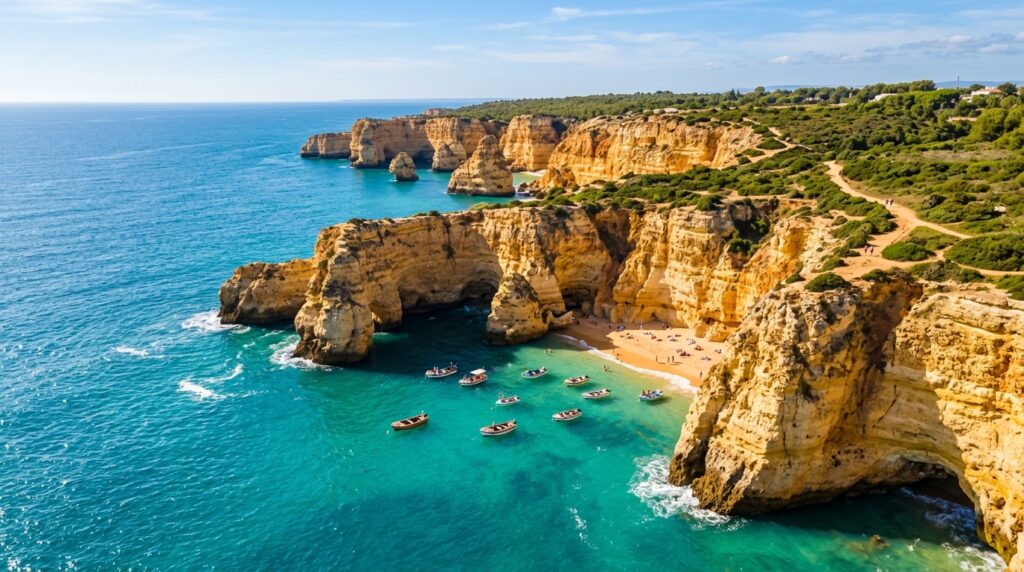
Portugal’s 1,794-kilometer coastline is nothing short of spectacular, offering everything from serene golden beaches to world-famous surfing destinations.
Must-Visit Coastal Destinations:
The Algarve: Southern Portugal’s Algarve region features dramatic limestone cliffs, hidden grottos, and pristine beaches. Praia da Marinha and Benagil Cave are absolutely unmissable.
Cascais and Estoril: Just 30 minutes from Lisbon, these charming coastal towns offer beautiful beaches, upscale resorts, and a sophisticated atmosphere perfect for day trips or extended stays.
Nazaré: This fishing village has gained international fame for producing record-breaking waves that attract extreme surfers from around the globe. Even if you’re not surfing, watching the massive waves from the clifftop lighthouse is breathtaking.
Porto’s Northern Beaches: Matosinhos and Foz do Douro offer windswept Atlantic beaches perfect for surfing, beach walks, and fresh seafood dining.
Best Time for Beach Visits: June through September offers the warmest water temperatures (18-22°C/64-72°F), though the Atlantic remains refreshingly cool year-round.
8. A Paradise for Food Lovers
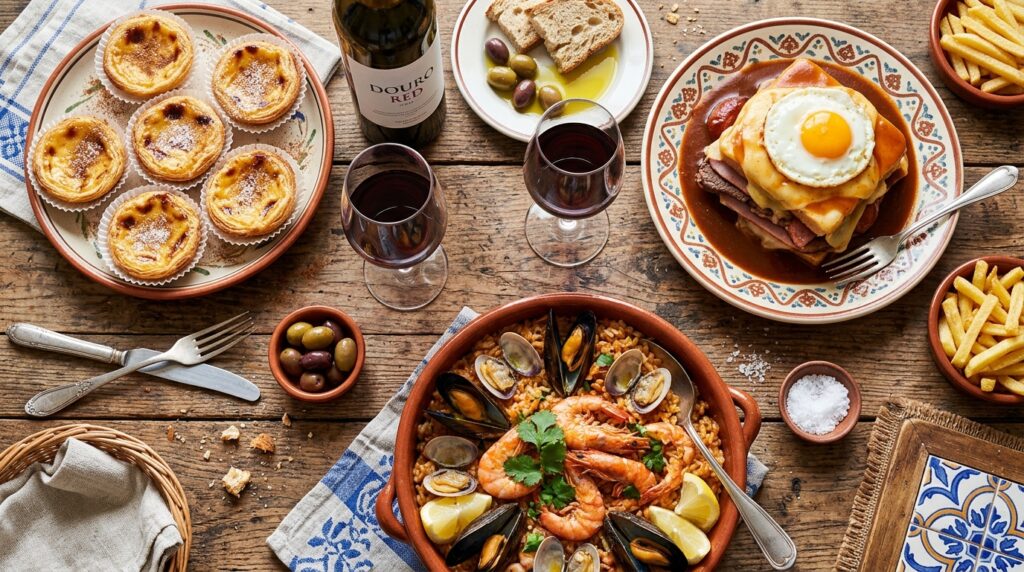
Portuguese cuisine represents a delightful fusion of Atlantic freshness, Mediterranean influences, and centuries of culinary tradition. From Michelin-starred establishments to family-run tascas, every meal is an adventure.
Lisbon’s Culinary Specialties:
Pastéis de Nata: These heavenly custard tarts with crispy pastry and cinnamon dusting are Portugal’s most iconic dessert. Visit Pastéis de Belém in Lisbon, the original bakery since 1837, for the authentic experience.
Bacalhau: Salted codfish prepared in countless ways—bacalhau à brás (shredded cod with eggs and potatoes), bacalhau com natas (cod with cream), or simply grilled.
Seafood Rice (Arroz de Marisco): A rich, flavorful rice dish loaded with fresh shellfish, tomatoes, and aromatic herbs.
Porto’s Signature Dishes:
Francesinha: Porto’s indulgent sandwich creation layers ham, sausage, and steak, covers everything in melted cheese, and drowns it in a rich tomato-beer sauce. It’s decadent, delicious, and uniquely Portuense.
Tripas à Moda do Porto: A hearty tripe stew that reflects Porto’s resourceful culinary history.
Wine Pairing: Every meal pairs perfectly with Portuguese wines—crisp vinho verde with seafood, robust Douro reds with meat dishes, and sweet port for dessert.
Food Tour Recommendation: Book a guided food tour in both cities to discover hidden gems and learn about Portuguese culinary traditions from local experts.
7. Porto’s Unmatched Wine Culture

While France and Italy dominate wine conversations, Portugal quietly produces some of the world’s finest wines. Porto, the birthplace of legendary port wine, is an absolute must-visit for oenophiles.
The Douro Valley Experience:
Just outside Porto lies the Douro Valley, one of the world’s oldest designated wine regions (established in 1756). This UNESCO World Heritage landscape features terraced vineyards cascading down to the Douro River, creating one of Europe’s most stunning wine country vistas.
Wine Experiences in Porto:
Historic Wine Lodges: Cross the Dom Luís I Bridge to Vila Nova de Gaia, where centuries-old port wine lodges like Taylor’s, Graham’s, and Sandeman offer tours and tastings. Learn about the port wine production process while sampling tawny, ruby, and vintage ports.
Wine Bars: Porto’s wine bar scene has exploded, with establishments like Adega São Nicolau and Wine School Porto offering extensive Portuguese wine lists and expert guidance.
Douro River Cruises: Take a half-day or full-day cruise through the Douro Valley, stopping at quintas (wine estates) for tastings and traditional Portuguese lunches with valley views.
Beyond Port: Don’t miss trying Vinho Verde (young, slightly sparkling white wine), Douro reds, and Alentejo wines—Portugal’s diversity extends far beyond port.
6. Lisbon’s Irresistible Charm

Lisbon, Portugal’s vibrant capital, is a city of captivating contrasts where ancient traditions meet contemporary energy. Its seven hills create natural viewpoints (miradouros) offering breathtaking panoramas at every turn.
Neighborhoods to Explore:
Alfama: Lisbon’s oldest district is a maze of narrow streets, hidden squares, and traditional houses. This is where fado music was born—listen to its haunting melodies echoing through taverns in the evening. Don’t miss São Jorge Castle and the Sé Cathedral.
Bairro Alto and Príncipe Real: These trendy neighborhoods come alive at night with chic bars, art galleries, boutique shops, and innovative restaurants. By day, explore antique shops and relax in the beautiful Jardim do Príncipe Real.
Belém: Home to iconic monuments from Portugal’s Age of Exploration, including Belém Tower, Jerónimos Monastery, and the Monument to the Discoveries. This is also where you’ll find the original Pastéis de Belém bakery.
Chiado: An elegant shopping district with historic cafés like A Brasileira, theaters, and bookshops, including the famous Bertrand (world’s oldest operating bookstore since 1732).
Getting Around:
Lisbon’s vintage Tram 28 is both transportation and tourist attraction, winding through historic neighborhoods. However, it’s often crowded—consider riding early morning or evening. The metro system is modern and efficient for longer distances.
5. The Timeless Beauty of Porto
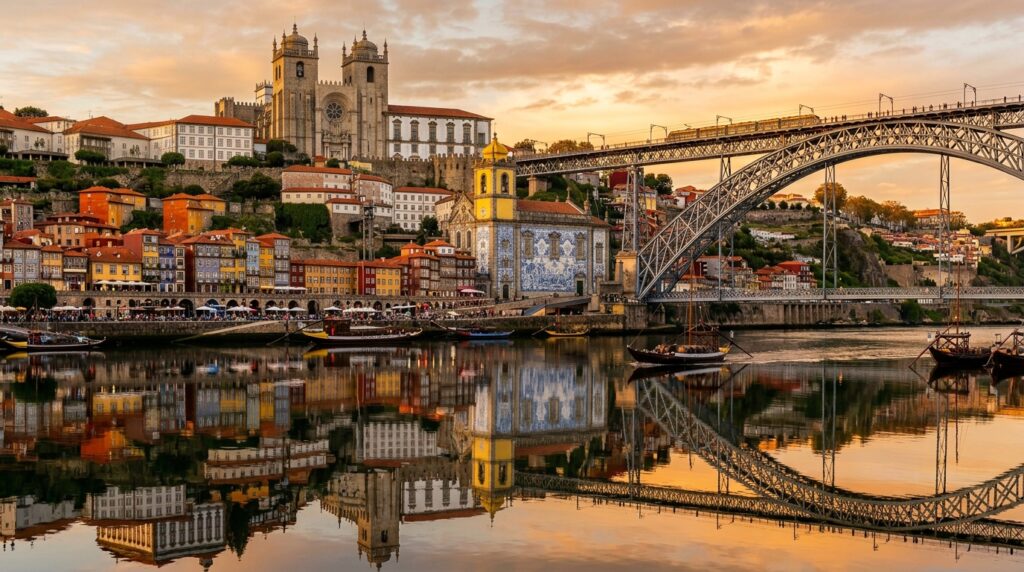
Porto, Portugal’s second city, perfectly balances old-world charm with urban cool. Its compact historic center, a UNESCO World Heritage Site since 1996, is best explored on foot.
Porto’s Must-See Attractions:
Ribeira District: The colorful riverside neighborhood with stacked houses, lively squares, and waterfront restaurants is one of Europe’s most photogenic spots. Evening strolls along the Douro are magical.
Dom Luís I Bridge: This iconic double-deck iron bridge, designed by a student of Gustave Eiffel, connects Porto to Vila Nova de Gaia. Walk the upper level for spectacular views (but watch your step—it’s high!).
Livraria Lello: Often cited as one of the world’s most beautiful bookstores, this neo-Gothic masterpiece features a stunning red staircase and ornate ceiling. J.K. Rowling reportedly drew inspiration from it for Harry Potter.
Clérigos Tower: Climb the 240 steps for 360-degree views over Porto’s red-tiled rooftops and the Douro River.
São Bento Railway Station: Marvel at the 20,000 azulejo (blue tile) panels depicting Portuguese history in this stunning train station.
Porto’s Pace: Porto feels more relaxed than Lisbon, with a slower pace that encourages lingering over coffee, wine, and conversation.
4. The Warm and Welcoming Portuguese People
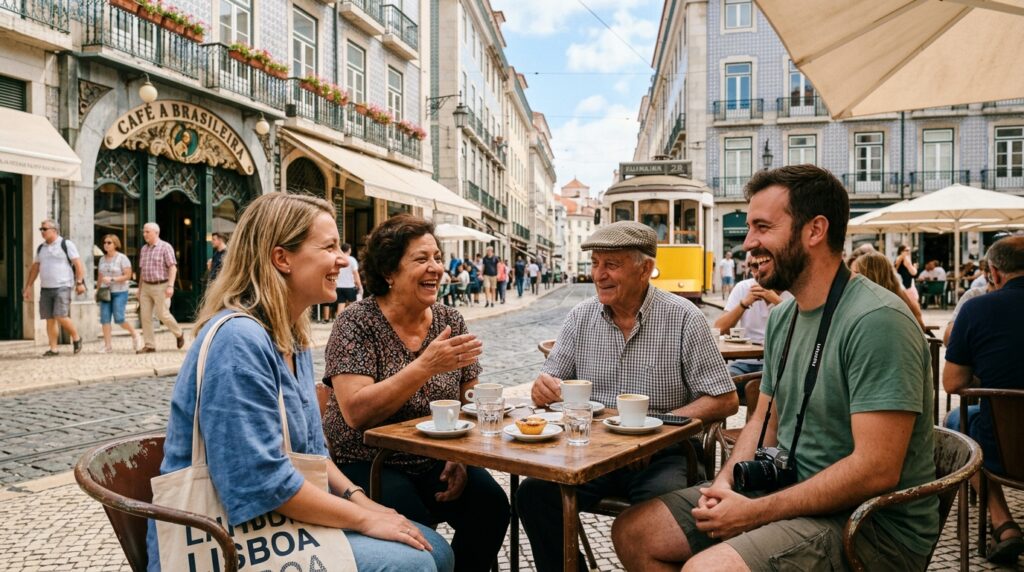
One of Portugal’s greatest treasures is its people. The Portuguese are renowned for their warmth, genuine hospitality, and patience with visitors attempting to speak their language.
What Makes Portuguese Hospitality Special:
Genuine Friendliness: Locals consistently go out of their way to help visitors, whether giving detailed directions, recommending hidden restaurants, or inviting you to local festivals.
Relaxed Pace: The Portuguese embrace a slower, more mindful approach to life. Meals are savored, conversations flow naturally, and there’s less rush than in many other European countries.
Pride in Culture: Portuguese people are proud of their heritage and delighted to share their traditions, food, and history with interested visitors.
Language: While Portuguese is the official language, English is widely spoken in tourist areas, especially among younger people. Learning a few basic Portuguese phrases (bom dia = good morning, obrigado/obrigada = thank you) is greatly appreciated.
Safety: Portugal consistently ranks as one of the safest countries in the world, with low crime rates and a strong sense of community.
3. A Perfect Blend of History and Modernity

Portugal masterfully balances its rich historical heritage with forward-thinking modern culture, creating destinations that appeal to diverse interests.
Historical Treasures:
Age of Exploration: Lisbon’s Belém district showcases Portugal’s maritime golden age through monuments like Belém Tower and Jerónimos Monastery, both UNESCO World Heritage Sites.
Porto’s Medieval Core: The historic center preserves centuries of architecture from Roman walls to baroque churches.
Azulejo Art: Blue ceramic tiles adorn buildings throughout Portugal, telling stories and decorating everything from churches to train stations.
Contemporary Creativity:
Lisbon’s Street Art: The city’s street art scene rivals Berlin’s, with neighborhoods like LX Factory and Marvila featuring works by international and local artists.
Porto’s Tech Hub: Porto is emerging as a technology and innovation center, attracting startups and digital nomads from around the world.
Modern Architecture: From Álvaro Siza Vieira’s contemporary designs to the striking Casa da Música concert hall in Porto, modern Portuguese architecture is world-class.
Cultural Scene: Both cities host vibrant music festivals, art exhibitions, and cultural events year-round.
2. The Best Weather in Europe
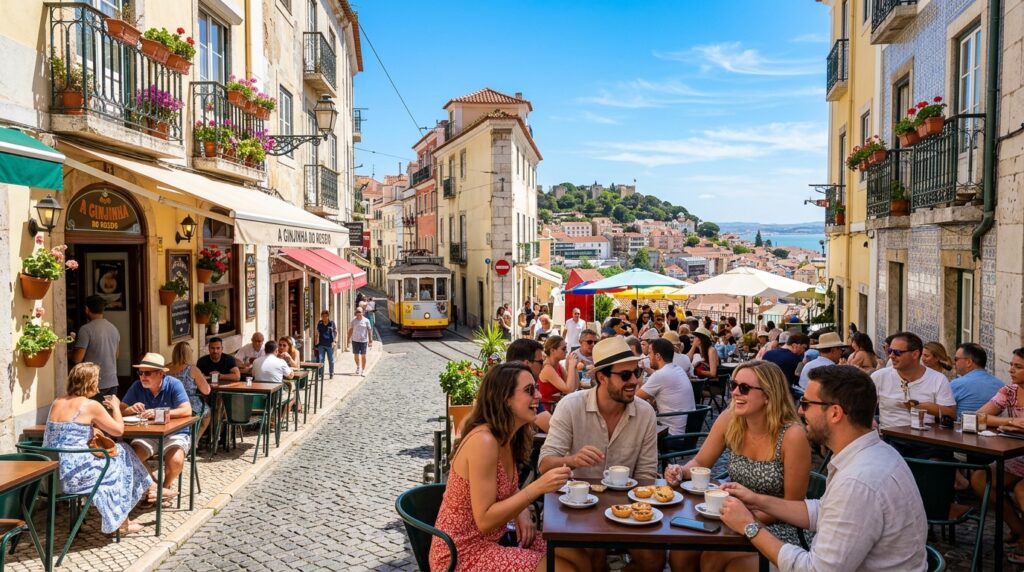
Portugal boasts over 300 days of sunshine annually, making it one of Europe’s sunniest and most climatically pleasant destinations.
Seasonal Breakdown:
Spring (March-May): Mild temperatures (15-22°C/59-72°F), blooming flowers, fewer crowds, and ideal weather for sightseeing and hiking. This is arguably the best time to visit.
Summer (June-August): Warm but rarely scorching thanks to cooling Atlantic breezes (25-30°C/77-86°F). Perfect for beach time, though popular destinations can be crowded. Book accommodations well in advance.
Autumn (September-November): Still warm and sunny (18-25°C/64-77°F) with harvest season in wine regions. Excellent time for wine tours and outdoor activities with fewer tourists.
Winter (December-February): Mild compared to most of Europe (10-15°C/50-59°F), with occasional rain. Perfect for city exploration, port wine by the fire, and experiencing local life without crowds.
Year-Round Destination: Portugal’s favorable climate makes it an excellent choice any time of year, each season offering unique advantages.
1. The Unforgettable Experience of Being in Portugal
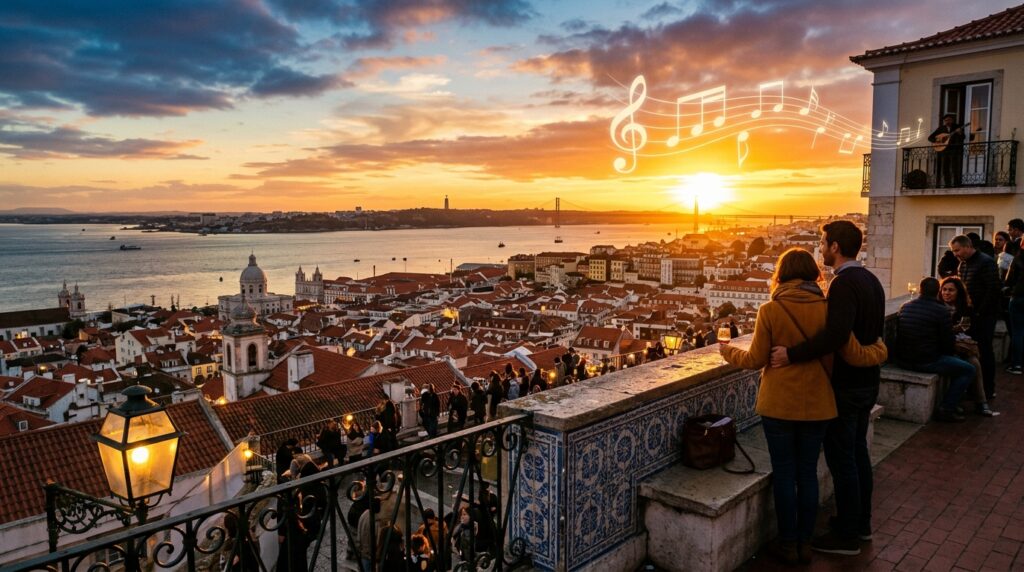
Beyond the beaches, food, wine, and historic sites, Portugal offers something intangible yet profoundly powerful: a feeling. It’s the golden glow of Lisbon at sunset, the aroma of freshly baked pastries filling narrow streets, the sound of fado drifting through evening air, and the sense that time slows down just enough to savor life’s simple pleasures.
Portugal invites you to pause, breathe, and embrace a more mindful way of traveling—and living. It’s a place that captures hearts and refuses to let go, where every visit reveals new layers of beauty, culture, and warmth.
Practical Travel Tips for Your Portugal Adventure
Getting There and Around:
Flights: Lisbon Airport (LIS) and Porto Airport (OPO) receive direct flights from major European cities and increasingly from North America. Book 2-3 months in advance for best prices.
Between Cities: The train from Lisbon to Porto takes about 3 hours and costs €25-35. Book through CP (Comboios de Portugal) website. Renting a car is ideal for exploring the Douro Valley and smaller towns.
Visa Requirements: EU citizens need only ID. US, Canadian, and UK citizens can stay up to 90 days visa-free for tourism. Always verify current requirements before travel as policies may change.
Suggested Itinerary:
7 Days: 4 days Lisbon + 3 days Porto 10 Days: 5 days Lisbon (with day trips to Sintra and Cascais) + 5 days Porto (with Douro Valley wine tour) 14 Days: Add the Algarve or explore central Portugal (Óbidos, Coimbra, Évora)
Budget Guidelines (per person per day):
Budget Traveler: €50-70 (hostels, public transport, casual dining) Mid-Range: €100-150 (3-star hotels, mix of public transport/taxis, restaurant meals) Luxury: €200+ (boutique hotels, private tours, fine dining)
Packing Tips:
- Comfortable walking shoes (Lisbon and Porto are hilly with cobblestones)
- Light layers even in summer (Atlantic breezes can be cool)
- Sunscreen and sunglasses (that Portuguese sun is strong!)
- Adaptor: Portugal uses Type F plugs (230V)
Conclusion: Your Portuguese Adventure Awaits
Portugal is more than just a trending travel destination—it’s a country that captures hearts and creates memories that last a lifetime. From Lisbon’s sun-drenched streets to Porto’s charming riverside beauty, from world-class wines to warm hospitality, Portugal offers an experience unlike any other.
The question isn’t why everyone is traveling to Portugal; it’s why you haven’t been there yet. Whether you’re drawn by the promise of affordable luxury, spectacular beaches, incredible food, or simply the chance to slow down and savor life, Portugal delivers on every promise.
Ready to explore? Start planning your Lisbon and Porto adventure today. Book those flights, reserve your accommodations, and prepare to fall in love with one of Europe’s most enchanting destinations. Portugal is waiting to welcome you with open arms and endless sunshine.