Every year, over 1 million travelers from around the world flock to Japan with one singular purpose: to witness the breathtaking spectacle of cherry blossoms in full bloom. This magical season, known as Sakura season, transforms the entire country into a mesmerizing sea of pink and white, creating one of the most awe-inspiring natural phenomena on Earth.
If you’ve ever dreamed of experiencing this enchanting time, you’re in the right place. This comprehensive guide will take you through everything you need to know about visiting Japan during cherry blossom season, from ancient traditions to practical travel tips.
What Makes Cherry Blossom Season in Japan So Special?
Japan’s cherry blossom season, or Sakura season, represents far more than just a beautiful natural display. It’s a deeply cultural phenomenon that has been celebrated for over a thousand years. The delicate flowers, with their soft pink and white petals, appear on trees across the entire country—from the bustling metropolitan streets of Tokyo and Kyoto to peaceful rural villages and scenic mountain parks.
What makes this season truly unique is its ephemeral nature. Cherry blossoms bloom for only a short period, typically one to two weeks, before gracefully falling to the ground. This fleeting beauty holds profound meaning in Japanese culture, symbolizing the transient nature of life and the importance of cherishing each moment. The Japanese concept of “mono no aware”—the bittersweet awareness of impermanence—is perfectly embodied in the Sakura.
10 Unforgettable Experiences During Sakura Season
10. The Arrival of Spring and New Beginnings
Cherry blossoms mark the official arrival of spring in Japan, bringing with them a palpable sense of renewal and hope. After the cold winter months, the country begins to shake off the chill as temperatures gradually warm. This isn’t just a transformation in nature—it’s a cultural shift that permeates every aspect of Japanese society.
The blooming of the Sakura coincides with the start of Japan’s fiscal and school year in April, making it a time of new beginnings, fresh starts, and exciting opportunities. As a visitor, you’ll feel this energizing atmosphere throughout the country. People emerge from winter hibernation with renewed spirits, and there’s an infectious optimism in the air. Witnessing this cultural awakening adds an extra layer of meaning to your cherry blossom experience.
9. The Magnificent Cherry Blossoms Themselves
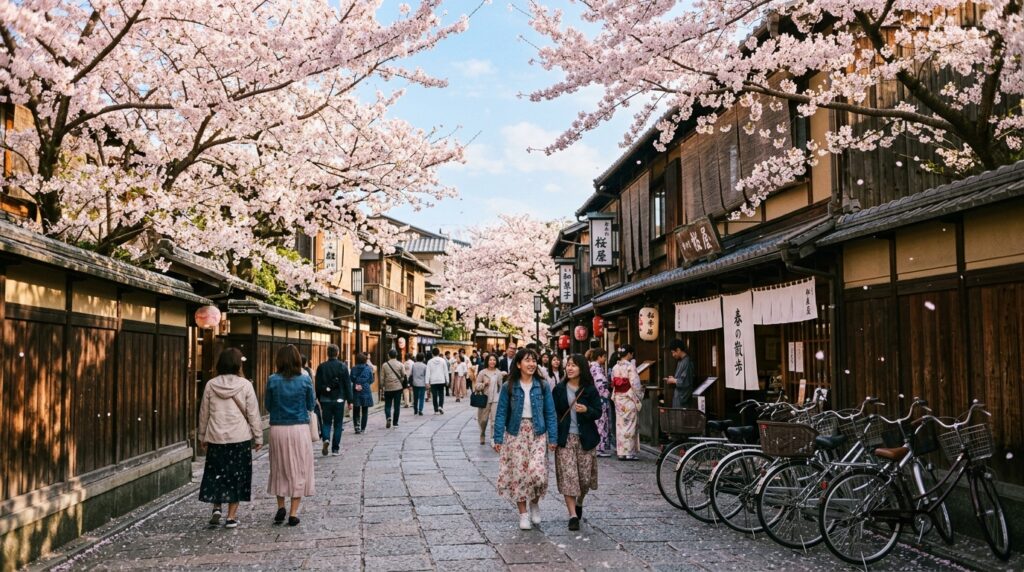
Let’s be honest—the cherry blossoms themselves are the undisputed stars of the show. These delicate flowers create landscapes so stunning they almost seem surreal. Imagine walking through parks where every tree is covered in layers of pale pink and white blossoms, creating a canopy that filters sunlight into a soft, dreamlike glow.
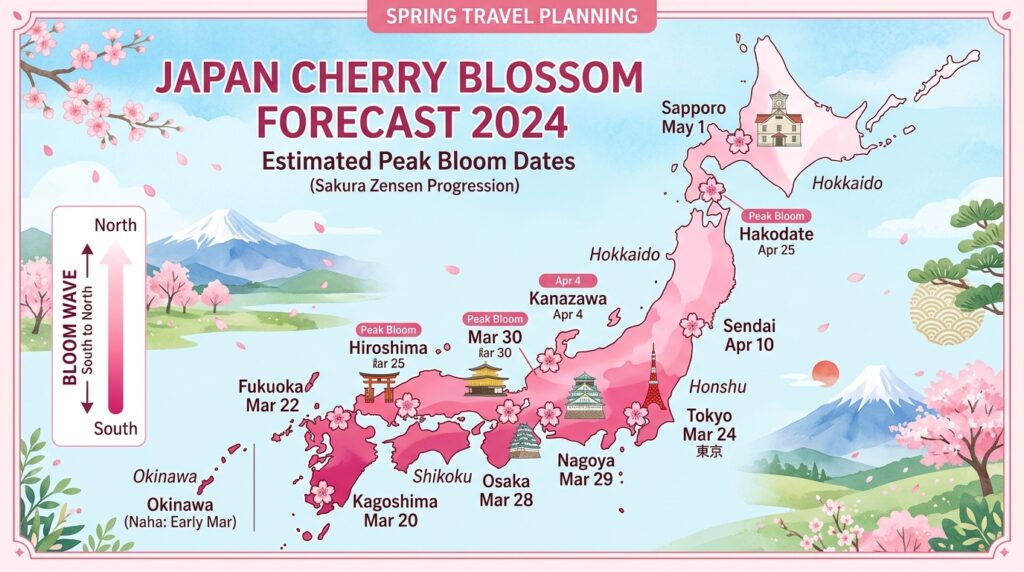
The cherry blossom front, or “sakura zensen,” moves northward through Japan, beginning in the southern regions around late March and reaching northern areas like Hokkaido by late April or early May. This means the timing of your visit can determine which regions you’ll experience at peak bloom. Popular destinations like Tokyo, Kyoto, and Osaka typically see their best blooms in late March to early April.
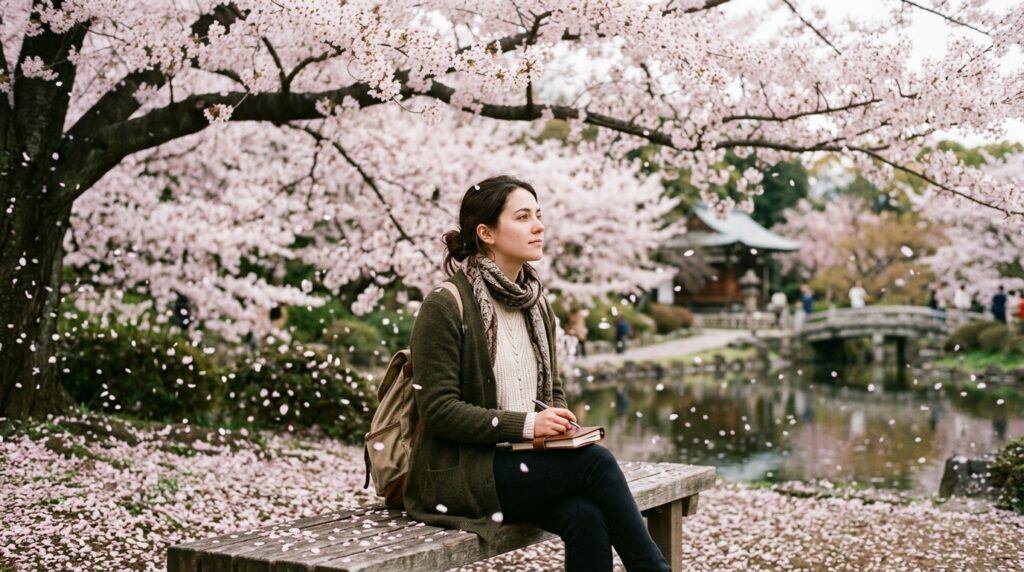
The sight of petals gently drifting through the air—a phenomenon the Japanese poetically call “hana ikusa” or “flower snow”—creates an otherworldly atmosphere that photographs simply cannot fully capture. You have to experience it firsthand to truly understand its magic.
8. Hanami: The Traditional Cherry Blossom Viewing Party
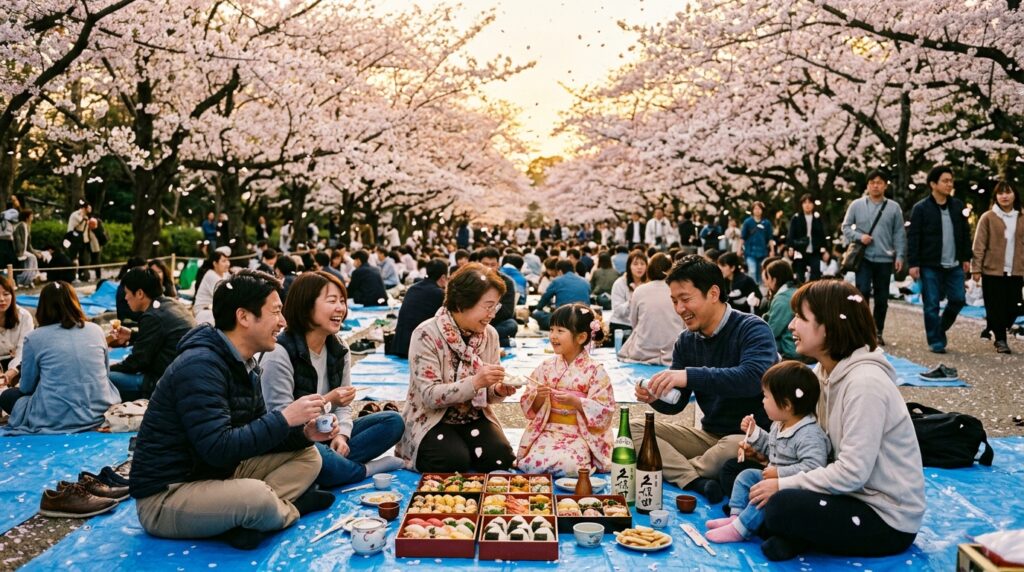
Hanami, which literally translates to “flower viewing,” is one of Japan’s most beloved and enduring traditions. Dating back over a thousand years to the Nara period, this custom brings together families, friends, coworkers, and even strangers to celebrate the beauty of the cherry blossoms.
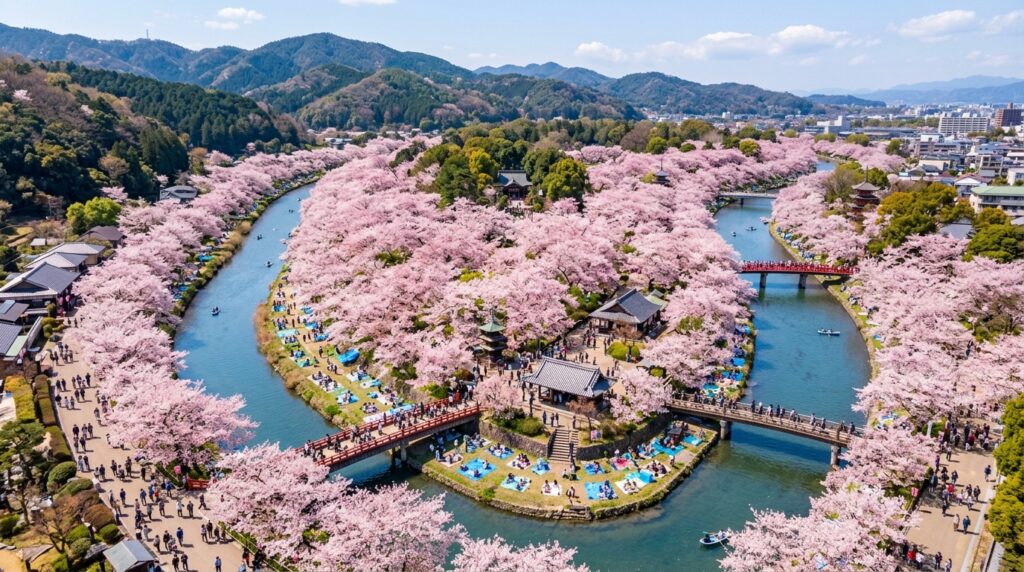
During hanami season, parks and gardens transform into lively social hubs. You’ll see groups of people spreading out blue tarps or picnic blankets beneath the cherry trees, sharing food, drinks, and conversation. The atmosphere is joyful, festive, and wonderfully communal. Traditional hanami foods include bento boxes, onigiri (rice balls), yakitori (grilled chicken skewers), and plenty of sake or beer.
What makes hanami special isn’t just the beautiful scenery—it’s the sense of community and shared appreciation for nature’s fleeting beauty. As a visitor, joining a hanami gathering offers you a unique window into Japanese social customs and the chance to connect with locals in a relaxed, celebratory setting. Many parks welcome everyone, and you might find yourself invited to share a meal with new friends.
7. Yozakura: Nighttime Cherry Blossom Viewing
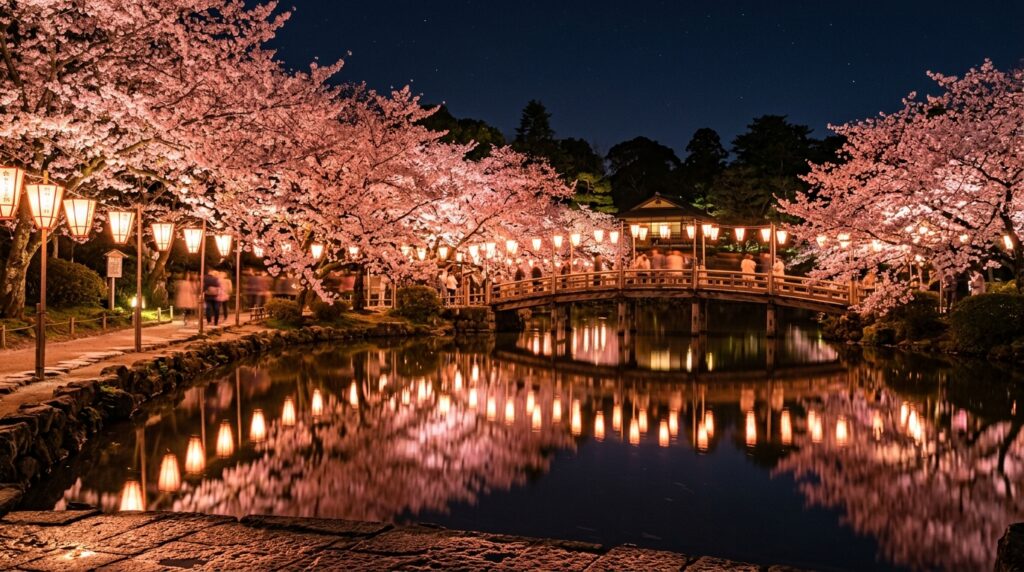
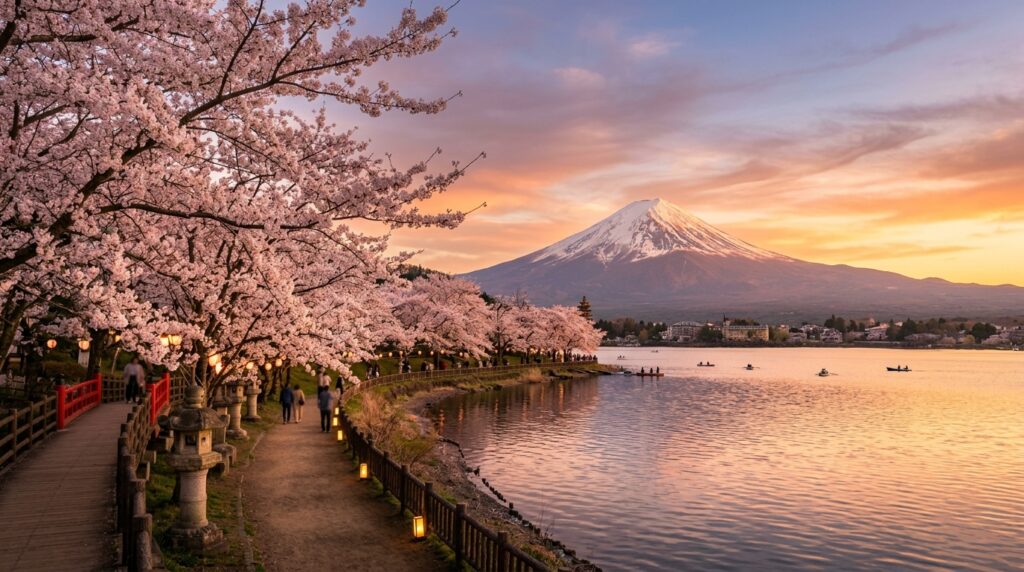
While daytime hanami is absolutely beautiful, experiencing cherry blossoms at night—known as Yozakura—adds an entirely different dimension of enchantment to the season. As evening falls, many parks, temples, and streets illuminate the cherry trees with carefully placed lanterns and lights, creating a magical, ethereal atmosphere.
The soft glow of paper lanterns against the delicate pink and white blossoms creates a dreamlike quality that feels almost mystical. The contrast between the dark night sky and the illuminated flowers makes the blossoms appear to glow from within. Walking through a park or along a riverside path lined with lit cherry trees during Yozakura is an experience that stays with you forever.
Some of the best Yozakura spots include Tokyo’s Ueno Park, Kyoto’s Maruyama Park, and Osaka Castle Park. Many locations extend their viewing hours well into the evening during peak bloom, allowing you to experience the blossoms in this special nighttime setting. The serene beauty of Yozakura, combined with fewer crowds than daytime viewing, makes it one of the most romantic and memorable aspects of cherry blossom season.
6. The Sweet Aroma of Spring
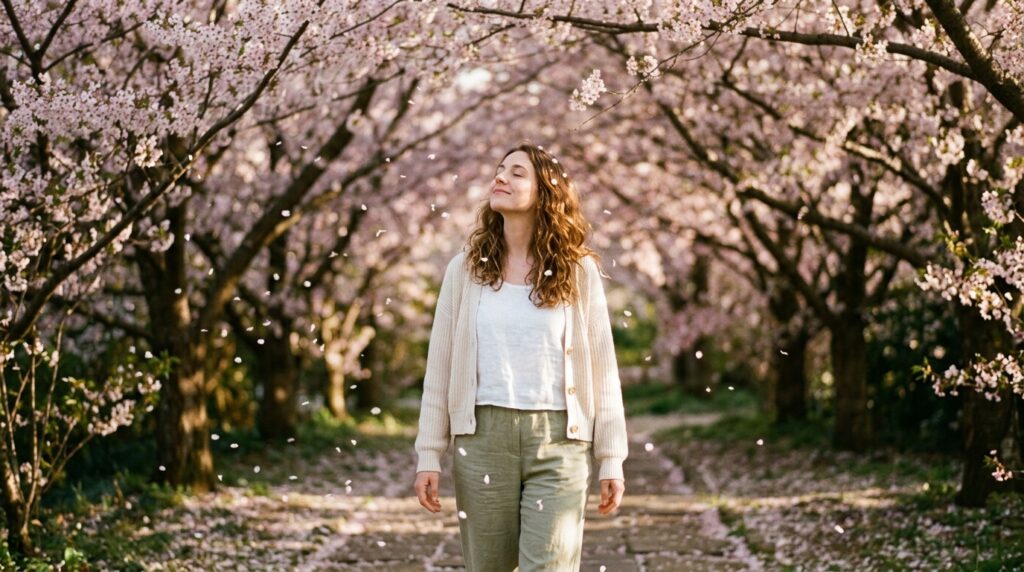
One of the most overlooked yet delightful aspects of cherry blossom season is the subtle, enchanting fragrance that fills the air. While cherry blossoms aren’t known for an overpowering scent, they do release a delicate, sweet aroma that mixes beautifully with the fresh spring air.
This subtle fragrance becomes part of the entire Sakura experience, creating a sensory memory that’s as powerful as the visual beauty. As you stroll through cherry blossom-lined paths, the gentle scent enhances the peaceful, almost meditative quality of the moment. It’s a fragrance that evokes calm, renewal, and the promise of spring.
Many visitors report that the scent of cherry blossoms becomes inextricably linked to their memories of Japan, triggering powerful nostalgia years later. It’s one of those subtle details that makes experiencing Sakura season in person so much more meaningful than simply viewing photographs.
5. Unparalleled Photographic Opportunities
For photography enthusiasts, cherry blossom season in Japan is nothing short of paradise. Whether you’re a professional photographer with high-end equipment or simply someone who loves capturing memories with a smartphone, the photographic opportunities are endless.
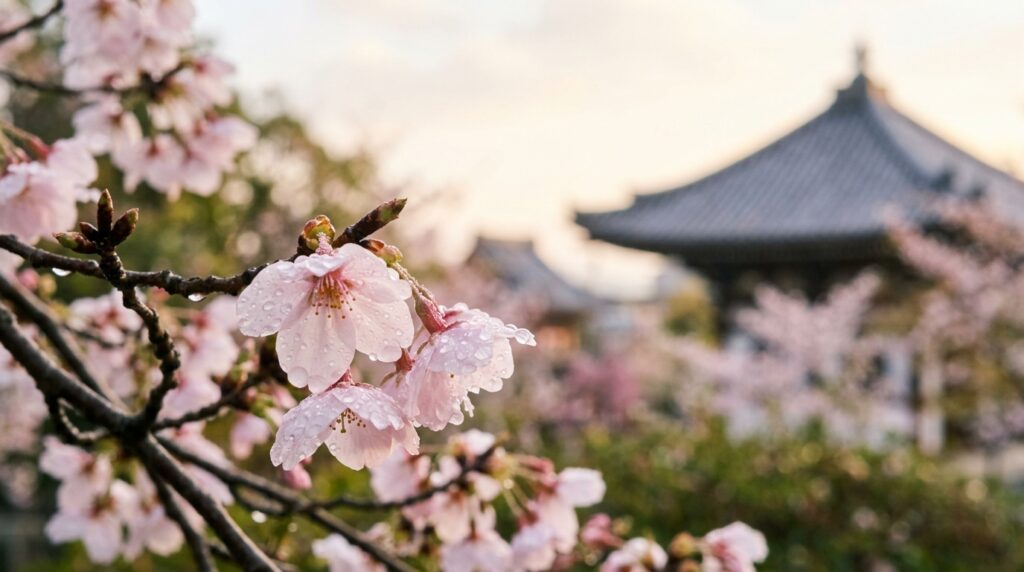
The combinations are limitless: wide landscape shots of entire parks blanketed in pink, intimate close-ups of individual blossoms with dewdrops glistening in morning light, architectural photography featuring cherry blossoms framing ancient temples and pagodas, or candid street photography capturing hanami celebrations. The soft pink and white palette of the blossoms complements Japan’s traditional architecture beautifully, creating compositions that are both elegant and striking.
Some particularly photogenic locations include Tokyo’s Chidorigafuchi Park with its moat-side blossoms, Kyoto’s Philosopher’s Path lined with hundreds of cherry trees, and Hirosaki Castle with its spectacular combination of feudal architecture and thousands of blooming trees. Even if you’re not a serious photographer, you’ll find yourself constantly reaching for your camera to capture the beauty around you.

4. Festivals and Events Celebrating Sakura
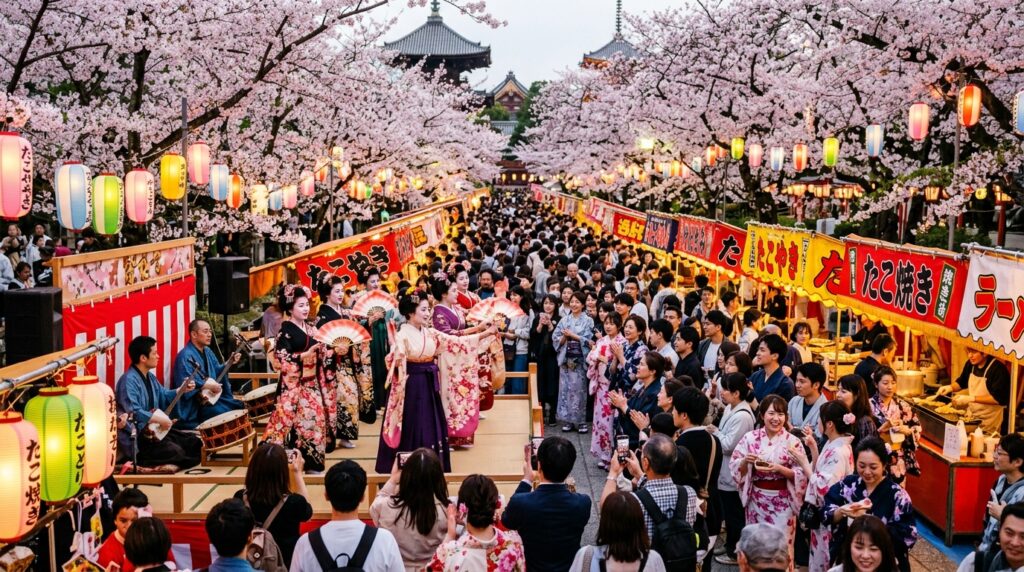
During cherry blossom season, Japan comes alive with festivals and events dedicated to celebrating the Sakura. From large-scale hanami gatherings to traditional tea ceremonies, parades, and cultural performances, there’s always something special happening.
Major cities like Tokyo, Kyoto, and Osaka host some of the country’s most vibrant cherry blossom festivals. The Tokyo Sakura Festival in Ueno Park features food stalls, live music, and traditional performances. Kyoto’s Miyako Odori showcases elaborate geisha dance performances in a cherry blossom setting. Many temples and shrines hold special spring ceremonies, and you might encounter traditional music performances, calligraphy demonstrations, or sake tasting events.
Street food vendors set up special stalls offering seasonal treats, and the festive atmosphere is infectious. These events provide wonderful opportunities to immerse yourself in Japanese culture while enjoying the natural beauty of the season. Check local event calendars when planning your trip to make sure you don’t miss any special celebrations during your visit.
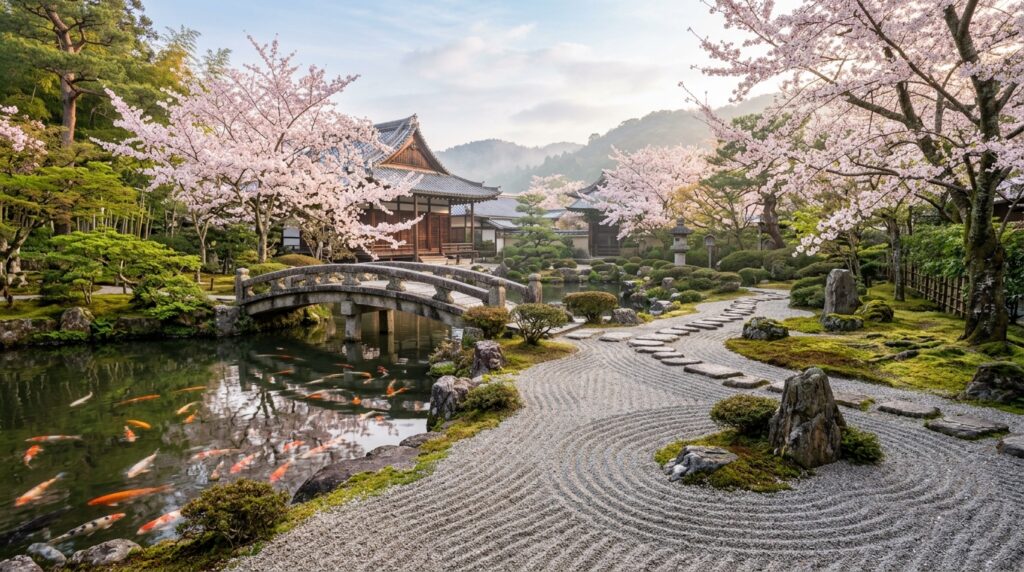
3. The Tranquil Beauty of Japanese Gardens
Japan’s traditional gardens are designed to showcase the beauty of each season, and spring is when they truly shine. During cherry blossom season, these meticulously maintained gardens become serene sanctuaries where nature’s artistry and human craftsmanship blend seamlessly.
Famous gardens like Kyoto’s Kinkaku-ji (Golden Pavilion) grounds, Tokyo’s Shinjuku Gyoen, and Kanazawa’s Kenrokuen are specifically designed to highlight the changing seasons, with cherry blossoms playing a starring role in spring. Walking through these gardens during Sakura season is a meditative, almost spiritual experience. The quiet beauty of carefully pruned trees, raked gravel, koi ponds, and stone lanterns—combined with the spectacular display of cherry blossoms—creates an atmosphere of profound peace and tranquility.
These spaces are designed not just for aesthetic pleasure but also for reflection and contemplation. They provide the perfect setting to appreciate the Japanese philosophy of impermanence and to find a moment of calm amidst the excitement of cherry blossom season. Many gardens offer early morning viewing hours, allowing you to experience their beauty in peaceful solitude before the crowds arrive.
2. Sakura-Inspired Culinary Delights
Cherry blossom season isn’t just a feast for the eyes—it’s also a culinary adventure. During this special time, food vendors, cafes, and restaurants across Japan offer limited-edition Sakura-inspired treats that are as beautiful as they are delicious.
The most iconic is Sakura Mochi, a sweet pink rice cake filled with red bean paste and wrapped in a pickled cherry blossom leaf. You’ll also find Sakura-flavored lattes, ice cream, cakes, cookies, and even savory dishes. Convenience stores and bakeries feature special spring menus with cherry blossom-themed packaging. Many Starbucks locations in Japan offer seasonal Sakura drinks that have become highly anticipated annual traditions.
Beyond sweets, some restaurants offer special spring menus featuring seasonal ingredients that complement the cherry blossom theme. The attention to detail and creativity in these seasonal offerings reflects the Japanese appreciation for celebrating nature’s cycles through food. These culinary delights add another delicious dimension to your Sakura experience and make wonderful souvenirs or gifts to bring home.

1. The Deep Emotional Connection to Cherry Blossoms
At the heart of the cherry blossom experience is the profound emotional connection that Sakura evokes. In Japanese culture, cherry blossoms represent far more than just pretty flowers—they embody deep philosophical concepts about life, beauty, and impermanence.
The blossoms bloom spectacularly but briefly, typically reaching peak beauty for only about one week before beginning to fall. This fleeting nature serves as a poignant reminder that all beautiful things are temporary, encouraging us to appreciate the present moment fully. This concept, known as “mono no aware,” is a central tenet of Japanese aesthetics and philosophy.
As a visitor, witnessing the cherry blossoms in full bloom while understanding their symbolic meaning creates a powerful emotional experience. There’s something deeply moving about standing beneath a canopy of pink blossoms, knowing that this exact moment will never be repeated. It inspires reflection, gratitude, and a heightened awareness of life’s precious, transient beauty. This emotional resonance is what transforms a simple sightseeing trip into a meaningful, potentially life-changing experience.
Best Time to Visit Japan for Cherry Blossoms
Timing is everything when planning a cherry blossom trip to Japan. The bloom period varies by region and year, depending on weather conditions. Generally, the cherry blossom front moves from south to north:
- Late March: Tokyo, Kyoto, Osaka
- Early April: Sendai, Kanazawa
- Mid to Late April: Sapporo, Hakodate
- Early May: Northern Hokkaido
The Japan Meteorological Corporation releases annual cherry blossom forecasts starting in January, which can help you plan your trip. Keep in mind that peak bloom typically lasts only 5-7 days, so flexibility in your travel dates is advantageous. Consider visiting during the last week of March through the first week of April for the best chance to catch blooms in Japan’s most popular destinations.
Top Locations for Cherry Blossom Viewing
While cherry blossoms bloom throughout Japan, certain locations offer particularly spectacular viewing experiences:
Tokyo: Ueno Park, Chidorigafuchi Park, Shinjuku Gyoen, and the Meguro River offer some of the city’s best viewing spots.
Kyoto: The Philosopher’s Path, Maruyama Park, Kiyomizu-dera Temple, and Arashiyama provide stunning backdrops of ancient architecture framed by blossoms.
Osaka: Osaka Castle Park features over 3,000 cherry trees and is one of Japan’s premier hanami destinations.
Nara: Nara Park combines cherry blossoms with the famous free-roaming deer for a uniquely magical experience.
Hiroshima: Peace Memorial Park offers beautiful blossoms with deep historical significance.
Each location provides its own unique atmosphere and photo opportunities, so consider visiting multiple regions if your schedule allows.

Practical Travel Tips for Sakura Season
Book Early: Cherry blossom season is Japan’s peak tourist period. Accommodations and flights should be booked at least 3-6 months in advance.
Pack Layers: Spring weather can be unpredictable. Bring layers including a light jacket for cooler evenings.
Arrive Early: Popular viewing spots get crowded quickly, especially on weekends. Arrive early morning for the best experience and photos.
Respect Local Customs: When participating in hanami, follow park rules, clean up after yourself, and be respectful of other visitors.
Use Public Transportation: Trains and subways are efficient and convenient. Consider purchasing a Japan Rail Pass if you’re traveling between cities.
Stay Flexible: Bloom dates can shift due to weather. Build flexibility into your itinerary to chase the best blooms.
Conclusion: Your Unforgettable Sakura Adventure Awaits
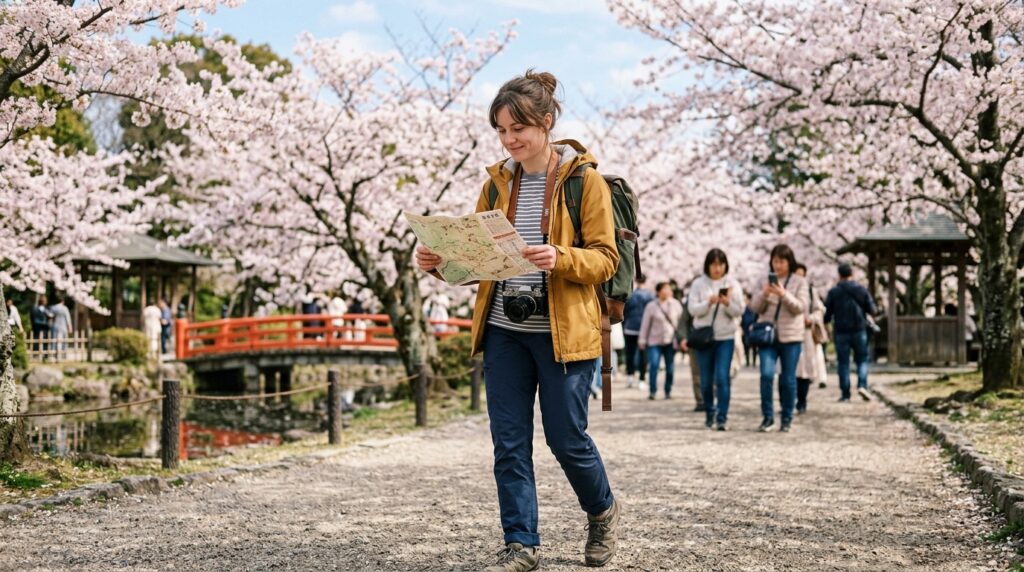
Visiting Japan during cherry blossom season is more than just a vacation—it’s an opportunity to witness one of nature’s most spectacular displays while immersing yourself in a culture that celebrates beauty, impermanence, and the present moment. From the joyous celebrations of hanami to the serene beauty of Yozakura, from photographic masterpieces to soul-stirring emotional experiences, Sakura season offers something truly special for every traveler.
The combination of breathtaking natural beauty, rich cultural traditions, delicious seasonal foods, and the profound philosophical meaning behind the cherry blossoms creates an experience that stays with you long after the petals have fallen. Whether you’re traveling solo, with family, or alongside friends, Japan’s cherry blossom season promises memories that will last a lifetime.
So start planning your Sakura adventure today. Watch the forecasts, book your accommodations, pack your camera, and prepare to be enchanted by the magic of Japan’s cherry blossom season. Your unforgettable journey into a world of pink and white beauty awaits.