
Rwanda stands as one of the most remarkable destinations on the African continent, offering travelers an extraordinary blend of wildlife encounters, breathtaking landscapes, and inspiring cultural experiences. This small East African nation, affectionately known as the “Land of a Thousand Hills,” has transformed itself into a premier safari destination that combines adventure with purpose, natural beauty with conservation excellence, and tradition with modern innovation.
From the mist-covered volcanoes housing endangered mountain gorillas to the serene waters of Lake Kivu, from the ancient rainforests of Nyungwe to the wildlife-rich savannahs of Akagera, Rwanda delivers experiences that linger long after your journey ends. This comprehensive guide reveals why Rwanda deserves the top spot on your African travel bucket list.
1. Kigali: Africa’s Cleanest and Most Surprising Capital
Your Rwandan adventure typically begins in Kigali, a capital city that defies expectations at every turn. Unlike many African capitals, Kigali impresses visitors with its exceptional cleanliness, orderly streets, and refreshing sense of organization. The city has earned its reputation as one of Africa’s cleanest urban centers, with tree-lined avenues, modern infrastructure, and a ban on plastic bags that demonstrates the nation’s commitment to environmental stewardship.
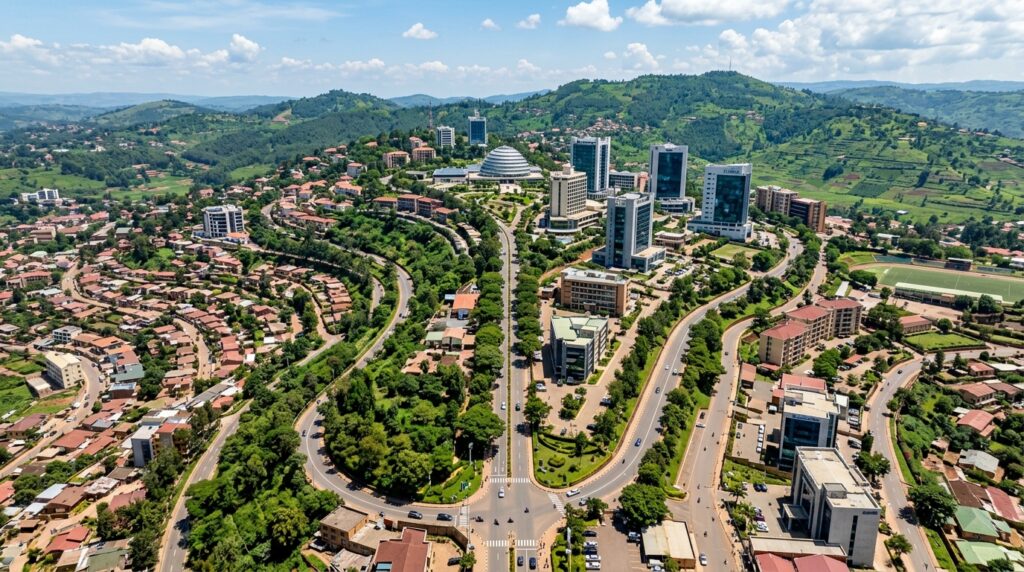
Beyond its pristine appearance, Kigali pulses with creative energy. The city’s growing art scene features contemporary galleries showcasing local talent, while craft markets overflow with traditional basketry, wood carvings, and textiles. The culinary landscape has exploded in recent years, with rooftop cafés offering panoramic city views alongside restaurants serving both traditional Rwandan dishes and international cuisine.
No visit to Kigali is complete without paying respects at the Kigali Genocide Memorial. This sobering yet essential site provides profound insight into Rwanda’s tragic past and the remarkable resilience that has shaped the nation’s rebirth. The memorial serves as a powerful reminder of the country’s journey from darkness to hope, making it an emotionally significant stop that deepens your understanding of modern Rwanda.
Spend your evenings exploring the vibrant Nyamirambo district, known for its nightlife and multicultural atmosphere, or enjoy sunset drinks at one of the city’s many rooftop venues. Kigali is far more than a mere stopover—it’s a destination that showcases Africa’s potential for innovation, cleanliness, and progressive development.
2. Lake Kivu: Serenity on Rwanda’s Western Shore
Stretching along Rwanda’s western border like a liquid emerald, Lake Kivu offers a tranquil counterpoint to the country’s volcanic peaks and dense forests. As one of Africa’s Great Lakes, Kivu’s calm waters and lush green surroundings create the perfect setting for relaxation and water-based adventures.

Whether you base yourself in the charming lakeside towns of Gisenyi, Kibuye, or Rusizi, Lake Kivu’s magnetic charm remains constant. The lake presents a rare opportunity for safe swimming in Africa, as it’s free from bilharzia and dangerous wildlife like hippos or crocodiles in most areas. This makes it an ideal spot for a refreshing dip after days of trekking or safari adventures.
Kayaking at sunset provides a magical perspective of the lake, with paddles gliding through glassy waters as the sky transforms into a canvas of oranges and purples. Boat excursions to the lake’s small islands reveal hidden beaches, local fishing communities, and opportunities for birdwatching. Napoleon Island offers encounters with fruit bats, while Amahoro Island provides pristine swimming spots.
The lakeside promenade in Gisenyi invites leisurely strolls, while Kibuye’s dramatic setting among steep hills creates spectacular photo opportunities. Enjoy a cup of Rwanda’s renowned coffee while watching fishing boats return at dawn, or dine on fresh lake fish at waterfront restaurants. Lake Kivu represents Rwanda’s peaceful soul—a place where time slows down and natural beauty reigns supreme.
3. Nyungwe Forest: The Canopy Walk and Ancient Rainforest
Deep in southern Rwanda lies Nyungwe Forest National Park, one of Africa’s oldest and most biodiverse rainforests. This magnificent expanse of montane rainforest has existed since the last ice age, making it a living museum of ecological history and a sanctuary for countless species found nowhere else on Earth.
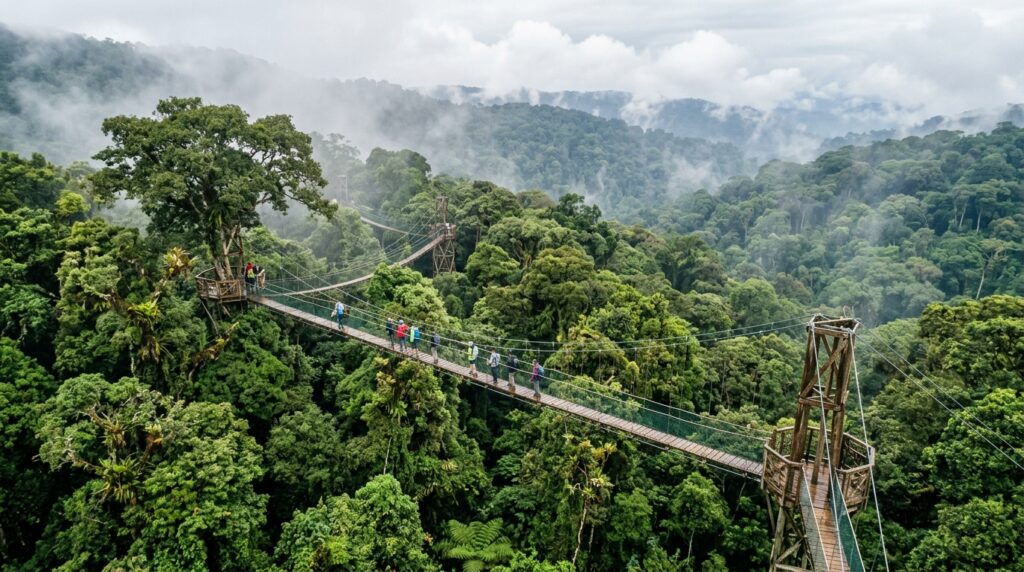
Nyungwe’s crown jewel is undoubtedly the canopy walkway, an exhilarating experience that suspends visitors 60 meters above the forest floor. This engineering marvel stretches through the treetops, offering a bird’s-eye perspective of the ancient forest that few ever experience. Walking through the mist-shrouded canopy feels like entering another world—one where emerald leaves stretch endlessly and the calls of exotic birds echo through the air.
The forest is home to 13 primate species, including chimpanzees and the striking black-and-white colobus monkeys that leap gracefully between branches. Over 300 bird species make Nyungwe their home, including the rare Ruwenzori turaco and numerous Albertine Rift endemics. Orchid enthusiasts will delight in the forest’s incredible floral diversity, with hundreds of species blooming throughout the year.
Chimpanzee trekking ranks among Nyungwe’s most sought-after activities. Following experienced guides through the dense undergrowth, you’ll track these remarkable primates, observing their complex social behaviors and human-like interactions. The moment you encounter a chimpanzee family in their natural habitat creates an unforgettable connection with our closest living relatives.
Beyond the canopy walk and primate encounters, Nyungwe offers hiking trails ranging from gentle nature walks to challenging multi-day treks. The forest’s waterfalls, tea plantation vistas, and panoramic viewpoints from Mount Bigugu provide diverse experiences for every type of traveler.
4. Volcanoes National Park: Land of Fire and Beauty
In northern Rwanda, where mist clings to towering peaks and ancient forests cloak volcanic slopes, lies Volcanoes National Park. This dramatic landscape forms part of the Virunga Mountains, a chain of eight volcanoes straddling Rwanda, Uganda, and the Democratic Republic of Congo. Five of these majestic giants reside within Rwanda’s borders, creating a terrain of unparalleled beauty and ecological significance.
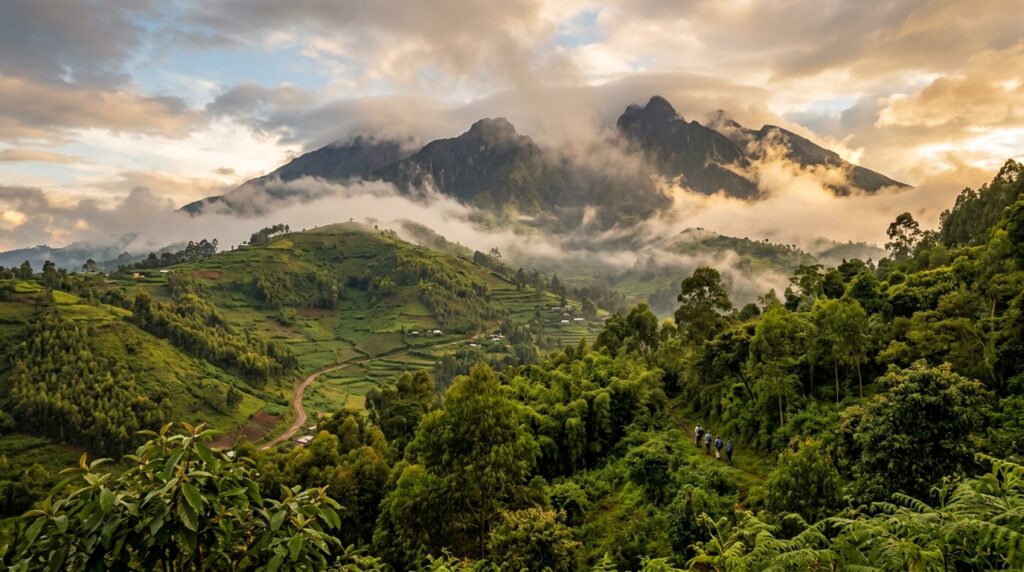
The park’s volcanic terrain offers adventures for every level of hiker. Mount Bisoke presents a rewarding challenge with its crater lake perched at the summit, accessible via a day hike that rewards trekkers with spectacular views and the satisfaction of standing atop an ancient volcano. For the more ambitious, Mount Karisimbi beckons—a two-day expedition reaching over 4,500 meters that tests endurance while delivering breathtaking panoramas of the entire Virunga range.
Even without considering the park’s famous gorilla residents, Volcanoes National Park would merit visitation for its sheer geological majesty. The volcanoes stand as silent sentinels, their slopes harboring rare golden monkeys, forest elephants, and over 178 bird species. The vegetation transitions dramatically with altitude, from dense bamboo forests to afro-alpine meadows dotted with giant lobelias and senecios.
The park’s cultural significance extends beyond its natural wonders. It serves as the final resting place of Dian Fossey, the renowned primatologist who dedicated her life to gorilla conservation. Her grave at the Karisoke Research Center offers a poignant stop for those inspired by her legacy and the ongoing conservation efforts she pioneered.
5. Mountain Gorilla Trekking: A Once-in-a-Lifetime Encounter
At the heart of Rwanda’s tourism appeal lies an experience so profound it transcends typical wildlife encounters: mountain gorilla trekking. This extraordinary opportunity to observe one of Earth’s most endangered species in their natural habitat represents the crown jewel of African travel experiences.
The journey begins before dawn, with anticipation building as you gather at the park headquarters for briefing by experienced guides. These knowledgeable trackers understand gorilla behavior intimately and will lead you through the forest with skill and respect for these magnificent creatures. The trek itself varies in difficulty depending on which family group you’re assigned to visit, ranging from gentle one-hour hikes to strenuous four-hour climbs through challenging terrain.
As you penetrate deeper into the misty rainforest, the atmosphere grows increasingly magical. The air fills with the sounds of birds, insects, and rustling vegetation. Your guides communicate quietly, reading signs in the forest—broken branches, footprints, and distinctive gorilla nests woven from vegetation.
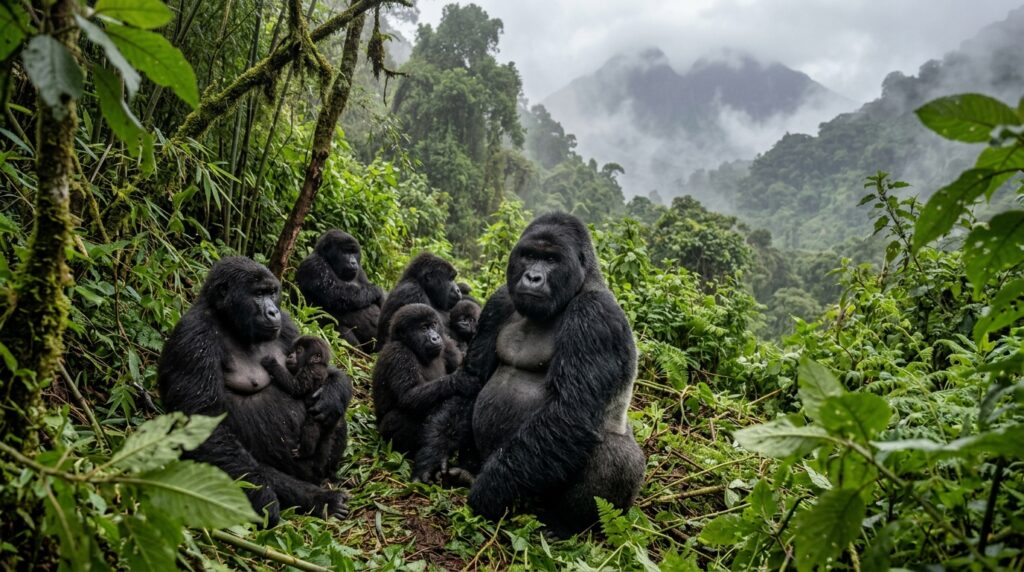
Then, suddenly, you encounter them. A family of mountain gorillas moves through the forest with surprising grace despite their immense size. The silverback, massive and commanding, watches over his troop with calm authority. Mothers cradle their infants with tender care, while juveniles tumble and play with infectious energy. Watching these creatures, so remarkably human in their gestures and interactions, creates an emotional connection that defies description.
The hour spent in their presence feels both fleeting and eternal. You observe their daily routines—feeding on bamboo and vegetation, grooming one another, resting in the dappled sunlight. The experience instills profound humility, reminding you of our shared ancestry and the urgent need to protect these gentle giants.
Gorilla trekking in Rwanda operates under strict conservation guidelines that limit visitor numbers and ensure minimal disturbance to the animals. The substantial permit fees directly fund conservation efforts and community development, making your visit a meaningful contribution to the species’ survival. This is tourism with purpose—an encounter that transforms perspectives and creates lifelong advocates for wildlife conservation.
6. Akagera National Park: Rwanda’s Big Five Comeback Story
While Rwanda’s rainforests and volcanoes capture much attention, the eastern savannahs of Akagera National Park tell an equally compelling story of conservation triumph and wildlife restoration. This sprawling landscape of grasslands, wetlands, and acacia-dotted plains proves that Rwanda offers far more than gorilla encounters.
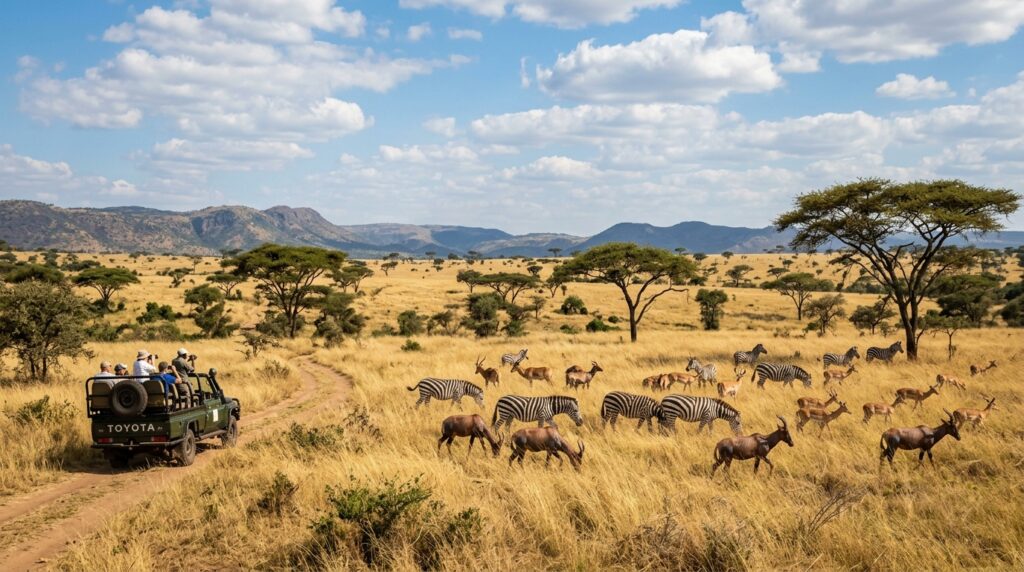
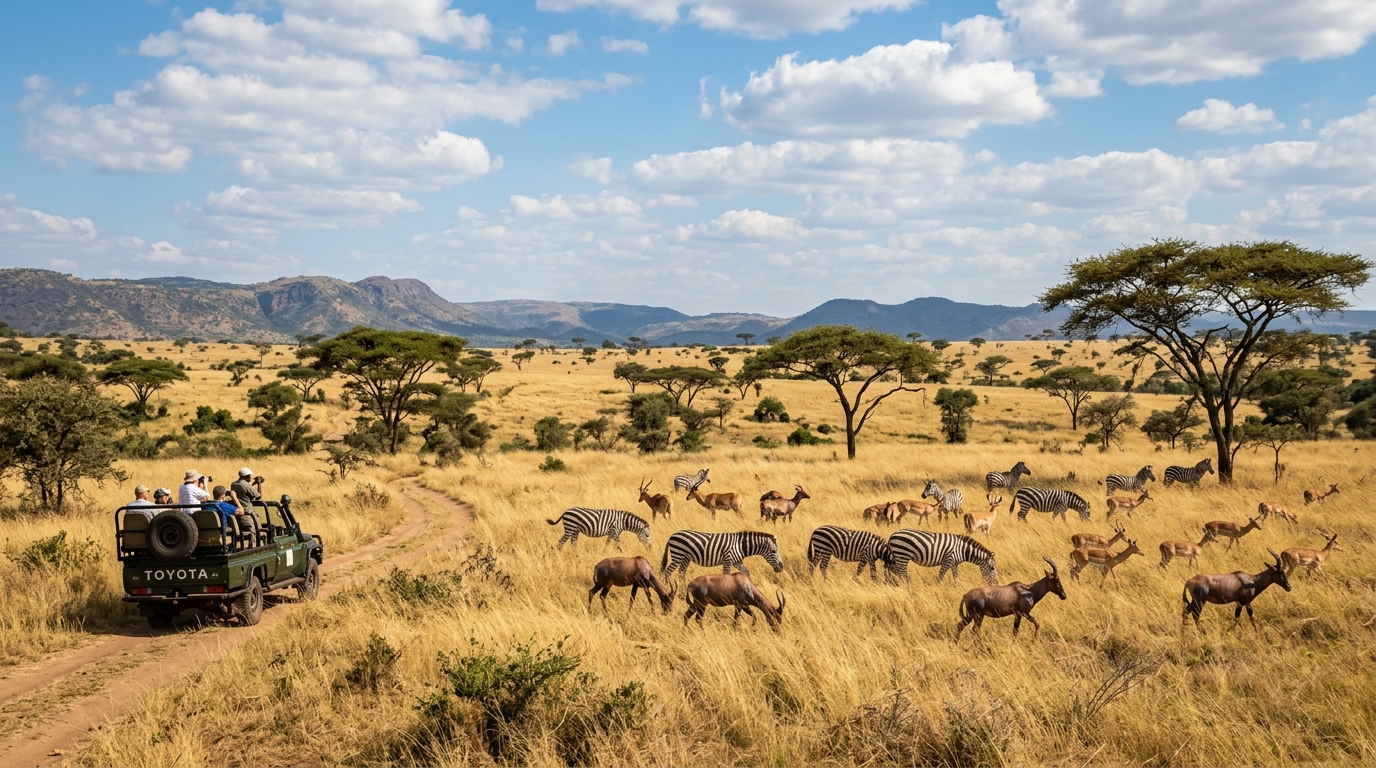
Akagera’s transformation ranks among Africa’s most inspiring conservation success stories. Devastated by poaching and conflict in previous decades, the park has undergone remarkable restoration through partnership between the Rwanda Development Board and African Parks. Today, Akagera thrives as a fully functional ecosystem hosting the complete Big Five—lions, leopards, elephants, rhinos, and buffalo—along with giraffes, zebras, hippos, crocodiles, and over 500 bird species.
Game drives through Akagera’s varied terrain deliver classic African safari experiences. Morning drives offer the best wildlife activity, as lions rest in the shade, elephants move between water sources, and antelope graze in the golden light. The park’s network of lakes and wetlands, including Lake Ihema, provides opportunities for boat safaris that bring you eye-to-eye with hippos and basking crocodiles while waterbirds create spectacular displays.
The reintroduction of lions in 2015 and black rhinos in 2017 marked pivotal moments in Akagera’s recovery. These additions completed the Big Five roster and restored ecological balance to the park. Spotting a rhino against the backdrop of Rwanda’s hills creates a surreal juxtaposition that embodies the nation’s conservation ambitions.
Akagera also offers walking safaris, night drives, and fishing excursions on Lake Shakani, providing diverse ways to experience this dynamic landscape. The park’s success demonstrates Rwanda’s commitment to protecting diverse ecosystems and proves that conservation and tourism can flourish together.
7. Coffee and Tea Plantations: Rwanda’s Liquid Gold
Rwanda’s mountainous terrain, volcanic soil, and ideal climate create perfect conditions for growing world-class coffee and tea. Visiting the country’s plantations offers far more than agricultural tourism—it provides intimate insight into Rwanda’s economy, culture, and the daily lives of farming communities.
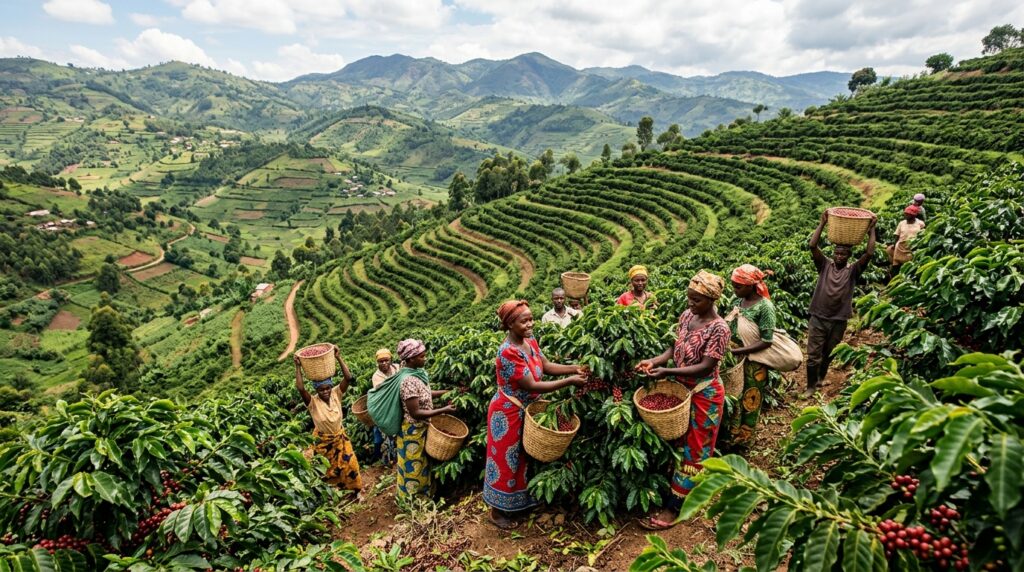
Coffee cultivation dominates the northern and western regions, where smallholder farmers tend to plots of arabica coffee on steep terraced hillsides. The journey from cherry to cup involves meticulous processes that farmers execute with pride and precision. Visiting a cooperative allows you to witness every stage—harvesting ripe red cherries, pulping, fermentation, washing, and drying. The sensory experience engages all your senses as you walk through processing stations, smell fermenting beans, and taste freshly roasted coffee prepared by the farmers themselves.
Tea plantations paint the landscape in a different shade of green. Vast estates like those in Nyungwe and the western highlands stretch across rolling hills in perfectly manicured rows. The contrast between dark green tea bushes and Rwanda’s red soil creates striking visual landscapes. Touring these plantations reveals the labor-intensive process of tea production, from hand-plucking the youngest leaves to the withering, rolling, and oxidation that transforms them into the fragrant final product.
Sipping tea while overlooking endless green hills or grinding coffee beans by hand in a village cooperative creates connections that transcend typical tourist experiences. You’re not merely observing—you’re participating in traditions that sustain communities and define Rwanda’s agricultural identity. These encounters support fair-trade practices and provide direct income to farming families, making your visit economically meaningful.
8. Community-Based Tourism: Meeting Rwanda’s Heartbeat
Rwanda understands that sustainable tourism must benefit local communities, and this philosophy manifests in exceptional community-based experiences throughout the country. These initiatives invite travelers to move beyond sightseeing and engage authentically with Rwandan culture, traditions, and daily life.

From basket weaving with skilled artisans to cooking traditional meals with local families, these encounters feel genuine and enriching rather than performative. In villages across the country, community cooperatives offer visitors the chance to learn traditional crafts, participate in agricultural activities, or join in cultural performances. The Iby’Iwacu Cultural Village near Volcanoes National Park provides insight into pre-colonial Rwandan life, while the Musanze Caves tours employ local guides who share geological and historical knowledge.
Women’s cooperatives deserve special mention, as they’ve become powerful engines of economic empowerment. Organizations like the Nyamirambo Women’s Center offer cooking classes, language lessons, and cultural tours led by local women who share their stories and perspectives. These experiences challenge stereotypes while providing sustainable income and fostering cross-cultural understanding.
Community-based tourism in Rwanda isn’t charity—it’s partnership. Your participation directly supports education, healthcare, and infrastructure in participating communities while preserving cultural heritage that might otherwise fade. You’re not watching from the outside; you’re welcomed into the story, creating meaningful connections that benefit both visitor and host.
9. Cultural Richness: Ancient Traditions in a New Era
Rwanda’s culture pulses with quiet pride, blending ancient traditions with contemporary aspirations. The nation moves forward rapidly while honoring the customs and values that define its identity, creating a cultural landscape that feels both timeless and dynamic.
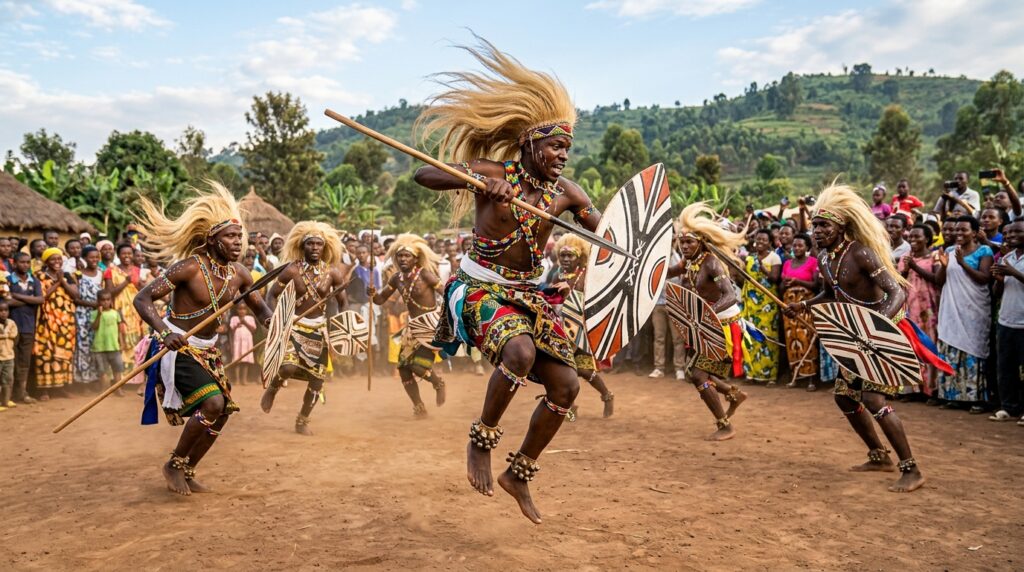
The Intore dance, Rwanda’s most iconic cultural expression, showcases this balance beautifully. Dancers adorned in traditional costumes with distinctive grass wigs leap and move to the thunderous beat of ingoma drums, telling stories of valor and unity that echo through centuries. Witnessing an Intore performance connects you to Rwanda’s royal heritage and the warrior traditions that once protected the kingdom.
Music and storytelling remain vital to Rwandan culture. Elders share histories through oral tradition, schoolchildren sing songs that celebrate unity and progress, and church gatherings resonate with harmonious chants that reflect the nation’s deep Christian faith. These cultural expressions reveal a society that values community, respect, and collective identity.
Culinary traditions offer another window into Rwandan culture. Dishes like ugali (maize porridge), isombe (cassava leaves with eggplant and spinach), and grilled brochettes (meat skewers) showcase local ingredients and cooking methods passed through generations. Sharing meals with Rwandan families or enjoying street food in local markets provides delicious insights into daily life and hospitality.
Rwanda’s cultural renaissance demonstrates that modernization need not erase tradition. Instead, the nation has found ways to honor its heritage while embracing innovation, creating a cultural identity that feels authentic and forward-looking simultaneously.
10. Safe, Modern, and Eco-Friendly Travel
Rwanda has earned its reputation as one of Africa’s safest and most progressive travel destinations. Solo travelers, including women traveling alone, consistently report feeling secure and welcomed throughout their journeys. Low crime rates, efficient police presence, and a culture of respect create an environment where visitors can explore with confidence.

The nation’s environmental commitment extends far beyond rhetoric. Plastic bags have been banned since 2008, with strict enforcement at borders and within the country. Conservation isn’t just policy—it’s a national value reflected in protected areas that cover significant portions of the country and in the proliferation of eco-lodges that prioritize sustainability.
Public cleanliness represents a source of national pride. On the last Saturday of each month, Rwanda observes Umuganda, a community cleanup day where citizens come together to improve their neighborhoods. This tradition of collective responsibility creates visibly cleaner cities and villages while reinforcing social cohesion.
Rwanda’s infrastructure continues to improve, with well-maintained roads, reliable internet connectivity, and growing accommodation options ranging from luxury lodges to budget-friendly guesthouses. The country’s small size makes it easy to explore multiple regions within a single trip, while the efficiency of services and professionalism of tourism operators enhance the overall travel experience.
Choosing Rwanda means supporting a nation that has made sustainability, safety, and responsible tourism central to its development strategy. It’s a destination where your visit contributes to conservation, community empowerment, and a vision of Africa’s future that balances progress with environmental stewardship.
Planning Your Rwanda Adventure
Rwanda’s compact size and well-developed tourism infrastructure make it an accessible destination for various travel styles and budgets. The country experiences two dry seasons—June to September and December to February—which offer optimal conditions for gorilla trekking, wildlife viewing, and outdoor activities. However, Rwanda’s equatorial location means temperatures remain moderate year-round, and the lush green seasons bring their own beauty with fewer crowds and lower accommodation rates.
Getting around Rwanda is straightforward, with options ranging from hired drivers and organized tours to motorcycle taxis (motos) for short urban distances. The capital’s international airport connects to major African hubs and some European cities, while overland entry from neighboring Uganda, Tanzania, and the Democratic Republic of Congo offers adventurous alternatives.
Remember that gorilla trekking permits should be booked well in advance, as daily visitor numbers are strictly limited. The investment in permits directly funds conservation and community development, making it a meaningful contribution to Rwanda’s future.
Rwanda awaits with open arms, ready to surprise, inspire, and transform your understanding of what African travel can be. This is a destination where every encounter has purpose, where natural beauty meets human resilience, and where your journey contributes to a story of hope and renewal. The Land of a Thousand Hills offers not just a vacation, but an experience that will reshape your perspective and leave you planning your return before you’ve even departed.