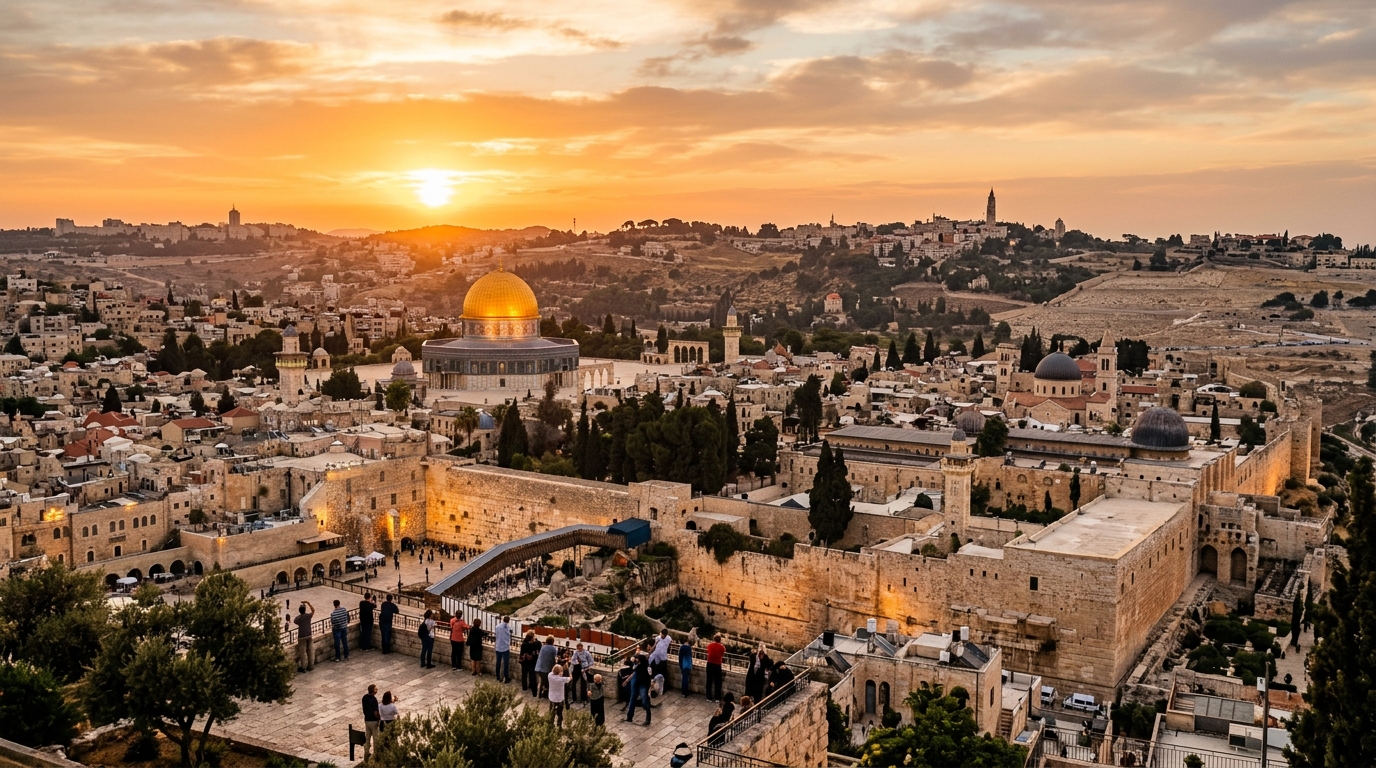

Jerusalem stands as one of the world’s most spiritually significant cities, where sacred history, stunning architecture, and vibrant cultures converge in a mesmerizing tapestry. From iconic landmarks like the Western Wall and the Dome of the Rock to the hidden corners of bustling markets and quiet alleyways, Jerusalem offers a unique journey through time and faith that captivates every visitor.
This ancient city, revered by three major world religions, pulses with an energy that’s both palpable and profound. Whether you’re a pilgrim seeking spiritual connection, a history enthusiast eager to walk through millennia of civilization, or simply a traveler craving authentic cultural experiences, Jerusalem delivers moments that will stay with you forever.
Planning Your Jerusalem Adventure: Essential Information
Before diving into the must-see attractions, let’s cover the practical details that will make your Jerusalem experience seamless and enjoyable.
Best Time to Visit
Jerusalem enjoys a Mediterranean climate with hot, dry summers and mild, wet winters. Spring (March to May) and autumn (September to November) offer the most pleasant temperatures, ranging from 15-25°C (59-77°F), making these ideal seasons for exploring the city on foot. Summer months can be quite hot, with temperatures soaring above 30°C (86°F), while winter brings cooler weather and occasional rain.
Getting Around Jerusalem
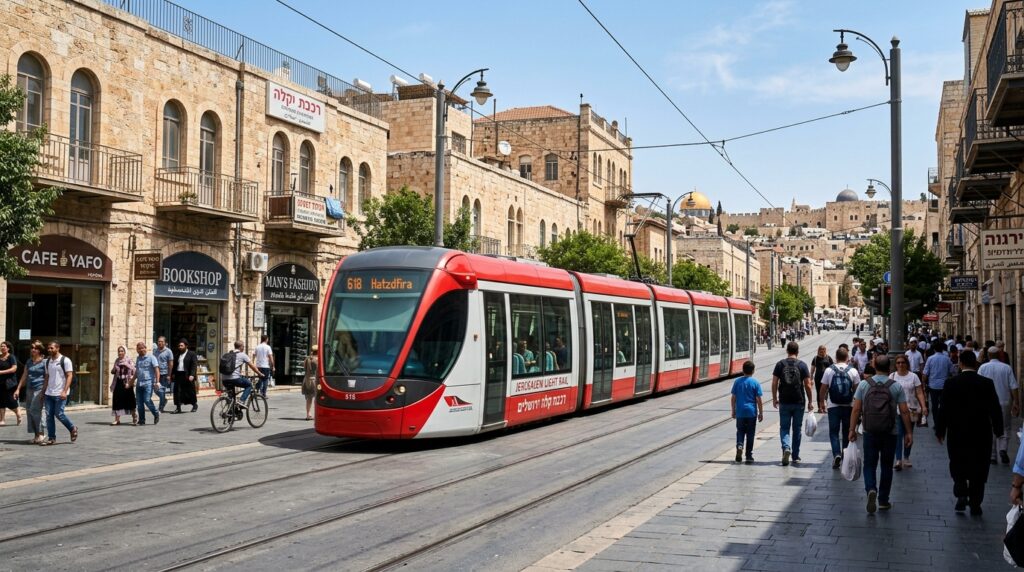
Jerusalem’s public transportation system includes an efficient light rail system that connects major areas, along with extensive bus networks. For exploring the Old City, walking is not only the best option but also the most immersive way to experience the narrow cobblestone streets and hidden passages. Ride-sharing services like Gett operate in the city, and taxis are readily available. Consider purchasing a Rav-Kav card for convenient access to public transportation.
Where to Stay
Accommodation options in Jerusalem range from luxury hotels in West Jerusalem to charming boutique guesthouses in the Old City and modern apartments in neighborhoods like Nachlaot and German Colony. For first-time visitors, staying near the Old City provides easy access to major attractions, while areas like Talbiya and Rehavia offer a more local, residential experience.
1. Pray at the Western Wall: A Spiritual Cornerstone
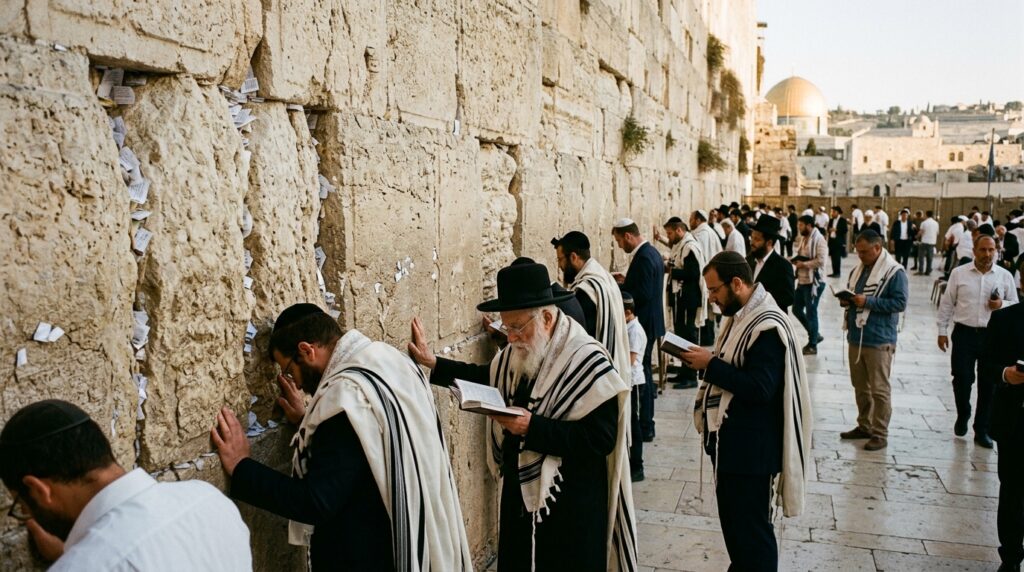
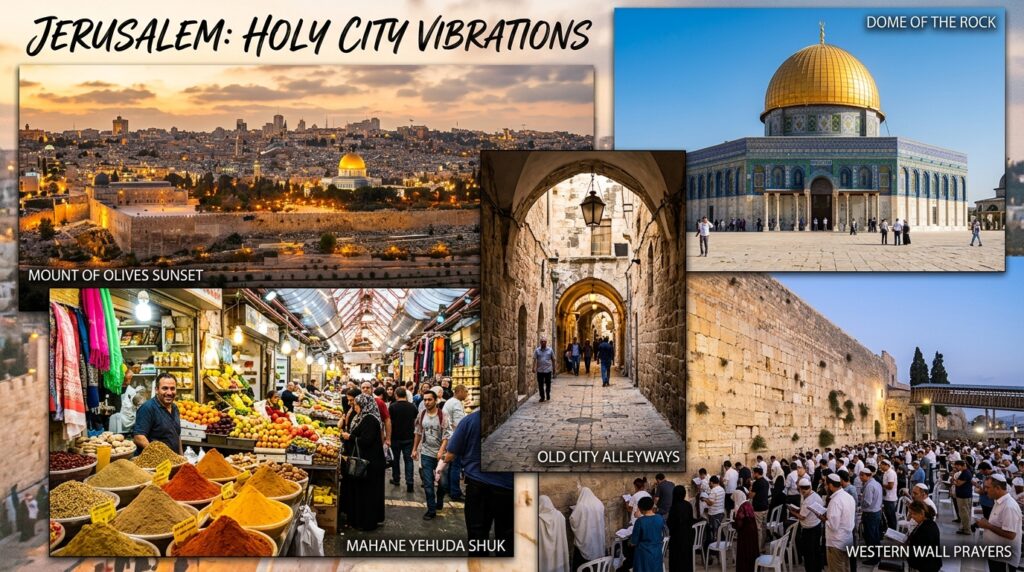
The Western Wall, known in Hebrew as the Kotel, stands as one of the most iconic and sacred sites in Jerusalem and indeed, the world. For Jews, this ancient limestone wall represents the last remaining part of the Second Temple, destroyed by the Romans in 70 CE, making it one of the holiest places on Earth.
Every day, thousands of people from all corners of the globe come to pray, reflect, or place handwritten notes with personal wishes into the cracks of the weathered stones. Visiting the Kotel is a profoundly spiritual experience, even for those who aren’t religious. The energy and reverence surrounding the site create an atmosphere that’s both humbling and uplifting.
What to Expect: The Western Wall Plaza is open 24 hours a day, though security checks are required for entry. Men are asked to cover their heads (kippot are available at the entrance), and women should dress modestly with covered shoulders and knees. Separate prayer sections exist for men and women, following Orthodox Jewish tradition.
Unique Experience: Visit during Friday evening or Saturday morning to witness Shabbat prayers, when the plaza fills with worshippers in traditional attire, creating a particularly moving scene. The quiet hours just before dawn offer a more intimate experience with fewer crowds.
Duration: Plan for 1-2 hours to fully absorb the atmosphere and participate in the timeless tradition of placing a note in the wall.
2. Walk the Via Dolorosa: Following Ancient Footsteps
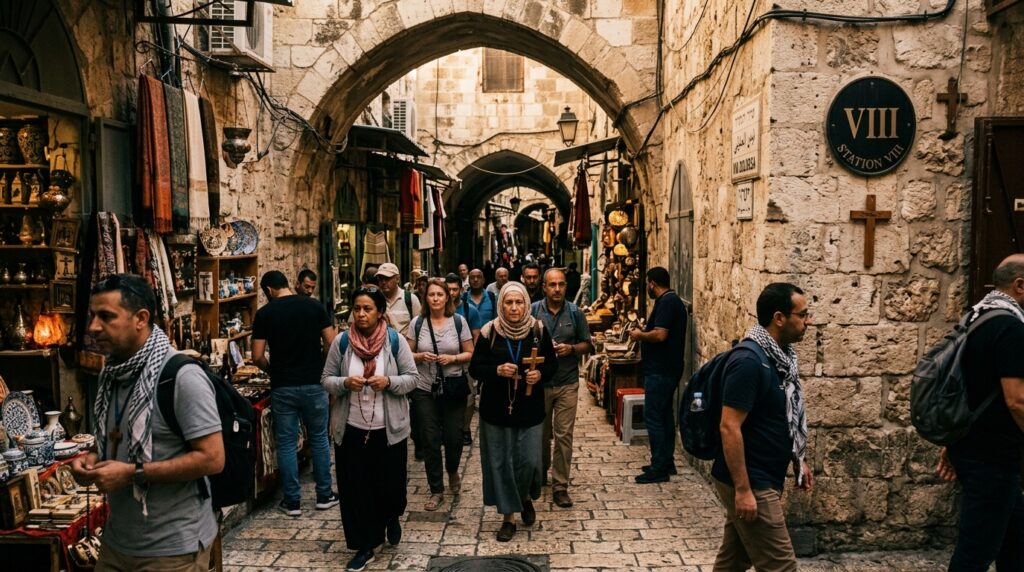
The Via Dolorosa, meaning “Way of Suffering” or “Way of the Cross,” traces the route that Christians believe Jesus walked on his final journey to crucifixion. This ancient path winds through the narrow, bustling streets of Jerusalem’s Old City, marking a pilgrimage that has drawn believers for nearly two millennia.
Along this sacred route, you’ll encounter fourteen Stations of the Cross, each representing a significant moment in the Passion of Christ. The path begins near the Lion’s Gate in the Muslim Quarter and concludes at the Church of the Holy Sepulchre. While walking this hallowed ground, you’ll pass through vibrant markets, historic shops, and layers of living history that make Jerusalem unique.
What to Expect: The walk takes approximately 30-45 minutes at a leisurely pace, though pilgrims often spend much longer praying at each station. The route is marked by plaques and stations, some integrated into buildings, others standing as small chapels. Fridays are particularly significant, with Franciscan friars leading processions that draw large crowds.
Cultural Highlight: Stop at the Ethiopian Orthodox monastery on the roof of the Chapel of St. Helena, a hidden gem that few tourists discover. This rooftop community has maintained its presence for centuries, offering a glimpse into one of Christianity’s oldest traditions.
Duration: 1-2 hours for a meaningful walk with time for reflection at key stations.
3. Visit the Church of the Holy Sepulchre: Christianity’s Holiest Site
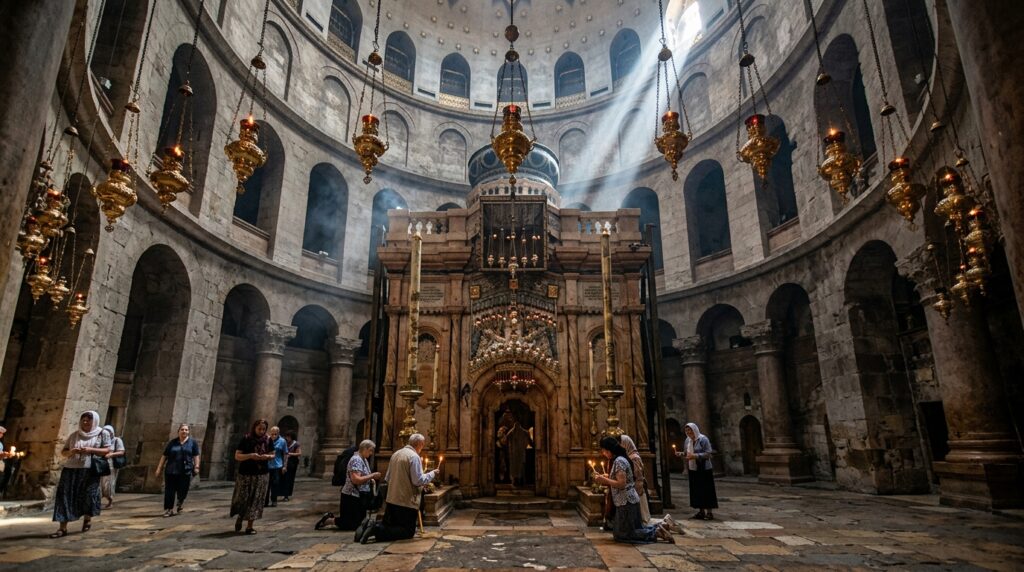
The Church of the Holy Sepulchre stands as one of Christianity’s most sacred sites, believed to encompass both the location of Jesus’s crucifixion at Golgotha and his empty tomb where he was buried and resurrected. This ancient church, with its complex history dating back to the 4th century, is a labyrinth of chapels, shrines, and sacred spaces, each marking different aspects of Christ’s final journey.
Upon entering, you’ll find yourself in a space shared by multiple Christian denominations—Greek Orthodox, Roman Catholic, Armenian Apostolic, Coptic, Ethiopian, and Syrian Orthodox—each maintaining their own altars and chapels within the church’s walls. This unique arrangement, governed by the Status Quo agreement established in the Ottoman era, creates a fascinating tapestry of Christian tradition and devotion.
Must-See Features: The Stone of Anointing, where Jesus’s body is said to have been prepared for burial, greets visitors just inside the entrance. The Aedicule, the small shrine housing the tomb itself, represents the church’s spiritual heart. Climb to Golgotha (Calvary) to see the altar marking the crucifixion site, accessible via steep stone stairs.
Practical Tip: Arrive early in the morning or later in the afternoon to avoid the largest crowds. Be prepared for security checks and modest dress requirements. Photography is permitted in most areas, though flash may be restricted.
Duration: 1.5-2 hours to explore thoroughly and participate in prayer or reflection.
4. Explore the Old City’s Four Quarters: A Cultural Mosaic
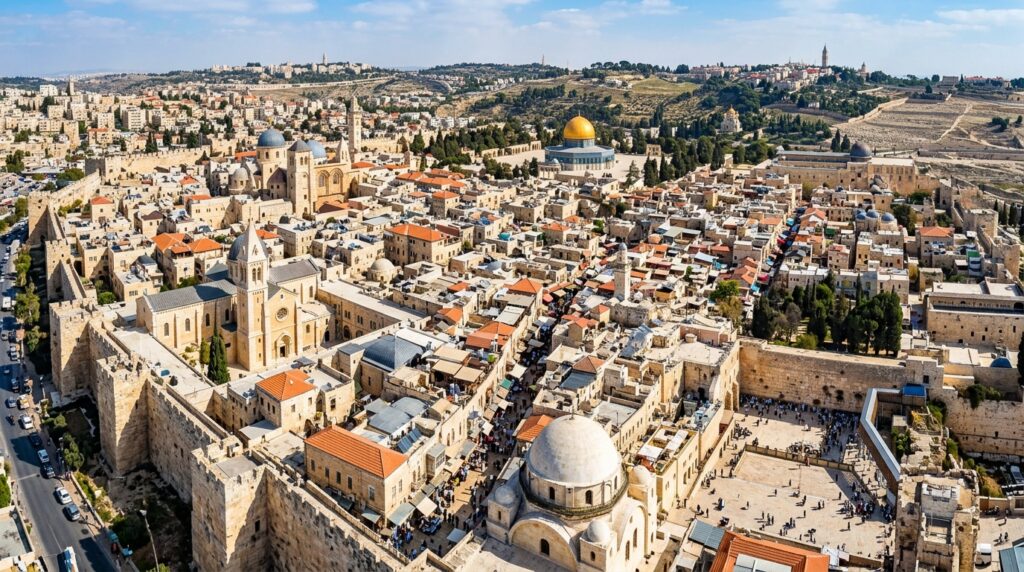
Jerusalem’s Old City is divided into four distinct quarters—the Jewish Quarter, Christian Quarter, Muslim Quarter, and Armenian Quarter—each offering its own rich culture, history, and character. Walking through these ancient neighborhoods feels like traveling through different worlds, all contained within walls that have stood for centuries.
The Jewish Quarter pulses with religious study and archaeological wonder. Home to the Western Wall, this area features beautifully restored synagogues, including the magnificent Hurva Synagogue with its towering dome. The Cardo, an ancient Roman-era street, now hosts galleries and shops selling Judaica and artisan crafts. Don’t miss the Burnt House and the Herodian Quarter, where archaeological excavations reveal daily life during the Second Temple period.
The Christian Quarter centers around the Church of the Holy Sepulchre but extends into charming streets lined with religious souvenir shops, small cafes, and monasteries. The bustling Souq el-Attarin (Spice Market) fills the air with aromatic scents, while hidden courtyards reveal peaceful monastic communities.
The Muslim Quarter buzzes with energy as the largest and most populous quarter. The vibrant markets here offer everything from spices and textiles to traditional Palestinian crafts. The Temple Mount (Haram al-Sharif) dominates this area, though access is restricted. Al-Aqsa Mosque and the Dome of the Rock create one of the world’s most recognizable skylines. The Via Dolorosa begins here, and the bustling Bab el-Amoud (Damascus Gate) serves as a major entrance to the Old City.
The Armenian Quarter offers a peaceful retreat from the crowds, home to the Armenian Orthodox community that has maintained its presence in Jerusalem for over 1,500 years. The narrow streets feature beautiful ceramic shops showcasing traditional Armenian tilework, and the St. James Cathedral dazzles with intricate decorations and hanging lamps.
Duration: Allocate at least half a day (4-5 hours) to explore all four quarters meaningfully, though you could easily spend multiple days discovering hidden gems.
Food Recommendation: In the Muslim Quarter, try falafel at Falafel Gabbari or fresh hummus at Abu Shukri. The Jewish Quarter offers excellent shawarma at Eucalyptus, while the Armenian Quarter’s Hachkar Restaurant serves traditional Armenian cuisine.
5. Visit the Dome of the Rock: An Architectural Masterpiece
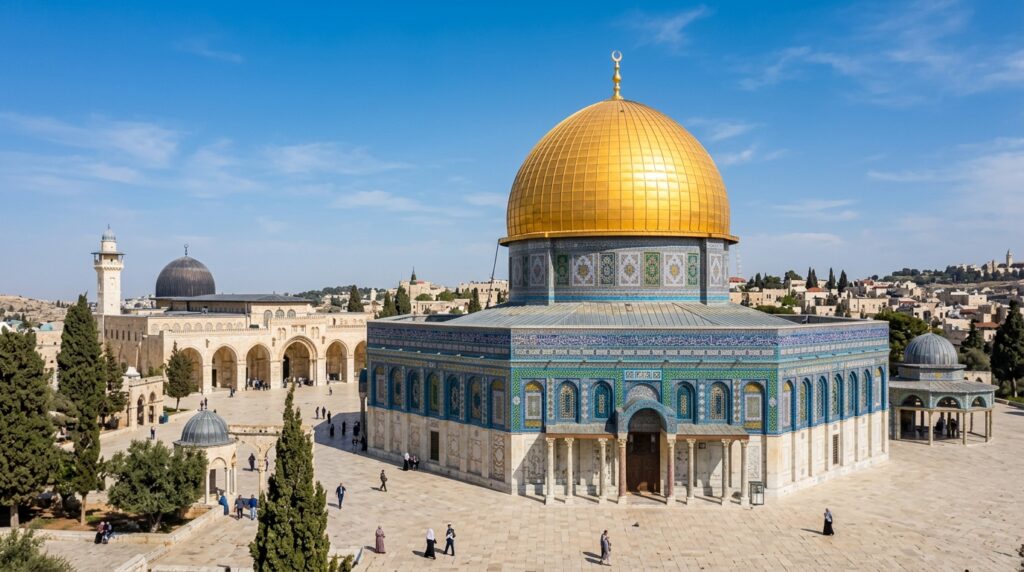
The Dome of the Rock, majestically situated on the Temple Mount (Haram al-Sharif), stands as one of Islam’s holiest sites and Jerusalem’s most iconic landmark. This stunning structure, completed in 691 CE, features a brilliant golden dome that dominates the city’s skyline and represents one of the oldest surviving works of Islamic architecture.
According to Islamic tradition, this sacred site marks where the Prophet Muhammad ascended to heaven during the Night Journey (Isra and Mi’raj). For Jews, the Temple Mount represents the holiest site, believed to be where Abraham prepared to sacrifice Isaac and where both the First and Second Temples stood.
Visiting Information: Non-Muslims can visit the Temple Mount during specific hours (typically Sunday-Thursday, 7:30-11:00 AM and 12:30-1:30 PM, though times vary by season and security conditions). Access is through the Mughrabi Gate near the Western Wall. Note that entry to the Dome of the Rock interior is restricted to Muslims only, but visitors can admire the breathtaking exterior architecture and intricate mosaics.
Dress Code: Modest dress is strictly enforced—women should cover their hair, arms, and legs, while men should wear long pants. Remove shoes before entering prayer areas.
Cultural Sensitivity: This is one of the world’s most contested and revered sites. Maintain respectful behavior, avoid visiting during times of tension, and follow all instructions from guards.
Duration: 1-1.5 hours for the Temple Mount visit.
6. Wander Through Mahane Yehuda Market: Jerusalem’s Living Heart
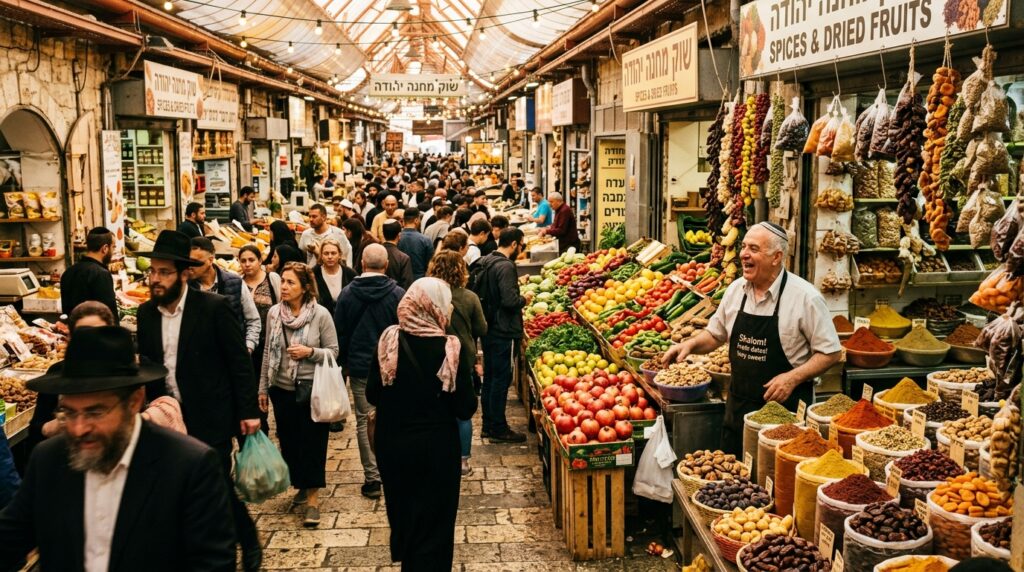
Mahane Yehuda Market, affectionately known as “The Shuk,” pulses as one of Jerusalem’s liveliest and most authentic experiences. This bustling outdoor market transforms throughout the day, serving as a grocery hub for locals in the morning and afternoon, then evolving into a vibrant entertainment district after dark.
During daytime hours, vendors call out in melodic voices, hawking fresh produce, aromatic spices, quality meats, artisanal cheeses, freshly baked bread, and everything in between. The sensory experience is overwhelming in the best way—mountains of colorful fruits and vegetables, hanging strings of dried peppers and garlic, barrels of olives and pickles, and the intoxicating scent of freshly ground spices.
Food Scene: The market has become a culinary destination, with stands offering traditional dishes like falafel, sabich (fried eggplant and egg sandwich), shakshuka, and fresh-squeezed pomegranate juice. Don’t miss the opportunity to try halva in countless flavors, fresh pastries from the Yemenite bakery, or Turkish coffee served with traditional hospitality.
Evening Transformation: As Shabbat approaches (Friday afternoons), the market reaches a fever pitch of activity as residents stock up for the day of rest. After Shabbat ends Saturday evening, and throughout the week, many stalls transform into trendy bars and restaurants, creating a lively nightlife scene where young Jerusalemites gather.
Shopping Tips: Bargaining is expected and part of the fun. Come hungry and try samples offered by friendly vendors. Visit on Thursday or Friday morning for the most energetic atmosphere, but avoid Friday afternoon if you’re not observing Shabbat, as everything closes before sundown.
Duration: 2-3 hours to explore thoroughly, eat, and soak in the atmosphere.
7. Discover the Mount of Olives: Panoramic Views and Sacred Sites
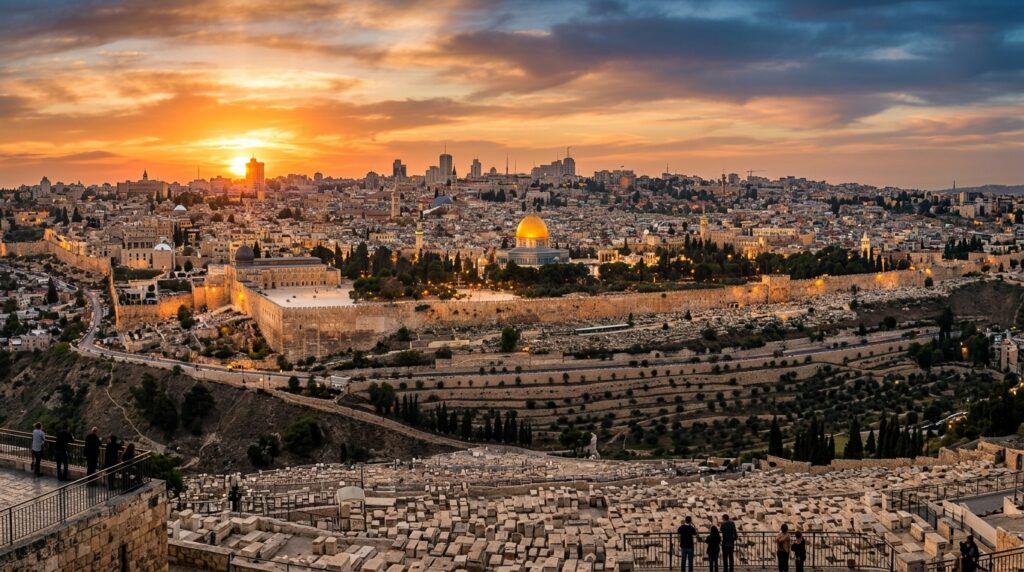
The Mount of Olives offers some of the most spectacular panoramic views of Jerusalem, particularly at sunrise and sunset when the ancient city bathes in golden light. This ridge, running parallel to the Old City’s eastern wall, holds profound significance for Judaism, Christianity, and Islam, making it essential for pilgrims and history enthusiasts alike.
Religious Significance: For Christians, this is where Jesus taught his disciples and ascended to heaven. The mount features several important sites including the Church of All Nations (Basilica of the Agony), with its stunning mosaics; the Tomb of the Virgin Mary; the Chapel of the Ascension; and the Garden of Gethsemane, where Jesus prayed before his arrest.
For Jews, the Mount of Olives cemetery, with over 150,000 graves spanning 3,000 years, represents the oldest and most important Jewish cemetery in the world. Jewish tradition holds that those buried here will be the first to rise when the Messiah comes.
Best Viewing Points: The viewpoint near the Seven Arches Hotel offers the classic Jerusalem panorama perfect for photography. Visit at golden hour for the most magical lighting on the Old City walls and Dome of the Rock.
Duration: 2-3 hours to visit key sites and enjoy the views.
Transportation Tip: Take a taxi or bus to the top, then walk down through the ancient cemetery and Garden of Gethsemane toward the Old City’s Lion’s Gate.
8. Explore Yad Vashem: A Somber Memorial to History
Yad Vashem, Israel’s official Holocaust Memorial, stands as a somber yet incredibly important site on the outskirts of Jerusalem. This powerful institution serves as a tribute to the six million Jews who perished during the Holocaust, while also honoring the Righteous Among the Nations—non-Jews who risked their lives to save Jews during the genocide.
The Museum Experience: The Holocaust History Museum takes visitors on a chronological journey through the events leading to and during the Holocaust, using survivor testimonies, artifacts, photographs, and multimedia presentations. The architectural design, by Moshe Safdie, creates a triangular prism cutting through the mountain, symbolizing a rupture in history.
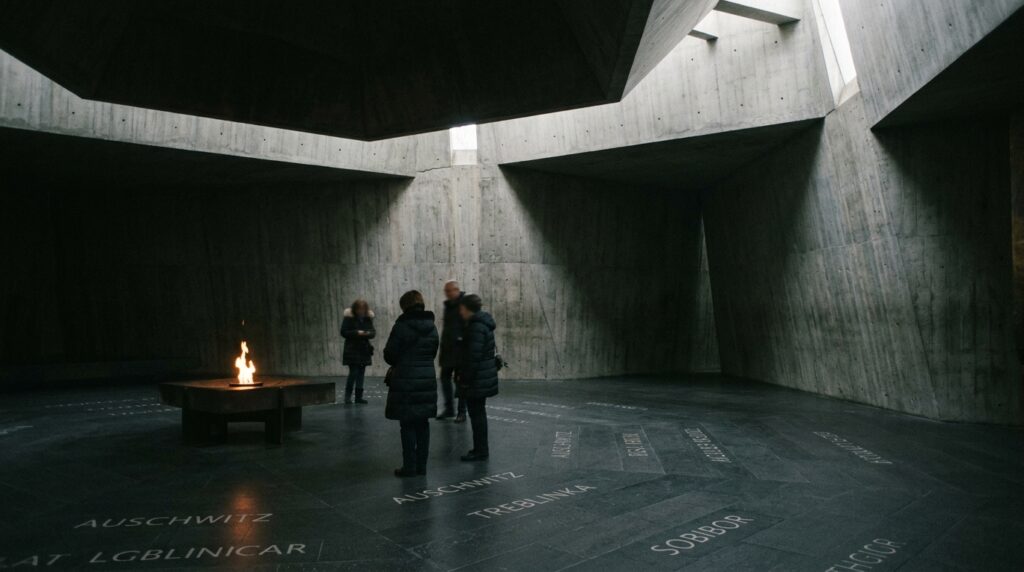
Moving Memorials: The Children’s Memorial, an underground space lit by eternal flames reflected infinitely by mirrors, commemorates the 1.5 million Jewish children murdered. The Hall of Remembrance provides a quiet space for reflection, with an eternal flame and the names of concentration camps inscribed on the floor.
Practical Information: Admission is free, though donations are welcome. Allow 3-4 hours for a thorough visit. The site is closed on Shabbat and Jewish holidays. Not recommended for young children due to the heavy subject matter. Photography is restricted in certain areas.
Educational Value: Yad Vashem serves not only as a memorial but also as a world-leading educational institution, teaching visitors about the atrocities of the Holocaust to ensure they are never forgotten and never repeated.
Duration: 3-4 hours for a meaningful visit.
9. Take a Day Trip to the Dead Sea: Nature’s Wonder
Though not technically within Jerusalem’s boundaries, a visit to the Dead Sea represents an essential addition to any Jerusalem itinerary. Located just 1.5 hours away by car or organized tour, this remarkable natural wonder offers a surreal and rejuvenating experience unlike anywhere else on Earth.
The Floating Experience: As one of the saltiest bodies of water in the world (nearly 10 times saltier than the ocean), the Dead Sea makes sinking virtually impossible. You’ll float effortlessly on the surface, creating one of travel’s most unique and Instagram-worthy experiences. The mineral-rich waters and therapeutic mud have attracted visitors seeking healing properties for thousands of years.
What to Expect: The high salt concentration means you must avoid getting water in your eyes or mouth, and don’t shave right before entering as it will sting. The mud, which you can apply to your skin, is said to have beneficial properties for various skin conditions. After your swim, use the freshwater showers to rinse off the salt.
Best Time to Visit: Early morning or late afternoon offers the most comfortable temperatures and softer light for photography. Winter months provide pleasant swimming weather, while summer can be extremely hot.
Tour Options: Many organized day tours from Jerusalem include Dead Sea visits combined with Masada fortress or Qumran Caves (where the Dead Sea Scrolls were discovered). Alternatively, rent a car for flexibility or join a small group tour for a more personalized experience.
Duration: Half-day to full-day trip from Jerusalem.

10. Visit the Israel Museum and Shrine of the Book: Treasures of Civilization
The Israel Museum, Jerusalem’s premier cultural institution, houses an extraordinary collection spanning art, archaeology, and Jewish history. This world-class museum deserves a prominent place on any Jerusalem itinerary, offering insights into the region’s rich heritage from prehistoric times to the present.
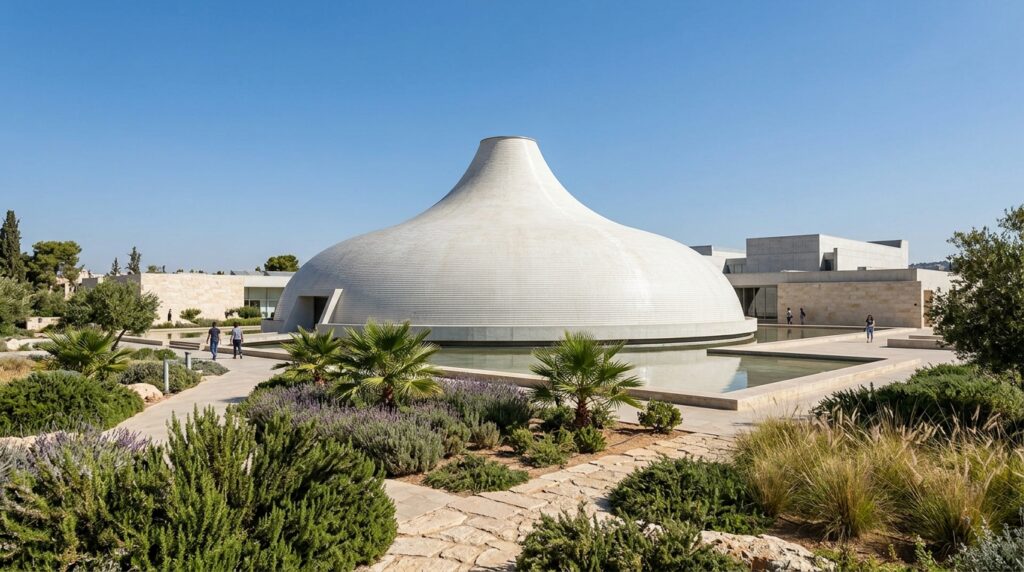
The Shrine of the Book: This iconic white dome structure, designed to resemble the lids of the jars in which the Dead Sea Scrolls were found, houses the ancient scrolls themselves—some of the oldest biblical manuscripts in existence. The building’s design symbolizes the conflict between the “Sons of Light” and “Sons of Darkness,” themes found in the scrolls. The contrasting black basalt wall opposite the white dome represents this duality.
Museum Highlights: Beyond the Dead Sea Scrolls, explore the extensive archaeological wing featuring artifacts from biblical times, the impressive Second Temple Model showing Jerusalem as it looked in 66 CE, and diverse art collections ranging from European masters to contemporary Israeli art. The Billy Rose Art Garden showcases modern sculptures in a peaceful outdoor setting.
Practical Information: The museum is closed on Mondays and open extended hours on Tuesdays. Allow 3-4 hours minimum, though you could easily spend an entire day. Audio guides are available in multiple languages and highly recommended.
Cultural Experience: This museum provides essential context for understanding Jerusalem’s layered history and the broader story of the Jewish people and the Land of Israel.
Duration: 3-4 hours for a comprehensive visit.
Your Perfect Jerusalem Itinerary: Putting It All Together
3-Day Jerusalem Itinerary:
Day 1: Old City Immersion
- Morning: Western Wall and Jewish Quarter
- Midday: Via Dolorosa and Church of the Holy Sepulchre
- Afternoon: Explore Muslim and Christian Quarters, visit Dome of the Rock (Temple Mount)
- Evening: Dinner in Old City, sunset views from rooftop
Day 2: Sacred Sites and Culture
- Morning: Mount of Olives, Garden of Gethsemane
- Midday: Yad Vashem
- Afternoon: Israel Museum and Shrine of the Book
- Evening: Mahane Yehuda Market for dinner and nightlife
Day 3: Day Trip and Exploration
- Full day: Dead Sea and Masada tour
- Alternative: Armenian Quarter exploration, local neighborhoods like Nachlaot or German Colony
Weather Considerations and What to Pack
Jerusalem’s weather varies significantly by season. Spring and fall offer ideal conditions with mild temperatures perfect for walking. Summer brings intense heat, especially in the Old City’s stone alleyways—pack light, breathable clothing, a hat, sunscreen, and plenty of water. Winter can be surprisingly cold and rainy; bring layers and a waterproof jacket.
Year-Round Essentials: Comfortable walking shoes (cobblestones are uneven), modest clothing for religious sites (covered shoulders and knees), a scarf for women to cover hair when needed, and a reusable water bottle.
Transportation Tips for Getting Around
Jerusalem’s light rail connects West Jerusalem with areas near the Old City. Buses serve the entire city efficiently. For the Old City, walking is essential and preferred. Taxis and ride-sharing apps like Gett are readily available. Consider purchasing a Rav-Kav card for discounted public transport. Parking in the Old City is extremely limited; use public lots outside the walls.
Food Recommendations: Tasting Jerusalem
Jerusalem’s culinary scene reflects its diverse population. Must-try foods include:
- Falafel and Hummus: Try at Abu Shukri in the Muslim Quarter or Machneyuda for upscale Israeli cuisine
- Shakshuka: Perfect breakfast dish, excellent at Dr. Shakshuka
- Sabich: Iraqi-Jewish sandwich at Sabich Tchernichovsky
- Fresh Pomegranate Juice: Throughout Mahane Yehuda Market
- Knafeh: Sweet cheese pastry at Jaffa Sweets
- Israeli Wine: Visit local wine bars in the German Colony
Cultural Highlights and Respectful Travel
Jerusalem demands cultural sensitivity. Dress modestly when visiting religious sites. Respect Shabbat observance from Friday sundown to Saturday sundown—public transport stops, and many businesses close. Learn basic Hebrew or Arabic greetings; locals appreciate the effort. Be aware of ongoing political sensitivities and avoid discussing contentious topics.
Final Thoughts: Your Jerusalem Awaits
Jerusalem offers an unparalleled journey through faith, history, and culture. From the spiritual intensity of the Western Wall to the floating magic of the Dead Sea, from ancient stone alleyways to vibrant modern markets, this city captures hearts and transforms perspectives. Take your time, remain open to unexpected encounters, and allow Jerusalem’s timeless spirit to work its magic on you.
Jerusalem isn’t just a destination—it’s an experience that stays with you long after you’ve left its ancient walls. Whether you come for faith, history, culture, or adventure, this remarkable city delivers moments of profound beauty and meaning. Start planning your Jerusalem adventure today, and prepare for a journey that will touch your soul.