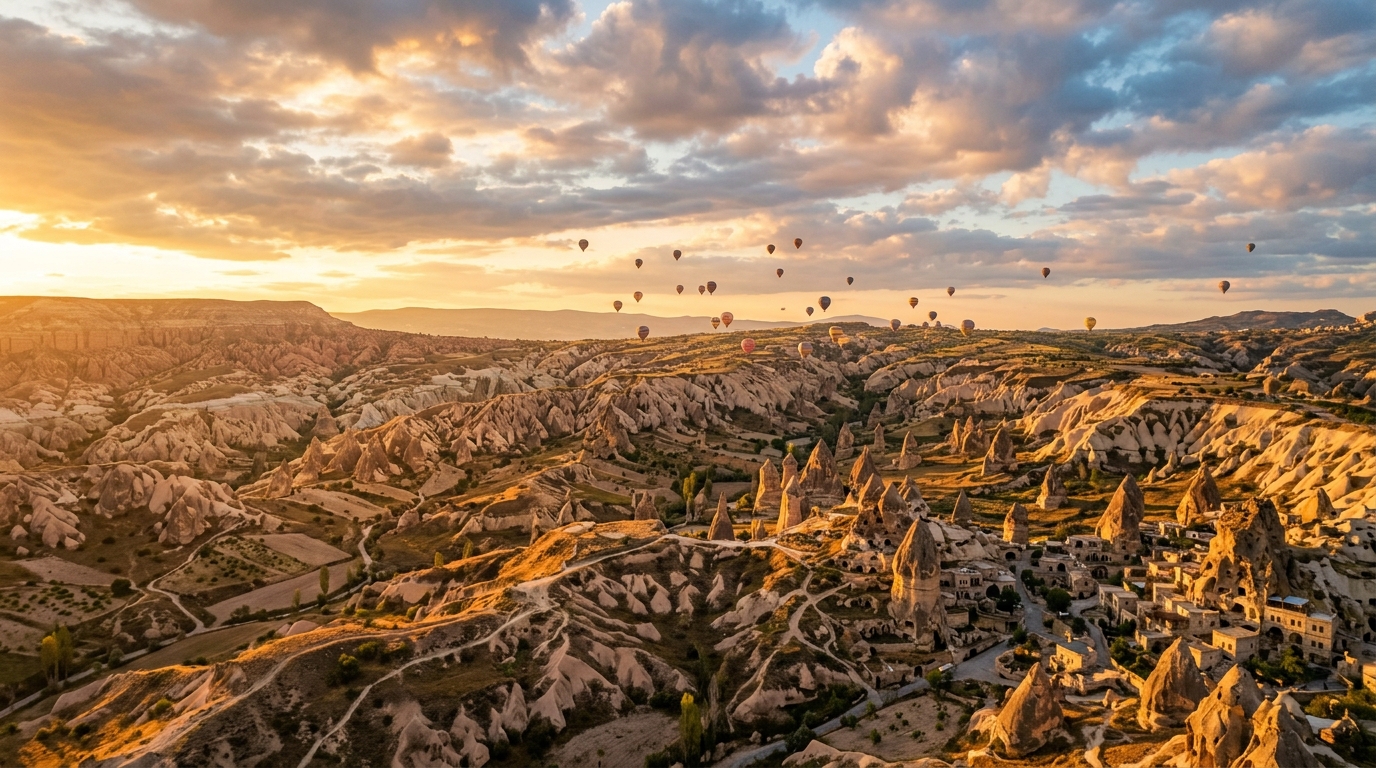

Did you know that Cappadocia is home to underground cities that date back thousands of years? Hidden beneath the surface, these ancient cities reveal incredible stories of survival and mystery carved entirely from rock. This fascinating region in central Turkey offers one of the world’s most remarkable archaeological experiences, where entire civilizations sought refuge from invaders by disappearing underground.
Beneath Cappadocia’s otherworldly landscape of fairy chimneys and cave dwellings lies an even more fascinating secret: its underground cities. These cities, carved from the soft volcanic rock known as tuff, served as refuges for ancient civilizations seeking shelter from invaders, harsh weather, and religious persecution. Today, they stand as a testament to human ingenuity and survival in a challenging environment.
The Marvel of Subterranean Architecture
The underground cities of Cappadocia represent some of the most impressive examples of ancient engineering and architectural planning. Carved into the region’s unique volcanic rock formations, these multi-level complexes could house thousands of people along with their livestock and food supplies. The soft volcanic tuff made excavation possible with simple tools, while the rock’s natural insulation properties maintained comfortable temperatures year-round.
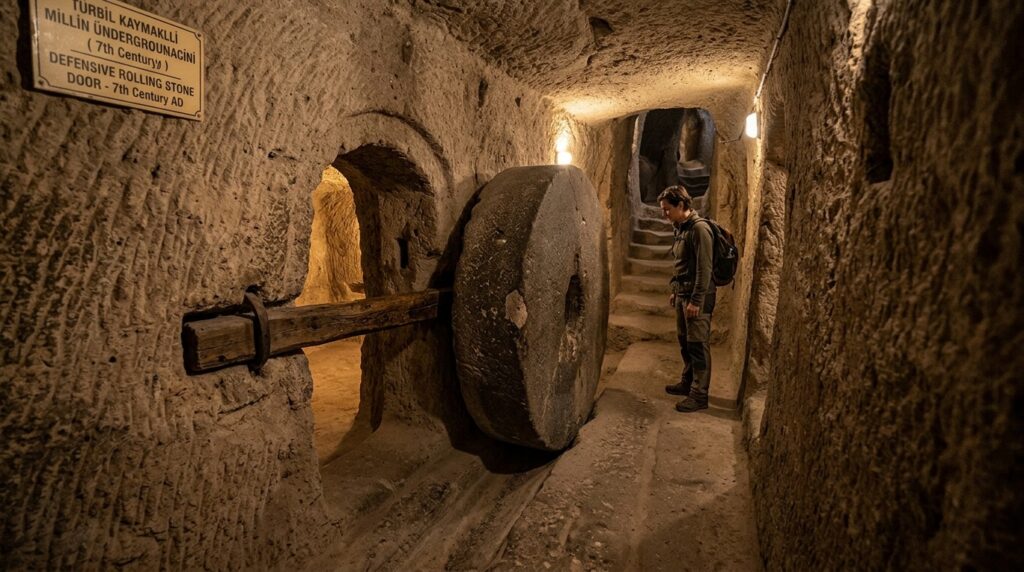
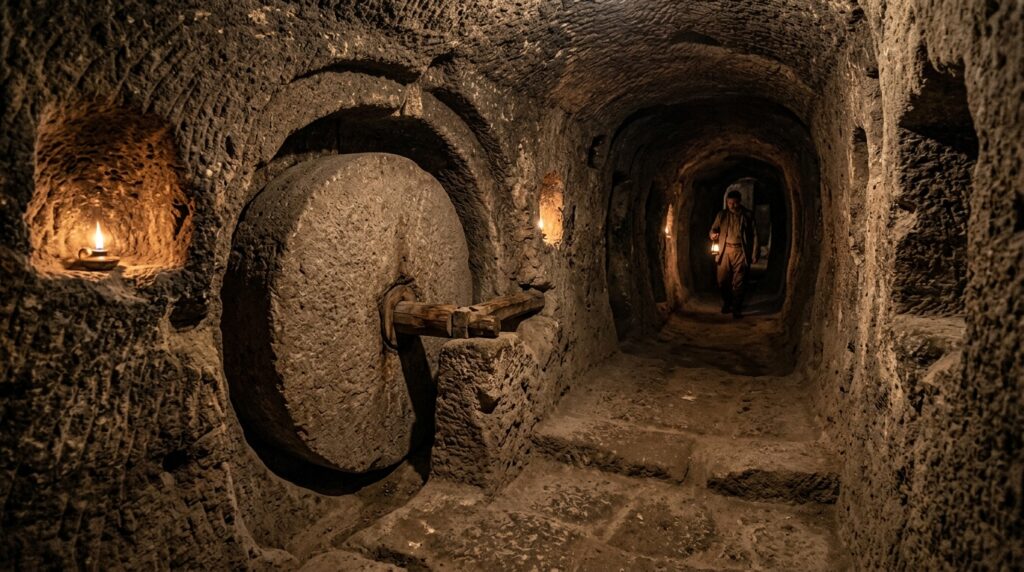
These underground networks featured sophisticated ventilation systems, wells, storage rooms, living quarters, stables, churches, and even wineries. Stone doors weighing hundreds of kilograms could be rolled to block passageways from the inside, providing crucial defense against invaders. The level of planning and organization required to create these self-sustaining underground communities is truly remarkable.
10. Gaziemir Underground City: An Intimate Introduction
Starting with one of the lesser-known sites, Gaziemir Underground City offers a glimpse into Cappadocia’s subterranean world without the overwhelming crowds. Located near Nevşehir, it’s a small yet well-preserved site that provides an excellent introduction to underground city exploration.
Visitors will find narrow corridors and basic living spaces that were once used for shelter during times of danger. What makes Gaziemir special is its relatively untouched condition, allowing for a more intimate and personal experience. The site has maintained much of its original character, with minimal modern modifications.
Though smaller and quieter than its more famous counterparts, Gaziemir still offers a fascinating glimpse into the region’s underground life. The compact size makes it perfect for those with limited time or for families with young children who might find larger underground cities overwhelming. The site typically requires only 30-45 minutes to explore thoroughly.
9. Mazı Underground City: Rustic Charm and Authenticity
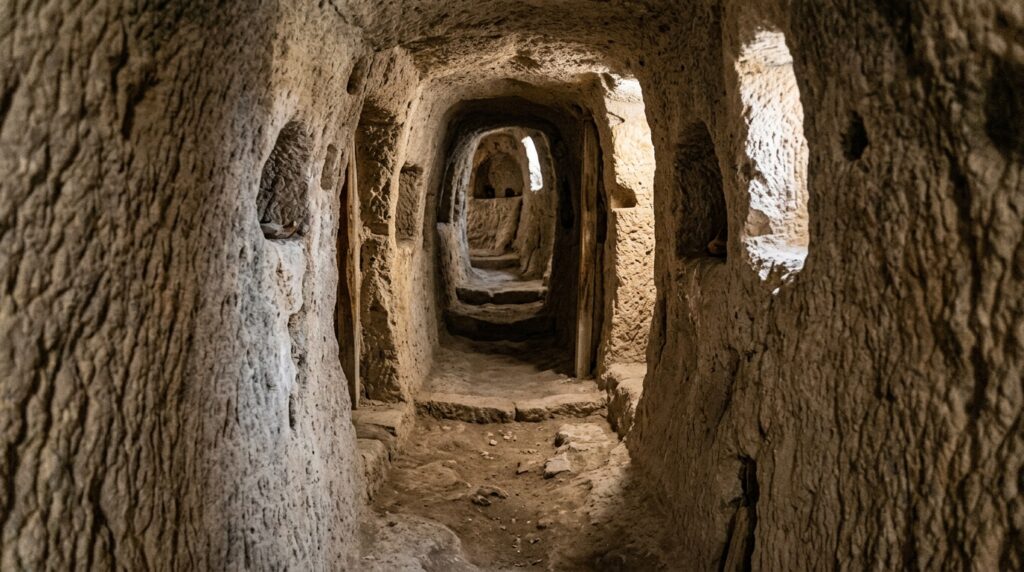
Mazı is another smaller underground city located just a short distance from Ürgüp. What sets Mazı apart is its quieter atmosphere and more rustic charm compared to the heavily touristed sites. The city contains living quarters, storage rooms, chapels, and communal spaces that provide a good understanding of the lifestyle of ancient Cappadocian residents.
The site has been carefully excavated and preserved, revealing multiple levels that showcase the daily life of those who sought refuge here. You’ll discover wine presses, kitchens, and sleeping quarters that paint a vivid picture of underground living. The ventilation system, though simpler than larger cities, was remarkably effective.
Although not as grand or expansive as some other underground cities, Mazı’s simplicity and authenticity make it an appealing option for those seeking a more off-the-beaten-path experience. The reduced tourist traffic allows for contemplative exploration and better photography opportunities without crowds obstructing your view.
8. Özkonak Underground City: Defensive Ingenuity
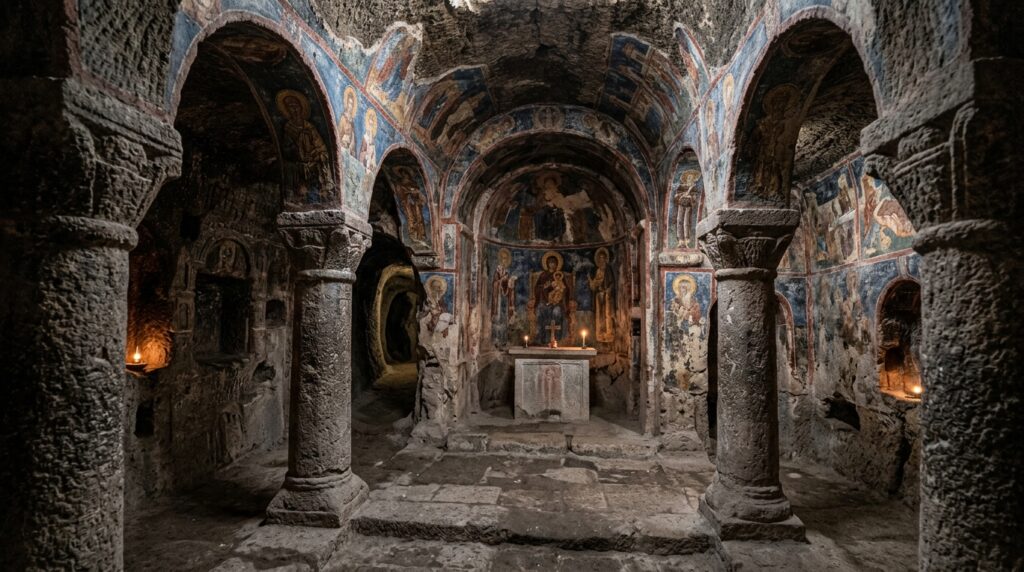
Özkonak stands out for its advanced defense system. Located in the northeastern part of the Cappadocia region, this city is relatively small but rich in historical significance and strategic design. Built on the northern slope of Mount Idis, Özkonak features unique architectural elements not found in other underground cities.
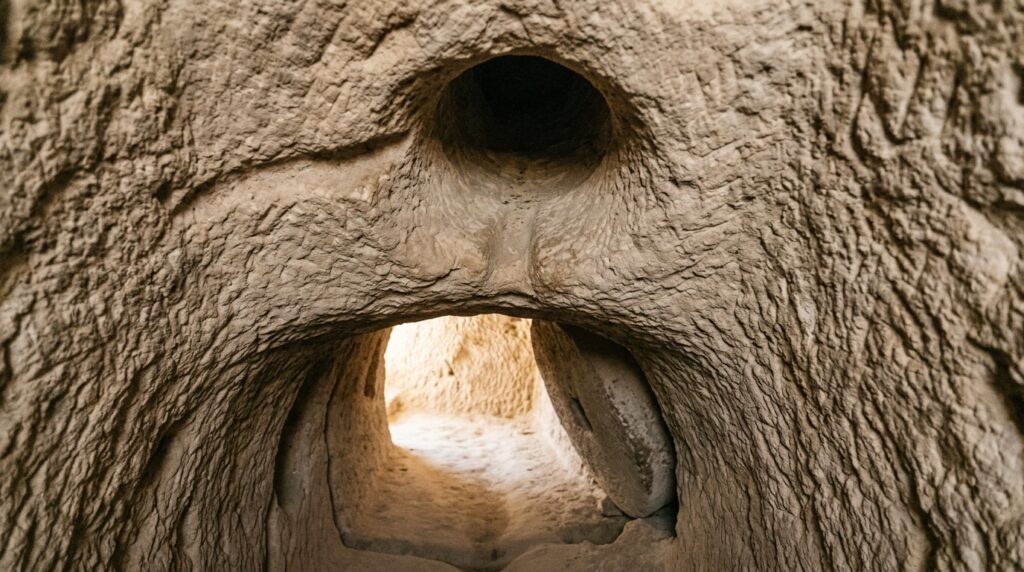
Özkonak’s key feature is its sophisticated ventilation system, which differs from other underground cities. It has specialized ventilation shafts that help provide fresh air and keep temperatures manageable even in the deepest levels. The city’s narrow passages, stone doors, and clever use of space reflect the ingenuity of the people who built it.
The defensive mechanisms include holes in the ceilings designed to drop hot oil or sand on invaders attempting to breach the lower levels. This feature demonstrates the constant threat of attack that ancient Cappadocians faced and their innovative solutions to protect their communities. The site has four main levels open to visitors, with more levels still being excavated.
7. Kaymaklı Underground City: Accessibility and Organization
One of the most famous underground cities in Cappadocia, Kaymaklı is a well-preserved and highly accessible site that welcomes hundreds of visitors daily. Though not as deep as Derinkuyu, it’s still an impressive network of tunnels and chambers spanning multiple levels, with only four of its estimated eight levels currently open to the public.
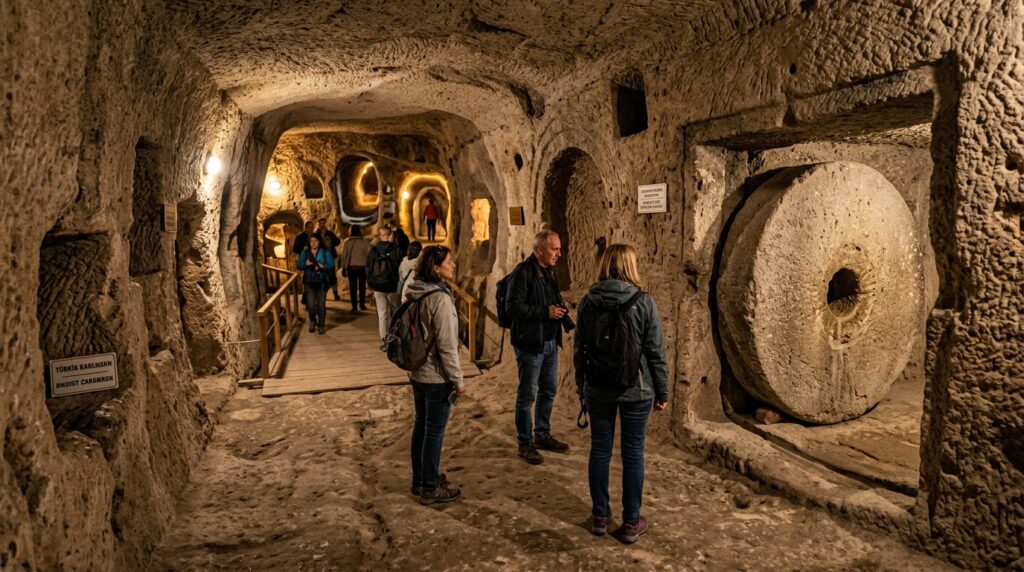
Kaymaklı’s organization makes it easy to explore, with clearly marked routes and rooms designated for living, storage, and communal activities. The site features a large millstone door, ventilation shafts, and well-crafted defense mechanisms. The stable areas on the entrance level could house dozens of animals, while upper levels contained living quarters and kitchens.
The city provides an excellent glimpse into how people lived and survived during invasions, making it one of the best examples of Cappadocia’s underground heritage. The relatively wide corridors and good lighting make it suitable for visitors who might feel claustrophobic in narrower underground spaces. Informative signs throughout help visitors understand the function of different areas.
6. Tatlarin Underground City: The Hidden Gem
The Tatlarin Underground City, though not as well-known as others, is a hidden gem in Cappadocia worth seeking out. Located near the town of Tatlarin in the Acıgöl district, it’s smaller but no less impressive in its craftsmanship and historical significance.
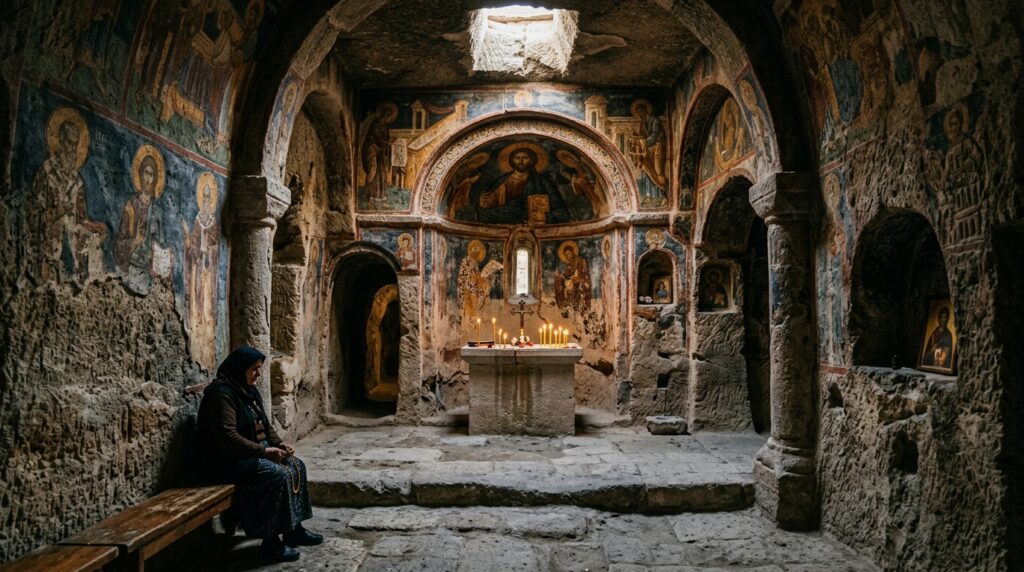
The city features a network of narrow corridors, chambers, and storage areas carved with precision. While much of it remains unexcavated, the sections that have been opened offer a unique opportunity to explore one of Cappadocia’s more secluded underground cities. Archaeologists believe the site may have been used primarily as a monastic settlement rather than a full-scale refuge city.
Its relative obscurity means fewer tourists, which allows for a more peaceful and contemplative visit. You can take your time examining the detailed carvings and imagining the lives of those who inhabited these spaces. The site includes a small church with remnants of frescoes, adding spiritual significance to the historical value.
5. Kızılçukur Underground City: Intimate Exploration
Kızılçukur Underground City is one of the lesser-explored but equally fascinating cities in the region. Situated near the village of Kızılçukur, this underground city is relatively small but boasts beautifully carved rooms, storage areas, and ventilation shafts that demonstrate skilled craftsmanship.
The charm of Kızılçukur lies in its intimate atmosphere and the quality of preservation. Since it is not as heavily trafficked as the major sites, it feels more like a personal exploration into the past. Visitors can wander through the tunnels at their own pace and imagine the lives of the people who once sought shelter here during times of conflict.
The site features interesting architectural details, including well-preserved door mechanisms and ventilation systems. The rock formations around the entrance create a dramatic setting, and the surrounding area offers beautiful hiking opportunities through the red-hued valleys that give the site its name.
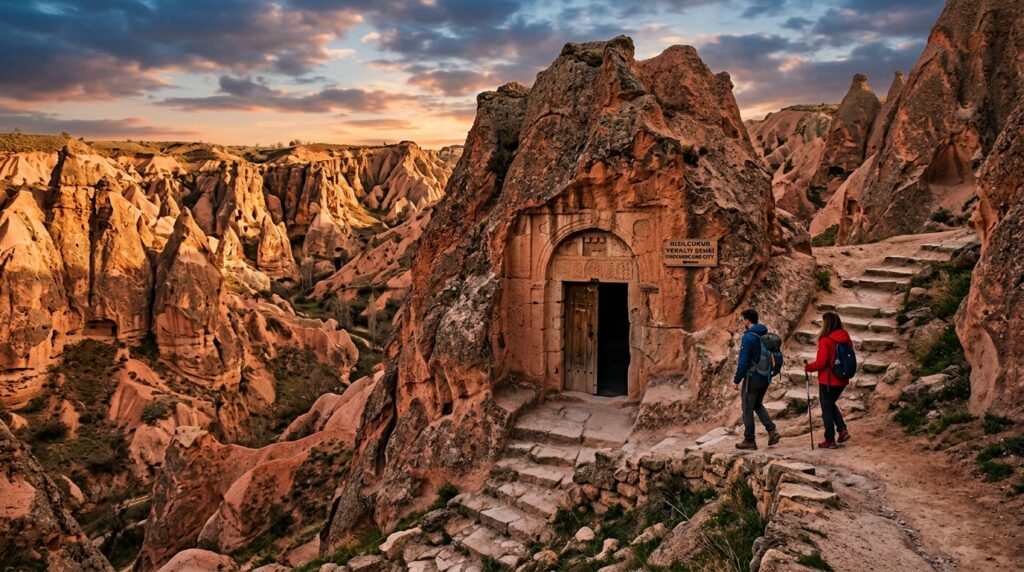
4. Acıgöl Underground City: Spacious and Well-Preserved
Larger and more expansive than many other smaller cities in Cappadocia, Acıgöl Underground City stands out for its excellent preservation and spacious layout. Located near the village of Acıgöl, this city features generous rooms and extensive storage spaces along with defensive mechanisms such as stone doors and narrow corridors.
Acıgöl’s design is typical of Cappadocia’s underground cities, but its more extensive layout and variety of areas open to the public make it a compelling site to explore. The city includes multiple levels with distinct functional areas, from stables and kitchens to living quarters and religious spaces.
The ventilation system is particularly well-designed, maintaining comfortable temperatures throughout the year. The site’s relative accessibility and good preservation state make it an excellent choice for those who want to experience an underground city without the intense crowds of more famous locations.
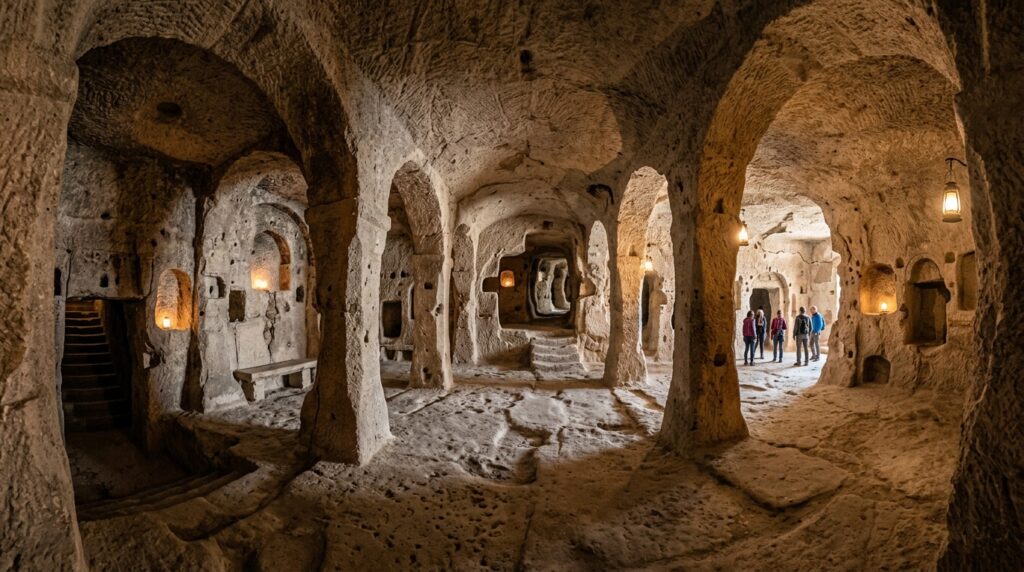
3. Ibrahim Paşa Underground City: Strategic Excellence
Located near the village of Ibrahimpaşa, this underground city is a mix of unique features and a rich historical backdrop. It’s less commercialized compared to some of the bigger cities like Derinkuyu and Kaymaklı, but the site is still impressive with its large chambers, extensive tunnels, and thoughtful organization.
Ibrahim Paşa is an excellent example of Cappadocia’s strategic underground cities, offering visitors a chance to step into an ancient world that once provided a safe haven during times of invasion. The city’s layout reveals careful planning, with separate areas for different social classes and functions.
The lack of heavy foot traffic makes it a hidden treasure for those seeking a more quiet and reflective visit. You can spend time examining the details of construction, from the precision of the carved rooms to the effectiveness of the ventilation and defense systems. The site also offers insights into the Byzantine period when these cities saw renewed use.
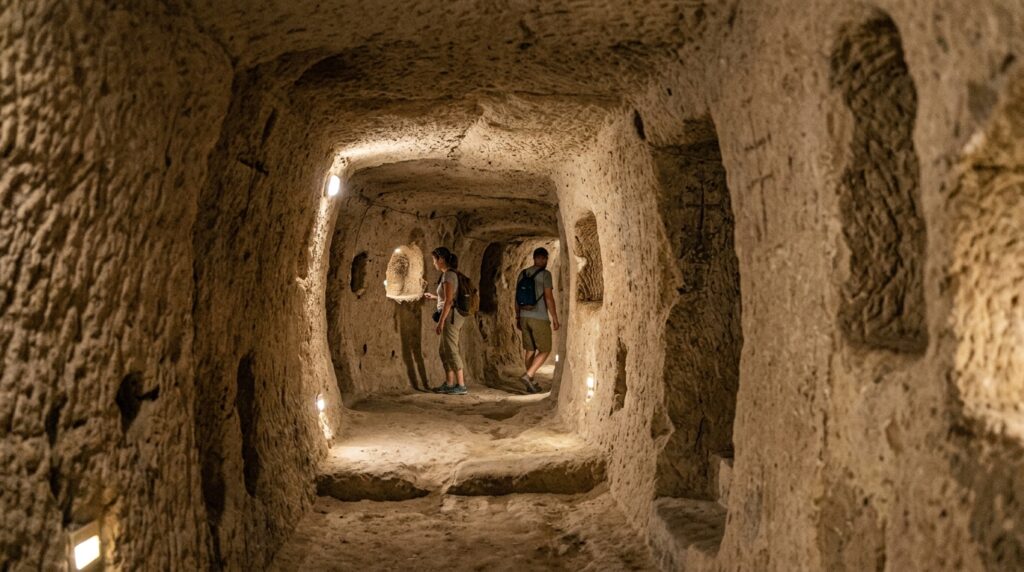
2. Derinkuyu Underground City: Depth and Complexity
When it comes to Cappadocia’s underground cities, Derinkuyu is undoubtedly the top contender and the most extraordinary of them all. This remarkable site reaches a depth of around 60 meters (200 feet) and could accommodate up to 20,000 people along with their livestock and food stores.
The city’s incredible depth, advanced defense systems, and impressive layout make it a marvel of ancient engineering. It spans multiple levels with storage rooms, living quarters, chapels, schools, and even a theological school. The sheer size and depth of Derinkuyu, combined with its ability to house a large population, make it one of the world’s most impressive underground structures.
The stone doors used to block entrances, the strategically placed ventilation shafts, and the various chambers all work together to paint a vivid picture of ancient life. A deep well within the city provided water, and the ventilation system included over 50 vertical shafts bringing fresh air to the deepest levels.
Visiting Derinkuyu is a once-in-a-lifetime experience, offering a rare chance to step inside a hidden world that has survived for thousands of years. The site can get crowded, so visiting early in the morning or late afternoon is recommended for the best experience.
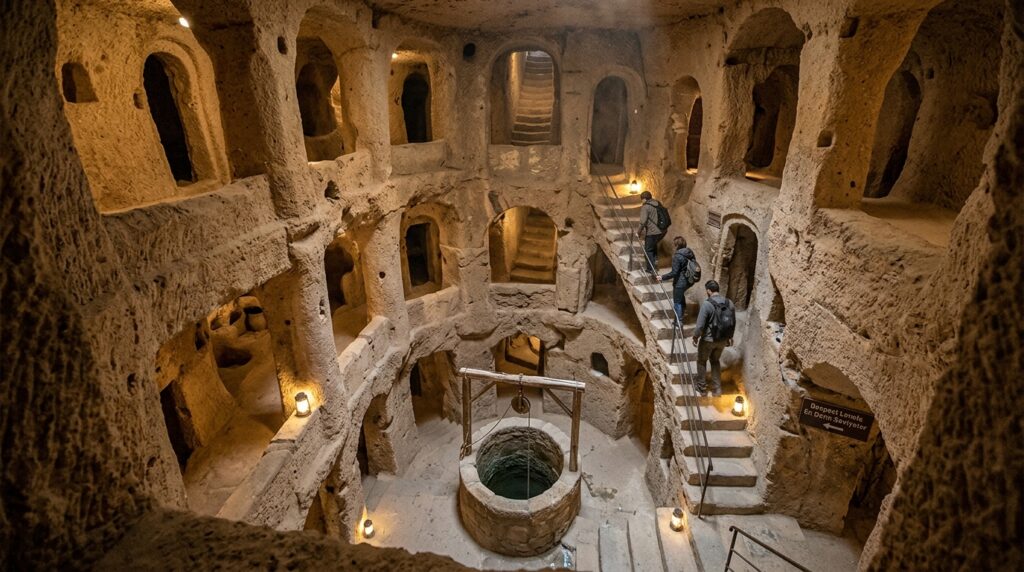
Planning Your Underground City Adventure
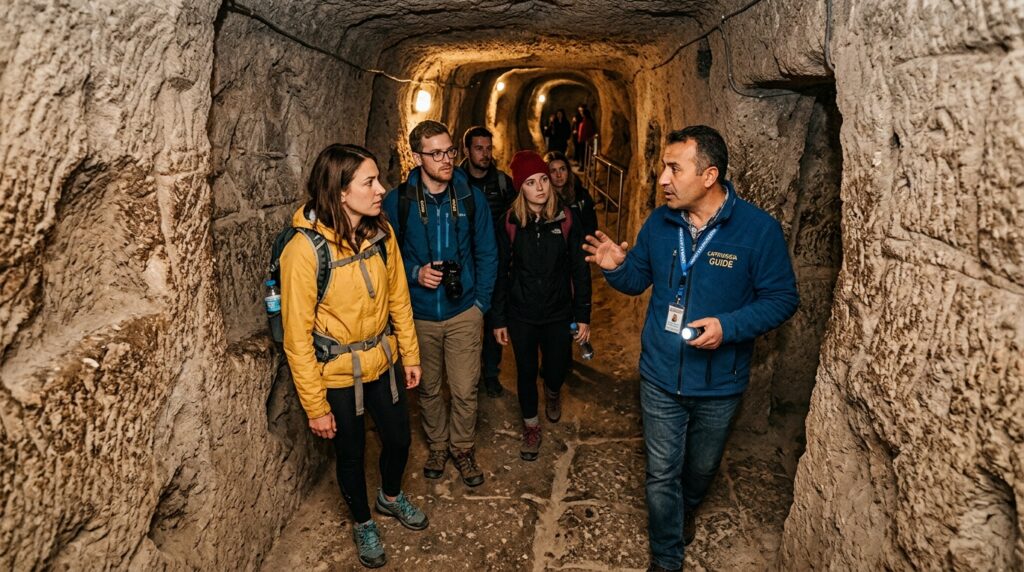
When visiting Cappadocia’s underground cities, several practical considerations will enhance your experience. Wear comfortable shoes with good grip, as the stone floors can be slippery and uneven. Bring a light jacket even in summer, as temperatures underground remain around 13-15°C (55-59°F) year-round.
Most underground cities involve climbing stairs and navigating narrow passages, so they may not be suitable for those with severe claustrophobia or mobility issues. Derinkuyu and Kaymaklı offer the most accessible routes, while smaller cities provide more challenging exploration.
Photography is generally allowed, but flash may be restricted in certain areas to preserve ancient frescoes. Hiring a local guide can significantly enhance your understanding of these sites, as they can explain details you might miss on your own and share fascinating historical context.
Best Time to Visit and Practical Tips
The best time to visit Cappadocia’s underground cities is during spring (April to June) or autumn (September to November) when the weather is mild and crowds are smaller than in peak summer months. Winter visits offer the unique experience of seeing snow-covered fairy chimneys above ground, though some sites may have reduced hours.
Consider purchasing a Cappadocia Museum Pass if you plan to visit multiple underground cities and other historical sites, as it offers significant savings. Most underground cities require 1-2 hours to explore thoroughly, though you could easily spend half a day at larger sites like Derinkuyu.
Combine your underground city visits with above-ground attractions like the Göreme Open-Air Museum, Uçhisar Castle, and the beautiful valleys for hiking. Many underground cities are located within 30-40 minutes of Göreme or Ürgüp, making them easy to include in your itinerary.

The Enduring Legacy of Cappadocia’s Underground Cities
These remarkable subterranean complexes stand as monuments to human resilience, ingenuity, and the eternal desire for safety and community. Each underground city tells a unique story of the civilizations that carved them, from early Christians seeking refuge from persecution to communities defending against Arab raids during the Byzantine period.
The preservation of these sites allows modern visitors to connect with our ancestors in a profoundly intimate way, walking through the same corridors and touching the same stone walls that sheltered families thousands of years ago. As you descend into these ancient refuges, you’re not just visiting a tourist attraction—you’re stepping into a living museum of human history.
Whether you’re a history enthusiast, an adventure traveler, or simply someone seeking unique experiences, Cappadocia’s underground cities offer an unforgettable journey beneath the surface. These hidden worlds continue to reveal their secrets, one carved chamber at a time, inviting us to marvel at the incredible achievements of ancient civilizations.