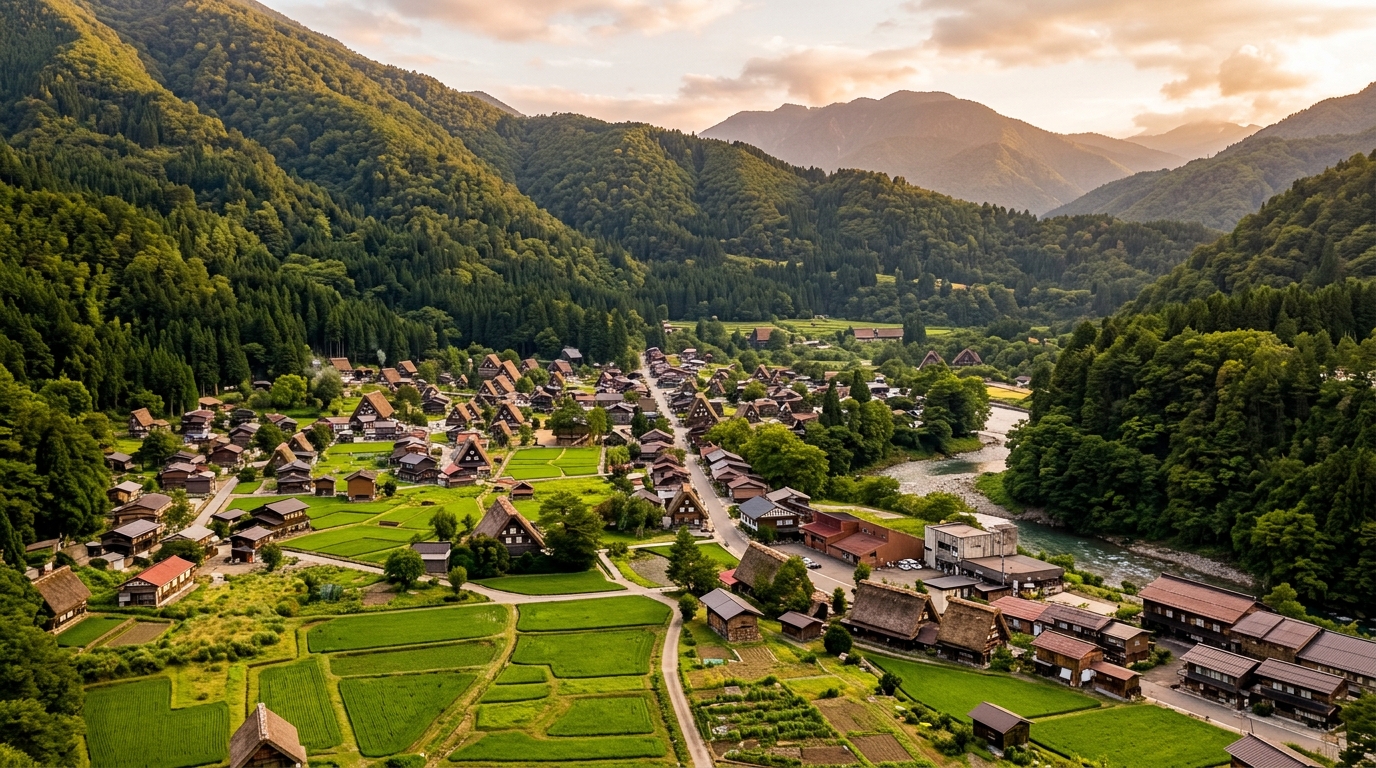

Ready to step off the beaten path and explore Japan’s picturesque countryside? These UNESCO World Heritage sites are known for their traditional thatched roof houses, stunning mountain views, and tranquil atmosphere. Whether you’re a lover of history, culture, or nature, these villages offer a unique glimpse into Japan’s rural life that has been preserved for centuries.
Understanding the Gassho-Zukuri Architecture
The distinctive architectural style that defines these villages is called gassho-zukuri, which translates to “constructed like hands in prayer.” These traditional farmhouses feature steeply pitched thatched roofs designed to withstand heavy snowfall in the mountainous regions. The roofs are angled at approximately 60 degrees, resembling two hands pressed together in prayer, hence the name.
Some of these remarkable structures are still used as family homes, while others have been converted into guesthouses and museums. The construction technique has been passed down through generations, requiring community cooperation to maintain and rebuild the roofs every 30 to 40 years. This traditional practice, known as yui, exemplifies the strong community bonds that have sustained these villages for centuries.
1. Stay in a Traditional Gassho-Zukuri House
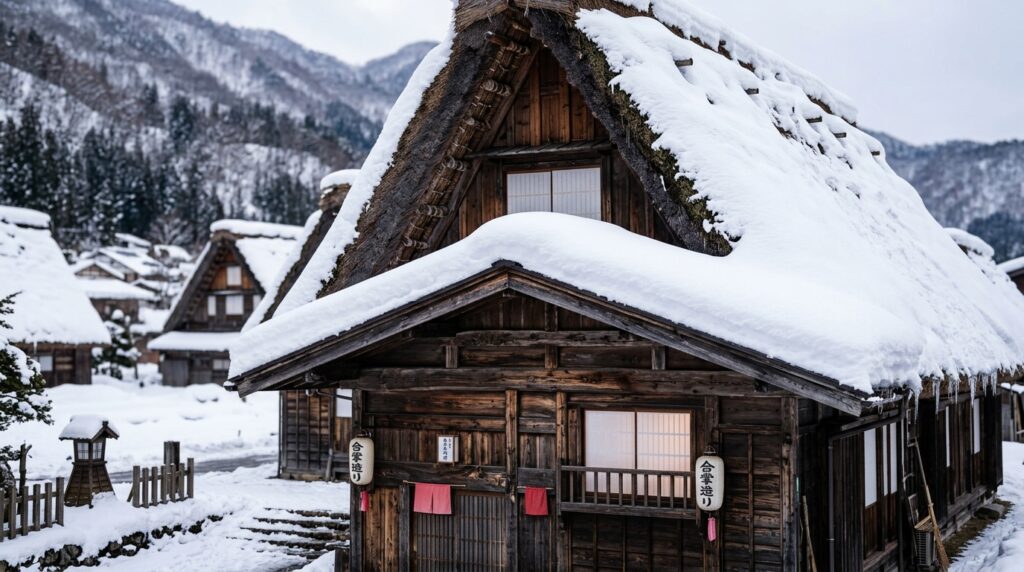
The best way to fully immerse yourself in the experience of these villages is by staying overnight in a gassho-zukuri house. This unique accommodation option offers an authentic glimpse into rural Japanese life that is rapidly disappearing from the modern world. Many of these historic farmhouses have been carefully converted into guesthouses while maintaining their original character and charm.
When you stay in one of these traditional homes, you’ll experience the peaceful atmosphere that envelops these villages. At night, you’ll hear the soothing sounds of nature—crickets chirping, wind rustling through the thatched roofs, and perhaps the gentle flow of nearby streams. Wake up to the melodious songs of birds and breathe in the fresh mountain air that has made this region famous.
The interiors typically feature tatami mat flooring, sliding shoji screens, and traditional Japanese furnishings. Many guesthouses offer kaiseki-style meals prepared with local ingredients, giving you a true taste of regional cuisine. Some properties even have traditional irori (sunken hearths) where guests can gather to warm themselves during colder months.
2. Visit the Shirakawa-go Observation Deck
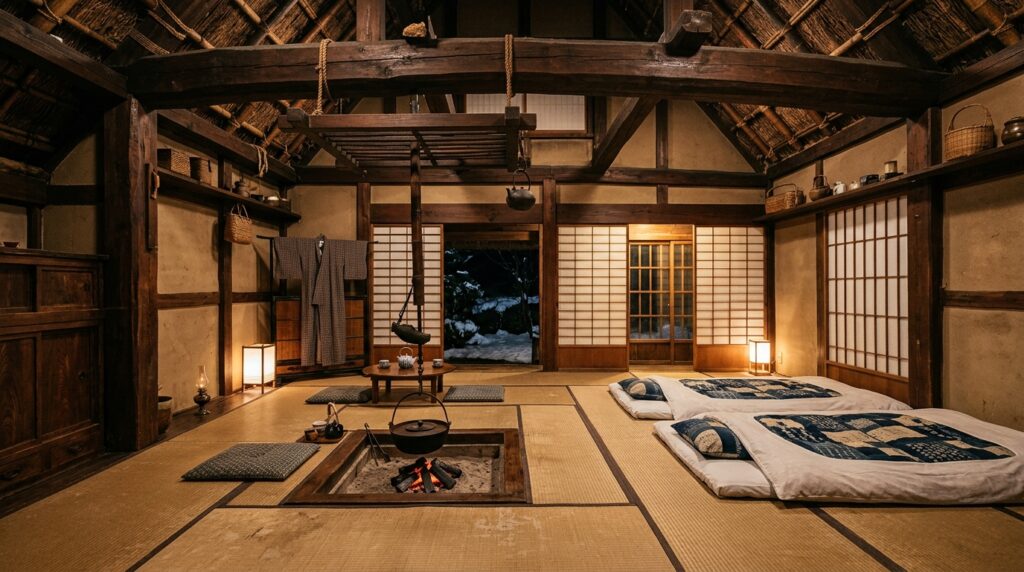
To truly appreciate the breathtaking beauty of Shirakawa-go, make your way to the Shiroyama Observation Deck. Perched high above the village, this viewpoint offers sweeping panoramic views of the entire settlement with its iconic thatched roof houses framed by the surrounding Japanese Alps.
The observation deck is accessible via a 15-minute walk from the village center or by shuttle bus during peak seasons. The elevated position provides the perfect vantage point to understand the village layout and appreciate how the houses are arranged in harmony with the natural landscape.
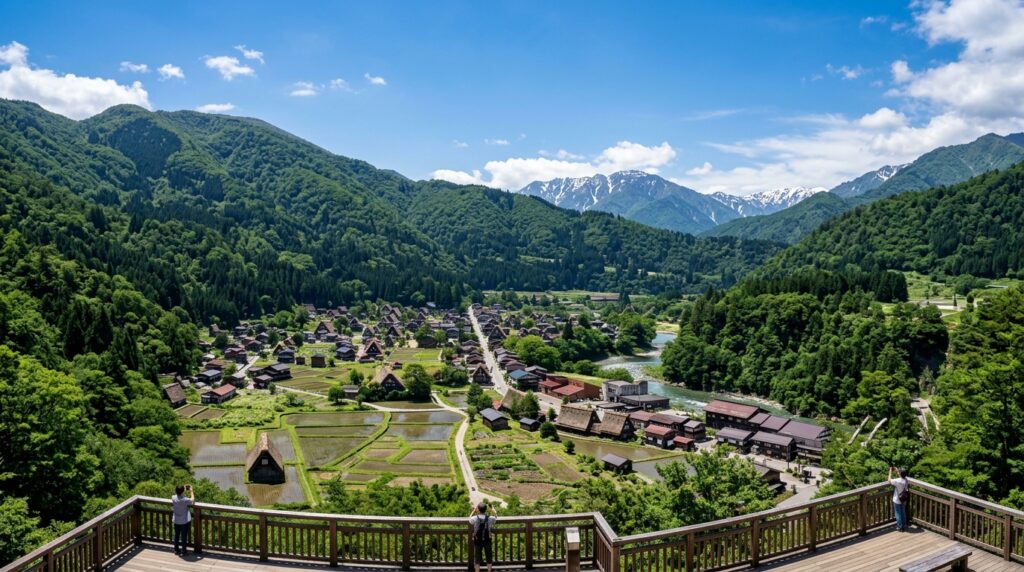
In winter, the snow-covered roofs create a magical, almost fairy tale-like scene that has made Shirakawa-go one of Japan’s most photographed destinations. The contrast between the white snow and dark thatched roofs is particularly striking. During spring and summer, the village is surrounded by lush greenery, vibrant rice paddies, and crystal-clear rivers, offering a completely different but equally captivating experience.
Photography enthusiasts will find endless opportunities here. The observation deck offers the best angle to capture the village’s unique architecture and the stunning natural beauty of the region. Early morning and late afternoon provide the best lighting conditions, with the golden hour casting a warm glow over the entire landscape.
3. Explore the Gokayama Folklore Village
Located just a short distance from Shirakawa-go, Gokayama is equally stunning but receives fewer tourists, making it a perfect destination for those seeking a quieter, more authentic experience. The region consists of several small settlements scattered throughout the mountainous terrain, each with its own unique character.
One of the best ways to experience Gokayama is by visiting the Gokayama Folklore Village, also known as the Ainokura Gassho-zukuri Village. Here you’ll find traditional gassho-zukuri houses that are still inhabited by local families, maintaining the living heritage of the region. This village retains a strong sense of community and is often referred to as the more authentic, peaceful counterpart to Shirakawa-go.
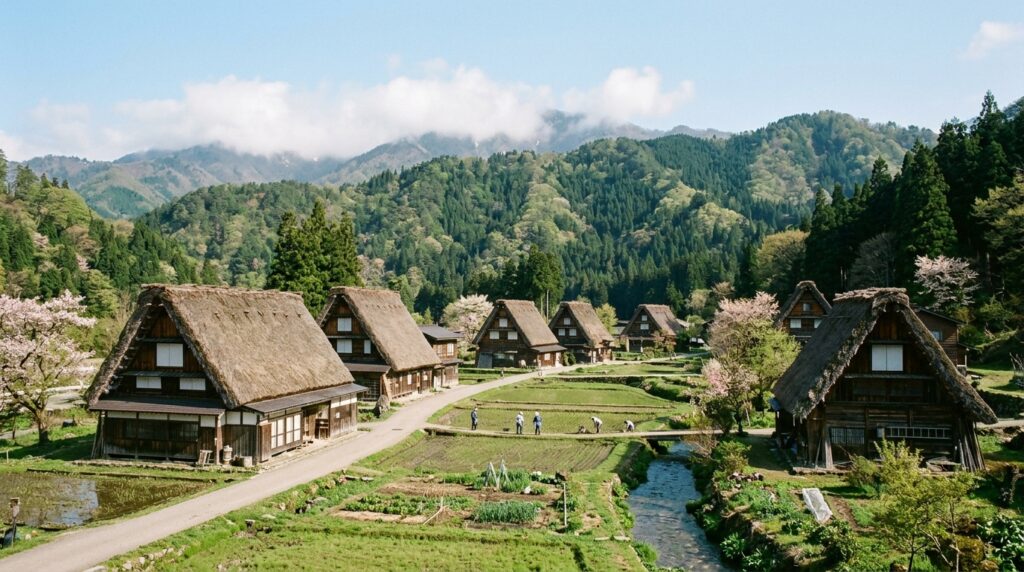
Take a leisurely walk through the village’s narrow lanes, admiring the unique thatched roof houses and learning about the daily life of its inhabitants. You’ll notice the slower pace of life and the deep connection residents maintain with their traditions. The tranquil atmosphere makes Gokayama the perfect place to get away from the hustle and bustle of modern life and experience traditional Japan as it has existed for generations.
Local residents are often happy to share stories about their heritage and demonstrate traditional crafts. You might witness silk weaving, washi paper making, or other artisanal practices that have been preserved in this remote region.
4. Discover the Shirakawa-go Gassho-zukuri Village Open Air Museum
For those interested in the history and architecture of gassho-zukuri houses, the Shirakawa-go Gassho-zukuri Village Open Air Museum is an essential stop. This fascinating museum showcases a collection of traditional houses that have been carefully relocated from various parts of the region to preserve the unique architectural style and offer visitors a better understanding of rural lifestyle.
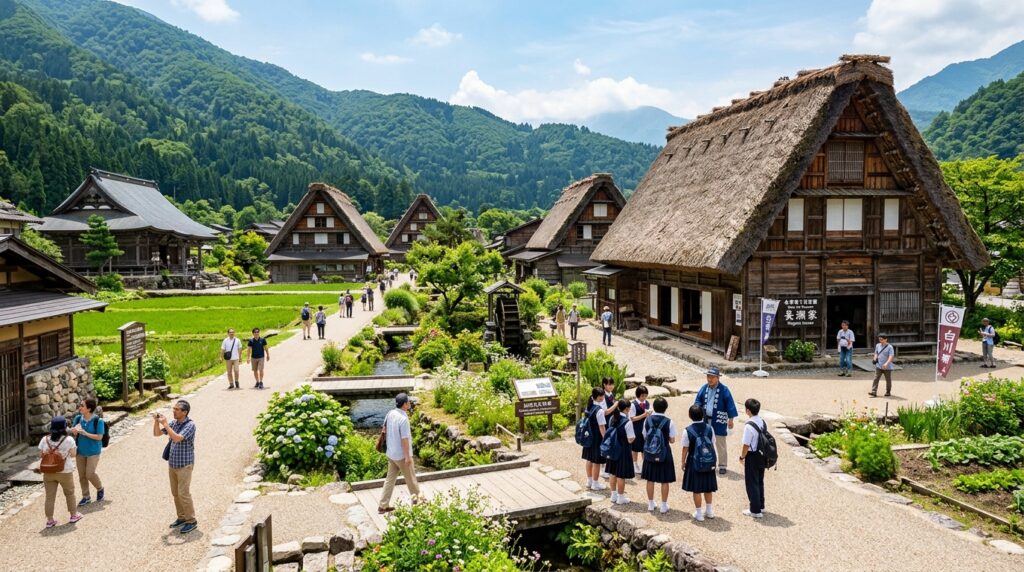
You’ll get to explore several houses, each one meticulously preserved to highlight different aspects of village life. The museum features detailed exhibits showing farming tools, household items, and domestic arrangements from different historical periods. Knowledgeable guides and informative signage help visitors understand the challenges and rewards of life in these mountain communities.
The museum offers hands-on experiences that allow you to engage with the culture on a deeper level. Participate in traditional weaving demonstrations, try your hand at washi paper making, or learn about the intricate process of maintaining thatched roofs. These interactive experiences provide valuable insights into the skills and craftsmanship that have sustained these communities for centuries.
5. Hike the Shiroyama Viewpoint Trail
For those who enjoy hiking and outdoor activities, the Shiroyama Viewpoint Trail in Shirakawa-go offers an excellent way to explore the natural beauty surrounding the village. This relatively easy hike takes you through lush forests and rolling hills, culminating in a viewpoint that offers stunning vistas of the village below.
The trail is well-maintained and suitable for most fitness levels, making it accessible to families and casual hikers. As you ascend, you’ll pass through traditional satoyama landscapes—the managed woodland areas that have been sustainably used by local communities for centuries. Keep an eye out for seasonal wildflowers, local bird species, and perhaps even some of the region’s small wildlife.
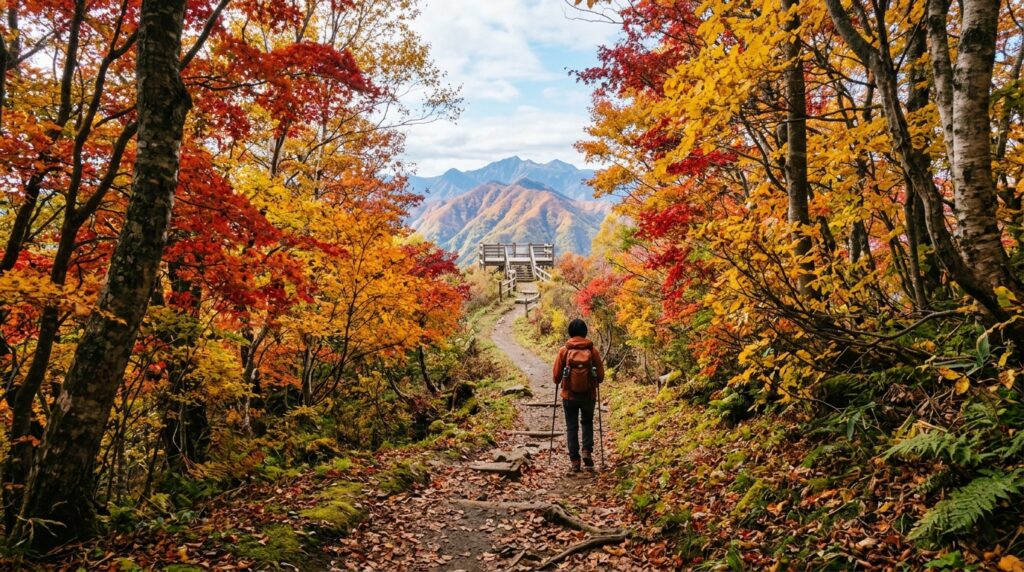
The trail is particularly beautiful in autumn when the leaves turn vibrant shades of red and gold, creating a spectacular natural display. However, it’s equally lovely in spring and summer when the greenery is lush and vibrant. The fresh mountain air and peaceful surroundings make this hike a relaxing way to experience the landscape of Shirakawa-go.
From the viewpoint, you’ll gain a new perspective on how the village integrates with its natural environment. The patchwork of rice fields, forests, and traditional houses creates a harmonious landscape that has been carefully maintained for generations.
6. Tour the Wada Family House
The Wada Family House is one of the most famous gassho-zukuri houses in Shirakawa-go and is open to the public as a museum. This impressive structure provides an intimate look at the architecture and lifestyle of a wealthy farming family in the region. As one of the largest and oldest gassho-zukuri houses in the village, it offers valuable insights into the social structure and daily life of historical rural Japan.
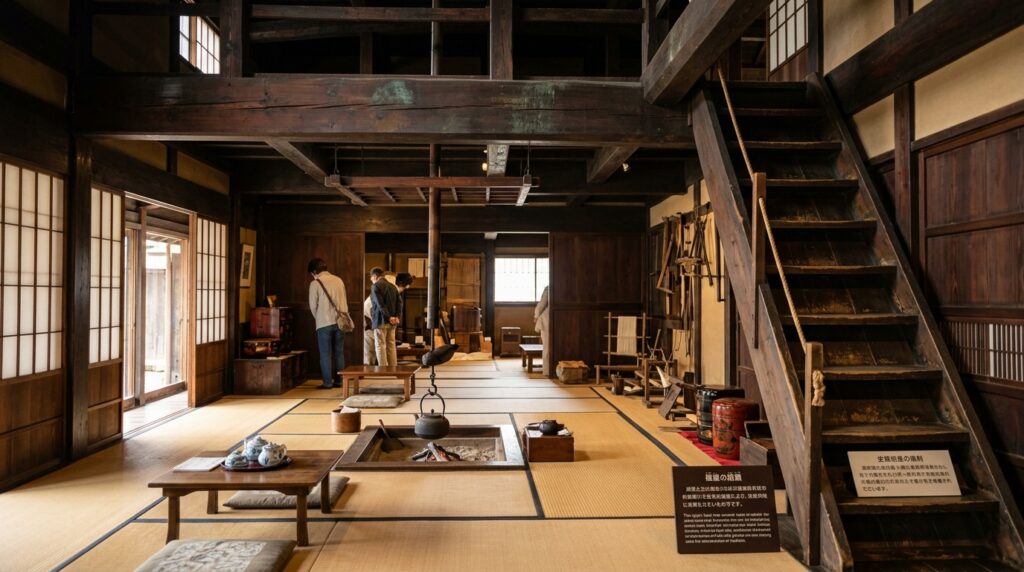
The house features traditional elements including a massive thatched roof, sturdy wooden beams, and a steep staircase leading to the upper floors. The interior is divided into multiple levels, each serving different purposes—from living quarters to silkworm cultivation areas on the upper floors. The spacious layout reflects the prosperity of the Wada family and their important role in village affairs.
In addition to its historical importance, the Wada Family House offers amazing views of the village from its upper floors. Large windows provide fantastic vantage points to appreciate the beauty of Shirakawa-go and understand how the houses are positioned in relation to each other and the surrounding landscape.
7. Wander Through Ainokura Village in Gokayama
Ainokura is a picturesque village in Gokayama that is home to approximately 20 traditional gassho-zukuri houses. It’s an ideal spot to experience the rural life and architecture that defines these UNESCO World Heritage sites. The village has been meticulously preserved, maintaining its historical character while continuing to function as a living community.
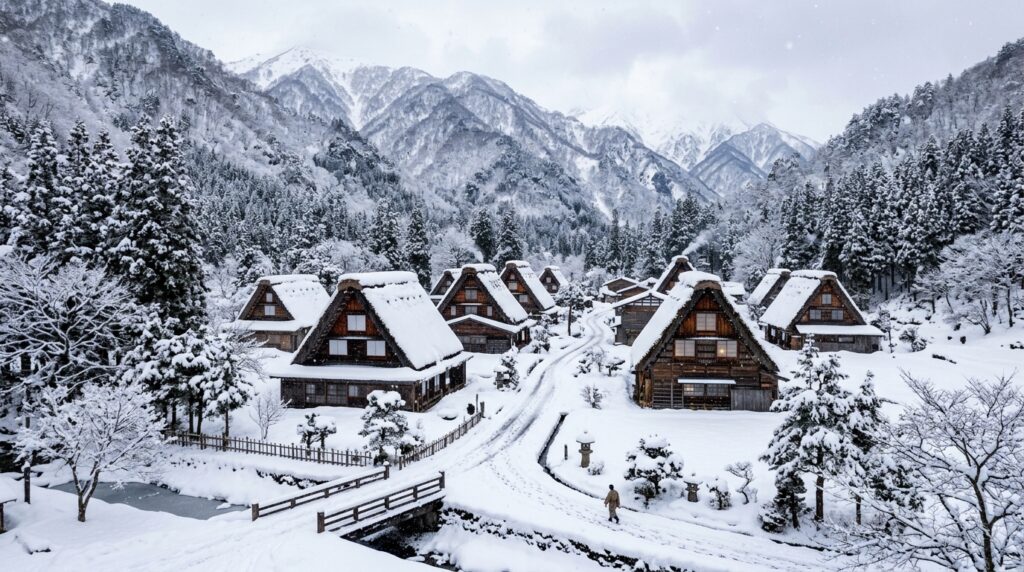
Wander through the quiet streets, visit the village’s small Shinto shrine, and enjoy the profound tranquility of the surroundings. The absence of large tourist crowds allows for a more contemplative experience, where you can truly appreciate the architectural beauty and cultural significance of the structures.
Ainokura is especially beautiful in the winter months when snow blankets the village and creates a serene, almost mystical landscape. The thick snow on the thatched roofs demonstrates the practical design of gassho-zukuri architecture, which allows heavy snowfall to slide off easily. This is also a wonderful place to learn about the craftsmanship involved in building these unique houses and to witness the traditional techniques that have been passed down through generations.
8. Savor Local Foods and Culinary Specialties
The rural villages of Shirakawa-go and Gokayama offer not just stunning scenery but also a unique culinary experience that reflects the region’s agricultural heritage and mountain location. Local specialties showcase fresh, seasonal ingredients prepared using traditional methods that have been refined over centuries.
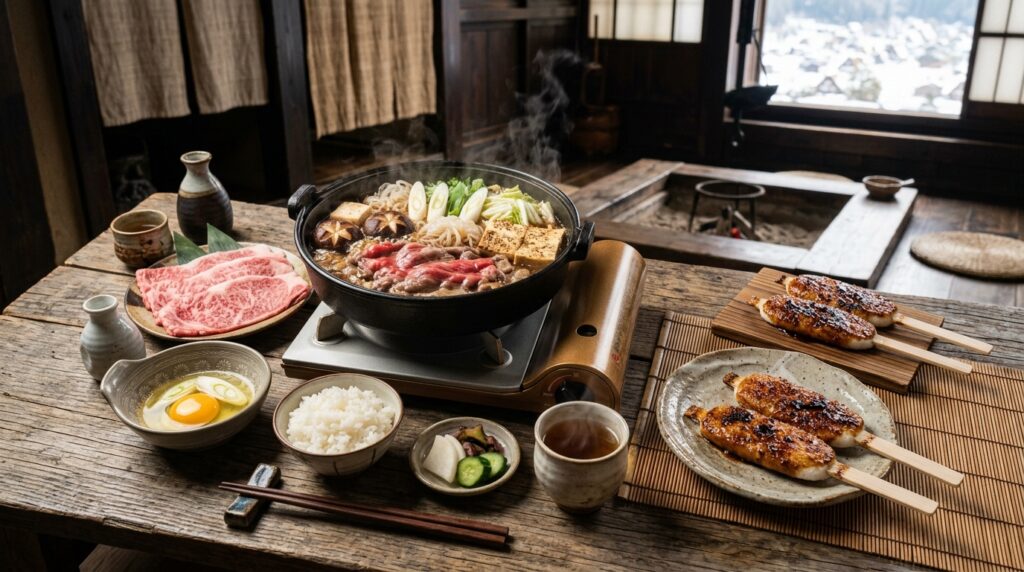
One of the region’s most celebrated delicacies is Hida beef, a tender and flavorful type of beef from the area, often served as part of a traditional sukiyaki or grilled as yakitori. This premium beef is known for its fine marbling and rich taste, rivaling the more famous Kobe beef. Many local restaurants offer Hida beef dishes that allow visitors to experience this culinary treasure.
Another popular dish is gohei mochi—skewered rice cakes brushed with a savory miso-based sauce and grilled to perfection. These make perfect snacks while exploring the villages, offering a satisfying combination of textures and flavors. The nutty miso sauce complements the chewy rice cakes beautifully, creating a taste that is distinctly representative of the region.
For dessert, don’t miss the chance to try sakura mochi, sweet rice cakes filled with red bean paste and wrapped in pickled cherry blossom leaves. These are particularly popular during the spring season when cherry blossoms are in bloom, though they’re available year-round in many shops. The combination of sweet, salty, and floral flavors creates a unique taste experience.
9. Experience the Magical Shirakawa-go Winter Light-Up
One of the most enchanting experiences in Shirakawa-go happens during the winter months when the village hosts its famous winter light-up festival. During this special event, the thatched roof houses are illuminated with soft, warm lights, creating a fairy tale-like atmosphere against the backdrop of snow-covered mountains.
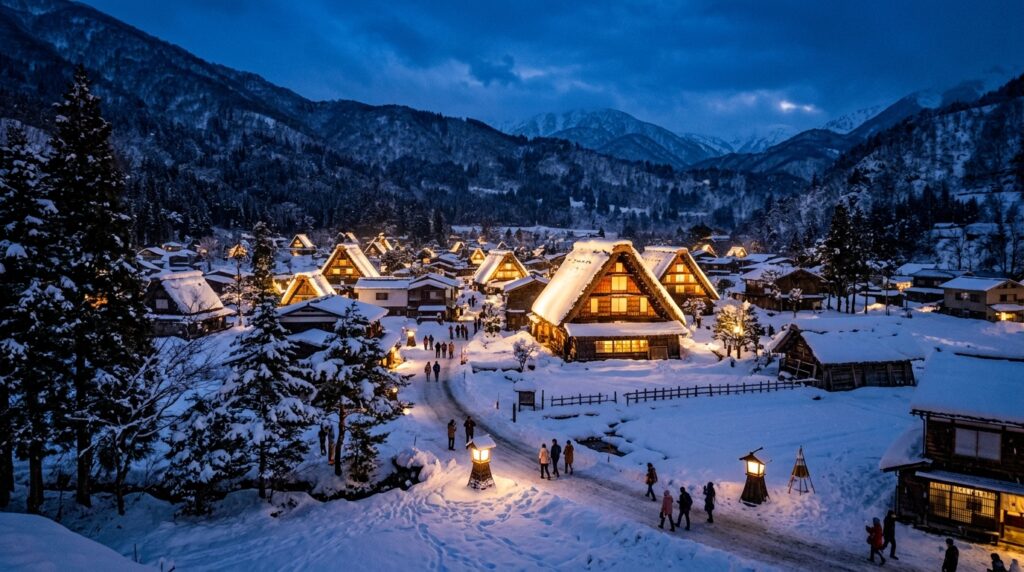
The lights, combined with the quiet of winter and the village’s historical architecture, make for a truly enchanting experience that has captured the imagination of travelers from around the world. The sight of the illuminated houses nestled in the snowy valley is nothing short of magical, resembling a scene from a storybook.
These light-up events are held on select dates during winter, typically from January to February, and require advance reservations due to limited capacity. The combination of natural snow, traditional architecture, and carefully planned illumination creates photo opportunities that are simply unforgettable. If you have the chance to witness this spectacle, it will undoubtedly be a highlight of your Japan travels.
10. Take a Scenic Drive Through the Japanese Alps
To truly appreciate the remote beauty of Shirakawa-go and Gokayama, one of the best ways to experience the area is by taking a scenic drive through the Japanese Alps. The mountainous roads offer stunning views of snow-capped peaks, lush valleys, and traditional villages nestled in the hills.
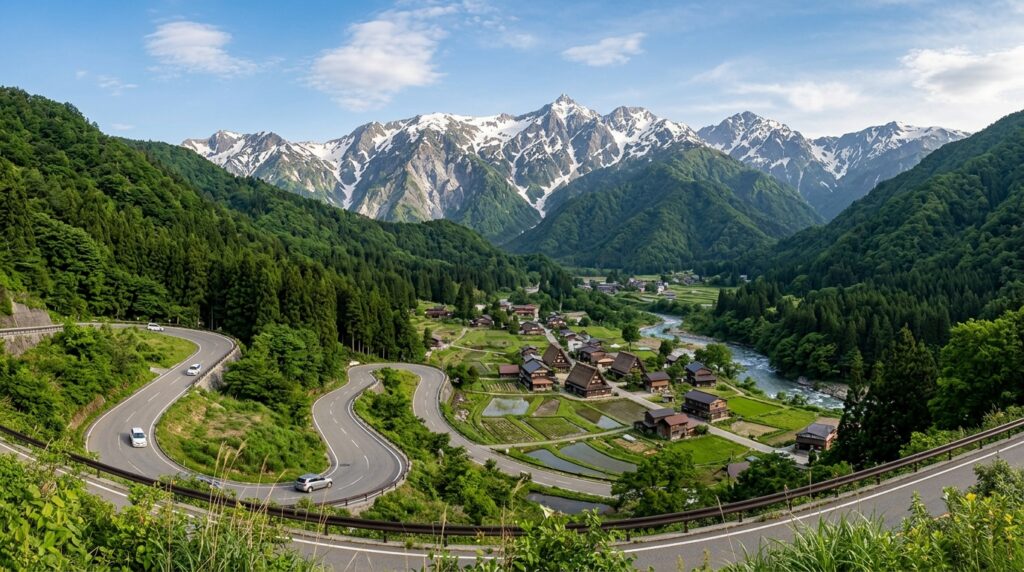
Each turn reveals serene forests, crystal-clear rivers, and seasonal beauty that changes throughout the year. From cherry blossoms in spring to snow-covered slopes in winter, it’s a peaceful, immersive journey into Japan’s natural heart and cultural richness. The drive itself becomes part of the adventure, offering glimpses of rural life, traditional farming practices, and landscapes that have remained largely unchanged for centuries.
Consider stopping at small roadside stations (michi-no-eki) along the way to sample local produce, crafts, and regional specialties. These rest stops provide opportunities to interact with local residents and learn more about the area’s culture and traditions.
Planning Your Visit
When planning your trip to Shirakawa-go and Gokayama, consider the following practical tips to make the most of your visit:
Best Time to Visit: Each season offers unique beauty. Winter (December-February) features snow-covered landscapes and illumination events. Spring (March-May) brings cherry blossoms and fresh greenery. Summer (June-August) offers lush rice paddies and comfortable hiking weather. Autumn (September-November) displays spectacular fall foliage.
Transportation: The villages are accessible by bus from major cities like Takayama, Kanazawa, and Toyama. While public transportation is reliable, renting a car provides greater flexibility to explore the surrounding areas and visit both Shirakawa-go and Gokayama at your own pace.
Accommodation: Book gassho-zukuri guesthouses well in advance, especially for weekends and holiday periods. These unique accommodations fill up quickly due to limited availability. Alternatively, stay in nearby towns like Takayama or Kanazawa and take day trips to the villages.
Cultural Respect: Remember that these are living communities, not just tourist attractions. Be respectful of private property, follow designated paths, and observe photography restrictions in residential areas.
Weather Preparation: Mountain weather can be unpredictable. Dress in layers, wear comfortable walking shoes, and carry rain gear regardless of the season. Winter visits require appropriate cold-weather clothing and caution on icy paths.
Conclusion
Shirakawa-go and Gokayama represent some of Japan’s most precious cultural treasures, offering visitors a rare opportunity to step back in time and experience traditional rural life. The gassho-zukuri houses, with their distinctive thatched roofs and ingenious design, stand as testaments to the ingenuity and resilience of the communities that built and maintained them.
Whether you’re drawn by the architectural significance, the natural beauty, the culinary delights, or the peaceful atmosphere, these UNESCO World Heritage villages promise an unforgettable experience. Take your time to explore, engage with local culture, and appreciate the delicate balance between human habitation and nature that has been maintained here for centuries.
Your journey to these hidden villages will not only provide stunning photographs and memorable experiences but also a deeper understanding of Japan’s rich cultural heritage and the enduring spirit of its rural communities.