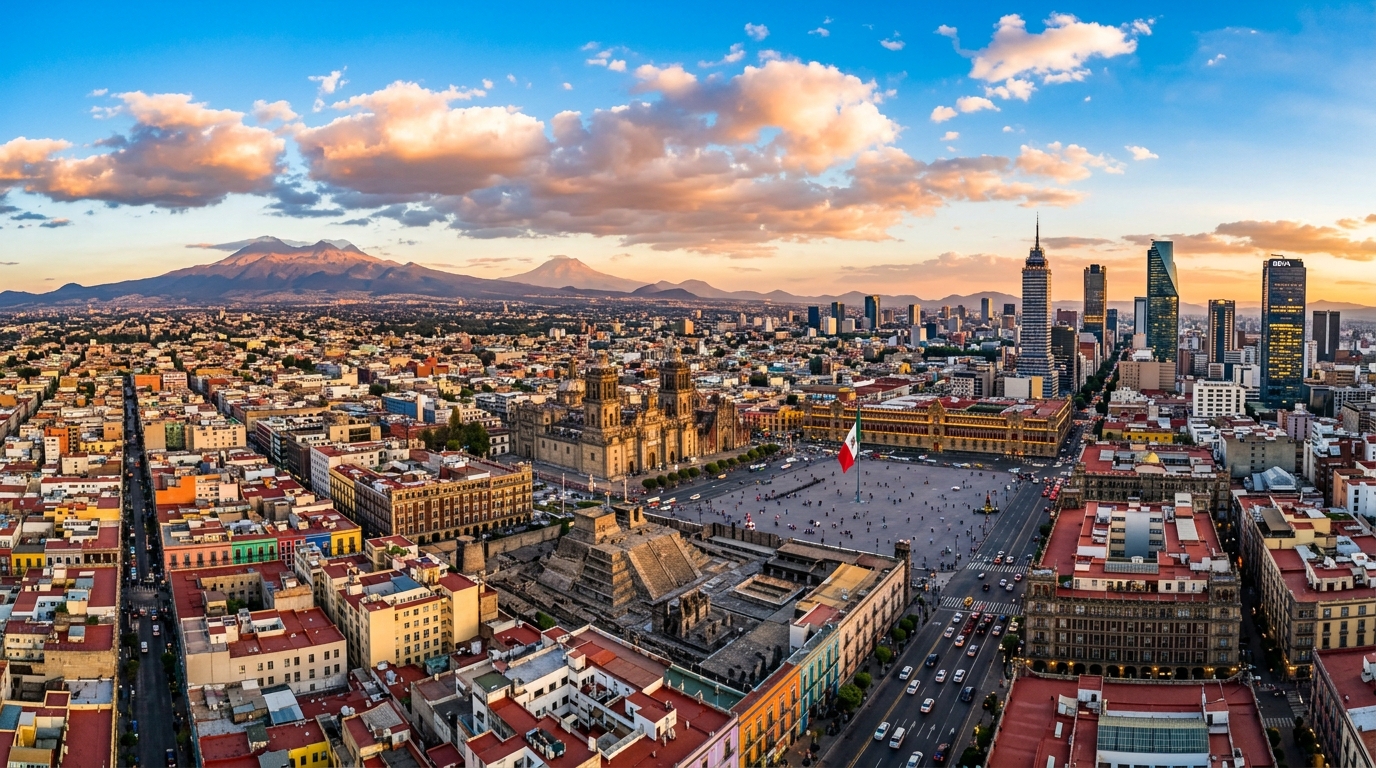

Mexico City is a vibrant blend of ancient traditions, colonial charm, and modern energy that captivates every visitor. From Aztec ruins and colorful neighborhoods to world-class cuisine and buzzing markets, this magnificent metropolis is a feast for the senses and a paradise for curious travelers. Whether you’re planning your first visit or returning for your fifth adventure, Mexico City always has something new to discover.
In this comprehensive guide, we’re counting down the top 10 things to do in Mexico City, highlighting the must-see spots, local flavors, and cultural gems that make this one of the most exciting cities in the world. Get ready to explore iconic landmarks, taste authentic street tacos, and uncover the rich history that makes Mexico City truly unforgettable.
10. Wander Through Xochimilco’s Floating Gardens
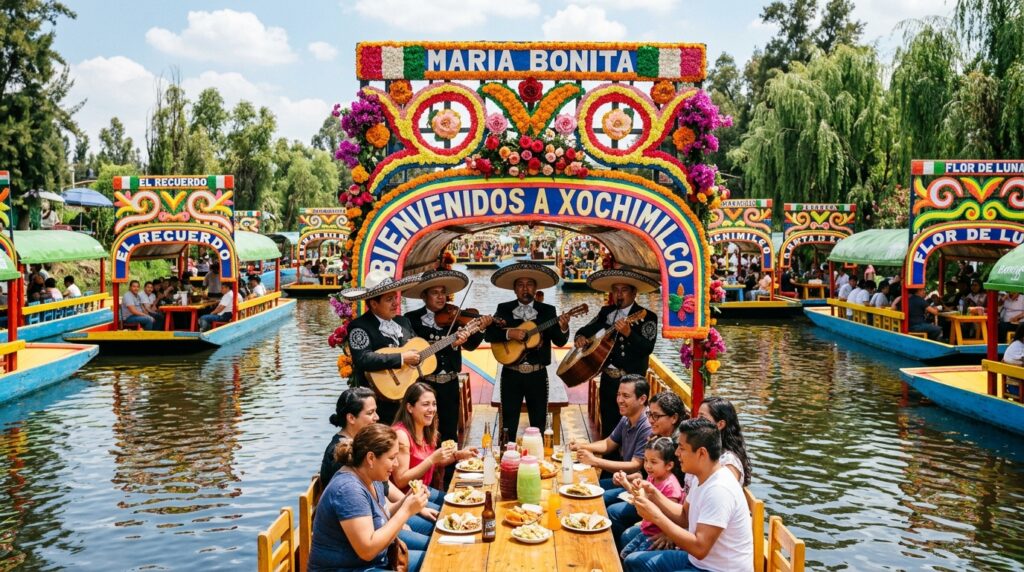
Xochimilco offers a unique glimpse into Mexico City’s pre-Hispanic past with its enchanting canals and ancient chinampa floating gardens that are still used for farming today. This UNESCO World Heritage site is one of the most magical experiences you can have in Mexico City, blending natural beauty with rich cultural history in a way that’s impossible to find anywhere else.
Rent a colorful trajinera boat to cruise the picturesque waterways while enjoying live mariachi music, traditional Mexican food, and lively celebrations with friends and family. These hand-painted boats are decorated with vibrant flowers and ornate arches, creating a festive atmosphere as you glide through the tranquil canals. Local vendors paddle alongside in smaller canoes, offering fresh flowers, cold beverages, and authentic snacks.
The area also features the eerie Isla de las Muñecas (Island of the Dolls), adding an element of mystery to your adventure. This haunting attraction displays hundreds of weathered dolls hanging from trees, creating an unforgettable and slightly spooky experience that contrasts beautifully with the otherwise joyful atmosphere of Xochimilco.
Travel Tip: Visit on weekends for the liveliest atmosphere with more boats, music, and local families celebrating. Bring cash for boat rentals, food vendors, and tips for the mariachi bands.
9. Explore the Trendy Roma Norte Neighborhood
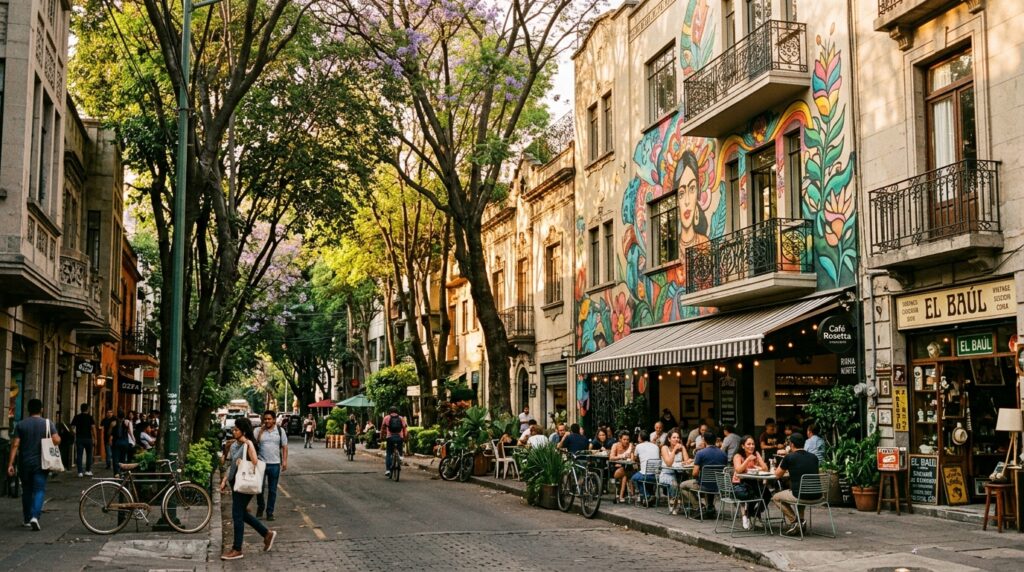
Roma Norte has emerged as Mexico City’s hippest neighborhood, attracting artists, designers, and food lovers from around the world. Its tree-lined streets showcase stunning Art Deco and colonial buildings alongside boutique shops, cutting-edge restaurants, and innovative cafes that reflect the area’s creative spirit.
The neighborhood perfectly blends traditional Mexican culture with modern creativity, featuring trendy rooftop bars with stunning city views, artisanal coffee shops serving single-origin beans, and galleries showcasing emerging Mexican artists. Roma Norte gained international fame after being featured in Alfonso Cuarón’s acclaimed film “Roma,” which beautifully captured the area’s bohemian charm and authentic character.
Famous for its vibrant street art scene, you’ll find colorful murals and graffiti on nearly every corner, each telling a unique story about Mexican culture, politics, and social issues. The neighborhood’s lively markets sell vintage clothes, handmade crafts, and local design pieces that make perfect souvenirs. Here, traditional Mexican dishes meet innovative fusion cuisine, reflecting Roma Norte’s cosmopolitan vibe and culinary excellence.
Must-Visit Spots: Plaza Río de Janeiro with its replica of Michelangelo’s David, Parque México for people-watching, and the countless cafes and restaurants along Álvaro Obregón and Orizaba streets.
8. Visit the National Museum of Anthropology
The National Museum of Anthropology holds the world’s largest collection of ancient Mexican art and artifacts, making it absolutely essential for exploring Mexico’s rich heritage. This world-class museum is a must-visit before exploring the city’s archaeological sites, as it provides crucial context and understanding of Mexico’s pre-Columbian civilizations.
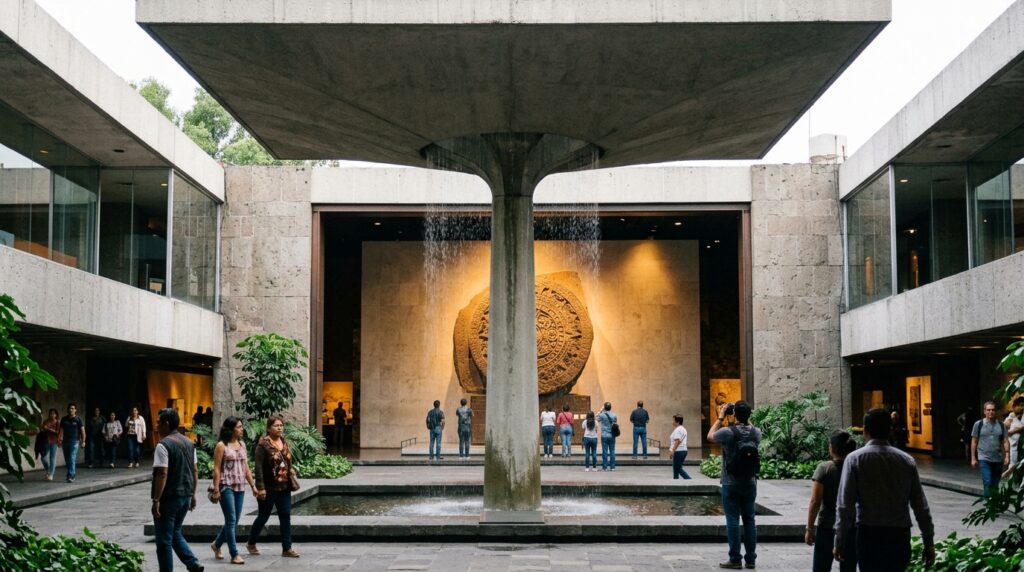
The museum’s crown jewel is the Aztec Sun Stone, a massive 24-ton calendar stone that symbolizes the Aztec cosmos and their complex understanding of time. This iconic monolith is one of the most recognizable symbols of Mexican culture and draws visitors from around the globe.
Exhibits comprehensively cover major pre-Columbian cultures like the Maya, Aztec, Teotihuacan, Zapotec, and Olmec civilizations. Each hall features intricate artifacts, ceremonial objects, jewelry, sculptures, and detailed explanations of daily life, religious practices, and technological achievements.
The museum’s striking modernist architecture features a central courtyard with a giant concrete umbrella (paraguas) that cascades water, creating a peaceful oasis in the heart of the museum. Interactive displays and an extensive ethnographic section reveal how indigenous traditions continue to shape modern Mexican life, making the museum a living bridge between ancient past and vibrant present.
Visitor Information: Plan at least 3-4 hours for your visit. The museum is massive, so wear comfortable shoes and consider hiring a guide for deeper insights.
7. Experience Authentic Mexican Cuisine
Mexico City is a food lover’s paradise, offering authentic Mexican cuisine at every corner, from humble street stalls to world-renowned restaurants. The city’s culinary scene is a delicious reflection of its rich cultural heritage, blending indigenous ingredients with Spanish influences and modern innovation.
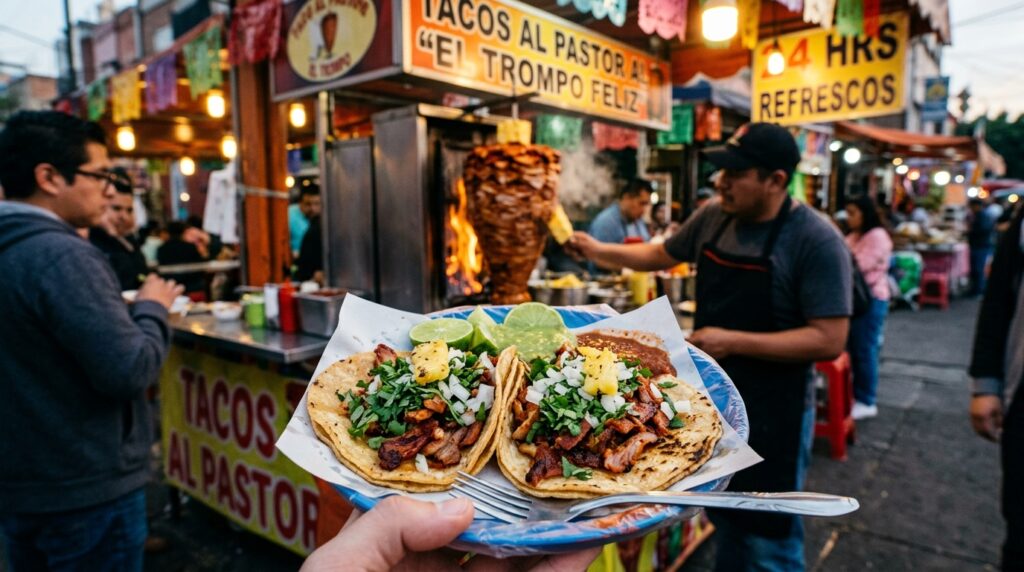
Start your gastronomic adventure at Mercado de San Juan, a gourmet market where you’ll find exotic ingredients, traditional delicacies, and local vendors passionate about Mexican food culture. Don’t miss trying tacos al pastor, the city’s iconic street food featuring marinated pork cooked on a vertical spit and served with pineapple, onions, and cilantro.
Mezcal tastings at cantinas offer a chance to sample this smoky spirit alongside traditional dishes. Street food like tamales, churros, elotes (grilled corn), and quesadillas are available throughout the city, providing affordable and delicious meals any time of day.
The city also boasts world-class restaurants serving elevated Mexican cuisine that has earned international acclaim. Local specialties like cochinita pibil, chiles en nogada, and nopal en salada showcase Mexico’s rich culinary history and cultural blend. Each region of Mexico contributes its unique flavors, making Mexico City the perfect place to experience the country’s diverse gastronomy.
Food Tour Recommendation: Join a guided food tour to discover hidden gems and learn about the history behind each dish from knowledgeable local guides.
8. Discover Templo Mayor and Aztec History
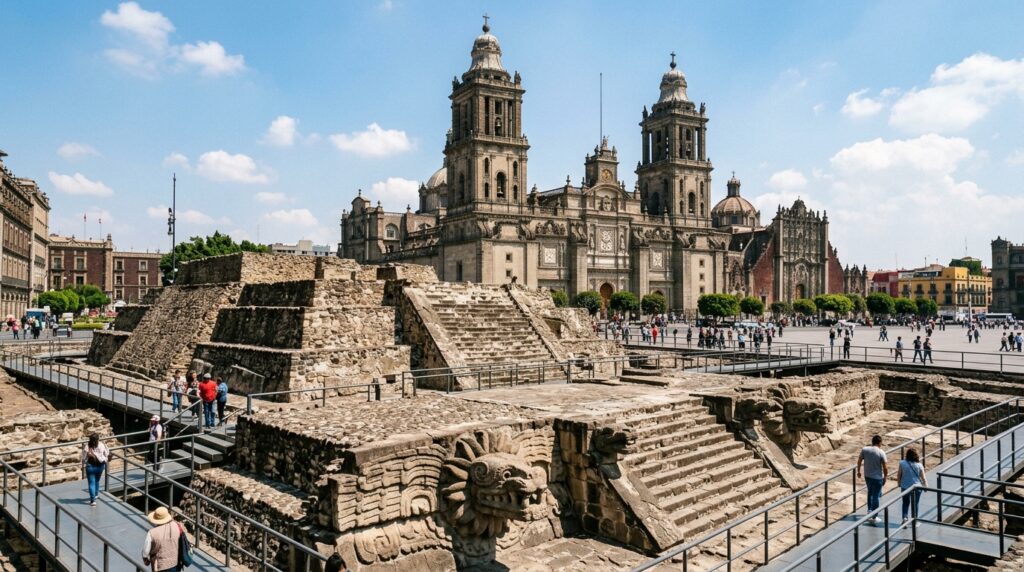
Beneath Mexico City’s busy streets lies the Templo Mayor, the main temple of the ancient Aztec capital of Tenochtitlan. This remarkable archaeological site reveals the city’s ancient roots and provides a tangible connection to the powerful civilization that once dominated central Mexico.
The on-site museum showcases thousands of artifacts, including ceremonial masks, stone sculptures, jewelry, and offerings dedicated to Aztec gods. Each piece tells a story of religious devotion, artistic achievement, and the complex belief systems that governed Aztec society.
The temple was dedicated to two important deities: Tlaloc, the rain god, and Huitzilopochtli, the god of war and sun, embodying the dual nature of Aztec spirituality. Walking among the ruins, you can see the original foundations, stone serpent heads, and multiple construction phases that reveal how the temple was expanded over centuries.
The site powerfully highlights how modern Mexico City was built directly atop the Aztec capital, symbolizing the unique cultural fusion that defines Mexican identity today. Standing in the shadow of the Metropolitan Cathedral while viewing ancient Aztec ruins creates a striking visual representation of Mexico’s layered history.
Best Time to Visit: Early morning or late afternoon to avoid crowds and heat. Combine your visit with the nearby Zócalo and Metropolitan Cathedral for a full historical experience.
5. Explore Chapultepec Park and Castle
Chapultepec Park is one of the largest city parks in the Western Hemisphere and serves as Mexico City’s green lung, offering a peaceful escape from urban chaos. This expansive 1,700-acre park features ancient trees, peaceful lakes, walking trails, and numerous museums, making it perfect for a full day of exploration.
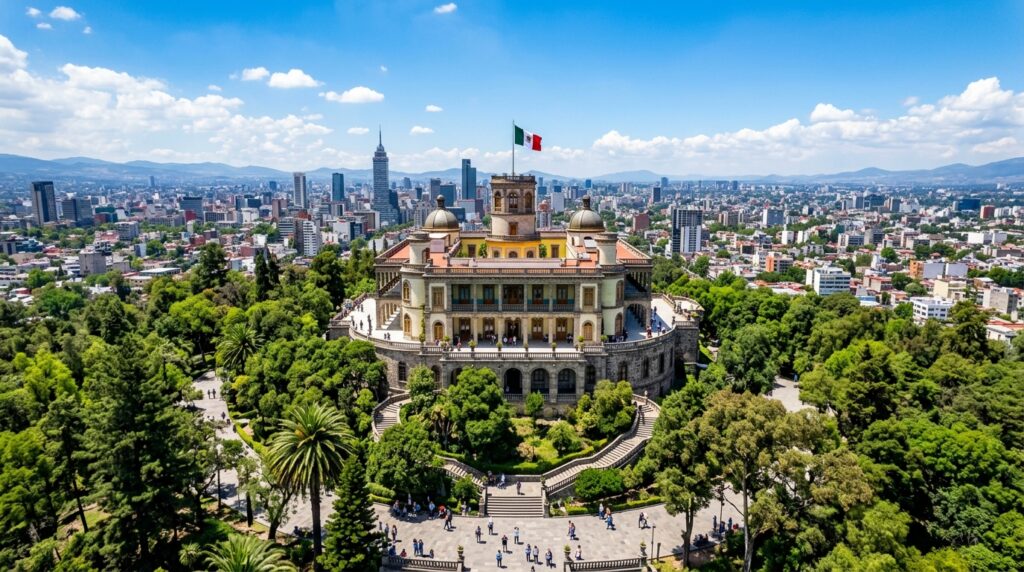
The crown jewel is Chapultepec Castle, the only royal castle in the Americas, perched atop a hill with breathtaking panoramic views of the city. Once home to Emperor Maximilian I and Empress Carlota during the Second Mexican Empire, and later serving as the official residence for Mexican presidents, the castle’s lavish rooms have been transformed into the National Museum of History.
Inside, you’ll discover opulent furnishings, royal carriages, period costumes, and exhibits revealing Mexico’s turbulent past from the Conquest to the Mexican Revolution. The castle’s terraces offer stunning views of Paseo de la Reforma and the city skyline, making it a photographer’s dream.
Beyond the castle, the park includes peaceful trails perfect for jogging or cycling, serene lakes where you can rent paddleboats, and world-class museums like the Modern Art Museum and the Rufino Tamayo Museum, blending nature and culture in a perfect urban escape.
Getting There: Take the Metro to Chapultepec Station. The park is free to enter, but there’s an admission fee for the castle and museums.
4. Discover Frida Kahlo’s Blue House in Coyoacán
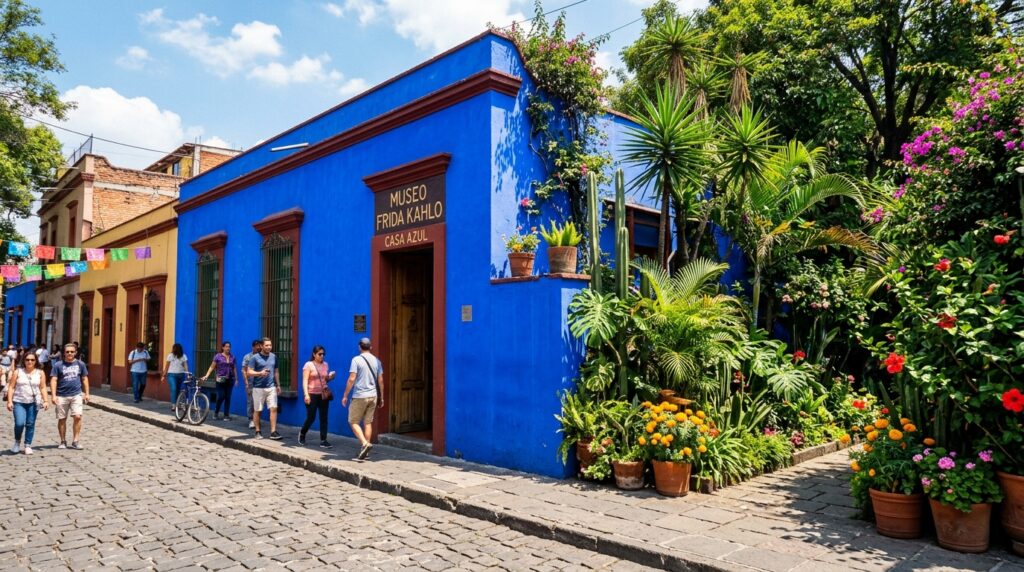
The cobblestone streets of Coyoacán lead to La Casa Azul (The Blue House), Frida Kahlo’s childhood home and final residence. This vibrant cobalt-blue house has been converted into the Frida Kahlo Museum, showcasing the life and work of Mexico’s most celebrated artist in an intimate and personal setting.
Inside, you’ll see her bedroom with the iconic canopy bed adorned with mirrors, her art studio filled with paints and brushes, and personal belongings including her colorful Tehuana dresses, pre-Columbian jewelry, and orthopedic corsets that she painted as expressions of her pain and resilience.
The house reveals intimate details about Kahlo’s tumultuous relationship with muralist Diego Rivera and her lifelong struggle with physical pain from a devastating bus accident that profoundly influenced her powerful, surrealist artwork. Every room tells a story of passion, creativity, and resilience.
The beautiful garden courtyard, filled with pre-Columbian sculptures, tropical plants, and a pyramid-shaped fountain, reflects Kahlo’s deep connection to Mexican culture and nature. The space feels like a living tribute to her artistic vision and love for her homeland.
Coyoacán itself is a charming neighborhood perfect for strolling, with its central plaza surrounded by cafes and artisan markets. The area maintains a small-town feel within the massive metropolis, offering a glimpse into traditional Mexican life with weekend markets, street performers, and family-owned restaurants.
Important: Book tickets online in advance as the museum has limited capacity and sells out quickly, especially on weekends.
3. Visit Teotihuacan Pyramids
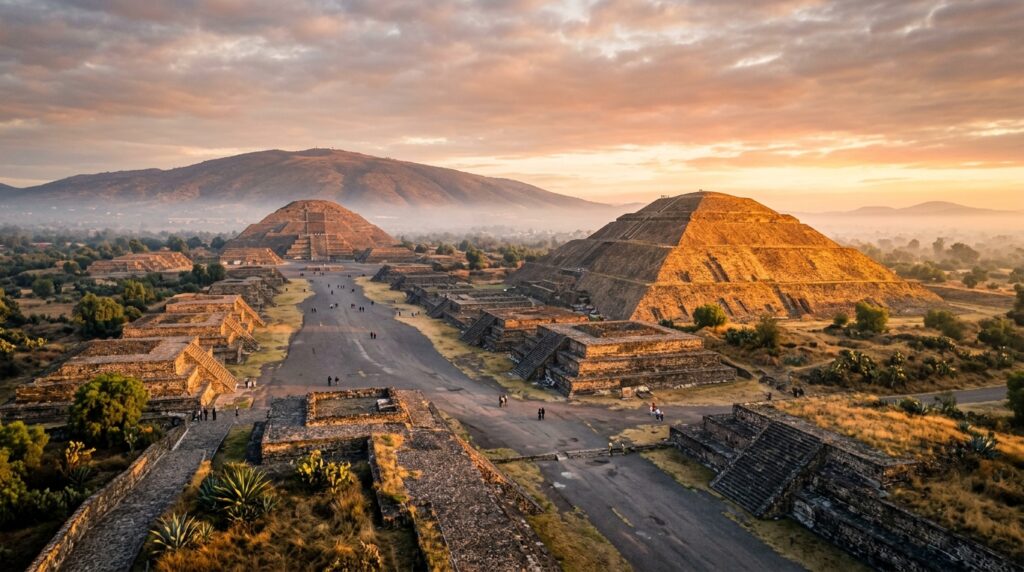
Just an hour from Mexico City lies Teotihuacan, one of the most impressive and mysterious archaeological sites in the Americas. This ancient city, known as “the place where gods are born,” was once the largest city in the pre-Columbian Americas, housing over 100,000 people at its peak.
The massive Pyramid of the Sun and Pyramid of the Moon dominate the landscape, offering breathtaking views from their summits. Walking down the Avenue of the Dead, the city’s main thoroughfare, you’ll feel the mystical energy of this 2,000-year-old civilization that mysteriously collapsed centuries before the Aztecs arrived.
The site also features the Temple of Quetzalcoatl, adorned with intricate carvings of the feathered serpent god, showcasing the sophisticated artistry and religious devotion of Teotihuacan’s inhabitants. The climb to the top of the pyramids is challenging but incredibly rewarding, providing spectacular views of the entire archaeological complex and surrounding valley.
Many visitors time their visit for sunrise or sunset when the pyramids are bathed in golden light, creating an unforgettable spiritual experience that connects you to Mexico’s ancient past. Hot air balloon rides at dawn offer a truly magical perspective of this UNESCO World Heritage Site.
Practical Tips: Bring water, sunscreen, and comfortable shoes. The site involves extensive walking and climbing in the sun. Hire a guide to learn about the fascinating history and theories about this mysterious civilization.
2. Experience Lucha Libre Wrestling
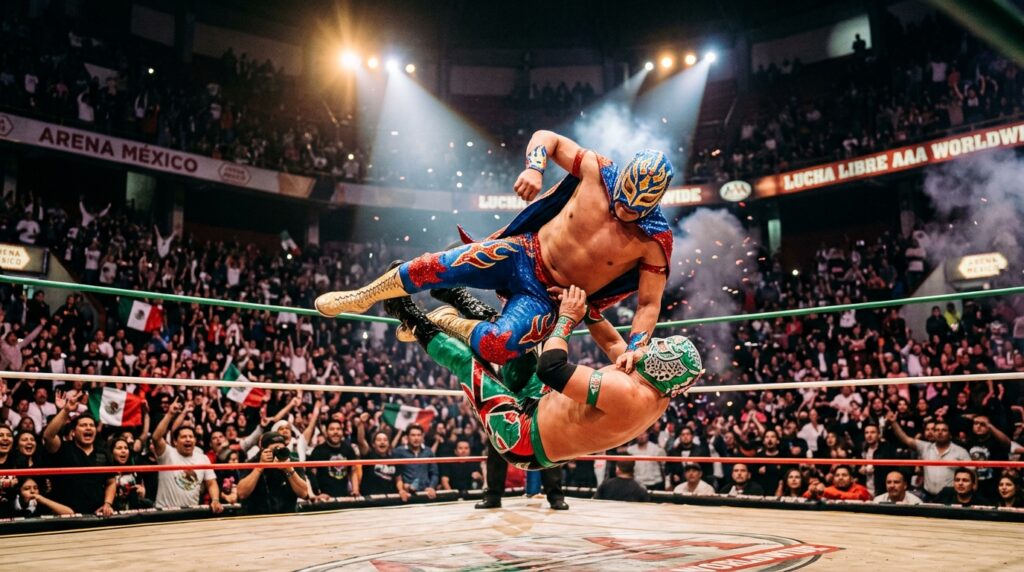
Lucha Libre is more than just wrestling—it’s a cultural phenomenon that captures the heart and soul of Mexican entertainment. At Arena México or Arena Coliseo, you’ll witness colorful masked wrestlers, called luchadores, performing incredible acrobatic moves and theatrical storytelling that has captivated audiences for generations.
The atmosphere is absolutely electric, with families cheering enthusiastically for their favorite técnicos (good guys) and booing the rudos (bad guys). The elaborate masks and costumes are true works of art, each telling a unique story and representing different characters from Mexican folklore, history, and pop culture.
The masks hold special significance in Mexican culture—losing a mask in a match is considered the ultimate humiliation, and many luchadores keep their real identities secret throughout their careers, adding mystique to their personas.
You can buy your own lucha libre mask as a souvenir and even enjoy traditional snacks like popcorn, beer, and tortas while watching the spectacle unfold. The announcer’s dramatic commentary adds to the excitement, even if you don’t speak Spanish, as the action and emotion transcend language barriers.
This uniquely Mexican form of entertainment perfectly represents the country’s love for drama, color, and community celebration, making it an unforgettable cultural experience.
Show Schedule: Friday nights at Arena México offer the most authentic experience with local crowds. Book tickets in advance for the best seats.
1. Explore the Historic Center and Zócalo
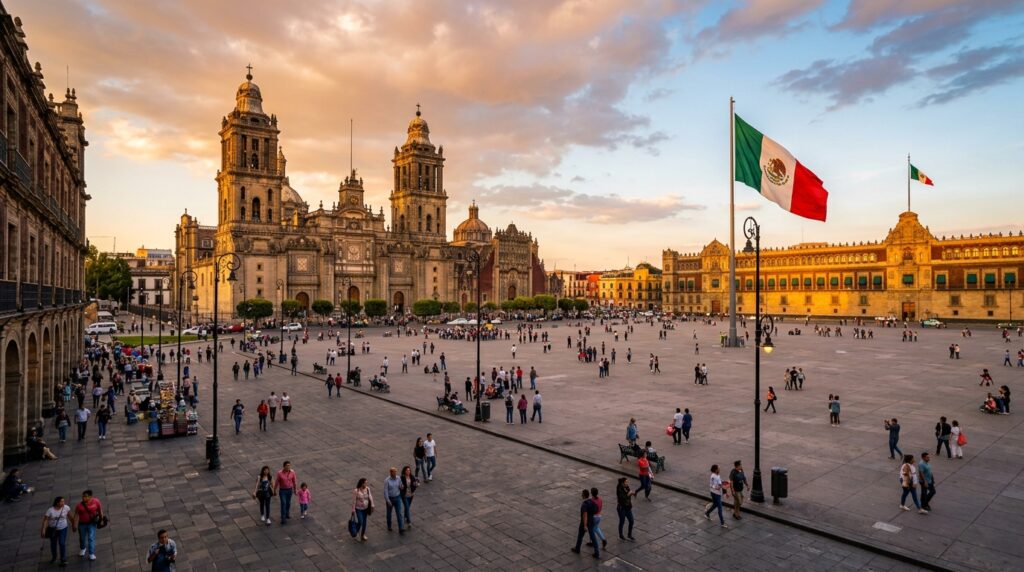
The Historic Center of Mexico City is a UNESCO World Heritage Site that tells the compelling story of 500 years of Mexican history. At its heart lies the Zócalo, one of the world’s largest public squares, where you can witness the impressive Metropolitan Cathedral and the National Palace standing as testaments to the city’s colonial past.
The Metropolitan Cathedral, built over nearly three centuries, showcases stunning colonial architecture with its ornate Baroque facade, towering bells, and beautiful interior chapels. It’s the largest cathedral in the Americas and a masterpiece of religious architecture that took generations to complete.
Inside the National Palace, you’ll find Diego Rivera’s famous murals depicting Mexican history from pre-Columbian times to the modern era. These massive, colorful frescoes are masterpieces that educate and inspire, showing the struggles, triumphs, and complex identity of the Mexican people.
The surrounding streets are filled with colonial buildings, traditional shops, and street vendors selling everything from handmade crafts to delicious tacos. This area perfectly captures the essence of Mexico City’s layered history, where every corner reveals another piece of the complex puzzle that makes this city so fascinating.
As evening falls, magical lighting transforms the colonial architecture into a golden wonderland, creating a romantic and enchanting atmosphere perfect for an evening stroll.
Don’t Miss: The Palacio de Bellas Artes, the Torre Latinoamericana observation deck, and the countless museums and galleries scattered throughout the historic center.
Plan Your Mexico City Adventure
From iconic landmarks to street tacos that steal the show, Mexico City is bursting with unforgettable experiences. Whether you’re climbing ancient pyramids, floating through Xochimilco’s canals, or cheering at a lucha libre match, this dynamic city offers something for every type of traveler.
Which of these amazing spots are you adding to your Mexico City itinerary? The city’s perfect blend of ancient history, vibrant culture, and modern energy ensures that every visit creates lasting memories. Start planning your adventure today and discover why Mexico City is one of the world’s most exciting destinations!
Travel Tips for Mexico City:
- Best time to visit: March-May and September-November for pleasant weather
- Altitude: Mexico City sits at 7,382 feet—take it easy your first day
- Transportation: Use Uber or official taxis for safety
- Currency: Mexican Peso (carry cash for markets and street food)
- Language: Spanish is primary, but English is spoken in tourist areas
Ready to explore Mexico City? Save this guide and start planning your unforgettable journey through one of the world’s most captivating cities!