Bangkok is a city of vibrant culture, stunning temples, and bustling markets that captivates millions of visitors each year. From the ornate spires of Wat Arun to the electric energy of Khao San Road, Thailand’s capital offers an unforgettable travel experience. However, amidst all the beauty lies a darker side that every traveler should be aware of—scams are unfortunately common in this popular tourist destination, and falling victim to one can turn your dream vacation into a nightmare.
In this comprehensive guide, we’ll uncover the most common travel scams in Bangkok and give you practical, actionable tips on how to avoid them. Whether you’re a first-time visitor or a seasoned traveler, knowing these tricks can save you time, money, and a lot of frustration. Let’s dive in and make sure your trip to Bangkok is as smooth and enjoyable as possible.
1. The Infamous Tuk-Tuk Driver Scam
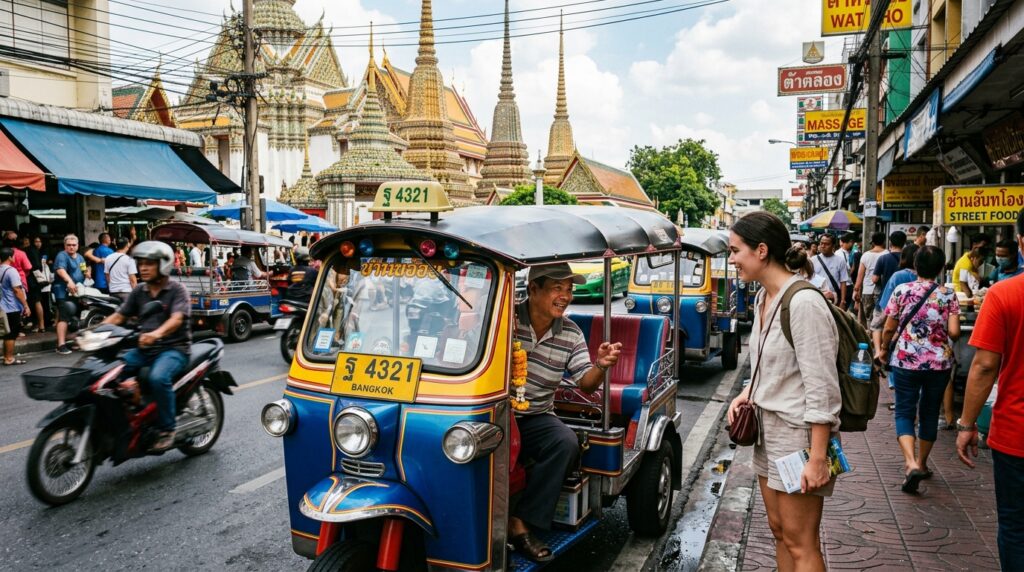
One of the most common scams in Bangkok involves tuk-tuk drivers who offer incredibly cheap rides to tourists—sometimes as low as 20-30 baht for what should be a 100+ baht fare. While it might seem like a great deal, these drivers often take you to overpriced souvenir shops, tailor shops, or gem stores where they earn a commission. You might end up spending hours being pressured into buying things you don’t want or need.
How to Avoid It: Always agree on a price before getting into a tuk-tuk, and be specific about your destination. Insist on being taken directly there without any stops. If the driver refuses or tries to make unscheduled stops, it’s best to find another ride. Better yet, use ride-hailing apps like Grab or Bolt, which offer transparent pricing and GPS tracking. A typical tuk-tuk ride within central Bangkok should cost between 100-200 baht depending on distance.
2. The Gem Scam: Too Good to Be True
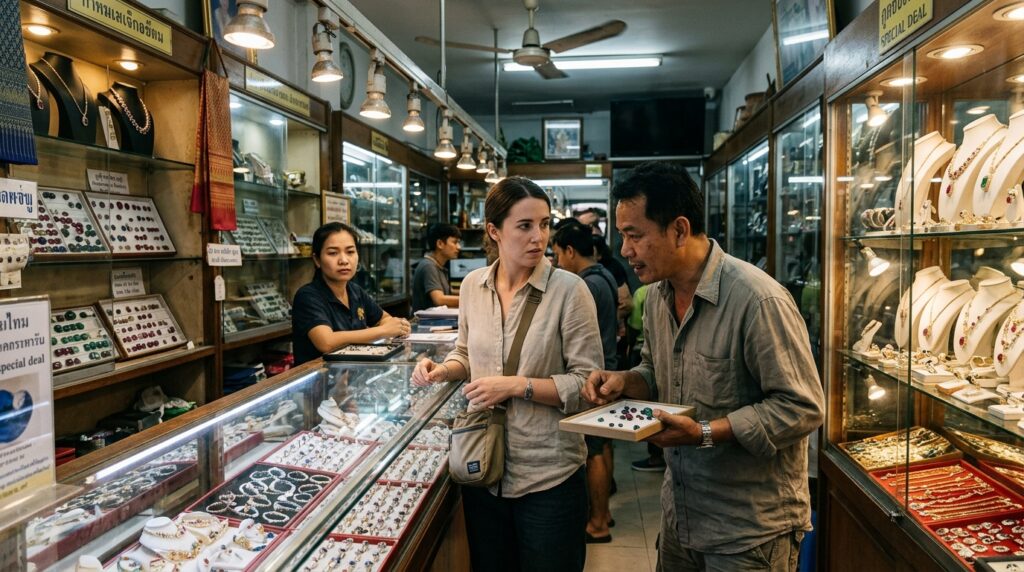
The gem scam is one of Bangkok’s oldest and most persistent cons. Friendly strangers—sometimes even well-dressed individuals posing as tourists or helpful locals—approach you and recommend a “government-approved” gem shop. They’ll tell you that buying gems in Thailand is a great investment and that you can resell them at a profit back home. Some even claim there’s a special one-day tax-free event.
Here’s the harsh reality: the gems are often fake, synthetic, or grossly overpriced. What they sell you for thousands of dollars might be worth less than $50.
How to Avoid It: Remember that no legitimate government-approved gem shops exist for tourists. If someone approaches you with this kind of offer, politely decline and walk away. If you’re genuinely interested in purchasing gems, only buy from reputable dealers who provide proper certification and receipts, and understand that reselling gems for profit is extremely difficult.
3. Fake Tourist Attractions and “Temple Closed” Scams
Fake tourist attractions are another common problem in Bangkok. Scammers, often working with tuk-tuk or taxi drivers, might tell you that a famous temple or landmark like the Grand Palace or Wat Pho is closed for a holiday, Buddhist ceremony, or renovation. They then suggest an “alternative” attraction, which is often a lesser-known site or completely fake location where you’ll be charged exorbitant fees, or worse, pressured into buying overpriced items.
How to Avoid It: Always double-check the opening hours and status of attractions online or with your hotel before heading out. Major temples like the Grand Palace (open 8:30 AM – 3:30 PM) and Wat Arun (open 8:00 AM – 6:00 PM) rarely close unexpectedly. If someone tries to redirect you to a different location, be skeptical and verify the information independently. You can also check official tourism websites or call the attraction directly.

4. Currency Exchange Scams
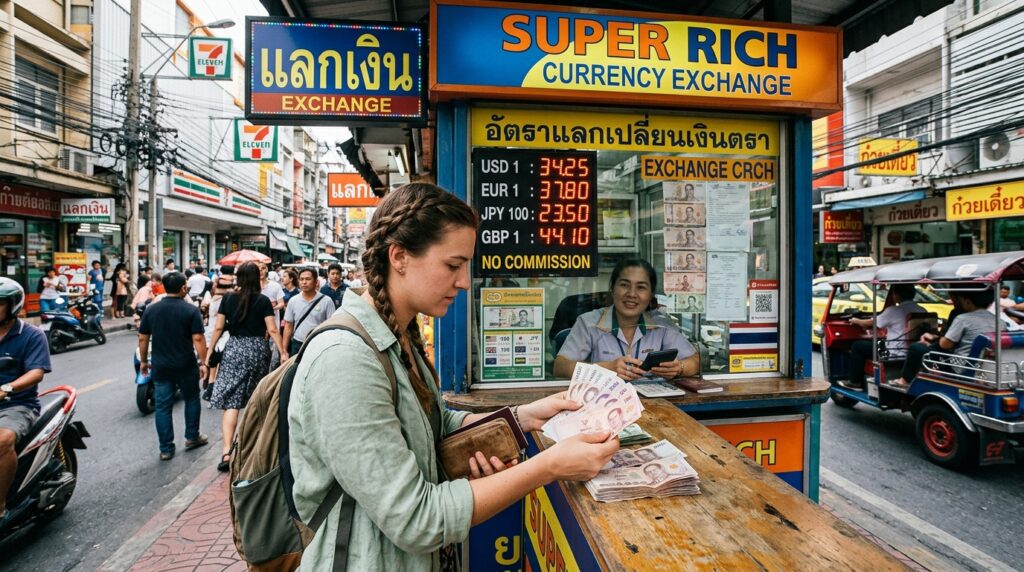
Currency exchange scams are prevalent, especially in tourist-heavy areas like Khao San Road, Sukhumvit, and around major attractions. Some money changers might use sleight of hand to shortchange you, offer rates that are far worse than the market average, or claim they don’t have smaller bills to give you proper change.
How to Avoid It: Only use reputable exchange booths or banks. Look for authorized money changers with clear signage displaying “Authorized Money Changer” licenses. Always count your money carefully before leaving the counter, and don’t be rushed. It’s also a good idea to check the current exchange rate online (as of 2026, approximately 35-36 Thai Baht to 1 USD) so you know what to expect. Avoid exchanging money at hotels or airports where rates are typically worse.
5. The “Closed Attraction” Taxi Scam
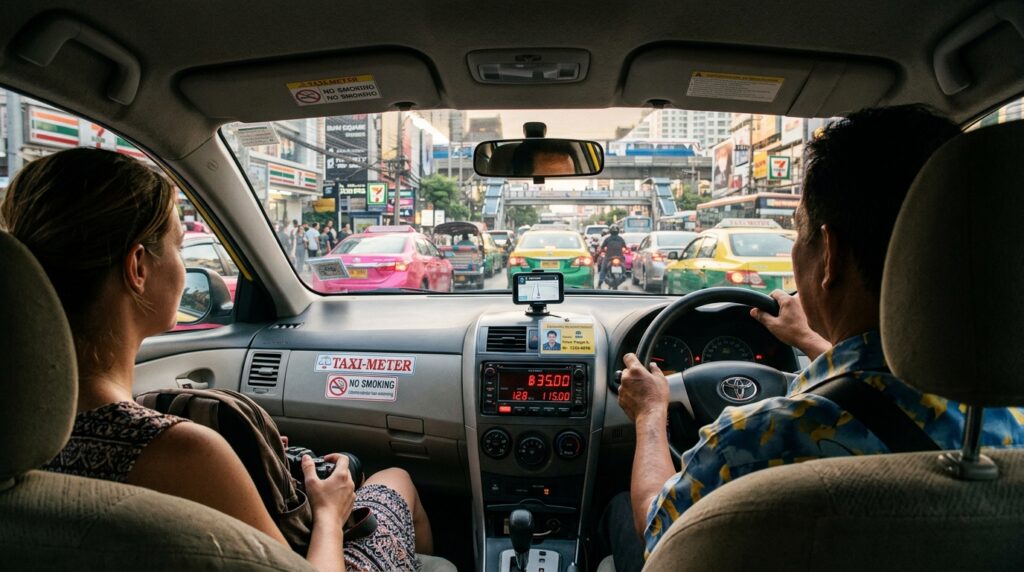
This scam is similar to the fake tourist attraction scam but specifically involves taxis. A taxi driver will inform you that the place you want to visit is closed and then suggest an alternative—often a shop, tailor, or attraction where they receive a commission. They may even show you fake closure notices or claim there’s a special event you wouldn’t know about as a tourist.
How to Avoid It: Always confirm the opening hours of your destination beforehand. If a driver insists your destination is closed, politely but firmly insist on being taken to your original location. If the driver refuses, simply get out of the taxi and find another one. Better yet, use the Grab app where your destination is locked in and the route is tracked.
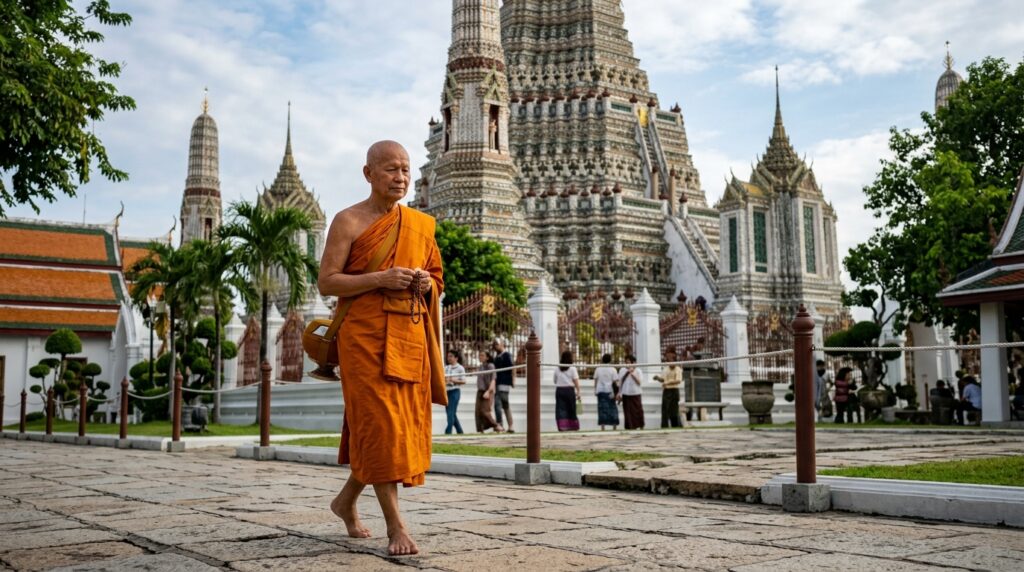
6. Fake Monks Soliciting Donations
While Thailand is a deeply Buddhist country with thousands of genuine monks, there are some individuals who dress in saffron robes to take advantage of tourist generosity. These fake monks might approach you for donations, sell you overpriced amulets, or ask you to “bless” your belongings for a fee.
How to Avoid It: Remember that real Buddhist monks do not ask for money from tourists on the street and they don’t sell religious items. If you want to make a donation, do so at a reputable temple through official donation boxes or programs. Avoid giving money to individuals on the street, no matter how convincing their story or authentic their robes appear.
7. Overly Friendly Locals and Bar Scams
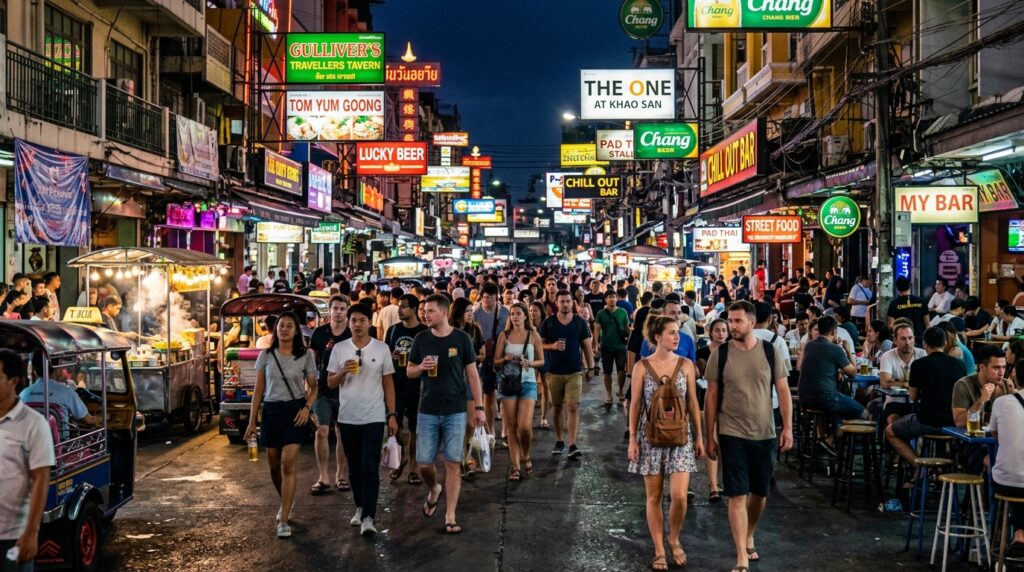
This scam involves overly friendly locals who strike up a conversation in tourist areas, often near Khao San Road or Sukhumvit. They’ll invite you to a “special” bar or club where locals go, claiming it has great drinks and entertainment. Once there, you might be charged exorbitant prices for drinks (sometimes $50+ for a single beer), or find yourself in a situation where you’re pressured to pay a large bill, sometimes with threats of violence if you refuse.
How to Avoid It: Be cautious of strangers who seem overly eager to befriend you and immediately suggest going to a bar or club. Always research any place you plan to visit, and stick to well-known, reputable establishments. If something feels off, trust your instincts and walk away. Never follow someone to an unknown location, no matter how friendly they seem.
8. Jet Ski and Water Sports Scams
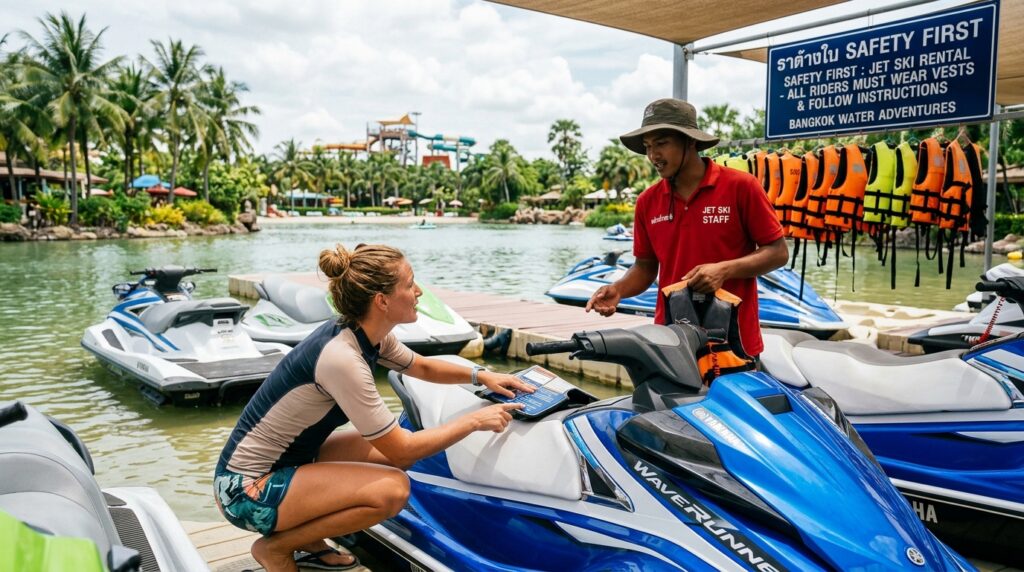
While more common in beach destinations like Pattaya and Phuket, the jet ski scam also affects some Bangkok tourists who take day trips to nearby water parks or reservoirs. You might rent a jet ski only to be told later that it has been damaged and you need to pay thousands of baht for repairs. Sometimes scammers even damage the equipment themselves while you’re using it.
How to Avoid It: Always inspect the jet ski thoroughly before renting it, and take photos or videos as proof of its condition from multiple angles. Note any existing scratches or damage and make sure the rental company acknowledges them. It’s also a good idea to rent from reputable companies with good reviews, and avoid deals that seem too good to be true. Consider purchasing travel insurance that covers water sports activities.
9. Fake Police Scams
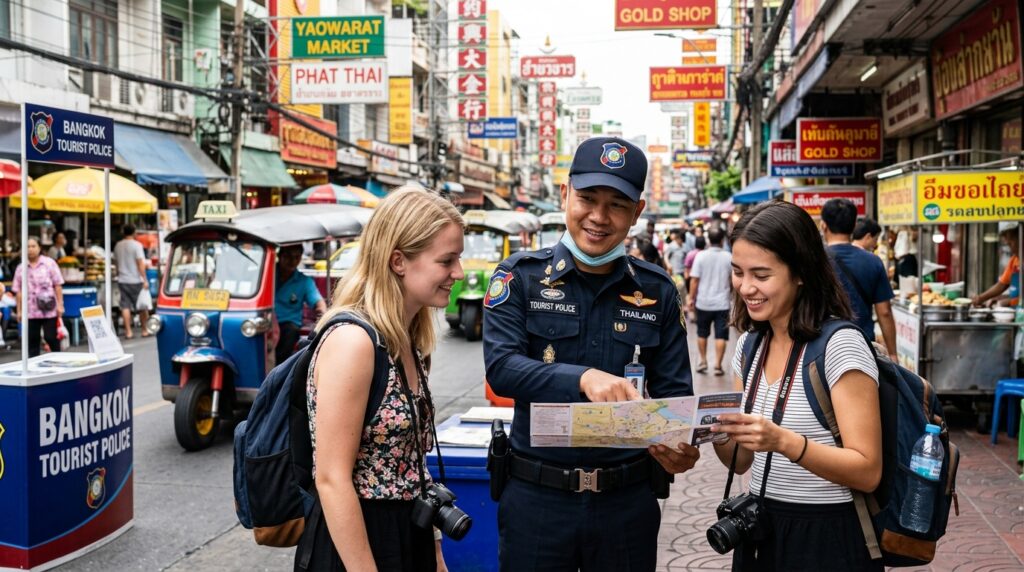
In the fake police scam, individuals posing as police officers stop you and demand to see your passport or wallet. They might claim that you’ve committed a minor offense—like littering, drug possession, or overstaying your visa—and demand an on-the-spot “fine.” Sometimes they’ll even produce fake badges or identification.
How to Avoid It: Always carry a photocopy or digital copy of your passport and keep the original in a safe place at your hotel. If you’re approached by someone claiming to be a police officer, ask to see their official identification. Real Thai police will have proper ID cards with photos and official seals. You can also insist on going to the nearest police station to resolve the issue—scammers will almost always refuse this. If you feel threatened, call the real tourist police at 1155.
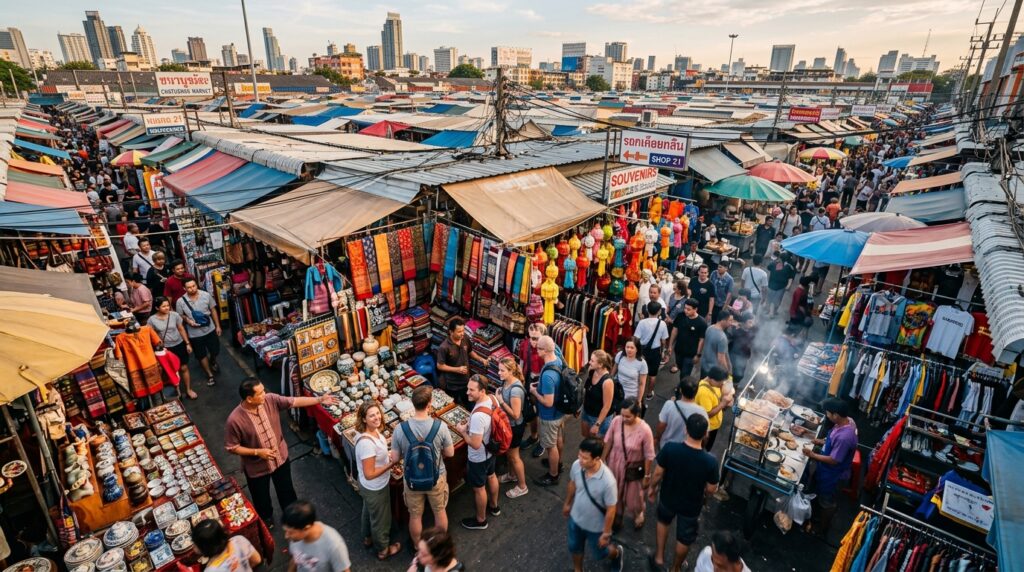
10. Overcharging in Markets and Street Stalls
The overcharging scam is particularly common in markets like Chatuchak Weekend Market, Patpong Night Market, and street stalls throughout the city. Vendors might quote you a price that’s significantly higher—sometimes 5-10 times the actual value—especially if they think you’re a tourist who doesn’t know better.
How to Avoid It: Always haggle! Bargaining is expected and part of Thai market culture. Start by offering 40-50% of the quoted price and negotiate from there. Compare prices at different stalls before making a purchase. It’s also a good idea to research typical prices for items you’re interested in, so you know what to expect. A good rule of thumb: if you can buy something at a mall for a certain price, you shouldn’t pay more at a market.
11. Fake Tickets for Attractions and Events
Scammers might sell you tickets to popular attractions like Muay Thai boxing matches, cabaret shows, or river cruises that turn out to be invalid, or for a completely different event. These fake tickets are often sold by touts outside major attractions or through unofficial vendors.
How to Avoid It: Always purchase tickets from official sources, reputable vendors, or your hotel concierge. If you’re unsure, check the official website of the attraction or event for information on authorized ticket sellers. For popular shows like Calypso Cabaret or Muay Thai at Rajadamnern Stadium, booking in advance through official channels is the safest option.

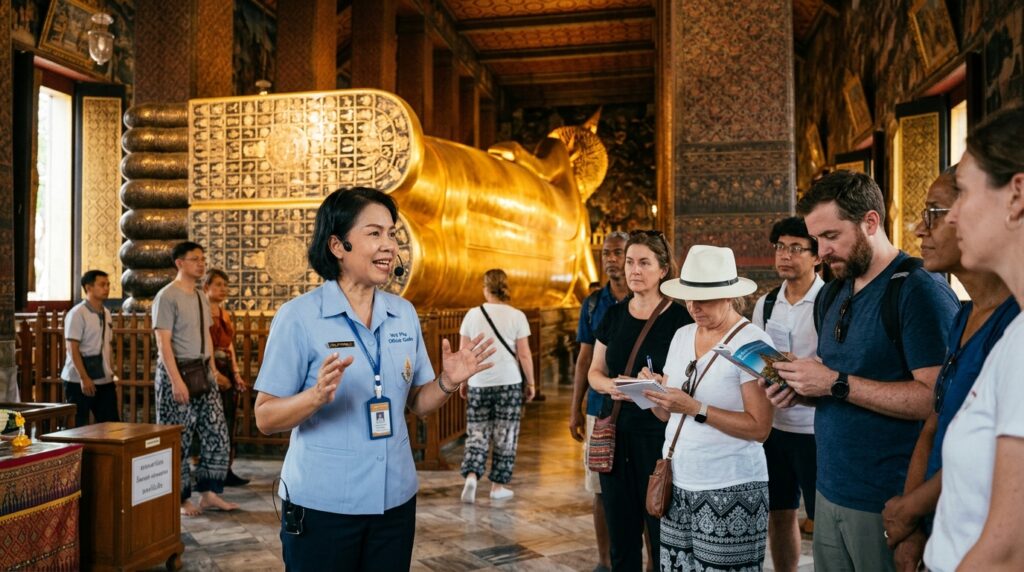
12. Fake Tour Guide Scams
Scammers might pose as official tour guides and offer to show you around for a fee, often approaching tourists near major attractions. However, these guides often provide inaccurate information, take you to places where they receive commissions, or simply disappear after taking your payment.
How to Avoid It: Always book tours through reputable companies, your hotel, or official tourism centers. If you’re approached by someone offering a tour, ask for official identification and verify their credentials. Licensed Thai tour guides carry official ID cards issued by the Tourism Authority of Thailand. You can also read reviews on platforms like TripAdvisor before booking.
13. Fake WiFi Hotspots and Digital Security Threats
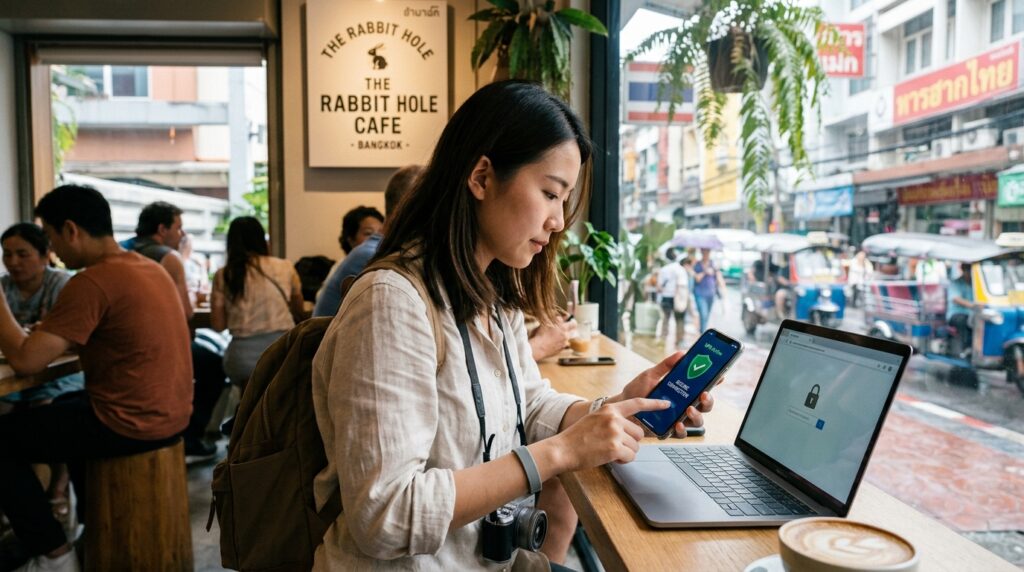
Fake WiFi hotspots are set up to steal your personal information, banking details, and passwords. These hotspots might have names that sound legitimate like “Bangkok Free WiFi” or “Airport WiFi” but are actually operated by scammers who can intercept your data.
How to Avoid It: Always use secure, password-protected WiFi networks, and avoid connecting to public hotspots without a VPN (Virtual Private Network). It’s also a good idea to disable automatic WiFi connections on your device to prevent accidentally connecting to fake networks. When doing online banking or entering sensitive information, use your mobile data instead of public WiFi.
14. Fake Charity Scams
Individuals ask for donations for a seemingly worthy cause, often using emotional appeals involving children, animals, or disaster relief. These scammers might carry fake collection boxes or wear official-looking vests. The funds rarely go to the intended recipients.
How to Avoid It: Only donate to reputable charities through official channels. Avoid giving money to individuals on the street, no matter how compelling their story. If you want to support a cause, research the organization online, verify their registration, and donate through their official website or office.

General Safety Tips for Bangkok Travelers
By being aware of these common scams and taking a few simple precautions, you can protect yourself and enjoy your trip to Bangkok without any unpleasant surprises. Here are some final tips:
- Stay vigilant in crowded tourist areas
- Trust your instincts—if something feels wrong, it probably is
- Do your research before making any decisions or purchases
- Keep emergency numbers handy: Tourist Police 1155, Emergency 191
- Use ride-hailing apps like Grab instead of hailing random taxis
- Keep copies of important documents separate from originals
- Don’t flash expensive items or large amounts of cash
- Learn basic Thai phrases to show respect and deter scammers
Remember, the vast majority of Thai people are genuinely friendly and helpful. Don’t let the fear of scams prevent you from experiencing the incredible culture, cuisine, and hospitality that Bangkok has to offer. With these tips in mind, you’ll be well-equipped to navigate the city and make the most of your time in this incredible destination.
Have you encountered any scams while traveling in Bangkok or elsewhere in Thailand? Share your stories and advice in the comments below to help fellow travelers stay safe!