Germany is a land where fairy tales come to life. From towering fortresses perched dramatically on clifftops to enchanting palaces surrounded by misty forests, this magnificent country boasts some of the world’s most spectacular castles. Whether you’re a history enthusiast, architecture lover, or simply dreaming of stepping into a real-life Disney scene, Germany’s castles will leave you absolutely spellbound.
In this comprehensive guide, we’ll explore the 10 most beautiful castles in Germany, complete with practical travel tips, transportation advice, food recommendations, and insider secrets to make your visit unforgettable.
Why Germany’s Castles Are Unforgettable
Germany is home to over 25,000 castles, each telling its own unique story of medieval grandeur, royal romance, and fascinating history. These architectural masterpieces range from ancient Roman fortifications to 19th-century romantic palaces built by fairy-tale kings. What makes German castles so special is their incredible diversity—some are pristine and fully furnished, others are romantic ruins; some sit atop rugged mountains, while others reflect peacefully in tranquil lakes.
The best time to visit these magnificent structures is typically from April to October when the weather is mild and the gardens are in full bloom. However, each season offers its own magic—winter brings snow-covered turrets straight out of a storybook, while autumn paints the surrounding forests in spectacular shades of gold and crimson.
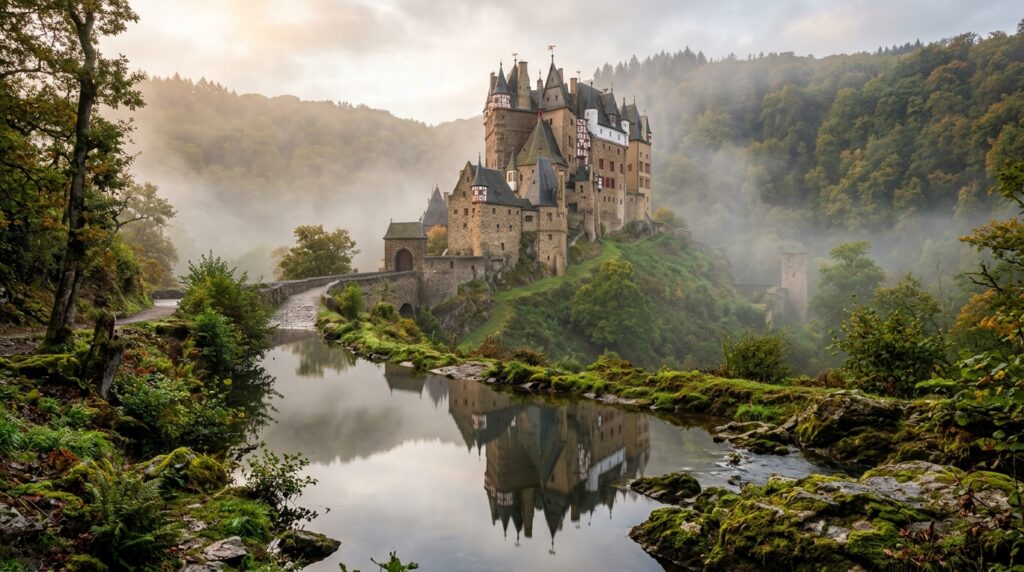
10. Burg Eltz: A Hidden Gem in the Mosel Valley
Nestled in the heart of a lush, misty forest in the Mosel Valley, Burg Eltz looks like something plucked directly from a dream. Unlike many other German castles, this medieval masterpiece has remained in the hands of the same family for over 850 years, preserving its authentic charm and original character.
What Makes It Special: Burg Eltz is surrounded by the Eltz Forest, creating an atmosphere of mysterious allure that captivates visitors from the moment they catch their first glimpse of its eight 35-meter-high towers emerging from the trees. Inside, you’ll discover rooms filled with original 1,000-year-old furniture, impressive paintings, and a treasury showcasing centuries-old gold and silver artifacts.
Practical Information:
- Opening Hours: The castle is open daily from April 1st to November 1st, 9:30 AM to 5:30 PM (final admission at 5:00 PM)
- Admission: Adults €12, Children (6-17) €6, Children under 6 free
- Time Needed: Plan 3-4 hours total for parking, the hike, castle tour, and exploring the grounds.
- Getting There: The castle requires a scenic 15-20 minute walk (about 1.2 km) through the forest from the parking lot. Alternatively, a shuttle bus runs during peak season for €2 round-trip
Pro Tip: Arrive right at 9:30 AM opening time or after 3:00 PM to avoid the biggest crowds. The early morning mist creates the most photogenic atmosphere.
Where to Eat: After your visit, head to the nearby town of Münstermaifeld or Cochem for traditional German cuisine. Try the local Riesling wine paired with schnitzel at Gasthaus Eltzer Hof.
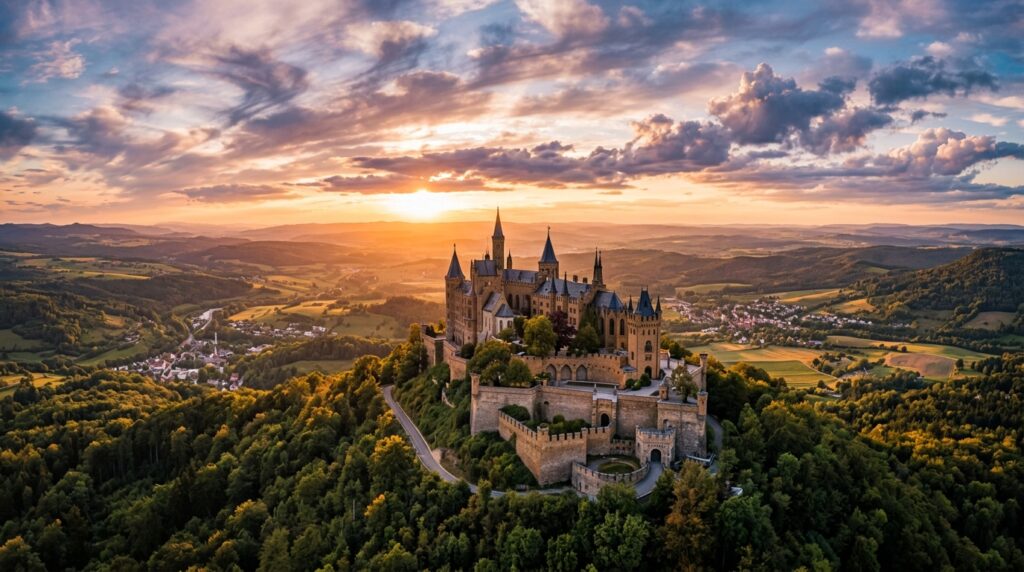
9. Hohenzollern Castle: A Fortress in the Sky
Perched majestically on Mount Hohenzollern in the Swabian Alps, this Neo-Gothic masterpiece looks like it was lifted straight from a fantasy novel. As the ancestral home of the Prussian royal family, Hohenzollern Castle commands breathtaking views of the surrounding countryside from its 855-meter elevation.
What Makes It Special: With its towering spires, grand courtyards, and dramatic clifftop location, Hohenzollern Castle is a sight that will take your breath away. The castle houses fascinating artifacts including the crown of Wilhelm II and the personal belongings of Frederick the Great. The interior features opulent royal chambers, a stunning chapel, and treasures from the Prussian dynasty.
Practical Information:
- Opening Hours: Daily 10:00 AM – 5:30 PM (March-October), 10:00 AM – 4:30 PM (November-February)
- Admission: Adults €22, Children (4-16) €11.50, includes guided tour
- Getting There:
- By Car: From Stuttgart, take A8 towards Singen, exit Empfingen, follow B463 and B27 to Hechingen (about 70 km, 1 hour drive) burg-hohenzollern.com
- By Public Transport: Take train from Stuttgart Hauptbahnhof to Hechingen station (about 1.5 hours), then bus line 302 or 306 to the castle.
- From the parking lot, you can hike 30 minutes uphill or take a shuttle bus for €3
Best Time to Visit: Sunrise and sunset are absolutely magical here, when the golden light makes the entire fortress glow. The castle is less crowded on weekday mornings.
Weather Considerations: The mountaintop location means it can be 5-10°C cooler than the valley below. Bring layers even in summer, and be prepared for sudden weather changes.
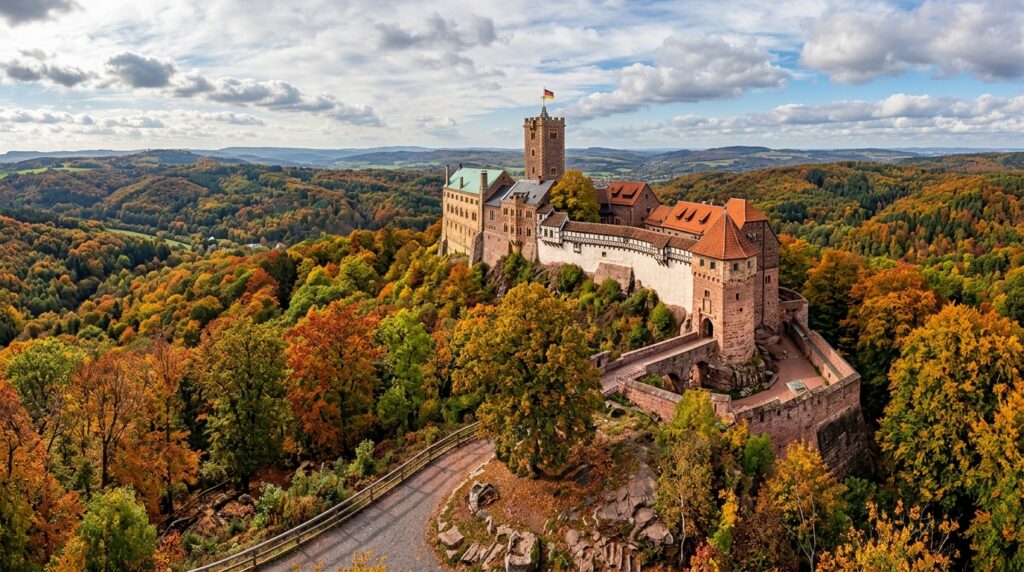
8. Wartburg Castle: A UNESCO Treasure with Rich History
Wartburg Castle isn’t just one of Germany’s most beautiful castles—it’s also one of the most historically significant. This UNESCO World Heritage Site is where Martin Luther translated the New Testament into German, making it a pilgrimage site for history enthusiasts from around the world.
What Makes It Special: The castle’s medieval walls, grand halls, and sweeping views of the Thuringian Forest create an unforgettable atmosphere. Inside, richly decorated rooms showcase stunning frescoes, antique furniture, and medieval artifacts. The blend of historical significance and fairy-tale beauty makes Wartburg Castle a destination that shouldn’t be missed.
Practical Information:
- Location: Eisenach, Thuringia
- Opening Hours: Daily 8:30 AM – 8:00 PM (summer), 8:30 AM – 5:00 PM (winter)
- Admission: Castle grounds free; guided tour Adults €12-14, Children €6-7
- English Tours: One daily English-language tour at 1:30 PM year-round.
- Getting There:
- By Train: Direct ICE trains from Frankfurt (1.5 hours) or Berlin (2.5 hours) to Eisenach
- From Station: 30-minute uphill walk or take a taxi/bus to the castle
- By Car: From Frankfurt, take A4 east to Eisenach (about 150 km)
Cultural Highlight: Don’t miss the Festival Hall where the famous Wartburg Festival of 1817 took place, and the room where Martin Luther hid and worked on his Bible translation.
Where to Eat: Try traditional Thuringian bratwurst at Gasthof zur Wartburg in Eisenach’s old town before or after your castle visit.
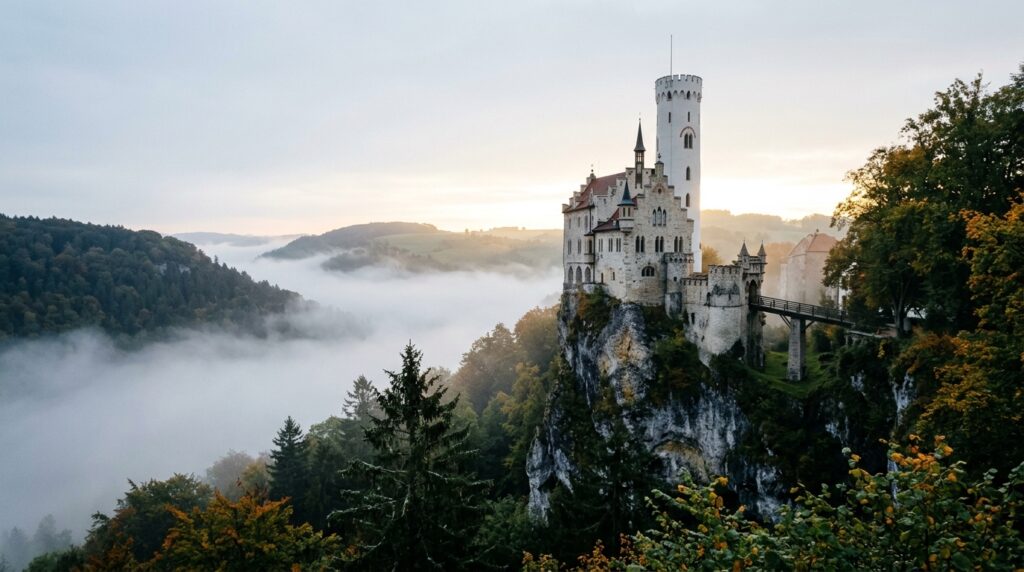
7. Lichtenstein Castle: Germany’s Mini Neuschwanstein
Often called the “Fairy-tale Castle of Württemberg,” Lichtenstein Castle is a hidden gem that stands dramatically on a rocky cliff overlooking the Echaz Valley. This romantic castle feels like a scene straight from a medieval fantasy novel.
What Makes It Special: Built in the 19th century and inspired by Wilhelm Hauff’s novel “Lichtenstein,” this castle was designed to resemble a classic knight’s fortress. Despite its relatively small size compared to other German castles, Lichtenstein’s breathtaking location and charming Neo-Gothic architecture make it one of the most picturesque spots in the country.
Practical Information:
- Location: Near Honau, Baden-Württemberg
- Opening Hours: Daily 9:00 AM – 5:30 PM (March-October), limited hours in winter
- Admission: Adults €7, Children €3.50, castle grounds free
- Getting There:
- By Car: From Stuttgart, take B27 south towards Tübingen, then follow signs to Honau (about 60 km)
- By Public Transport: Train to Reutlingen, then bus 7600 to Honau
- Final Approach: A scenic 15-minute walk through the forest from the parking area
Photography Tip: The best views are from the hiking trail below the castle, especially in early morning when mist fills the valley.
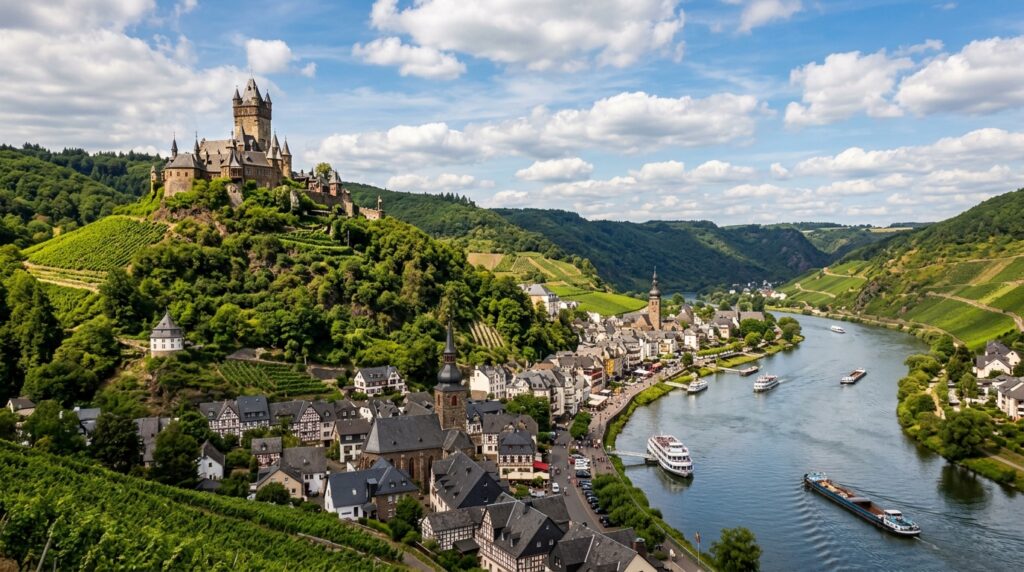
6. Cochem Castle (Reichsburg Cochem): Overlooking the Mosel River
Rising majestically above the scenic town of Cochem, this castle is one of the most beautiful fortresses along the romantic Mosel River. Originally built around the year 1000, Cochem Castle was restored in the 19th century in a Neo-Gothic style, creating a stunning blend of medieval and romantic elements.
What Makes It Special: Visitors can enjoy sweeping views of the river valley, explore beautifully decorated rooms filled with period furniture, and even participate in medieval-themed dinners. The setting, with vineyards and rolling hills surrounding the castle, makes Cochem feel like a real-life storybook location.
Practical Information:
- Opening Hours: Daily 9:00 AM – 5:00 PM (March-November), reduced hours in winter
- Admission: Adults €11.50, Children €6, guided tour included
- Getting There:
- By Train: Regional trains to Cochem from Koblenz (30 min) or Trier (45 min)
- By Car: From Frankfurt, take A48 to Cochem (about 100 km, 1.5 hours)
- From Town: 20-minute uphill walk or take the castle shuttle
Wine Region Bonus: Cochem is in the heart of Mosel wine country. After your castle visit, explore the charming old town and sample some of Germany’s finest Riesling at local wine taverns.
Where to Eat: Try traditional Mosel cuisine at Brauhaus Cochem or enjoy riverside dining at one of the many restaurants along the Mosel promenade.
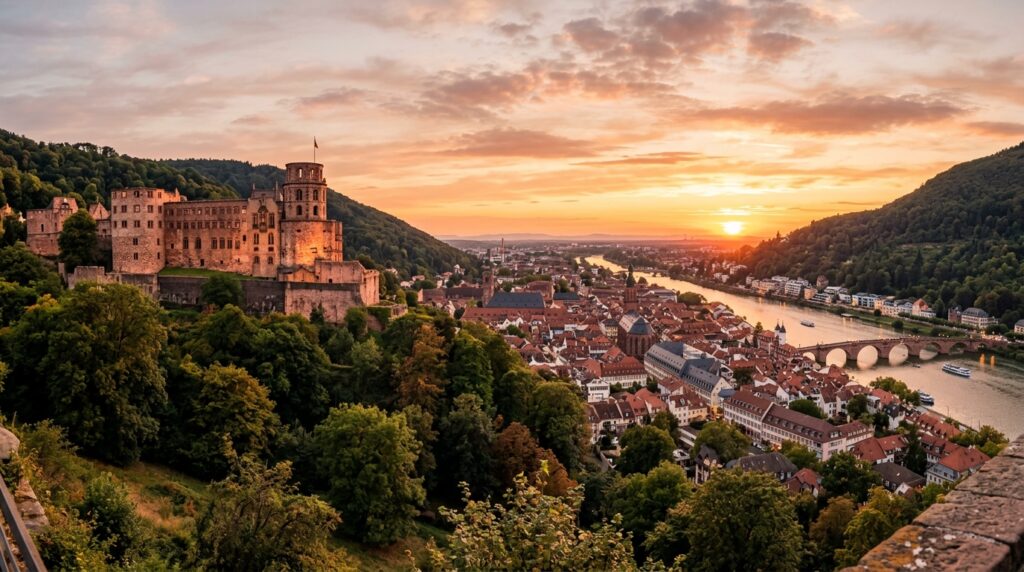
5. Heidelberg Castle: A Ruined Beauty with Romantic Charm
Heidelberg Castle is one of Germany’s most iconic landmarks, combining the mystery of a romantic ruin with the elegance of a grand Renaissance palace. Sitting on a hill 80 meters above the charming city of Heidelberg, the castle offers panoramic views of the Neckar River and the Old Town below.
What Makes It Special: Though partially in ruins, the red sandstone walls, Renaissance-style towers, and sprawling gardens create a magical atmosphere. The castle is also home to the world’s largest wine barrel (the Großes Fass), which holds 220,000 liters of wine, adding an extra touch of charm to this historic site.
Practical Information:
- Opening Hours: Grounds open 24/7; Castle interior 8:00 AM – 6:00 PM (April-October), 9:00 AM – 5:00 PM (November-March)
- Admission: Castle grounds free; Interior tour Adults €9, Children €4.50
- Getting There:
- By Train: Direct ICE trains from Frankfurt (1 hour) or Stuttgart (1.5 hours) to Heidelberg
- From City Center: Take the historic Bergbahn (funicular railway) from Kornmarkt to the castle (5 minutes)
- By Foot: Scenic 20-minute uphill walk through the Old Town
Cultural Highlight: Don’t miss the German Pharmacy Museum located within the castle grounds and the stunning Hortus Palatinus gardens designed in the 17th century.
Best Time to Visit: Sunset from the castle terrace offers breathtaking views over Heidelberg’s red-roofed Old Town. The castle is beautifully illuminated at night during summer months.
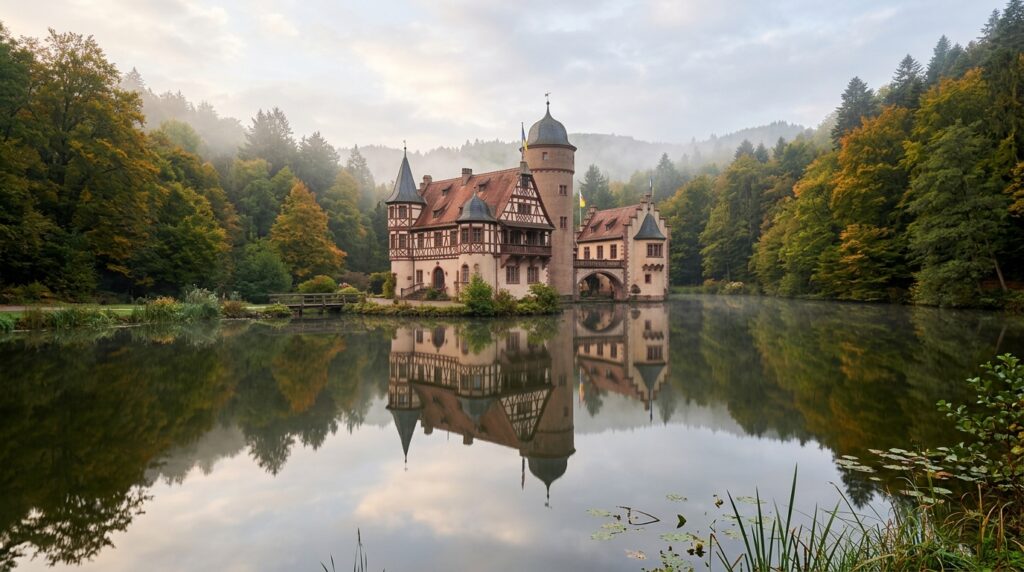
4. Mespelbrunn Castle: A Hidden Water Castle in Bavaria
Unlike most castles built on hilltops, Mespelbrunn Castle is uniquely set in the middle of a peaceful lake surrounded by dense forests. This hidden gem in Bavaria looks like something straight out of a fairy tale, with its reflection shimmering perfectly in the still water.
What Makes It Special: Originally built as a defensive stronghold in the Middle Ages, Mespelbrunn later became a romantic residence. Since it remains privately owned, visiting feels like stepping into an untouched part of history. The castle’s intimate setting and dreamy location make it one of the most picturesque castles in Germany.
Practical Information:
- Location: Mespelbrunn, Bavaria (between Frankfurt and Würzburg)
- Opening Hours: Daily 10:00 AM – 6:00 PM (April-October), weekends only in November, closed December-March
- Admission: Adults €7, Children €3.50
- Getting There:
- By Car: From Frankfurt, take A3 to Aschaffenburg, then follow signs to Mespelbrunn (about 60 km, 1 hour)
- By Public Transport: Train to Aschaffenburg, then bus 50 to Mespelbrunn (limited service)
- Final Approach: 10-minute walk through the forest from the parking area
Photography Paradise: This is one of the most photographed castles in Germany for good reason. Early morning visits offer the best light and fewest crowds for that perfect reflection shot.
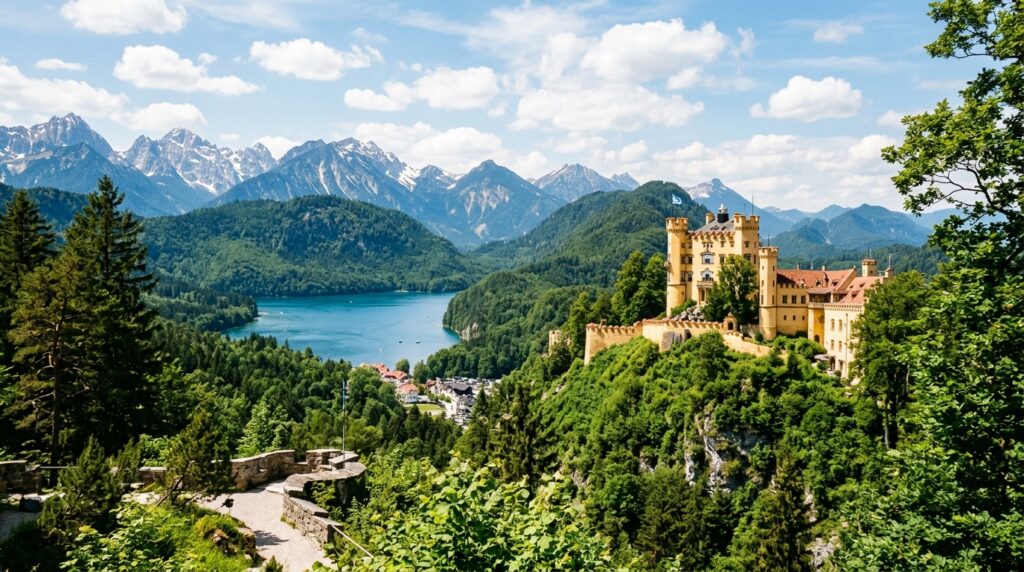
3. Hohenschwangau Castle: A Royal Childhood Home
Hohenschwangau Castle may not be as famous as its neighbor Neuschwanstein, but it’s equally magical. This 19th-century castle was the childhood home of King Ludwig II, the “Fairy-tale King,” and offers a more intimate castle experience with fewer crowds.
What Makes It Special: Surrounded by forests and alpine lakes, the castle’s yellow walls and elegant towers give it a storybook charm. Inside, beautifully decorated rooms showcase stunning murals inspired by German legends, particularly the Swan Knight legend. The castle offers a fascinating glimpse into Ludwig’s romantic imagination before he built his famous Neuschwanstein.
Practical Information:
- Location: Schwangau, Bavaria (near Füssen)
- Opening Hours: Daily 9:00 AM – 6:00 PM (April-October), 10:00 AM – 4:00 PM (November-March)
- Admission: Adults €13, Children under 18 free (with adult), guided tour mandatory
- Getting There:
- By Train: Train to Füssen from Munich (2 hours), then bus 73 or 78 to Hohenschwangau village (10 min)
- From Village: 20-minute uphill walk or horse-drawn carriage/bus to the castle
- Combined Ticket: Available for both Hohenschwangau and Neuschwanstein (€31)
Pro Tip: Book tickets in advance, especially in summer. The castle offers a more peaceful experience than Neuschwanstein, with smaller groups and more personalized tours.
2. Burg Hohenzollern: A Real-Life Disney Castle
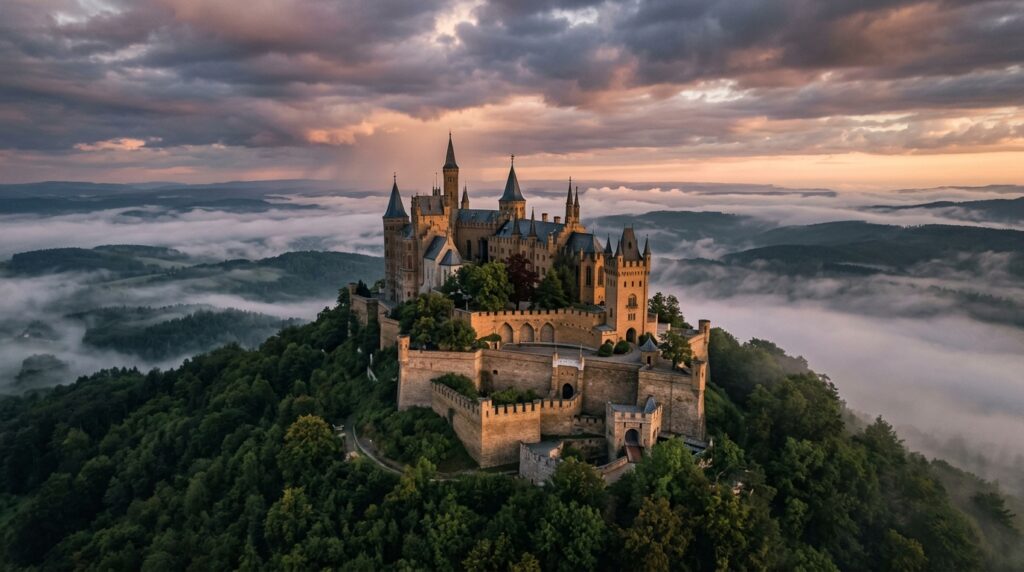
Standing high above the misty hills of Baden-Württemberg, Burg Hohenzollern is one of the most breathtaking castles in Germany. With its powerful spires, fortified walls, and drawbridges, this castle looks like something straight out of a fairy tale.
What Makes It Special: Built as a symbol of the Hohenzollern dynasty, it remains one of the most majestic castles in Europe. Inside, visitors can explore regal rooms filled with treasures, including the crown of Prussian kings. The views from the castle’s walls stretch for miles across the Swabian Alps, making it an unforgettable destination.
Weather Advice: The castle’s elevated position means it can be windy and cooler than surrounding areas. Even in summer, bring a light jacket. Winter visits offer dramatic snow-covered views but check opening hours as they’re reduced.
1. Neuschwanstein Castle: The Ultimate Fairy-Tale Castle
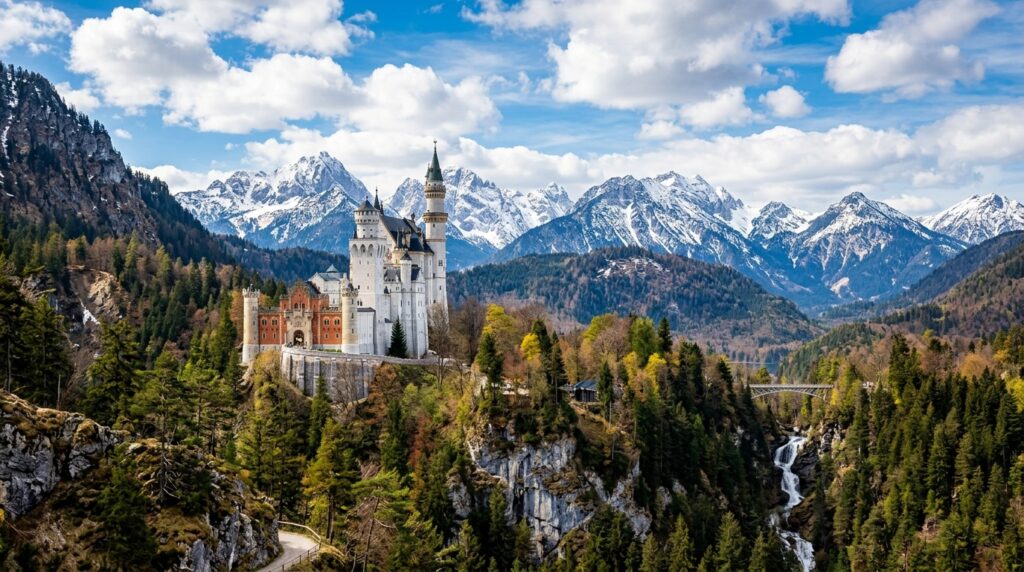
No list of Germany’s most beautiful castles would be complete without Neuschwanstein. This world-famous castle was the inspiration for Disney’s Sleeping Beauty Castle, and it’s easy to see why. Perched on a rugged hilltop in Bavaria with the Alps as its backdrop, Neuschwanstein looks like something out of a dream.
What Makes It Special: Commissioned by King Ludwig II in 1869, the castle was never fully completed, but the parts open to visitors feel like stepping into a fantasy world. With its white towers, dramatic cliffs, and stunning mountain backdrop, Neuschwanstein offers breathtaking views of the Alps and nearby Alpsee lake. The romantic interiors feature elaborate murals depicting German legends and Wagnerian opera scenes.
Practical Information:
- Location: Schwangau, near Füssen, Bavaria
- Opening Hours: Daily 9:00 AM – 6:00 PM (April-September), 10:00 AM – 4:00 PM (October-March)
- Admission: Adults €21, Children under 18 free, guided tour mandatory.
- Booking: Reserve tickets well in advance (weeks or months for peak season) at the official ticket center in Hohenschwangau village or online
- Getting There:
- From Munich: Take train to Füssen (2 hours), then bus 73 or 78 to Hohenschwangau (10 min).
- By Car: From Munich, take A7 south to Füssen (about 130 km, 1.5-2 hours)
- From Village to Castle: 30-40 minute uphill walk, horse-drawn carriage (€8), or shuttle bus (€3.50)
Insider Tips:
- Book the earliest tour time (9:00 AM) to avoid crowds
- The best photo spot is from Marienbrücke (Mary’s Bridge), a 20-minute walk from the castle
- Combined tickets for Neuschwanstein and Hohenschwangau cost €31 and make for a perfect day trip.
- Allow 4-5 hours total for the visit including travel from the village
Where to Eat: Try traditional Bavarian cuisine at Restaurant Müller in Hohenschwangau or enjoy lakeside dining at Alpsee lake.
Weather Considerations: The castle area can be unpredictable. Summer brings crowds but pleasant weather; winter offers magical snow scenes but some paths may be closed. Spring and fall offer moderate crowds and beautiful scenery.
Planning Your German Castle Adventure
Best Time to Visit
Spring (April-May): Perfect weather with blooming flowers and fewer crowds. Most castles reopen after winter closures in April.
Summer (June-August): Peak season with longest opening hours but biggest crowds. Book tickets weeks in advance, especially for Neuschwanstein.
Autumn (September-October): Stunning fall foliage, moderate crowds, and pleasant temperatures. Ideal photography conditions.
Winter (November-March): Magical snow-covered castles but limited hours. Some castles close completely (Burg Eltz closes November 1st to March 31st).
Transportation Tips
By Car: Renting a car offers maximum flexibility, especially for visiting multiple castles. The Romantic Road and Castle Road are scenic routes connecting many castles.
By Train: Germany’s excellent rail network connects major cities. The Bayern Ticket (€27 for one person, €8 for each additional person) offers unlimited regional train travel in Bavaria for one day.
By Tour: Many companies offer day trips from Munich to Neuschwanstein and surrounding castles, perfect if you prefer not to navigate public transport.
Budget Planning
- Castle Admissions: €7-21 per castle
- Transportation: €25-50 per day (regional trains) or €50-80/day (car rental + gas)
- Accommodation: €60-150/night depending on location and season
- Food: €15-30 per meal at traditional restaurants
10-Day Castle Itinerary Suggestion
Days 1-2: Munich – Explore the city, visit Nymphenburg Palace
Day 3: Neuschwanstein & Hohenschwangau Castles
Day 4: Drive to Füssen area, visit Lichtenstein Castle
Day 5: Travel to Baden-Württemberg, visit Hohenzollern Castle
Days 6-7: Heidelberg – Explore Heidelberg Castle and Old Town
Day 8: Travel to Mosel Valley, visit Cochem Castle
Day 9: Burg Eltz day trip
Day 10: Mespelbrunn Castle, return to Frankfurt
Cultural Etiquette
- Many castles require guided tours; photography inside is often prohibited
- Speak quietly in castle interiors to respect other visitors
- Remove backpacks in tight spaces
- Tip guides €2-3 if you enjoyed the tour
- Wear comfortable shoes—castle tours involve lots of walking and stairs
Food & Wine Recommendations
Each region offers unique culinary delights:
Bavaria: Schweinshaxe (pork knuckle), Weisswurst, pretzels, and wheat beer Baden-Württemberg: Maultaschen (Swabian ravioli), Spätzle, and local wines Mosel Valley: Riesling wine, traditional German sausages, and freshwater fish Thuringia: Thüringer Bratwurst (protected designation of origin)
Packing Essentials
- Comfortable walking shoes with good grip
- Layers for changing weather (mountain castles can be cooler)
- Rain jacket (weather can change quickly)
- Camera with extra batteries
- Reusable water bottle
- Small backpack for castle tours
- Cash (some smaller castles don’t accept cards)
Final Thoughts
Germany’s castles are more than just beautiful buildings—they’re gateways to centuries of history, romance, and fairy-tale magic. From the iconic towers of Neuschwanstein to the hidden forest gem of Burg Eltz, each castle offers a unique glimpse into Germany’s rich cultural heritage.
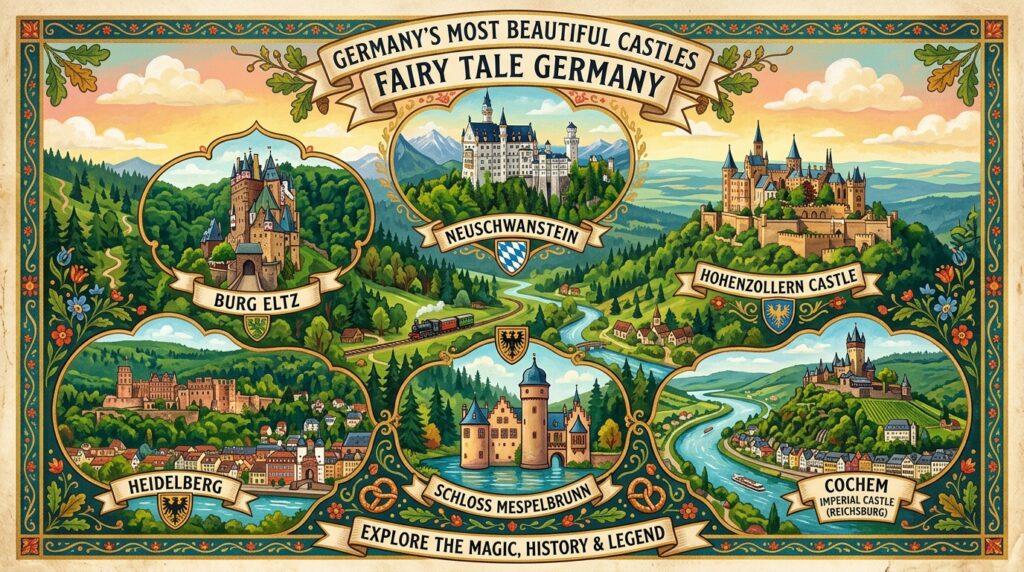
Whether you’re wandering through the romantic ruins of Heidelberg Castle, exploring the royal chambers of Hohenzollern, or discovering the peaceful waterside beauty of Mespelbrunn, these magnificent structures will create memories that last a lifetime.
Start planning your German castle adventure today, and prepare to step into a world where fairy tales become reality. Remember to book popular castles well in advance, wear comfortable shoes, and bring your camera—you’ll want to capture every magical moment!
Have you visited any of these spectacular German castles? Share your favorite in the comments below!