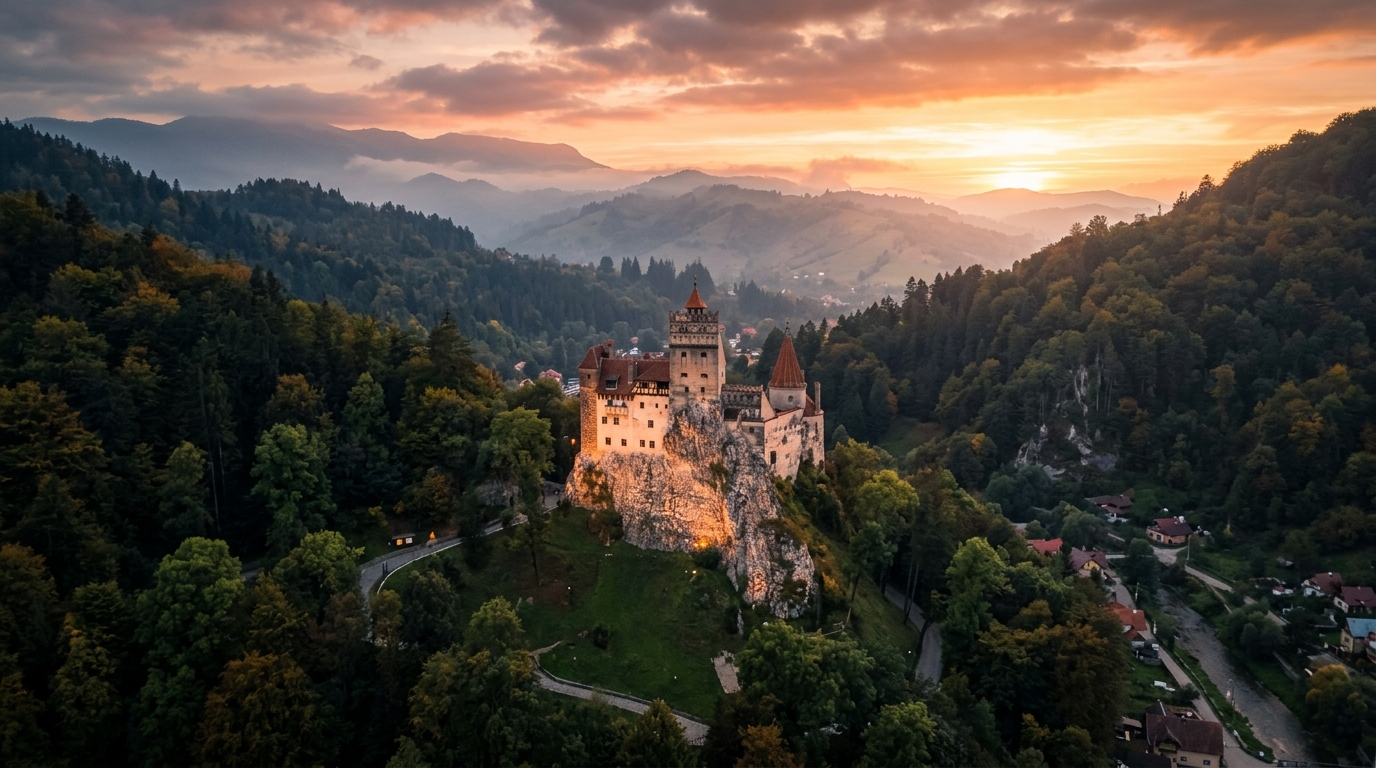

Ready to uncover the mysteries of Transylvania? This enchanting region of Romania beckons travelers with its Gothic castles, medieval towns, breathtaking mountain landscapes, and legends that have captivated imaginations for centuries. From the eerie tales surrounding Dracula’s Castle to the stunning vistas of the Carpathian Mountains, Transylvania offers an unforgettable journey through history, myth, and natural beauty.
Whether you’re a fan of vampire lore, a history enthusiast, an outdoor adventurer, or simply someone seeking unique travel experiences, this comprehensive Transylvania travel guide will help you discover the region’s most captivating attractions. Let’s explore the top 10 must-visit places in this fascinating corner of Europe.
10. Visit Dracula’s Castle: Bran Castle
Undoubtedly one of the most famous landmarks in Transylvania, Bran Castle is often referred to as Dracula’s Castle due to its association with Bram Stoker’s iconic novel. While historical evidence doesn’t confirm that Stoker had Bran Castle specifically in mind when writing about Count Dracula, the fortress’s Gothic architecture and dramatic cliff-top location make it a perfect embodiment of vampire lore.
What to Expect
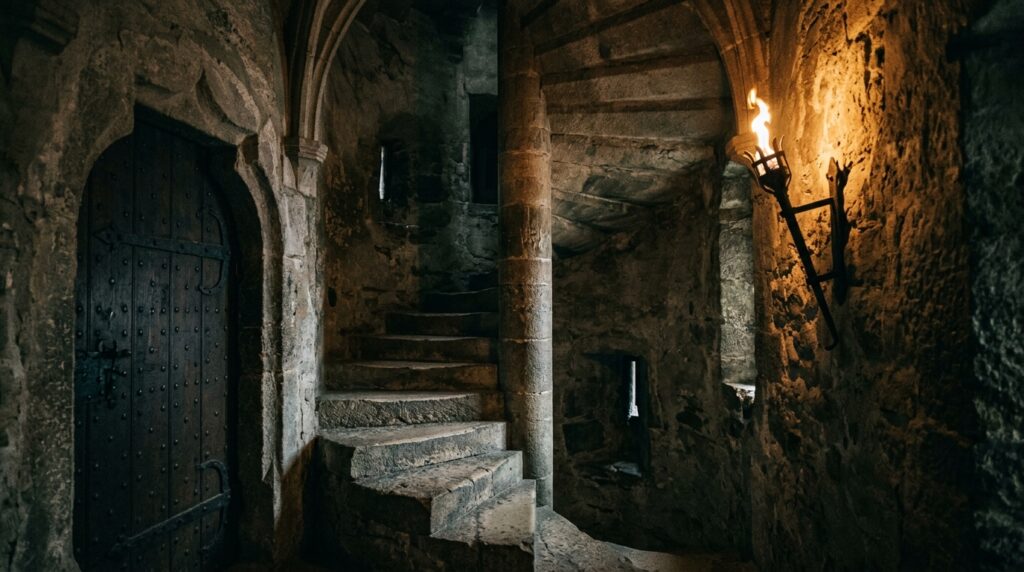
Perched on a 200-foot-high rock, Bran Castle commands breathtaking views of the surrounding countryside. Built in the 14th century, this medieval fortress features narrow staircases, secret passages, and beautifully preserved rooms filled with furniture and artifacts from different periods. The castle museum showcases collections of art and furniture from the 15th to the 19th centuries, offering visitors a glimpse into Romania’s royal history.
Visiting Information:
- Opening Hours: April to September: Monday 12:00-18:00, Tuesday-Sunday 09:00-18:00; October to March: Monday 12:00-16:00, Tuesday-Sunday 09:00-16:00 brancastletickets.com
- Ticket Prices: Adults approximately 50-75 RON (€10-15)
- Time Needed: 2-3 hours for a thorough visit
- Best Time to Visit: Early morning or late afternoon to avoid crowds
Is It Worth the Visit?
If you’re fascinated by the Dracula legend or medieval architecture, Bran Castle is absolutely a must-see. While you won’t encounter any real vampires, you’ll discover rich history, stunning Gothic architecture, and panoramic views that make the visit worthwhile. The castle’s connection to Vlad the Impaler (Vlad Dracula) and Romanian royalty adds layers of historical intrigue beyond the vampire mythology.
Pro Tip: Consider purchasing a combo ticket that includes access to the Torture Chambers and Time Tunnel for a more comprehensive experience.
9. Explore the Medieval Town of Sighișoara
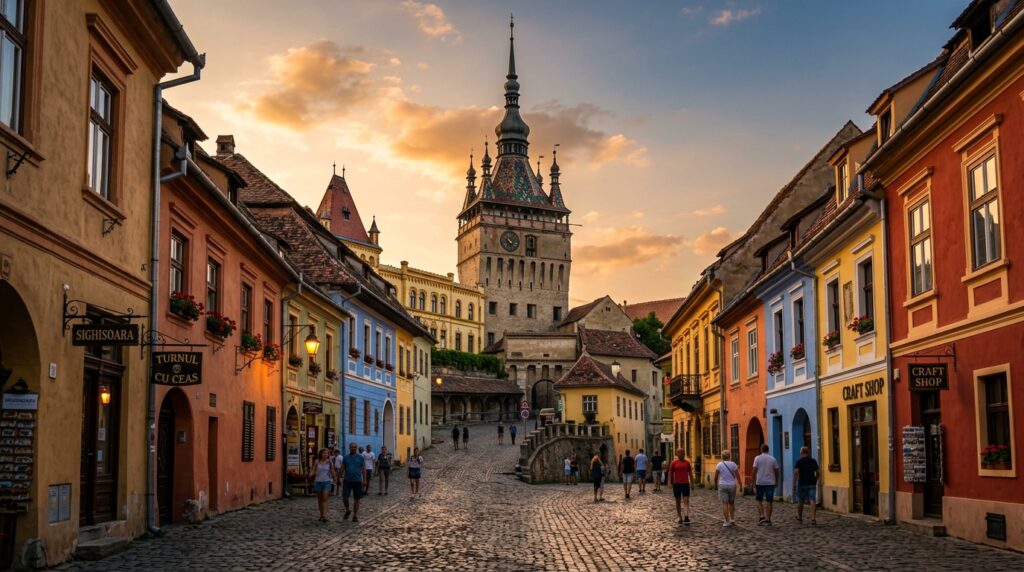
Known as one of the best-preserved medieval towns in Europe, Sighișoara is a UNESCO World Heritage site that offers a charming glimpse into Transylvania’s fascinating past. This picturesque citadel is the birthplace of Vlad the Impaler, the historical figure who inspired the Dracula legend, making it a destination that perfectly blends history, legend, and local culture.
Why Sighișoara Should Be on Your Itinerary
Walking through Sighișoara’s cobblestone streets feels like stepping back in time. The town’s fortified citadel, with its colorful baroque buildings, medieval towers, and charming squares, creates an atmosphere unlike anywhere else in Romania. The Clock Tower, standing at 64 meters tall, offers panoramic views of the town and surrounding countryside.
Must-See Attractions:
- Vlad Dracul’s House: The birthplace of Vlad the Impaler, now housing a restaurant and small museum
- The Clock Tower: Medieval tower with museum and observation deck
- Covered Wooden Staircase: 17th-century staircase leading to the Church on the Hill
- Torturers’ Tower: One of the nine towers that once defended the citadel
- Venetian House: Historic building with distinctive Renaissance windows
Time Needed: Half-day to full day Best Photo Spot: The colorful houses of Citadel Square at sunset
Cultural Highlights
Sighișoara comes alive during summer festivals, particularly the Medieval Festival held in July, when the town transforms with period costumes, traditional music, craft demonstrations, and theatrical performances. Even outside festival season, the town’s artisan workshops, traditional restaurants, and welcoming atmosphere make it one of Transylvania’s top attractions.
8. Hike the Carpathian Mountains
Transylvania is home to the breathtaking Carpathian Mountains, offering some of the most stunning hiking and outdoor experiences in Europe. This magnificent mountain range spans over 1,000 kilometers, providing diverse trails suitable for all skill levels, from leisurely nature walks to challenging multi-day treks.
The Făgăraș Mountains: A Hiker’s Paradise
The Făgăraș Mountains are particularly popular among outdoor enthusiasts, featuring rugged landscapes, alpine meadows, deep valleys, and some of Romania’s highest peaks. The region offers unparalleled opportunities to connect with nature and experience the wild beauty of Transylvania.
Top Hiking Experiences:
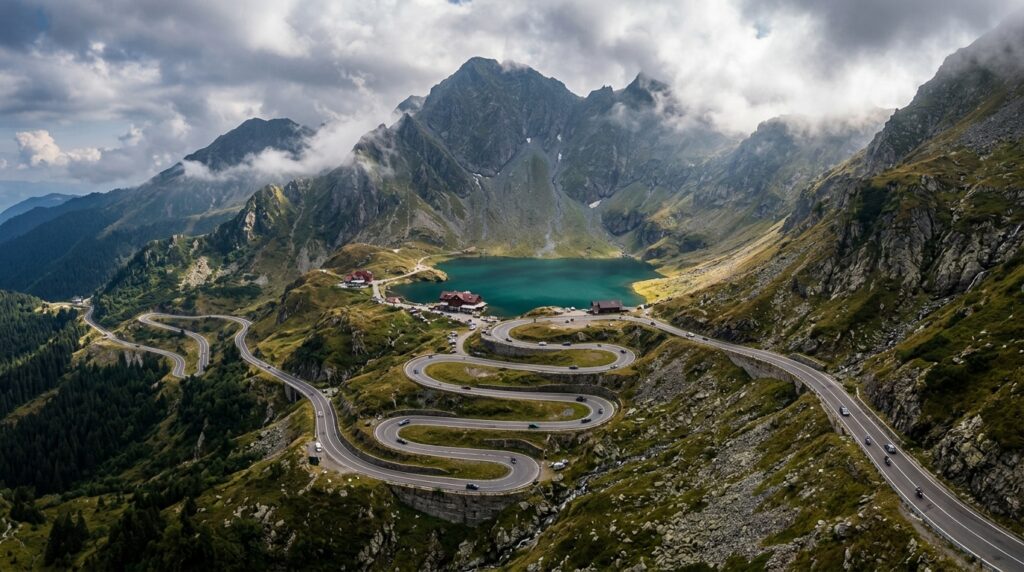
Transfăgărășan Highway Trek Often considered one of the most scenic roads in the world, the Transfăgărășan winds dramatically through the mountains, offering incredible views at every turn. The road is typically open from late June to October, depending on weather conditions.
Recommended Hiking Trails:
- Moldoveanu Peak (2,544m): Romania’s highest peak, challenging 2-day trek
- Bâlea Lake Circuit: Moderate hike around a stunning glacial lake
- Piatra Craiului National Park: Ridge walk with spectacular mountain views
- Duration: 2-8 hours depending on trail choice
- Difficulty: Beginner to advanced options available
Wildlife Encounters
For wildlife enthusiasts, the Carpathians are home to Europe’s largest populations of brown bears, wolves, and lynx. Guided wildlife watching tours offer safe opportunities to observe these magnificent animals in their natural habitat.
Best Time for Hiking: May through October offers the most favorable weather conditions, with July and August being the warmest months. Spring and fall provide fewer crowds and pleasant temperatures ideal for outdoor activities.
What to Bring:
- Sturdy hiking boots
- Layered clothing (mountain weather changes quickly)
- Rain gear
- Plenty of water and snacks
- Map and compass or GPS device
- Bear spray (recommended for certain areas)
7. Discover Peleș Castle: A Royal Masterpiece
Located near the town of Sinaia, Peleș Castle stands as a stunning example of Neo-Renaissance architecture and ranks among Romania’s most beautiful castles. This fairy-tale structure was built between 1873 and 1914 as the summer residence of Romania’s royal family, and its grandeur is immediately apparent.
Architectural Splendor
Unlike the medieval austerity of Bran Castle, Peleș Castle dazzles visitors with its ornate interiors featuring lavish rooms, intricate woodwork, beautiful stained glass windows, and an impressive collection of art and decorative arts from Europe and Asia. The castle boasts 160 rooms, each uniquely decorated in various styles from Italian Renaissance to German Neo-Renaissance.
Highlights Include:
- The Hall of Honor: Magnificent entrance hall with retractable glass roof
- The Imperial Apartment: Luxuriously decorated royal chambers
- The Armory Room: Collection of European and Oriental weapons
- The Music Room: Exquisite acoustic chamber with rare instruments
- The Library: Floor-to-ceiling bookshelves with rare editions
Visiting Information:
- Location: Sinaia (approximately 45 minutes from Brașov)
- Opening Hours: Varies by season; generally 9:00-17:00 or 18:00
- Tour Options: Ground floor tour (1 hour) or full tour (2 hours)
- Tickets: Approximately 30-50 RON depending on tour type
Gardens and Grounds
The castle is surrounded by lush forests and meticulously maintained gardens, offering serene walking paths and picturesque photo opportunities. The grounds include fountains, statues, and charming pavilions that complement the castle’s elegance.
Pro Tip: While Bran Castle attracts crowds due to its Dracula association, Peleș Castle is often overlooked but absolutely worth visiting for its unparalleled beauty and historical significance.

6. Explore the Fortified Churches of Transylvania
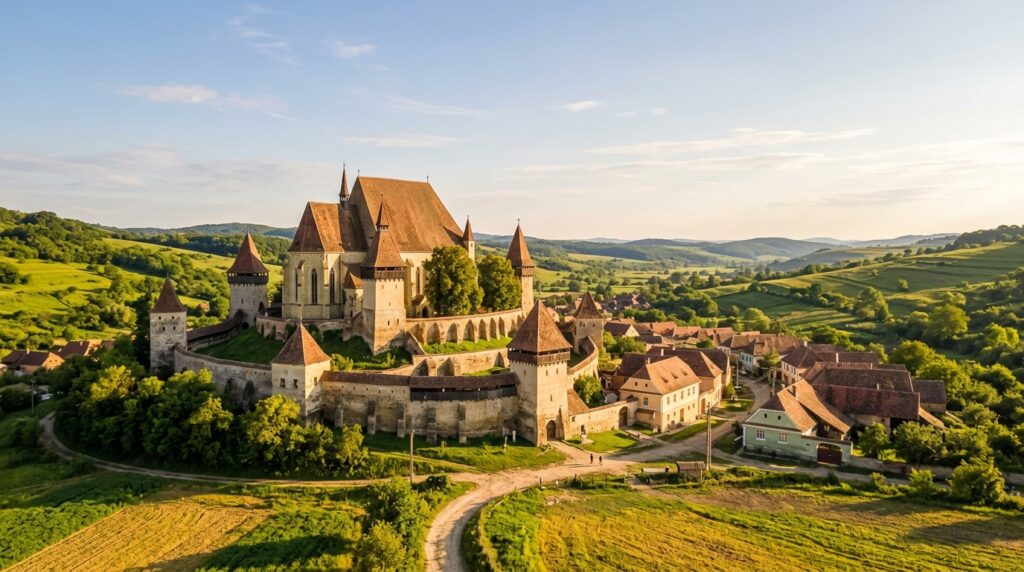
Transylvania is home to numerous fortified churches built by Saxon communities between the 13th and 16th centuries as defense against Ottoman and Tatar invasions. These remarkable structures represent an impressive blend of religious architecture and military fortification, offering unique insights into the region’s medieval past.
UNESCO World Heritage Sites
Seven of these fortified churches have been designated UNESCO World Heritage Sites, recognizing their exceptional historical and architectural significance.
Must-Visit Fortified Churches:
Biertan Fortified Church Dating back to the 15th century, Biertan features massive defensive walls, three tiers of fortifications, and towers that protected the Saxon community during turbulent times. The church’s impressive gate tower and well-preserved walls offer a fascinating glimpse into medieval defensive architecture.
Other Notable Churches:
- Prejmer: Features the strongest fortified church in Eastern Europe
- Viscri: Charming white-walled church with blue doors, favored by Prince Charles
- Hârman: Distinctive double enclosure walls
- Saschiz: Ruined fortress with panoramic views
- Valea Viilor: Well-preserved with original furniture
Visiting Details:
- Time per Church: 1-2 hours
- Entrance Fees: 10-20 RON per church
- Best Approach: Rent a car to visit multiple churches in one day
- Cultural Experience: Many churches still hold services and community events
Historical Significance
These churches tell the story of the Transylvanian Saxons, German-speaking communities who settled in the region starting in the 12th century. Their unique architectural heritage reflects both their religious devotion and the constant threat of invasion they faced throughout the Middle Ages.
5. Visit the Painted Monasteries of Northern Moldavia
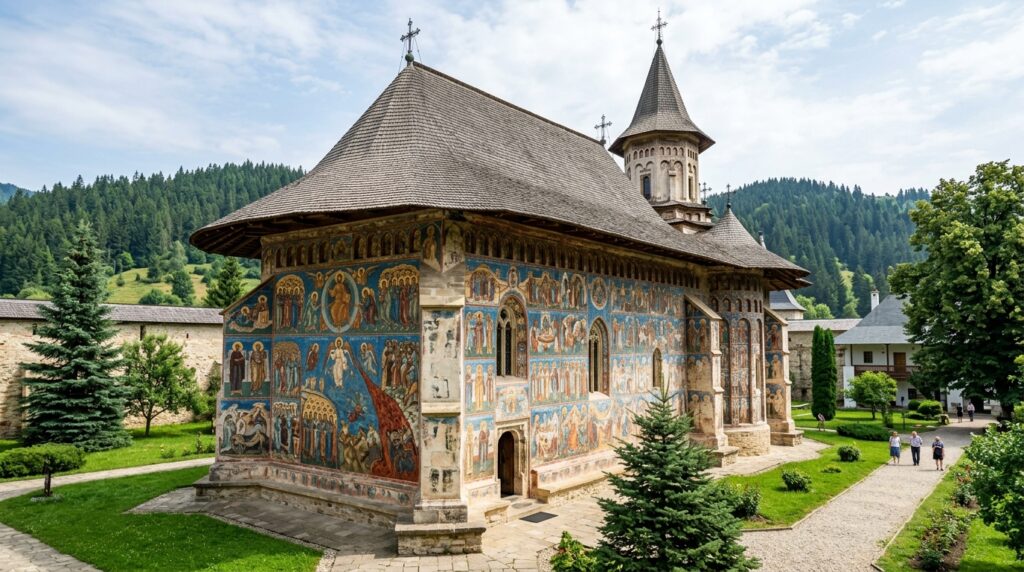
Though technically located in Northern Moldavia rather than Transylvania proper, the painted monasteries are an absolute must-see for anyone exploring Romania. These UNESCO-listed sites are famous for their extraordinary exterior frescoes that cover the church walls, depicting vivid scenes from the Bible and religious history.
The “Sistine Chapel of the East”
Voronet Monastery is the most famous of these painted monasteries, renowned for its stunning blue frescoes that have earned it the nickname “The Sistine Chapel of the East.” The unique “Voronet Blue” pigment has remarkably withstood centuries of weather exposure, maintaining its vibrant intensity.
Other Remarkable Monasteries:
- Sucevița: Features the largest collection of exterior frescoes
- Moldovița: Known for its well-preserved paintings and charming setting
- Humor: Smaller but equally beautiful with red-toned frescoes
- Arbore: Features unique green tones in its artwork
Visiting Information:
- Location: Approximately 2-3 hours drive from Transylvania
- Time Needed: Full day trip or overnight stay recommended
- Entrance Fees: 10-15 RON per monastery
- Photography: Generally not permitted inside
Artistic Heritage
These monasteries were built and painted between the 15th and 16th centuries during the reign of Stephen the Great and his successors. The exterior frescoes served both decorative and educational purposes, teaching biblical stories to the largely illiterate population of the time.
4. Visit the Medieval Town of Brașov
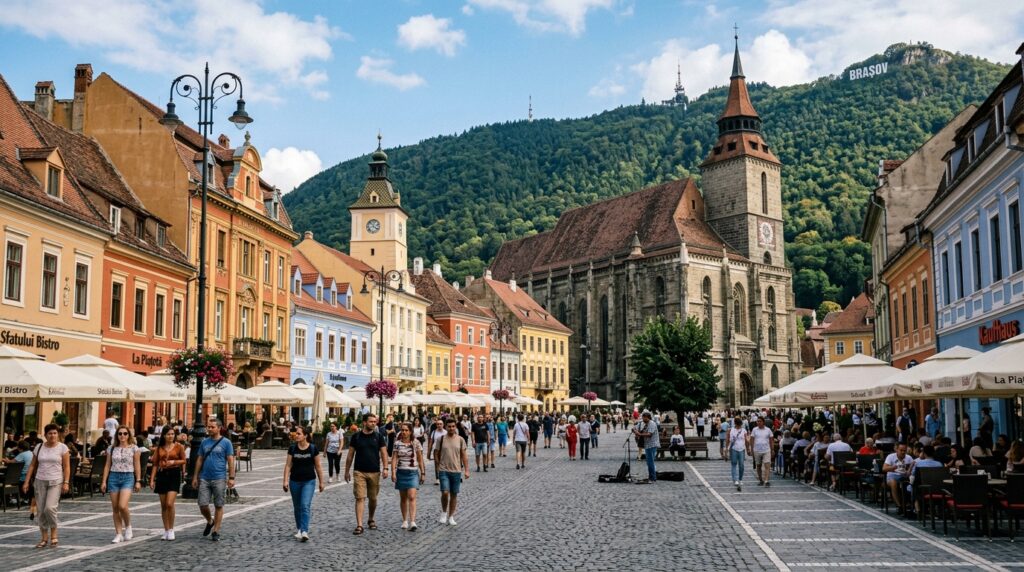
Located at the foot of the Carpathian Mountains, Brașov is a charming medieval town that perfectly blends history, architecture, and natural beauty. As one of Transylvania’s largest cities, Brașov serves as an excellent base for exploring the region while offering plenty of attractions within the city itself.
Top Attractions in Brașov
The Black Church (Biserica Neagră) This Gothic masterpiece, built in the 14th century, is Romania’s most important Gothic monument. The church earned its name from the scorch marks left by the great fire of 1689. Inside, you’ll find an impressive collection of Oriental carpets and a magnificent 4-ton organ.
Council Square (Piața Sfatului) The heart of Brașov’s old town features beautiful baroque buildings, outdoor cafes, and the iconic Council House. This vibrant square hosts markets, festivals, and events throughout the year.
Other Must-See Sites:
- Rope Street (Strada Sforii): One of Europe’s narrowest streets
- Black Tower and White Tower: Medieval defensive towers
- Șcheii Brașovului: Historic Romanian quarter
- First Romanian School: Museum showcasing early Romanian education
Gateway to Adventure
Brașov serves as a perfect launching point for numerous Transylvanian attractions:
- Bran Castle: Only 30 km away
- Poiana Brașov: Popular ski resort 12 km from the city
- Râșnov Citadel: Medieval fortress 15 km away
- Piatra Craiului National Park: 50 km for hiking enthusiasts
Best Time to Visit: The city is beautiful year-round, but spring and fall offer pleasant weather and fewer crowds.
3. Take a Tour of Turda Salt Mine
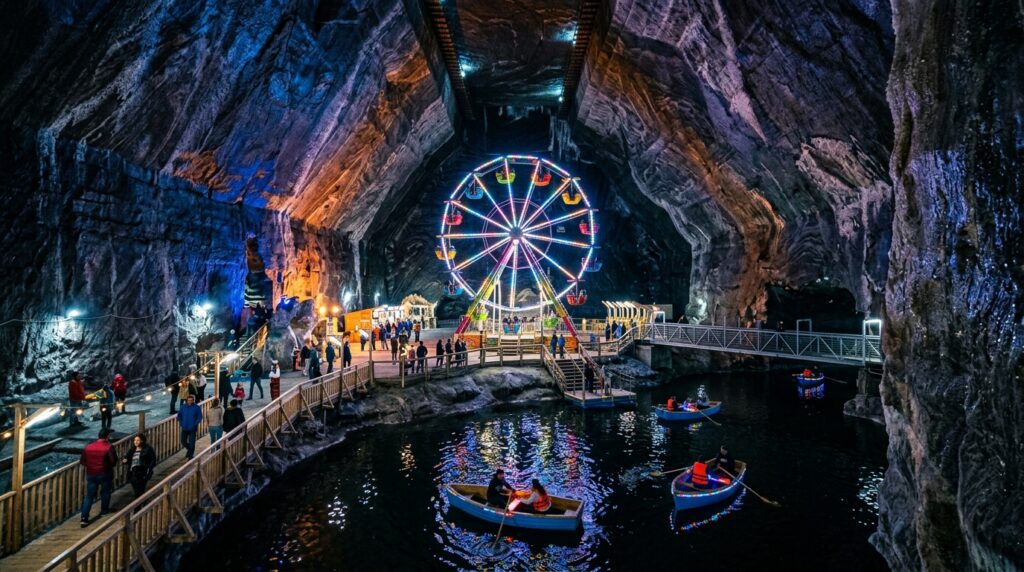
One of the most unique and surreal attractions in Transylvania is the Turda Salt Mine (Salina Turda). Located near the town of Turda, this massive former salt mine has been transformed into a fascinating underground amusement park and museum that defies expectations.
An Underground Wonderland
Descending into Turda Salt Mine feels like entering another world. The mine features:
Attractions Include:
- Franz Josef Mine: Massive chamber with a Ferris wheel
- Rudolf Mine: Home to a mini-golf course and bowling alley
- Terezia Mine: Features an underground lake with rowboat rentals
- Antim Mine: Spectacular stalactite formations
- Salina Museum: Exhibits on salt mining history
Engineering Marvel The mine represents a remarkable feat of engineering, with chambers carved 120 meters below the surface. The constant temperature of 10-12°C (50-54°F) and the salt-rich air create a unique microclimate that some claim has therapeutic benefits.
Visiting Information:
- Opening Hours: Generally 9:00-17:00 (varies by season)
- Entrance Fee: Approximately 30-40 RON for adults
- Time Needed: 2-3 hours to explore fully
- Accessibility: Elevator access available; some walking required
What Makes It Special: Beyond the amusement park features, the mine offers a surreal atmosphere as you descend into the earth’s depths. The sheer scale of the chambers, the play of light on salt walls, and the unique acoustic properties create an unforgettable experience.
Pro Tip: Wear comfortable shoes and bring a light jacket—the underground temperature remains cool year-round.
2. Go Wine Tasting in Transylvania
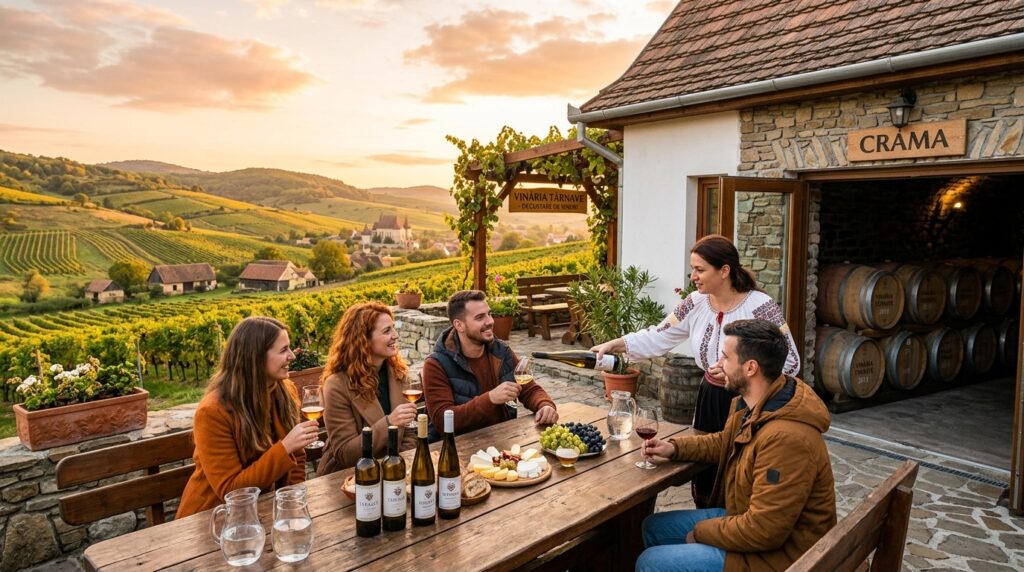
Transylvania is home to exceptional wines, particularly those produced in the Târnave region. This area has been cultivating grapes since Roman times, and today it’s home to several vineyards and wineries offering immersive wine-tasting experiences.
Transylvanian Wine Regions
Târnave Wine Region The Târnave region, with its rolling hills and favorable climate, produces some of Romania’s finest white wines. The area’s Saxon heritage influenced winemaking traditions that continue today.
Wine Varieties to Try:
- Fetească Regală: Romania’s signature white grape
- Tămâioasă Românească: Aromatic white wine
- Fetească Neagră: Indigenous red grape
- Merlot and Cabernet Sauvignon: International varieties
Recommended Wineries:
- Jidvei Winery: One of Romania’s largest and most prestigious
- Cramele Recaș: Modern winery with excellent tours
- Domaine Bogdan: Boutique winery with organic practices
- Villa Vinea: Small family-owned operation
Wine Tasting Experience: Most wineries offer guided tours that include:
- Vineyard walks explaining grape cultivation
- Cellar tours showcasing winemaking processes
- Tasting sessions (typically 4-6 wines)
- Food pairings with local cheeses and traditional dishes
- Duration: 2-4 hours
- Cost: 50-150 RON depending on winery and package
Cultural Connection
Visiting a Transylvanian winery offers more than just wine—it’s an opportunity to experience local culture, enjoy delicious regional cuisine, and take in the beautiful scenery of vineyards set against mountain backdrops.
Best Time for Wine Tourism: Harvest season (September-October) offers special events and festivals, though tastings are available year-round.
1. Explore the Haunted Forest of Hoia Baciu
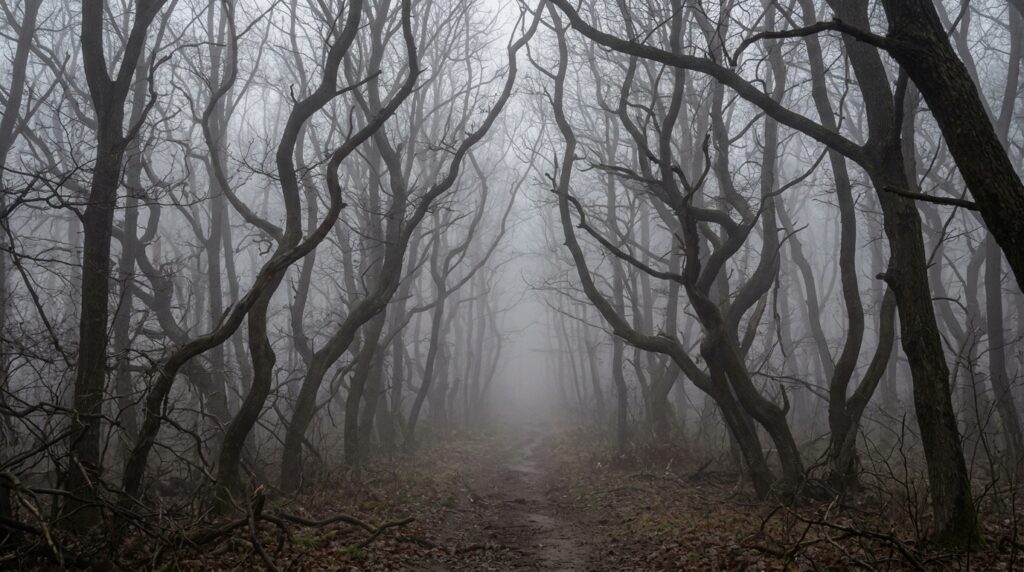
For those who love mystery and the unexplained, Hoia Baciu Forest is an absolute must-visit. Located near Cluj-Napoca, this eerie woodland has earned the nickname “The Bermuda Triangle of Transylvania” due to its reputation for strange phenomena and paranormal activity.
The Mystery of Hoia Baciu
Reported Phenomena:
- Unexplained lights and orbs captured on camera
- Reports of people disappearing (and reappearing with no memory of time lost)
- Electronic devices malfunctioning
- Feelings of nausea, anxiety, and being watched
- Bizarre tree growth patterns
- UFO sightings
The Clearing The forest’s most famous feature is a perfectly circular clearing where, legend has it, nothing will grow. Visitors report strange sensations and electromagnetic anomalies in this area.
Visiting the Forest
Practical Information:
- Location: Approximately 5 km from Cluj-Napoca city center
- Access: Can be reached by car, taxi, or hiking
- Best Time: Daylight hours for safety; guided tours available
- Duration: 2-3 hours for exploration
- Cost: Free to enter; guided tours approximately 50-100 RON
Guided Tours Several companies offer guided paranormal tours of the forest, providing historical context, sharing local legends, and taking visitors to the most reportedly haunted spots. These tours often include equipment for paranormal investigation.
Fact vs. Fiction
Whether you believe in ghosts and paranormal activity or not, Hoia Baciu Forest offers a fascinating experience. The forest’s eerie atmosphere, unusual tree formations, and rich folklore make it a unique destination that appeals to skeptics and believers alike.
What Visitors Say: Many report feeling uneasy or experiencing unexplained sensations, while others simply enjoy a peaceful walk in an unusual forest. The psychological power of suggestion certainly plays a role, but the forest’s strange reputation adds an undeniable thrill to any visit.
Pro Tip: Visit during the day if you’re easily spooked, or join an evening paranormal tour for the full eerie experience.
Essential Travel Information
Best Time to Visit Transylvania
Optimal Seasons:
- Spring (April-May): Pleasant temperatures (15-20°C/59-68°F), blooming flowers, fewer crowds.
- Summer (June-August): Warm weather (20-25°C/68-77°F), ideal for hiking, peak tourist season.
- Fall (September-October): Beautiful foliage, comfortable temperatures, harvest festivals.
- Winter (November-March): Cold and snowy, perfect for Christmas markets and skiing
Weather Considerations: The warmest months are July and August, though these are also the most popular and crowded. For pleasant weather with fewer tourists, consider visiting in May or September.
Transportation Tips
Getting to Transylvania:
- By Air: Fly into Cluj-Napoca, Sibiu, or Târgu Mureș airports; Bucharest is 3-4 hours away
- By Train: Romanian Railways (CFR) connects major cities; scenic but can be slow
- By Bus: Flixbus and local buses offer affordable connections between cities www.facebook.com
Getting Around:
- Rental Car: Most flexible option; allows access to remote areas
- Public Transport: Buses and trains connect major towns but schedules can be limited
- Organized Tours: Great for visiting multiple attractions without driving
- Taxi/Rideshare: Available in cities; negotiate prices for longer distances
Driving Tips:
- International Driving Permit recommended
- Roads in good condition but mountain roads can be challenging
- Fuel stations readily available in towns
Food Recommendations
Traditional Transylvanian Dishes:
Savory Specialties:
- Tocăniță Ardelenescă: Hearty potato and meat stew
- Ciolan cu Fasole: Smoked pork knuckle with beans
- Sarmale: Cabbage rolls stuffed with meat and rice
- Mici: Grilled caseless sausages, perfect street food
- Papricaș: Veal or chicken stew with peppers and paprika
Sweet Treats:
- Kürtőskalács (Chimney Cake): Traditional Transylvanian pastry
- Plăcinte: Cheese or apple-filled pastries
- Cozonac: Sweet bread with nuts and cocoa
Where to Eat:
- Traditional Restaurants (Cârciumă): Authentic atmosphere and local dishes
- Farm-to-Table Establishments: Fresh, locally-sourced ingredients
- Street Food Markets: Try mici and other quick bites
- Wine Bars: Pair local wines with traditional cheeses
Dining Tips:
- Lunch is typically the main meal (12:00-14:00)
- Dinner served from 19:00 onwards
- Tipping 10% is customary for good service
Sample 7-Day Transylvania Itinerary
Day 1: Arrival in Brașov
- Morning: Arrive, check into accommodation
- Afternoon: Explore Council Square and Black Church
- Evening: Traditional dinner in old town
Day 2: Bran Castle & Râșnov
- Morning: Visit Bran Castle (arrive early to avoid crowds)
- Afternoon: Explore Râșnov Citadel
- Evening: Return to Brașov
Day 3: Peleș Castle & Sinaia
- Morning: Drive to Sinaia (45 minutes)
- Afternoon: Tour Peleș Castle and monastery
- Evening: Return to Brașov or continue to Sighișoara
Day 4: Sighișoara
- Full day exploring the medieval citadel
- Visit Vlad Dracul’s House and Clock Tower
- Evening in Sighișoara or drive to Sibiu
Day 5: Sibiu & Fortified Churches
- Morning: Explore Sibiu’s old town
- Afternoon: Visit Biertan fortified church
- Evening: Return to Sibiu
Day 6: Turda Salt Mine & Cluj-Napoca
- Morning: Descend into Turda Salt Mine
- Afternoon: Drive to Cluj-Napoca, city tour
- Evening: Optional Hoia Baciu Forest visit
Day 7: Departure or Extension
- Morning: Additional Cluj exploration or wine tasting
- Afternoon: Departure or continue to Maramureș/Bucovina
Budget Considerations
Accommodation:
- Budget hostels: 50-100 RON/night
- Mid-range hotels: 200-400 RON/night
- Luxury hotels: 500+ RON/night
Food:
- Street food/quick meals: 20-40 RON
- Traditional restaurant meal: 50-100 RON
- Fine dining: 150+ RON
Attractions:
- Castle entries: 30-75 RON
- Museum entries: 10-30 RON
- Guided tours: 100-300 RON
Transportation:
- Rental car: 100-200 RON/day
- Bus between cities: 30-80 RON
- Train: 40-100 RON
Cultural Highlights & Etiquette
Cultural Experiences:
- Traditional Festivals: Summer months feature numerous folk festivals
- Orthodox Churches: Dress modestly when visiting (covered shoulders and knees)
- Village Life: Rural areas offer authentic glimpses of traditional Romanian life
- Craft Markets: Purchase handmade pottery, textiles, and woodwork
Language:
- Romanian is the official language
- English widely spoken in tourist areas and by younger generations
- Learning basic Romanian phrases appreciated by locals
Tipping:
- Restaurants: 10% for good service
- Taxis: Round up to nearest 5-10 RON
- Tour guides: 20-50 RON depending on tour length
Conclusion
Transylvania is a region that captivates the imagination and rewards curious travelers with unforgettable experiences. From the Gothic splendor of Bran Castle to the medieval charm of Sighișoara, from the natural beauty of the Carpathian Mountains to the mysterious atmosphere of Hoia Baciu Forest, this corner of Romania offers something for every type of traveler.
Whether you’re drawn by the legends of Dracula, the allure of well-preserved medieval towns, the promise of outdoor adventure, or simply the desire to explore somewhere truly unique, Transylvania delivers an authentic and enchanting travel experience. The region’s rich cultural heritage, stunning landscapes, and warm hospitality make it a destination that will linger in your memory long after you’ve returned home.
So pack your bags, bring your sense of adventure, and prepare to discover the magic of Transylvania. This remarkable region awaits, ready to share its stories, secrets, and timeless beauty with those willing to explore.
Ready to plan your Transylvanian adventure? Start by choosing your must-see attractions, booking accommodation in advance (especially for summer visits), and deciding whether to rent a car or join organized tours. Whatever approach you choose, Transylvania promises an unforgettable journey through history, legend, and natural splendor.