
Ready for an adventure like no other? Madagascar isn’t just a destination—it’s a living, breathing wonderland where evolution took a different path, creating an island unlike anywhere else on Earth. From the haunting calls of indri lemurs echoing through ancient rainforests to the surreal silhouettes of thousand-year-old baobab trees against golden sunsets, this island nation offers experiences that will transform the way you see our planet.
Whether you’re trekking through pristine rainforests, discovering world-class beaches, or immersing yourself in vibrant Malagasy culture, Madagascar promises memories that will last a lifetime. Let’s dive into everything you need to know to plan your perfect Malagasy adventure in 2026.
Why Madagascar Should Be Your Next Destination
Madagascar, often called the “Eighth Continent,” separated from mainland Africa over 160 million years ago, allowing its flora and fauna to evolve in extraordinary isolation. The result? Over 90% of Madagascar’s wildlife exists nowhere else on Earth. With over 100 species of lemurs, bizarre chameleons that fit on your fingertip, and landscapes ranging from moon-like limestone pinnacles to pristine tropical beaches, this island delivers diversity that few destinations can match.
The best part? Madagascar remains relatively untouched by mass tourism, offering authentic experiences and genuine connections with local communities. According to travel experts, the ideal time to explore is during the dry season from May to October, when roads are passable and wildlife viewing is at its peak.
10 Unmissable Experiences in Madagascar
1. Witness the Magical Avenue of the Baobabs
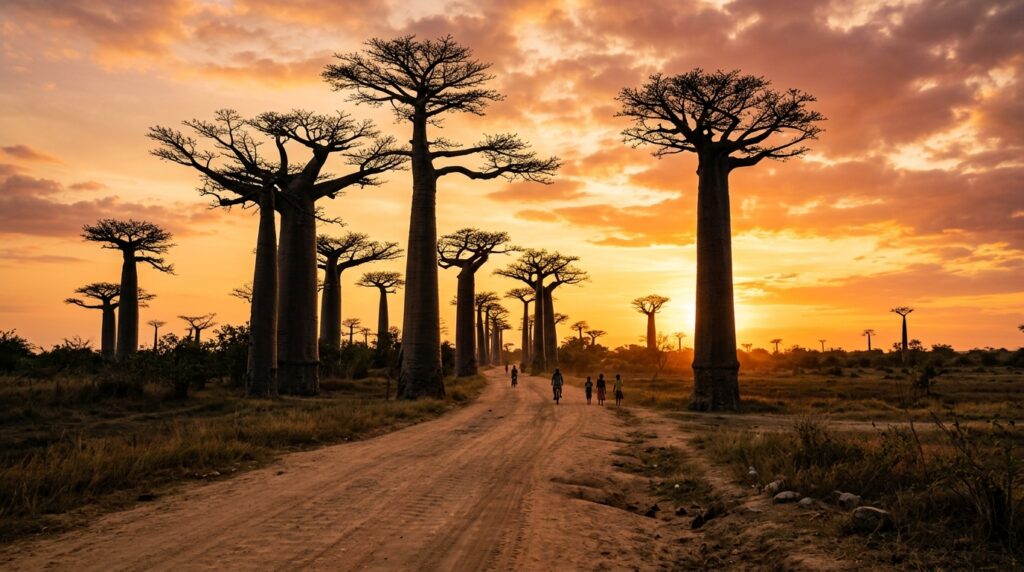
No Madagascar itinerary is complete without visiting the country’s most iconic landmark. The Avenue of the Baobabs is a surreal landscape that seems transported from another planet. This striking dirt road is lined with towering Grandidier’s baobab trees, some standing over 800 years old with immense bulbous trunks reaching 30 meters high.
Best Time to Visit: The avenue transforms throughout the day. Sunrise offers peaceful solitude with soft morning light, while sunset draws crowds for good reason—the golden hour casts dramatic shadows and creates an unforgettable spectacle. For photographers and those seeking tranquility, early morning provides the best experience with fewer visitors.
Getting There: Located on Madagascar’s western coast near Morondava, the avenue requires a 4×4 vehicle, especially during rainy season. The journey from Antananarivo takes 8-10 hours, so plan for an overnight stop or domestic flight to Morondava.
Pro Tip: Visit three times if possible—sunrise, midday, and sunset—to experience completely different atmospheres. The baobabs take on an entirely new life after dark, silhouetted against a star-filled sky in a truly magical display.
2. Encounter Lemurs in Andasibe-Mantadia National Park
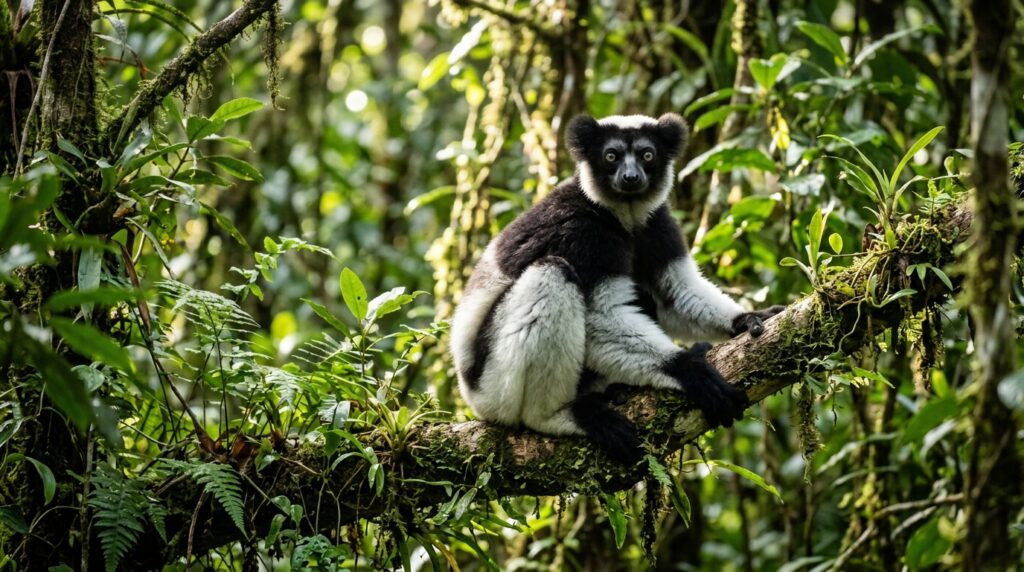
Just 3-4 hours from the capital Antananarivo lies one of Madagascar’s most accessible and rewarding national parks. Andasibe-Mantadia is a treasure trove of biodiversity, home to the largest lemur species—the indri—whose haunting, whale-like calls echo through the forest at dawn.
What You’ll See: The park hosts 11+ lemur species including brown lemurs, grey bamboo lemurs, woolly lemurs, and if you’re lucky, the elusive aye-aye on night walks. Beyond lemurs, spot colorful chameleons, rare frogs, and dazzling tropical birds among the dense, lush foliage.
Duration: Plan 2-3 days minimum. Morning hikes (starting at 6 AM) offer the best lemur sightings when they’re most active.
Unique Experience: The indri’s territorial calls are audible from kilometers away—your guide will help you locate these magnificent primates for close encounters in their natural habitat.
3. Navigate the Otherworldly Tsingy de Bemaraha
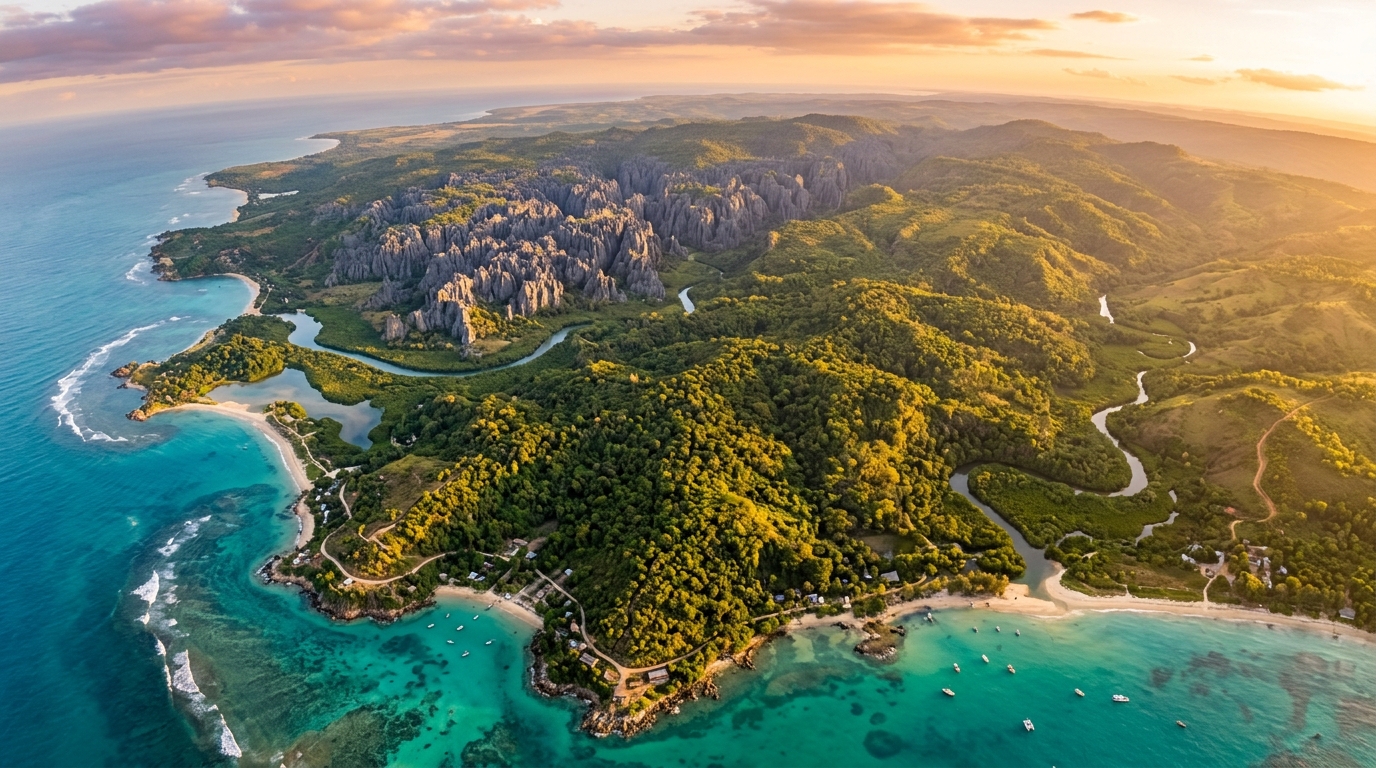
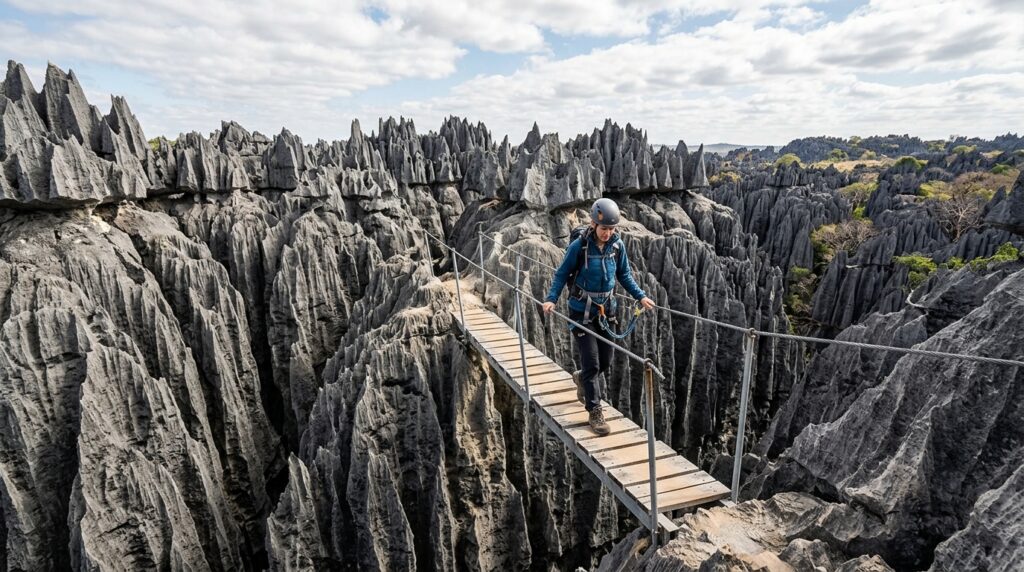
For adventurers seeking something truly extraordinary, Tsingy de Bemaraha National Park delivers an experience found nowhere else on Earth. This UNESCO World Heritage site features “tsingy” (meaning “where one cannot walk barefoot”)—a labyrinth of razor-sharp limestone pinnacles rising dramatically from the ground.
The Adventure: Trek through narrow canyons, cross hanging bridges suspended over abysses, and climb via ferrata routes through this stone forest. The park offers both small tsingy (easier, 2-3 hours) and large tsingy (challenging, 4-5 hours) routes.
Wildlife Bonus: Beyond the spectacular geology, spot decken’s sifakas, lemurs, bats, and diverse bird species among the limestone towers.
Access: Requires 4×4 vehicle and is best visited May-October. The journey from Antananarivo takes 2-3 days each way, or fly to Maintirano then drive.
4. Paradise Found on Nosy Be Island
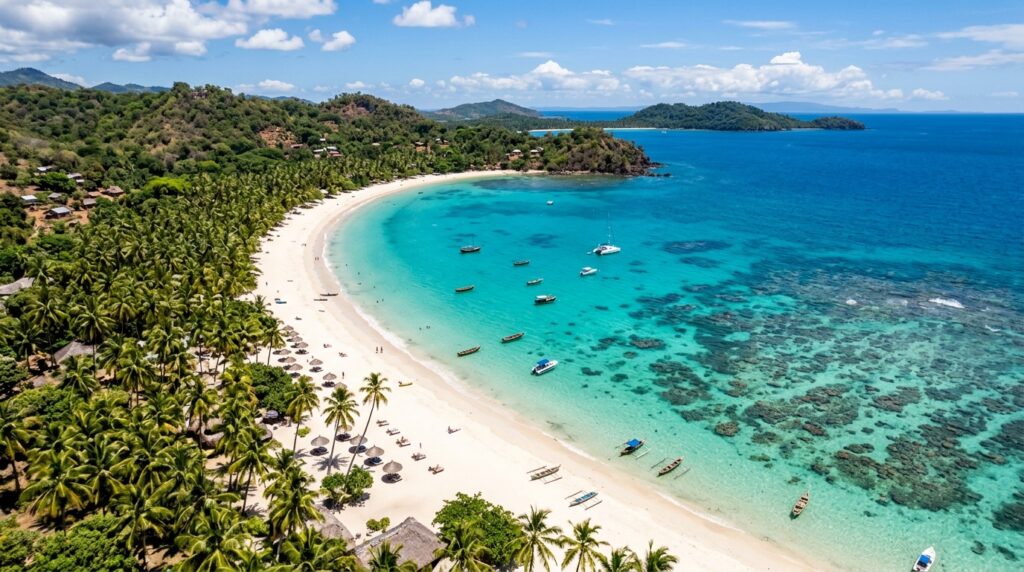
Escape to Nosy Be, Madagascar’s fragrant island paradise off the northwest coast. Known as the “Big Island” in Malagasy, this tropical haven combines pristine beaches, crystal-clear waters, and vibrant coral reefs perfect for snorkeling and diving.
Top Beaches:
- Andilana Beach: White sand, turquoise water, ideal for swimming
- Ambatoloaka Beach: Lively with restaurants and water sports
- Nosy Iranja: Secluded sandbar connecting two islands, perfect for day trips www.getyourguide.com
Beyond the Beach: Explore Lokobe National Park’s pristine rainforest, home to black lemurs and panther chameleons. Visit nearby Nosy Komba for traditional villages and ylang-ylang plantations.
Duration: 4-5 days minimum to fully relax and explore.
5. Trek Through Isalo National Park’s Dramatic Landscapes
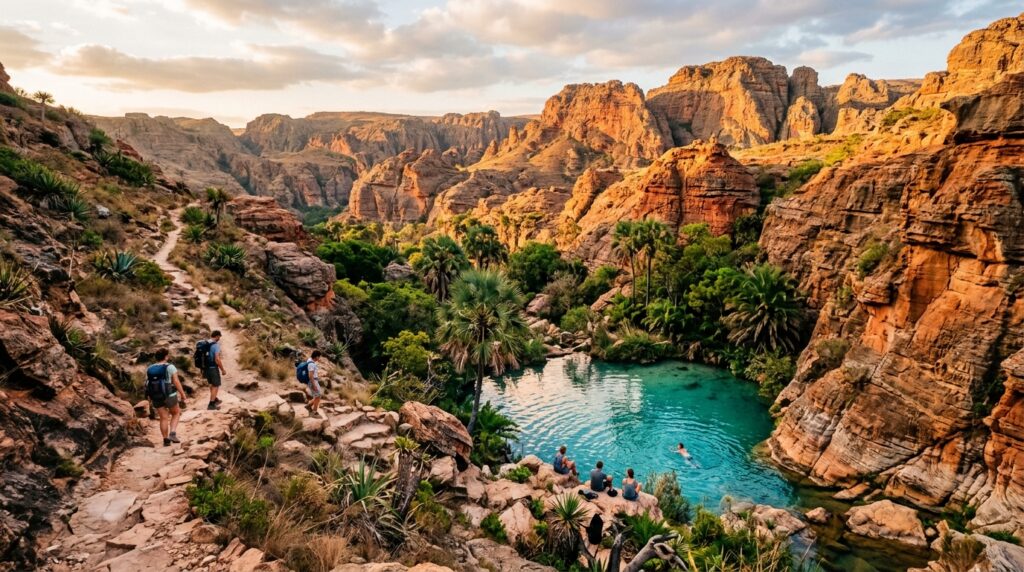
Often called Madagascar’s “Grand Canyon,” Isalo National Park showcases dramatic sandstone cliffs, deep canyons, and lush oasis pools in a rugged, desert-like terrain.
Best Hikes:
- Natural Pools Circuit (5.1 km): Hike through canyons to refreshing natural swimming pools, 3-4 hours moderate difficulty.
- Window of Isalo: Reach the famous natural rock window for sunset views
- Portuguese Cave Route: Multi-day expedition for serious trekkers.
Wildlife: Spot ring-tailed lemurs, sifakas, and diverse bird species against the dramatic red rock backdrop.
Duration: 2-3 days allows time for multiple hikes and exploration.
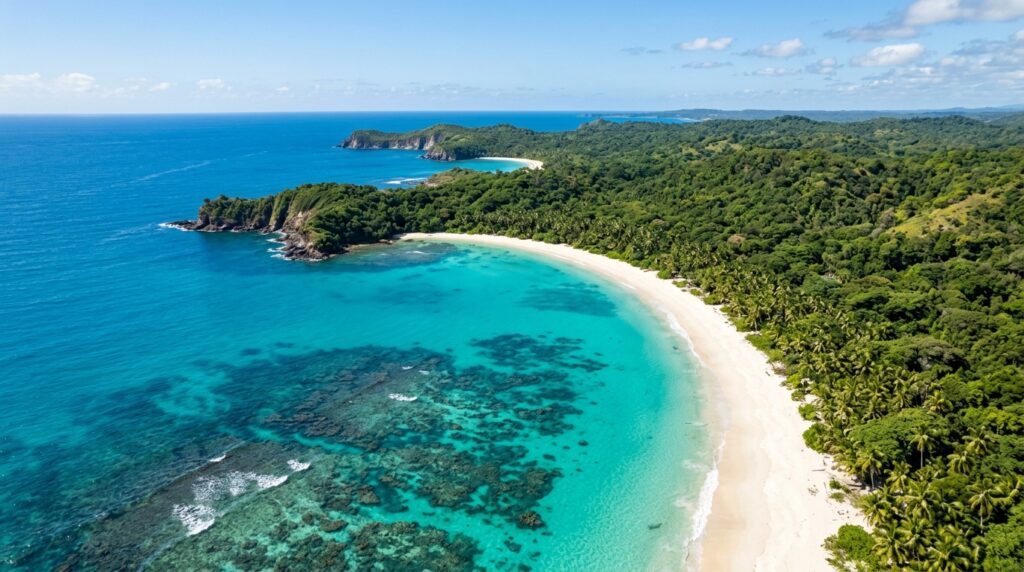
6. Discover Madagascar’s Pristine Beaches
While wildlife draws many visitors, Madagascar’s coastline rivals the world’s best beach destinations. From Ifaty’s coral reefs in the south to Nosy Iranja’s secluded sands, the island offers 5,000 km of coastline with beaches largely untouched by mass tourism.
Must-Visit Coastal Areas:
- Ifaty/Anakao: Southwest coast, excellent for snorkeling and kite surfing
- Île Sainte-Marie: Whale watching (June-September), pristine beaches
- Nosy Iranja: Picture-perfect sandbar, crystal waters
Marine Life: Rich coral reefs teem with tropical fish, sea turtles, and dolphins. The best diving and snorkeling conditions run from September to November.
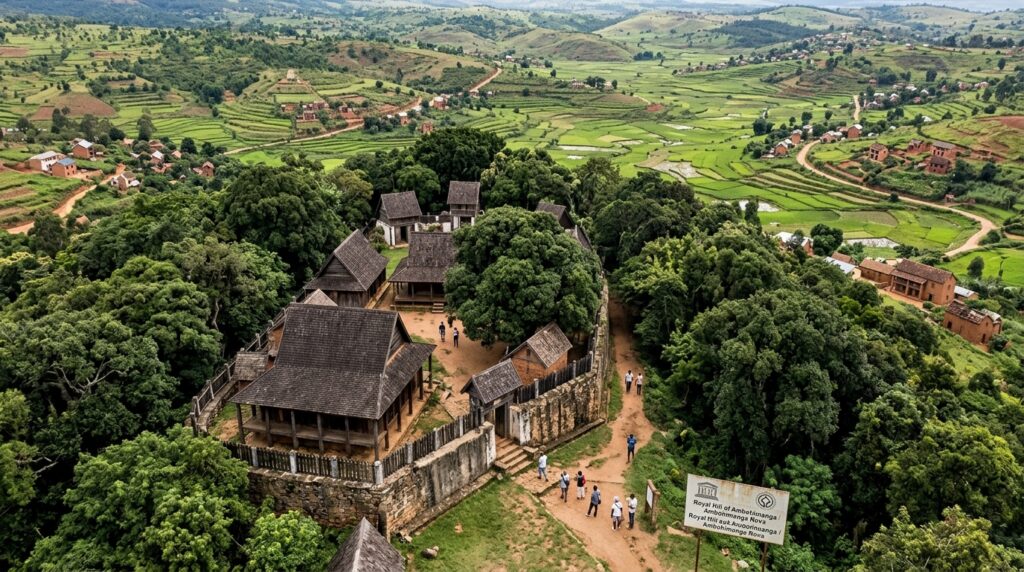
7. Explore Royal Hill of Ambohimanga
Step into Madagascar’s rich history at this UNESCO World Heritage site, located just 24 km from Antananarivo. The Royal Hill of Ambohimanga served as the spiritual and political center of the Merina Kingdom and remains a sacred site in Malagasy culture.
What to Explore:
- Royal palace and ancient burial grounds of Malagasy kings and queens
- Sacred forest with centuries-old trees
- Traditional architecture and artifacts
- Panoramic views of surrounding countryside
Cultural Significance: This site offers deep insight into pre-colonial Madagascar and continues to be a place of pilgrimage and reverence.
Duration: Half-day trip from the capital.
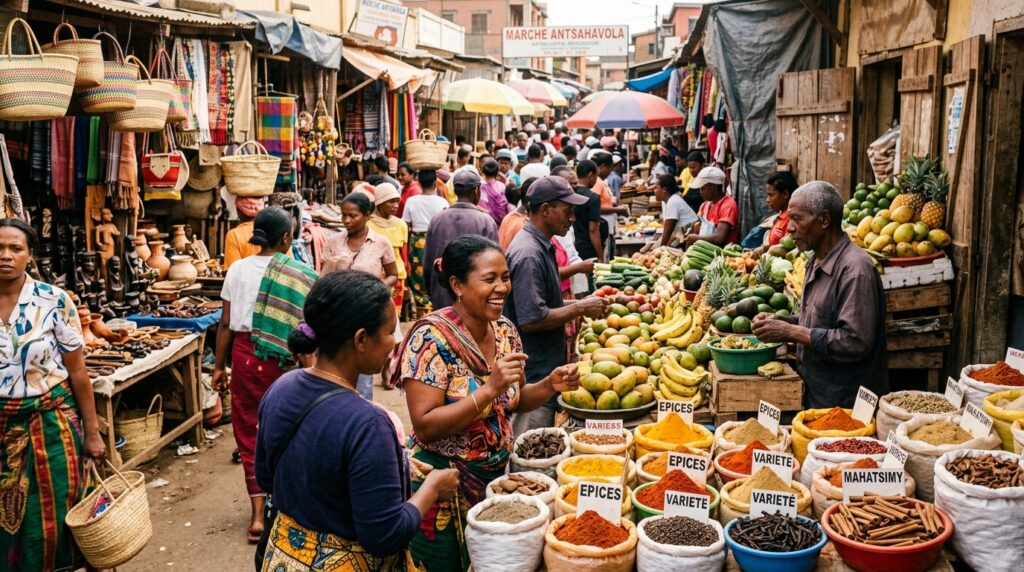
8. Immerse Yourself in Vibrant Markets and Villages
No Madagascar experience is complete without exploring the island’s bustling markets and charming villages. These vibrant spaces offer authentic glimpses into daily Malagasy life and incredible opportunities for cultural exchange.
Top Markets:
- Analakely Market (Antananarivo): Capital’s bustling central market with spices, crafts, and produce
- Zoma Market (Toamasina): Coastal market featuring fresh seafood and tropical fruits
- Local village markets: Smaller, authentic experiences in rural areas
What to Expect: Colorful stalls overflow with vanilla, cloves, handmade textiles, wood carvings, and fresh tropical produce. Friendly vendors welcome visitors, and the intoxicating aromas of spices create a sensory feast.
Cultural Tip: Practice basic Malagasy greetings, bargain respectfully, and always ask permission before photographing vendors.
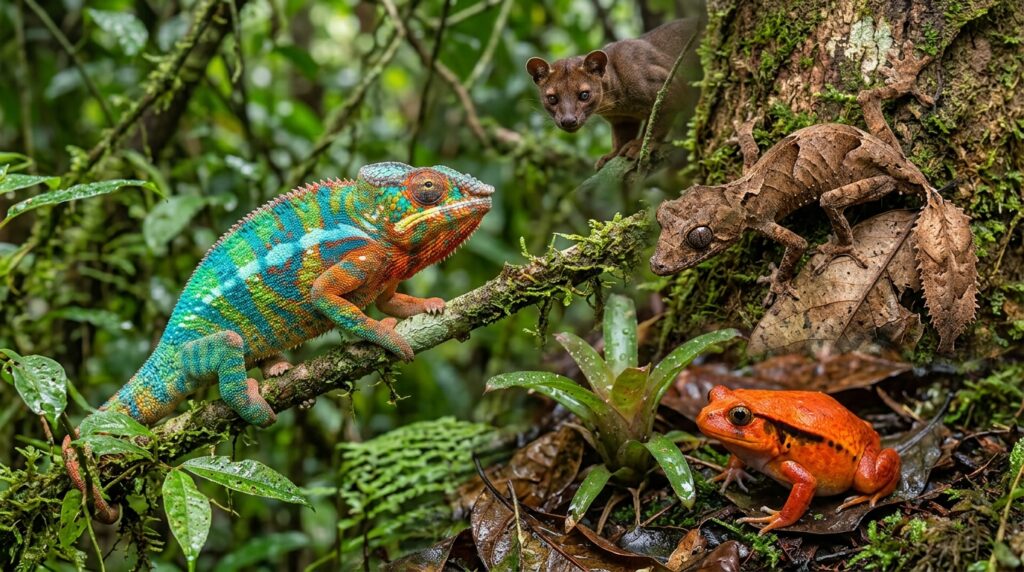
9. Experience Madagascar’s Unique Wildlife Beyond Lemurs
While lemurs steal the spotlight, Madagascar’s biodiversity extends far beyond these charismatic primates. The island hosts:
Must-See Species:
- Chameleons: From tiny Brookesia (world’s smallest) to massive Parson’s chameleon
- Fossa: Madagascar’s top predator, cat-like carnivore
- Radiated Tortoises: Critically endangered, stunning shell patterns
- Tomato Frogs: Bright orange amphibians
- Leaf-tailed Geckos: Masters of camouflage
Best Locations: Ranomafana National Park, Montagne d’Ambre, and private reserves like Berenty offer exceptional wildlife viewing.
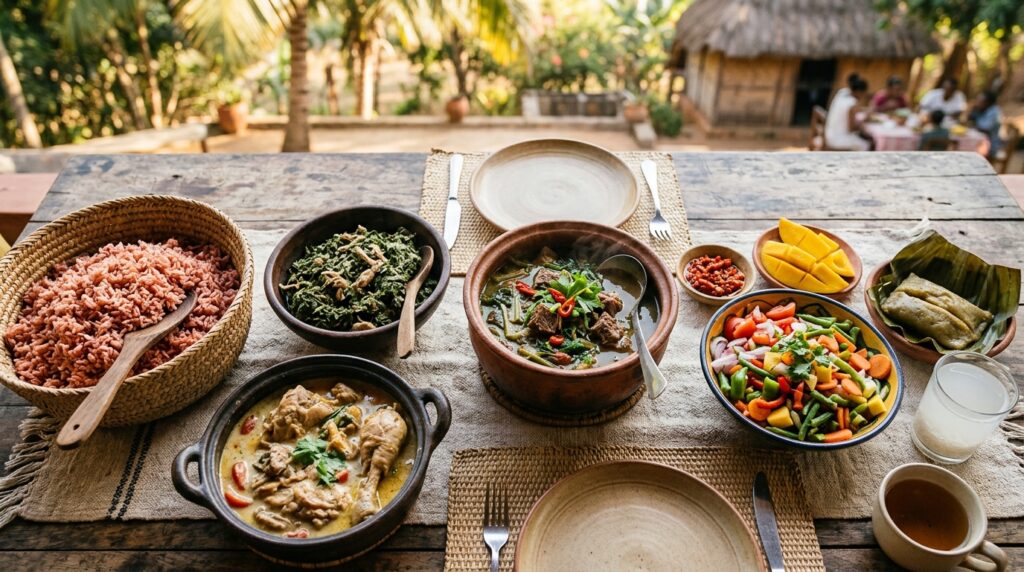
10. Savor Authentic Malagasy Cuisine
Madagascar’s cuisine reflects its diverse cultural influences—African, Asian, and European—creating unique flavors you won’t find anywhere else.
Must-Try Dishes:
- Romazava: National dish of beef or zebu with leafy greens and ginger
- Ravitoto: Crushed cassava leaves with pork, a comfort food staple
- Akoho sy voanio: Chicken cooked in coconut milk
- Lasary: Fresh pickled vegetable salad
- Mofo gasy: Traditional rice flour donuts, perfect breakfast snack
- Fresh seafood: Grilled lobster, prawns, and fish along the coast
Food Culture: Rice accompanies almost every meal (Madagascar is one of the world’s top rice consumers per capita). Don’t miss trying local rum (toaka gasy) and Madagascar’s world-famous vanilla.
Practical Travel Information
Best Time to Visit Madagascar
Dry Season (May-October): Ideal for travel with comfortable temperatures (22-27°C/72-81°F), minimal rainfall, and excellent wildlife viewing. This is peak season, so book accommodations in advance.
Wet Season (November-March): Hot, humid, and rainy with occasional cyclones. Some roads become impassable, but landscapes are lush and green, and it’s baby lemur season.
Shoulder Months (April & November): Good balance of decent weather and fewer crowds, though some rain is possible.
Getting Around Madagascar
Domestic Flights: Fastest option for long distances (Antananarivo to Nosy Be: 1.5 hours vs. 2 days overland). Book with Tsaradia or private carriers.
Private 4×4 with Driver: Most flexible and comfortable option. Essential for accessing remote parks. Expect 20-50 km/h average speeds on poor roads.
Taxi-Brousse (Bush Taxis): Budget-friendly but slow and uncomfortable. Depart when full, can take 2-3x longer than private transport. Arrive early morning to avoid long waits.
Pro Tips:
- Always build buffer days into your itinerary—delays are common
- Bring snacks, water, and entertainment for long journeys
- Avoid night travel on rural roads
- Rent satellite phone for remote areas
Suggested 14-Day Madagascar Itinerary
Days 1-3: Antananarivo & Andasibe-Mantadia
- Day 1: Arrive Antananarivo, explore Analakely Market
- Day 2: Drive to Andasibe (3-4 hours), afternoon lemur walk
- Day 3: Early morning indri tracking, return to capital
Days 4-6: Isalo National Park
- Day 4: Fly to Ihosy, transfer to Isalo
- Day 5: Natural pools circuit hike
- Day 6: Window of Isalo sunset, ring-tailed lemur spotting
Days 7-9: Avenue of the Baobabs & Morondava
- Day 7: Drive to Morondava (long day, 8-10 hours)
- Day 8: Sunset at Avenue of the Baobabs, explore coastal town
- Day 9: Sunrise baobabs, return journey or fly out
Days 10-14: Nosy Be Beach Relaxation
- Day 10: Fly to Nosy Be, settle into beach resort
- Day 11: Snorkeling at Nosy Tanikely marine reserve
- Day 12: Lokobe National Park black lemur trek
- Day 13: Day trip to Nosy Iranja sandbar
- Day 14: Beach relaxation, departure
Budget Considerations
Accommodation:
- Budget: $15-30/night (basic guesthouses)
- Mid-range: $50-100/night (comfortable lodges)
- Luxury: $150-400+/night (eco-lodges, beach resorts)
Daily Costs:
- Meals: $10-30/day depending on dining choices
- Park fees: $15-50/day per park
- Transport: $50-150/day for private 4×4 with driver
- Domestic flights: $100-250 per segment
Total Estimated Budget (14 days): $1,500-3,500 per person excluding international flights
Health & Safety
- Visa: Available on arrival (30-90 days, ~$35-40)
- Vaccinations: Yellow fever required if arriving from endemic area; hepatitis A, typhoid recommended
- Malaria: Prophylaxis recommended for most regions
- Water: Drink only bottled or treated water
- Currency: Malagasy Ariary (MGA); carry cash as cards rarely accepted outside major hotels
Cultural Etiquette
- Fady (Taboos): Respect local customs—certain foods, behaviors, or places may be forbidden
- Greetings: Always greet with “Manao ahoana” (hello) before asking questions
- Photography: Ask permission before photographing people, especially in rural areas
- Dress: Modest clothing respected, especially in villages and sacred sites
- Punctuality: “Malagasy time” is flexible—patience is essential
Final Thoughts: Your Madagascar Adventure Awaits
Madagascar isn’t just a destination—it’s a journey into one of Earth’s last great wildernesses. From the moment you hear an indri’s call echoing through misty rainforest to watching the sun set behind ancient baobabs, this island will captivate your heart and expand your understanding of our planet’s incredible diversity.
Yes, travel here requires patience and flexibility. Roads are challenging, infrastructure is basic, and things don’t always go according to plan. But that’s precisely what makes Madagascar so special. This is authentic adventure travel, where every day brings new discoveries and genuine connections with one of the world’s most unique cultures.
Whether you’re a wildlife enthusiast, beach lover, cultural explorer, or adventure seeker, Madagascar delivers experiences you simply cannot find anywhere else. The island’s fragile ecosystems and endemic species need responsible travelers who will respect and protect this natural treasure.
Ready to start planning? The best time to visit is now. Madagascar’s dry season from May to October offers ideal conditions, and 2026 is shaping up to be an exceptional year for sustainable tourism on the island.
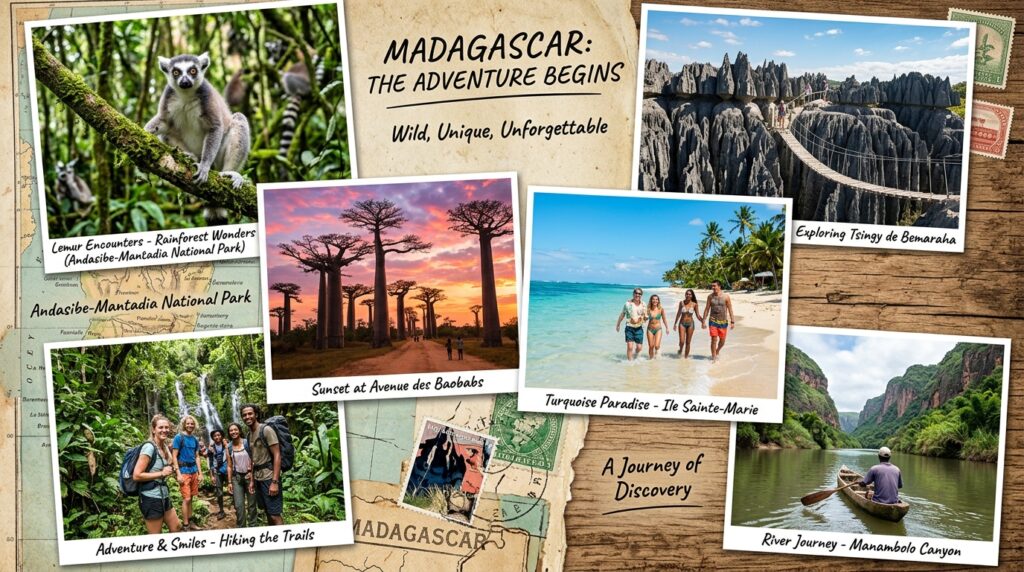
What aspect of Madagascar excites you most? The lemur encounters, baobab sunsets, pristine beaches, or cultural immersion? Share your thoughts and start dreaming of your own Malagasy adventure!
Visa requirements, flight schedules, and park regulations may change. Always verify current information with official sources before traveling. This guide was created with information current as of 2026.