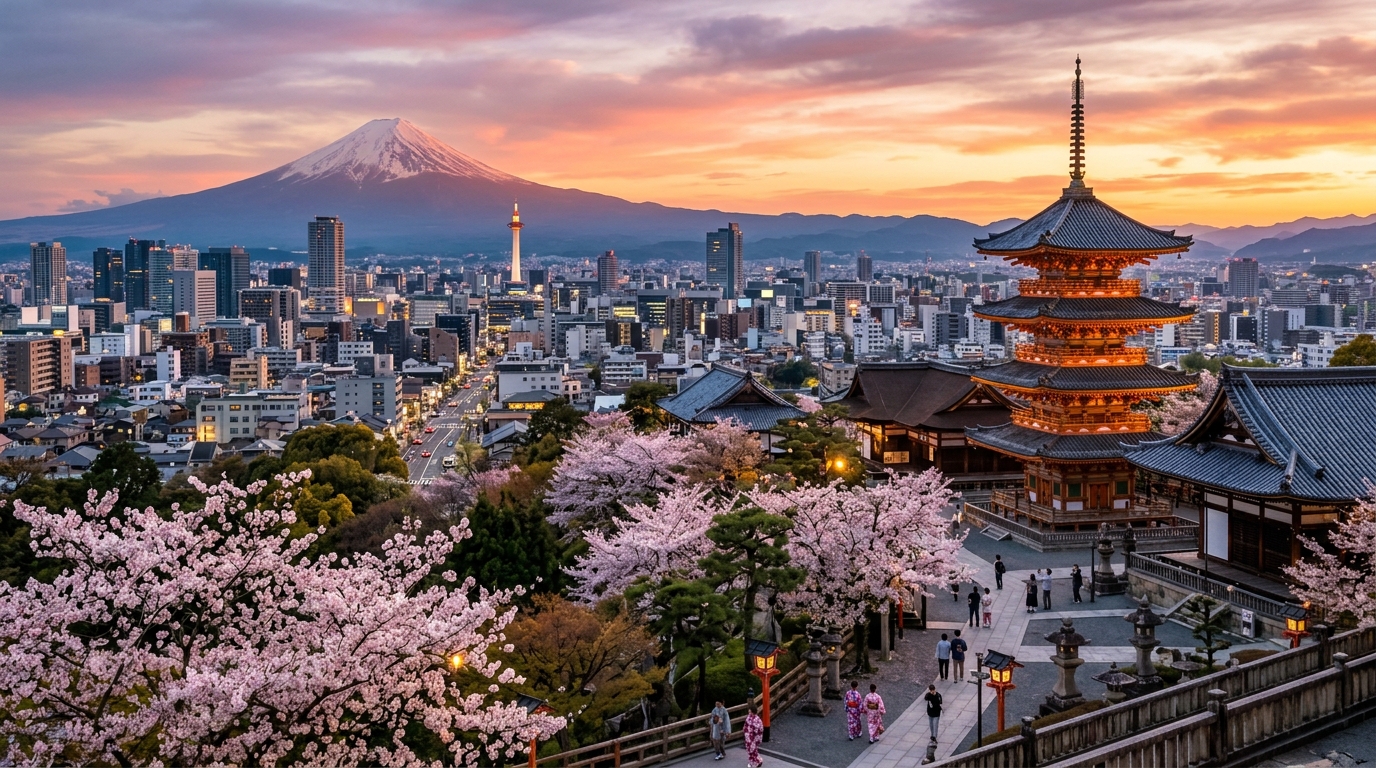

When travelers dream of Japan, images of Tokyo’s neon-lit streets, Kyoto’s ancient temples, and Mount Fuji’s majestic peak immediately come to mind. While these iconic destinations undoubtedly deserve their fame, Japan harbors a treasure trove of incredible cities that remain blissfully overlooked by the average tourist. These hidden gems offer everything that makes Japan special—rich history, breathtaking nature, world-class cuisine, and warm hospitality—often without the overwhelming crowds and inflated prices.
If you’re planning a trip to Japan in 2026 and seeking authentic experiences away from the well-trodden tourist trail, you’re in for a treat. This comprehensive guide reveals Japan’s 10 most underrated cities, each offering unique character, unforgettable experiences, and the chance to discover the real Japan. From volcanic landscapes in the south to samurai heritage in the north, let’s embark on a journey through these remarkable destinations.
10. Kagoshima: The City of Volcanoes and Samurai Legends
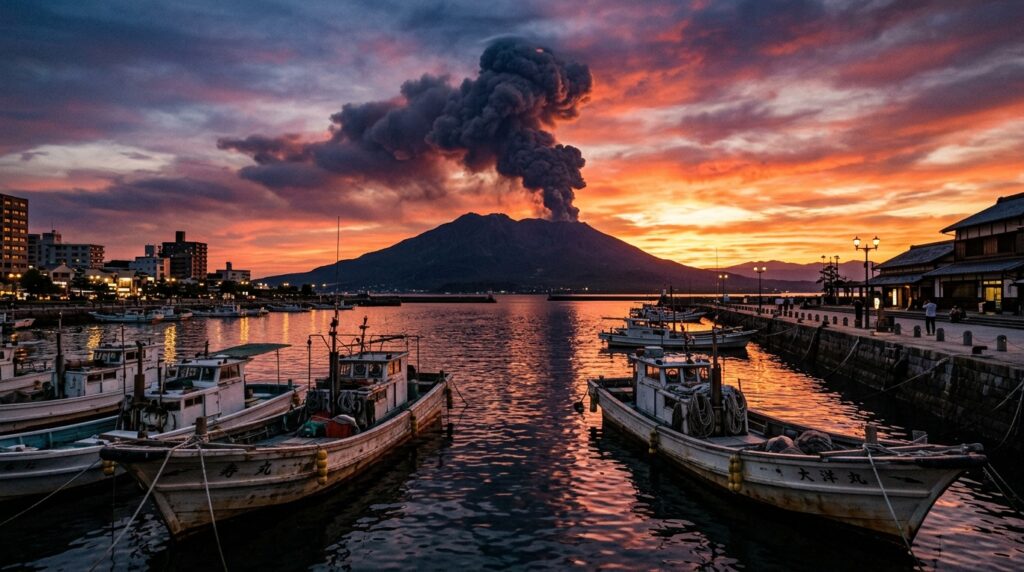
Located on the southern tip of Kyushu island, Kagoshima is often compared to Naples, Italy, thanks to its warm subtropical climate and the dramatic backdrop of Sakurajima, one of Japan’s most active volcanoes. Despite its stunning natural beauty and deep-rooted samurai history, Kagoshima remains surprisingly overlooked by international visitors.
What Makes Kagoshima Special
The city offers a rare combination of volcanic landscapes, historic sites, and exquisite cuisine that rivals any destination in Japan. The ever-present Sakurajima volcano, which frequently releases small eruptions, creates a constantly changing skyline and serves as a humbling reminder of nature’s power.
Must-Do Experiences:
- Sakurajima Ferry Ride: Take the 15-minute ferry across Kagoshima Bay to Sakurajima for just ¥160. Once there, explore volcanic hiking trails, visit the Yunohira Observatory, and soak in volcanic hot springs while watching ash clouds drift across the sky.
- Sengan-en Garden: This stunning 17th-century strolling garden, built by the Shimadzu samurai clan, offers breathtaking views of Sakurajima and features traditional tea houses, bamboo groves, and a Shinto shrine.
- Shiroyama Observatory: Hike or drive up to this hilltop viewpoint for panoramic sunset views over Kagoshima Bay and Sakurajima.
Food Highlights: Kagoshima’s cuisine is legendary, particularly its famous Kurobuta (black pork), known worldwide for its rich flavor and exceptional tenderness. Don’t miss:
- Kurobuta shabu-shabu at local restaurants like Kurobuta-ya
- Satsuma-age (sweet potato fish cakes), a regional specialty
- Shochu distillery tours to sample Kagoshima’s famous sweet potato spirit
Transportation Tips: Kagoshima is easily accessible via Shinkansen from Hakata (approximately 80 minutes) or by direct flights from Tokyo, Osaka, and other major cities. Within the city, the tram system is efficient and affordable.
Best Time to Visit: Spring (March-May) and autumn (October-November) offer pleasant temperatures between 15-25°C. Summer can be hot and humid, while winter remains mild compared to northern Japan.
9. Takamatsu: The Gateway to Japan’s Art Islands
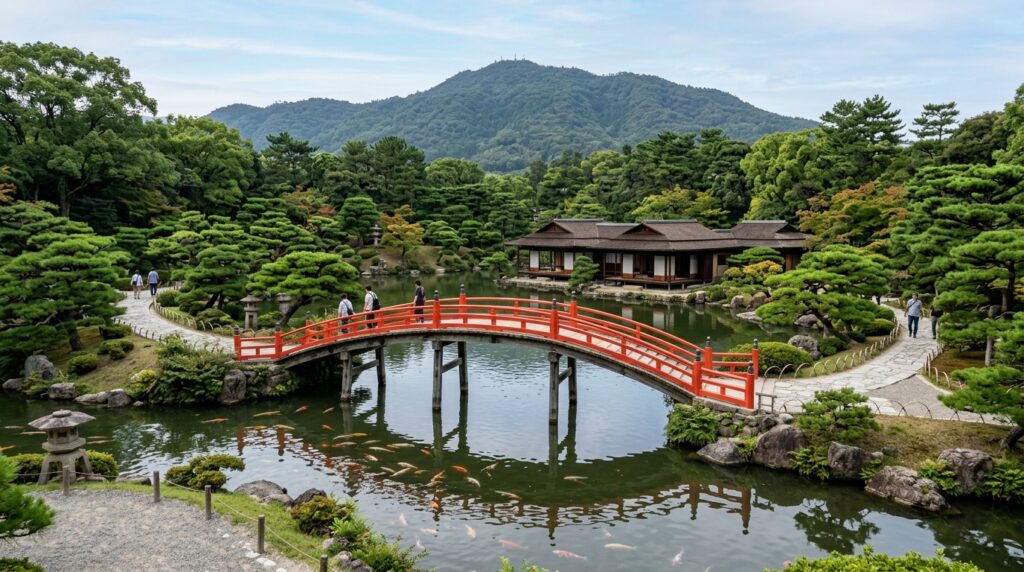
Situated on the island of Shikoku, Takamatsu serves as the perfect entry point to Japan’s famous Art Islands, including Naoshima and Teshima. These islands house some of the world’s most impressive contemporary art installations and museums, yet Takamatsu itself is a cultural treasure often bypassed by travelers.
Cultural Treasures Await
Ritsurin Garden stands as one of Japan’s most breathtaking landscape gardens, originally designed for feudal lords during the Edo period. This expansive garden features meticulously manicured pine trees, serene ponds, traditional tea houses, and stunning views that change dramatically with each season. Plan to spend at least 2-3 hours exploring this 75-hectare masterpiece.
Art Island Hopping: From Takamatsu’s port, you can easily reach:
- Naoshima: Home to the iconic yellow pumpkin sculpture, Benesse House Museum, and Chichu Art Museum
- Teshima: Featuring the breathtaking Teshima Art Museum
- Inujima: With its contemporary art installations in restored industrial buildings
Purchase an Art Island Pass for unlimited ferry access and museum entries.
Food Scene: Takamatsu is famous for Sanuki Udon, considered Japan’s finest udon noodles. The local wheat and climate create the perfect texture. Visit udon schools where you can make your own noodles, or tour the numerous udon shops scattered throughout the city.
Transportation: Takamatsu is accessible via JR Limited Express from Okayama (about 1 hour) or direct flights to Takamatsu Airport. The city is walkable, and bicycle rentals are available for exploring.
8. Kanazawa: Kyoto Without the Crowds
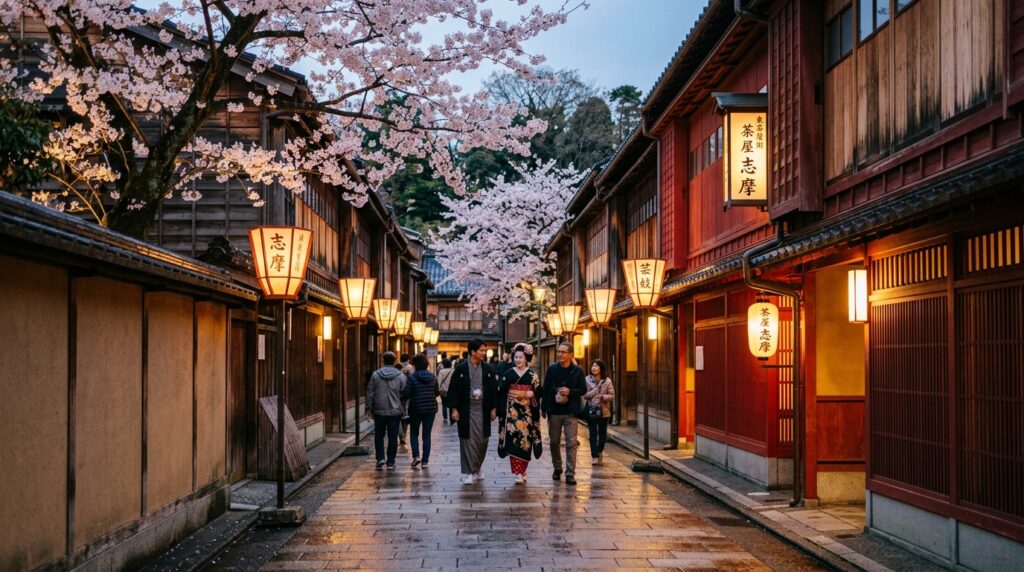
Kanazawa is often called “Little Kyoto” because of its well-preserved samurai districts, traditional tea houses, and stunning gardens. Unlike Kyoto, however, Kanazawa remains relatively free of overwhelming tourist crowds, allowing for a more immersive and authentic cultural experience.
Top Attractions
Kenrokuen Garden: Ranked as one of Japan’s top three most beautiful gardens, Kenrokuen offers a serene retreat filled with carefully arranged landscapes that transform dramatically with each season. The garden features a stunning fountain, traditional tea houses, and the iconic Kotoji Lantern. Allocate at least 2 hours to fully appreciate this 11.4-hectare masterpiece.
Higashi Chaya District: This preserved Edo-period entertainment district transports visitors back in time with its traditional wooden tea houses where geishas still perform. Wander the cobblestone streets, visit gold leaf shops (Kanazawa produces 99% of Japan’s gold leaf), and enjoy matcha and wagashi sweets in a historic setting.
21st Century Museum of Contemporary Art: This award-winning museum seamlessly blends traditional culture with modern creativity, featuring interactive installations and works by international artists. The famous swimming pool installation by Leandro Erlich is a must-see.
Culinary Delights: Seafood lovers will adore Omicho Market, often called “Kanazawa’s Kitchen.” Here you can indulge in:
- Fresh Kaisendon (seafood rice bowls) featuring some of the finest ingredients from the Sea of Japan
- Kanazawa curry, a thicker, darker variety
- Local sake tastings at numerous breweries
Getting There: Kanazawa is easily reached via the Hokuriku Shinkansen from Tokyo (approximately 2.5 hours) or from Kyoto/Osaka (about 2 hours). The city’s compact layout makes it perfect for walking or cycling.
Weather Considerations: Kanazawa experiences heavy snowfall in winter (December-February), creating a magical atmosphere but requiring proper clothing. Spring and autumn offer mild temperatures and beautiful seasonal colors.
7. Fukuoka: Japan’s Ramen Capital
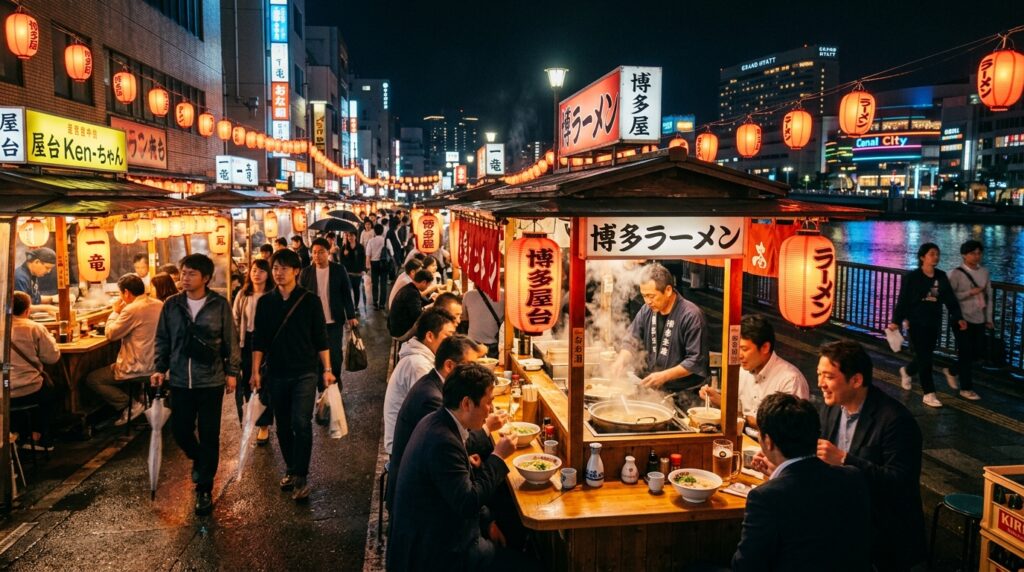
Located in southern Japan on Kyushu island, Fukuoka is widely considered the birthplace of Hakata Ramen—the rich, creamy pork bone broth noodle soup that has inspired countless ramen shops worldwide. Beyond its famous ramen, Fukuoka boasts a thriving food scene, vibrant nightlife, and a perfect blend of modern urban life and natural beauty.
Ramen Paradise
Yatai Street Food Culture: Fukuoka’s iconic yatai (open-air food stalls) line the Nakasu district and along the river, creating one of Japan’s most exciting street food scenes. These intimate stalls serve:
- Authentic Hakata tonkotsu ramen with thin noodles
- Yakitori (grilled chicken skewers)
- Tempura
- Oden (winter hot pot)
- Local sake and beer
Must-Visit Ramen Shops:
- Ichiran Ramen (originated in Fukuoka)
- Shin-Shin for classic tonkotsu
- Menya Musashi for innovative variations
Beyond Ramen
Historical Sites:
- Dazaifu Tenmangu Shrine: A beautiful Shinto shrine dedicated to the god of learning, located 30 minutes from the city center
- Fukuoka Castle Ruins: Explore the remnants of this 17th-century fortress with panoramic city views
Natural Beauty:
- Ohori Park: A stunning waterside park perfect for jogging, cycling, or relaxing
- Momochi Seaside Park: Modern beachfront area with museums and shopping
Shopping & Nightlife:
- Canal City Hakata: Massive entertainment complex with shopping, dining, and a canal running through it
- Tenjin District: Vibrant shopping and nightlife area
Transportation: Fukuoka Airport is uniquely located just 10 minutes from the city center by subway. The city’s efficient subway and bus system makes getting around simple and affordable.
Best Time to Visit: Spring (March-May) offers pleasant weather and cherry blossoms. Autumn (October-November) provides comfortable temperatures and beautiful fall foliage. Summer can be hot and humid.
6. Matsue: The Hidden Samurai City
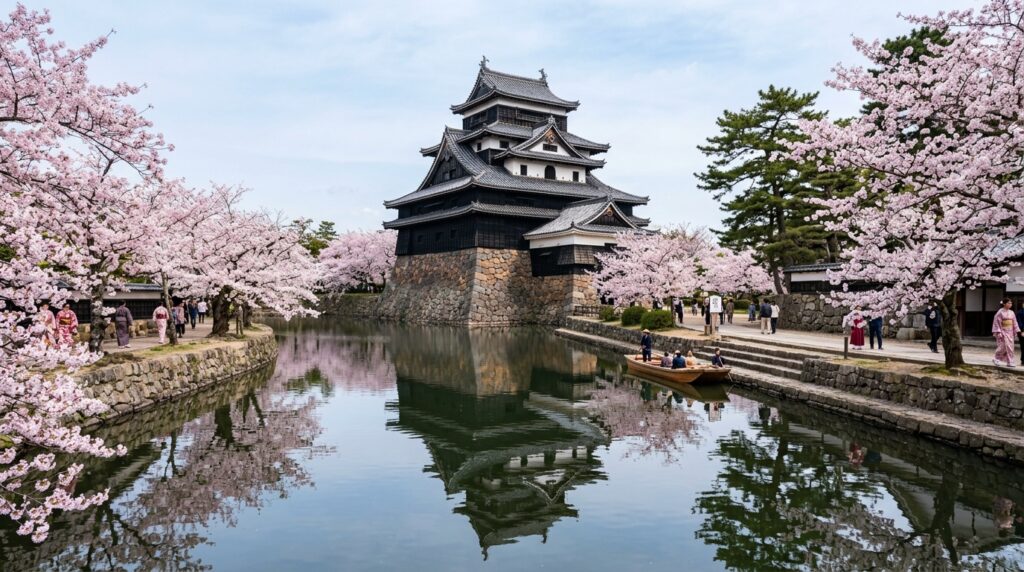
Matsue, located in Shimane Prefecture, is one of Japan’s best-preserved samurai cities yet remains largely undiscovered by international tourists. This charming city offers an authentic glimpse into feudal Japan without the commercialization found in more popular destinations.
Historical Treasures
Matsue Castle: One of only twelve original castles remaining in Japan, Matsue Castle dates back to 1611 and offers stunning views over the surrounding landscape and Lake Shinji. Unlike many reconstructed castles, Matsue Castle’s main keep is original, making it a designated National Treasure. The castle’s distinctive black exterior earned it the nickname “Plover Castle.”
Samurai & Merchant Districts: Wander through the well-preserved Bukeyashiki (Samurai Residence) district, where you can visit the former home of the Matsudaira clan. The Shiomi Nawate District features traditional merchant houses and craft shops selling local specialties.
Tea Culture: Matsue has deep connections to Japanese tea culture. The city was home to renowned tea master Matsudaira Fumai, and traditional tea ceremonies remain central to local life. Visit tea houses for authentic matcha experiences.
Natural Beauty
Lake Shinji: This picturesque lake provides one of Japan’s most spectacular sunset viewing spots. Take a leisurely boat cruise or cycle around the 18-kilometer shoreline. The lake is famous for its clams and sunsets that have inspired poets for centuries.
Adachi Museum of Art: Located about an hour from Matsue, this museum features an award-winning garden that seamlessly blends art and nature. The museum’s six gardens have been ranked as Japan’s best for 18 consecutive years, featuring meticulously maintained landscapes that change with the seasons.
Local Cuisine:
- Izumo soba: Dark, nutty buckwheat noodles served in a unique three-tiered bowl
- Shijimi clams: From Lake Shinji, often served in miso soup
- Matsue wagashi: Traditional sweets perfect with matcha
Getting There: Matsue is accessible via train from Okayama (approximately 2 hours) or by direct flights to Izumo Airport. Renting a car is recommended for exploring surrounding areas.
5. Nikko: A Temple Town with Breathtaking Nature

Just a short train ride from Tokyo, Nikko is home to some of Japan’s most impressive temples and natural landscapes. This UNESCO World Heritage site offers the perfect escape from Tokyo’s urban intensity, combining spiritual heritage with stunning mountain scenery.
Spiritual Grandeur
Toshogu Shrine: The lavish resting place of Tokugawa Ieyasu, the founder of the Tokugawa shogunate, Toshogu Shrine is one of Japan’s most intricately designed shrines. The complex features:
- The famous “See No Evil, Hear No Evil, Speak No Evil” monkey carvings
- The stunning Yomeimon Gate with over 500 elaborate carvings
- The ornate main hall with gold leaf decorations
Allow at least 3-4 hours to explore the entire shrine complex properly.
Natural Wonders:
Kegon Falls: This dramatic 97-meter waterfall is one of Japan’s most breathtaking natural attractions. Accessible via a scenic train ride to Lake Chuzenji, the falls can be viewed from an observation deck or up close via an elevator that descends 100 meters alongside the cascade.
Nikko National Park: The surrounding mountains offer:
- Extensive hiking trails through ancient cedar forests
- Hot springs (onsen) with mountain views
- Lake Chuzenji, perfect for boating and lakeside walks
- The scenic Irohazaka winding road with 48 hairpin turns
Cultural Sites:
- Rinnoji Temple: Founded in 766 AD, featuring the Sanbutsudo Hall with golden Buddha statues
- Futarasan Shrine: Dedicated to the sacred mountains of Nikko
Transportation: Nikko is easily reached from Tokyo via the Tobu Limited Express (approximately 2 hours) or JR Limited Express. A 2-day or 4-day Nikko Pass offers unlimited travel and discounts on attractions.
Best Time to Visit: Autumn (late October-early November) offers spectacular fall foliage. Spring brings cherry blossoms and fresh greenery. Summer provides relief from city heat, while winter creates a magical snow-covered landscape.
4. Okayama: The Land of the Peach Boy Legend
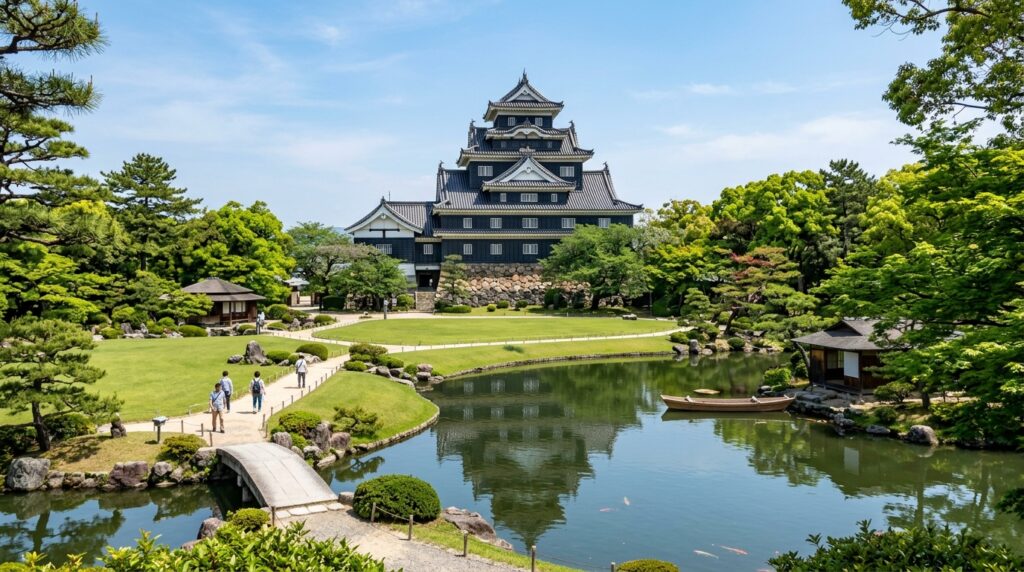
Okayama is steeped in folklore as the setting of the famous Japanese legend of Momotaro, the Peach Boy. This charming city in western Honshu offers a perfect blend of history, culture, and natural beauty without the tourist crowds of nearby Hiroshima or Kyoto.
Korakuen Garden: A Masterpiece
Korakuen Garden ranks as one of Japan’s three most celebrated landscape gardens, providing a peaceful escape from bustling city streets. Created in 1700 by feudal lord Ikeda Tsunamasa, this 13.3-hectare garden features:
- Expansive green lawns (rare in traditional Japanese gardens)
- Meandering ponds and streams
- Tea houses and pavilions
- Plum, cherry, and maple trees that create stunning seasonal displays
- A small hill offering panoramic garden views
Plan to spend 2-3 hours exploring this Edo-period masterpiece, which changes dramatically with each season.
Okayama Castle
Known as the “Crow Castle” due to its striking black facade, Okayama Castle offers insight into Japan’s feudal era. Although the original castle was destroyed during WWII, the current reconstruction houses a museum detailing the castle’s history and the region’s samurai heritage. The castle’s sixth floor provides excellent city views.
Kurashiki Bikan District
Just 20 minutes from Okayama, the Kurashiki Bikan Historical Quarter is a must-visit for photography lovers and history enthusiasts. This beautifully preserved area features:
- Edo-period warehouses with white walls and black tiles
- Scenic canals lined with weeping willows
- Traditional boat rides
- Boutique shops, cafes, and museums
- The Ohara Museum of Art, Japan’s first museum of Western art
Local Specialties:
- Kibi dango: Sweet millet dumplings associated with the Momotaro legend
- Barazushi: Colorful scattered sushi
- Momo (peach) products: Okayama is famous for its juicy peaches
Transportation: Okayama is a major Shinkansen stop, making it easily accessible from Tokyo (3 hours), Osaka (45 minutes), and Hiroshima (45 minutes). The city is compact and walkable, with excellent bus and tram connections.
3. Sendai: The City of Trees and Samurai

Sendai, the largest city in Northern Japan’s Tohoku region, is the home of Date Masamune, one of Japan’s most legendary samurai lords. Known as the “City of Trees” for its abundant green spaces and tree-lined streets, Sendai offers a vibrant urban culture, rich history, and surprisingly mild climate.
Samurai Heritage
Zuihoden Mausoleum: This ornately decorated mausoleum is the final resting place of Date Masamune, the one-eyed samurai warlord who founded Sendai in 1600. The complex features:
- Intricate wood carvings in vibrant colors
- Gold leaf decorations
- Peaceful cedar forest setting
- A museum displaying Masamune’s armor and personal artifacts
Aoba Castle Ruins: Perched on a hill overlooking the city, these castle ruins provide panoramic views of Sendai and the surrounding mountains. While only stone walls and gates remain, the site offers:
- A bronze statue of Date Masamune on horseback
- Excellent photo opportunities
- Evening illuminations during special events
- Small museum detailing the castle’s history
Culinary Excellence
Gyutan (Grilled Beef Tongue): Sendai is famous for this surprisingly rich and tender delicacy. The dish was created in 1948 and has become the city’s signature food. Must-try restaurants include:
- Tasuke: The original gyutan restaurant
- Rikyu: Popular chain with multiple locations
- Kisuke: Known for thick-cut gyutan
Typically served with barley rice, tail soup, and pickles, a proper gyutan meal is an unforgettable experience.
Seasonal Festivals
Sendai Tanabata Festival: Held August 6-8, this is one of Japan’s best traditional festivals, featuring:
- Elaborate bamboo decorations reaching several meters high
- Colorful streamers and ornaments
- Over 2 million visitors
- Evening fireworks display
Natural Attractions:
- Matsushima Bay: One of Japan’s three most scenic views, just 40 minutes away, featuring 260 pine-covered islands
- Akiu Great Falls: Spectacular 55-meter waterfall
- Hot springs: Numerous onsen in the surrounding mountains
Transportation: Sendai is easily reached via Shinkansen from Tokyo (1.5 hours) and serves as the transportation hub for exploring the Tohoku region. The city has an efficient subway and bus system.
Weather: Sendai experiences four distinct seasons with hot, humid summers and cold, snowy winters. Spring and autumn offer the most comfortable temperatures for sightseeing.
2. Himeji: The White Heron Castle & Timeless Elegance
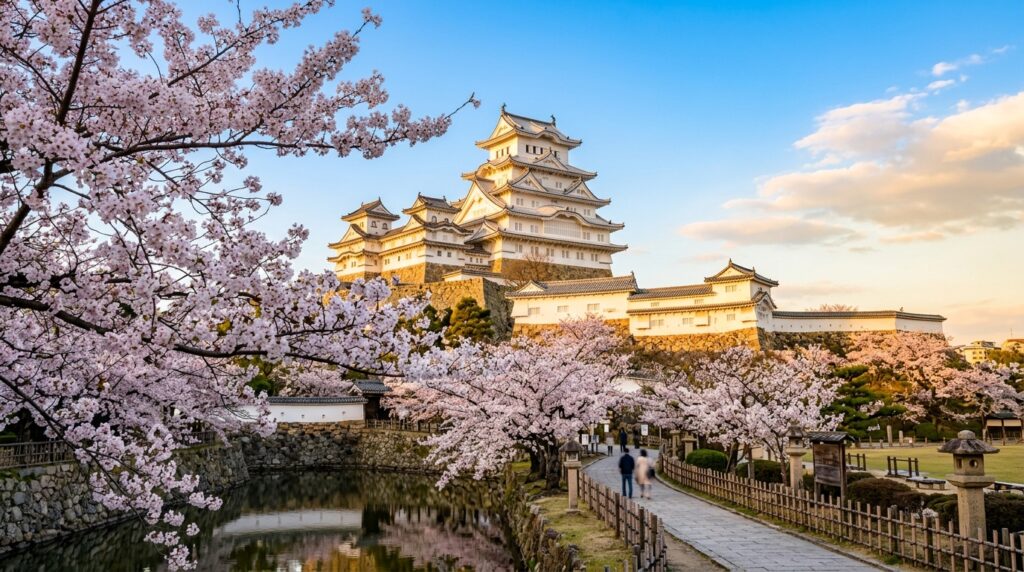
Nestled in Hyogo Prefecture, just a short Shinkansen ride from Osaka and Kyoto, Himeji is home to Japan’s most spectacular original castle and a charming old-town atmosphere that feels like stepping back into the Edo period. Despite housing one of the country’s 12 remaining original castles—and the only one designated as both a UNESCO World Heritage Site and a National Treasure—Himeji remains surprisingly overlooked by international travelers who rush past en route to more famous destinations.
The Crown Jewel: Himeji Castle
Himeji Castle, affectionately known as Shirasagi-jo (White Heron Castle) due to its brilliant white exterior and elegant, bird-like silhouette, is widely considered Japan’s most beautiful castle. Unlike many reconstructed castles built with concrete, Himeji’s main keep is an authentic 17th-century wooden structure that has survived centuries of wars, earthquakes, and typhoons.
Must-Do Castle Experiences:
- Explore the maze-like defenses: The castle’s ingenious defensive design features winding paths, narrow gates, and hidden drop-stones that once confused invading armies. Allow 2-3 hours to fully appreciate the architecture and history.
- Climb to the top: The steep wooden stairs lead to the sixth-floor observation deck, offering panoramic views of Himeji city and, on clear days, the Seto Inland Sea.
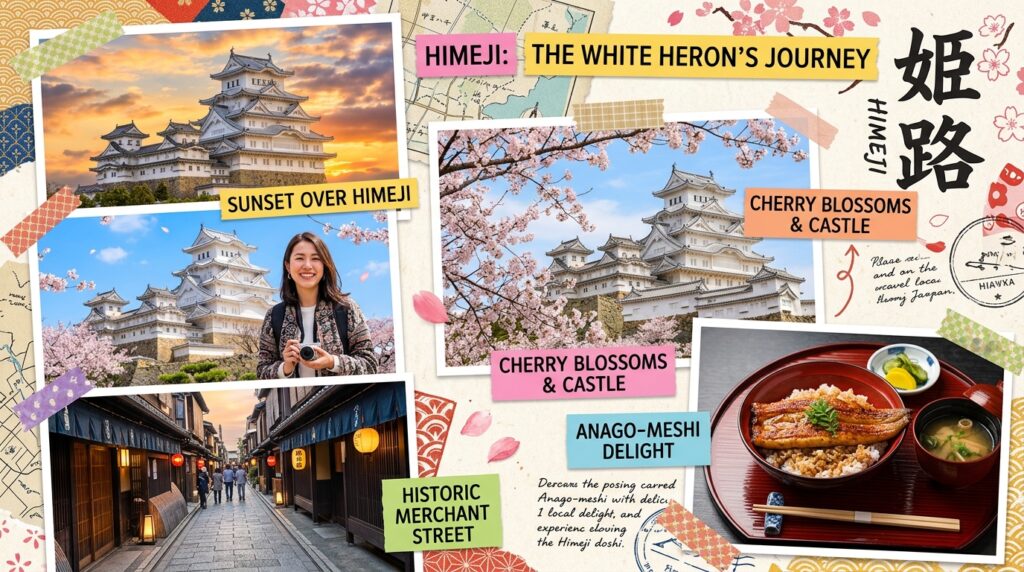
- Visit during cherry blossom season: Over 1,000 cherry trees surround the castle grounds, creating one of Japan’s most photographed spring scenes (late March-early April).
- Night illuminations: Seasonal evening light-ups transform the white castle into a magical glowing spectacle—check local schedules for special events.
Pro Tip: Arrive right at opening time (9:00 AM) to avoid crowds and capture stunning photos without tourists in your frame. Entry is ¥1,000 for adults, and audio guides are available in multiple languages.
Charming Old Town & Cultural Experiences
Koko-en Garden: Located adjacent to Himeji Castle, this exquisite Edo-period garden complex features nine distinct themed gardens, each showcasing traditional Japanese landscape design. Wander through bamboo groves, pond gardens, and tea ceremony houses while enjoying views of the castle in the background. Entry is ¥310, or purchase a combination ticket with the castle for better value.
Iyo-cho Merchant District: Step into history along this preserved street lined with traditional wooden merchant houses dating back to the 18th and 19th centuries. Many buildings now house:
- Local craft shops selling Himeji lacquerware and textiles
- Traditional wagashi (Japanese sweet) cafes
- Small museums showcasing samurai and merchant life
- Photo opportunities with historic architecture
Engyo-ji Temple on Mount Shosha: For travelers seeking a more adventurous cultural experience, take a 30-minute bus ride to Mount Shosha to visit Engyo-ji, a serene mountain temple complex that served as a filming location for The Last Samurai. The temple offers:
- Peaceful forest hiking trails
- Stunning views over Himeji and the Seto Inland Sea
- Authentic monastic atmosphere with few tourists
- Traditional shojin ryori (Buddhist vegetarian cuisine) available by reservation
Culinary Delights of Himeji
Local Specialties to Try:
- Anago (sea eel): Himeji’s coastal location makes it a prime spot for fresh anago, often grilled over charcoal and served with a sweet soy glaze. Try it at local restaurants like Anago no Matsubara.
- Himeji Oden: A regional variation of the classic Japanese hot pot, featuring local ingredients like beef tendon and daikon radish simmered in a light dashi broth.
- Sake tasting: Hyogo Prefecture is Japan’s top sake-producing region. Visit the Himeji Sake Museum or local breweries like Kiku-Masamune for tastings and tours.
- Castella cake: This Portuguese-inspired sponge cake was introduced to Japan via nearby Nagasaki and perfected in Himeji. Pick up a box from Fukusaya as a delicious souvenir.
Food Tour Recommendation: Join a small-group evening food tour through Himeji’s backstreets to sample local izakaya fare, meet friendly residents, and discover hidden eateries that don’t appear in guidebooks.
Practical Travel Information
Getting There:
- By Shinkansen: Himeji Station is on the Sanyo Shinkansen line. From Tokyo: ~3 hours; From Osaka: ~30 minutes; From Kyoto: ~50 minutes.
- By local train: The JR Kobe Line offers frequent, affordable service from Osaka and Kobe.
- From Kansai Airport: Direct JR Limited Express trains take approximately 90 minutes.
Getting Around: Himeji is a compact, walkable city. The castle, Koko-en Garden, and Iyo-cho district are all within a 15-minute walk from Himeji Station. Bicycles are available for rent near the station for exploring farther areas like Mount Shosha.
Why Himeji Deserves Your Attention
While Tokyo dazzles with neon and Kyoto enchants with temples, Himeji offers something equally precious: an authentic, unhurried glimpse into Japan’s feudal past without the overwhelming crowds. The city perfectly balances historical significance with modern convenience, making it an ideal day trip or overnight stop on any Kansai-region itinerary.
Himeji also serves as a strategic base for exploring the Seto Inland Sea region, including the art islands of Naoshima and Teshima, the historic town of Kurashiki, and the coastal beauty of Awaji Island. Its central location on the Sanyo Shinkansen line means you can easily combine Himeji with Osaka, Hiroshima, or Fukuoka on a multi-city Japan adventure.
For travelers seeking that perfect blend of iconic sights, cultural depth, culinary discovery, and manageable tourism levels, Himeji isn’t just a hidden gem—it’s a must-visit destination that rewards curious explorers with memories that last a lifetime.
Castle access may be limited during maintenance periods or extreme weather. Always check the official Himeji Castle website for current hours and ticket information before your visit. Japan’s tourism policies and transportation schedules are subject to change; verify details closer to your travel dates.
1. Osaka: Japan’s Most Underrated City
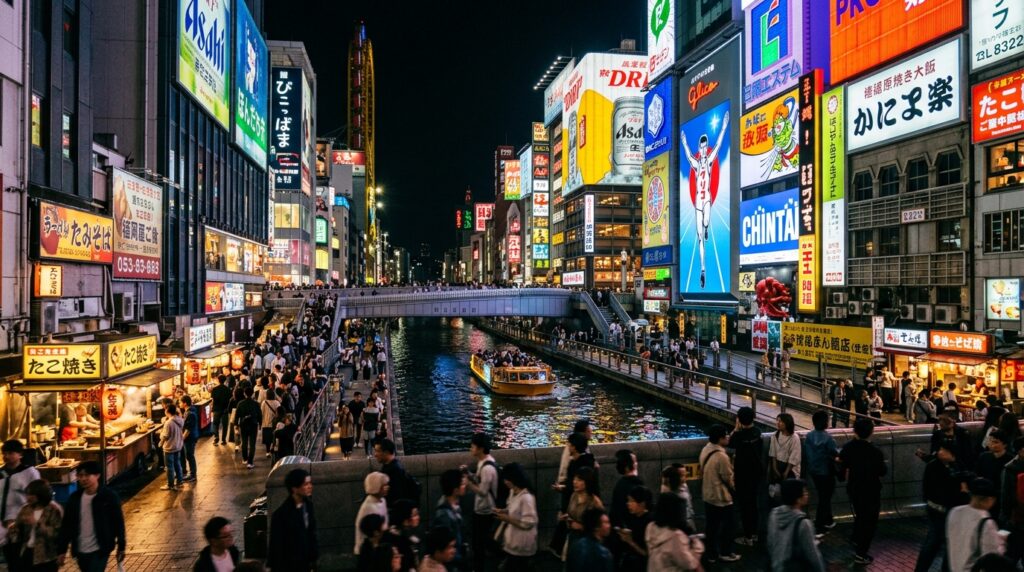
At the top of our list is Osaka, a city that offers everything a traveler could want: world-class street food, exciting nightlife, fascinating historical landmarks, and some of the friendliest people in Japan. Often overshadowed by Tokyo and Kyoto, Osaka is a vibrant metropolis where visitors can experience the best of Japan without the high prices or overwhelming crowds.
Street Food Paradise
Dotonbori & Namba: Osaka’s neon-lit Dotonbori district is the epicenter of the city’s legendary food scene. This entertainment district along the canal offers:
Must-Try Osaka Specialties:
- Takoyaki: Octopus balls cooked in special molded pans, crispy outside and gooey inside. Best spots: Takoyaki Juhachiban, Kukuru
- Okonomiyaki: Savory pancakes with cabbage, meat, and seafood. Try at Mizuno or Chibo
- Kushikatsu: Deep-fried skewers of meat and vegetables. Visit Daruma in Shinsekai
- Kitsune Udon: Thick noodles in sweet broth topped with fried tofu
Food Tour Tip: Join an evening Dotonbori food tour to sample multiple dishes while learning about Osaka’s culinary history from local guides.
Historical Landmarks
Osaka Castle: This stunning 16th-century castle provides a beautiful historical contrast to the city’s modern energy. The eight-story castle museum details Osaka’s history, while the surrounding park features:
- Over 3,000 cherry trees (spectacular in spring)
- Moats and stone walls
- Plum groves
- Boat cruises
Allocate 2-3 hours to explore the castle and grounds properly.
Modern Entertainment
Universal Studios Japan: Home to The Wizarding World of Harry Potter, Super Nintendo World, and Jurassic Park, USJ offers world-class entertainment that rivals any theme park globally. Purchase express passes to maximize your experience during peak seasons.
Umeda Sky Building: This architectural marvel features a rooftop observatory with 360-degree city views, particularly stunning at sunset and night.
Shopping & Nightlife:
- Shinsaibashi: Massive covered shopping arcade
- Amerikamura: Trendy youth culture district
- Umeda: Upscale shopping and dining
- Namba Parks: Rooftop garden shopping complex
Osaka’s People
Osakans are renowned throughout Japan for their warmth, humor, and directness. The city’s merchant culture has created a welcoming atmosphere where strangers readily strike up conversations and offer recommendations.
Transportation: Osaka is Japan’s transportation hub with:
- Two major airports (Kansai International and Itami)
- Excellent subway system
- Easy access to Kyoto (30 minutes), Kobe (20 minutes), and Nara (40 minutes)
- JR Pass validity on most lines
Day Trips: Osaka serves as the perfect base for exploring:
- Kyoto: Ancient temples and shrines
- Nara: Deer park and Todaiji Temple
- Kobe: Beef and harbor views
- Himeji: Japan’s most beautiful castle
- Koyasan: Sacred mountain temple complex
Best Time to Visit: Spring (March-May) for cherry blossoms and comfortable weather. Autumn (October-November) for fall colors and mild temperatures. Avoid the rainy season (June-July) and extreme summer heat (August).
Budget-Friendly Tips:
- Purchase an Osaka Amazing Pass for free entry to 40+ attractions and unlimited subway travel
- Eat at standing sushi bars and local izakayas
- Stay in Namba or Umeda for convenient access
- Many temples and parks are free to visit
Planning Your Japan Hidden Gems Adventure
Transportation Strategy
Japan Rail Pass: If you’re planning to visit multiple cities, the Japan Rail Pass offers excellent value for long-distance Shinkansen travel. However, calculate your specific itinerary as regional passes might be more cost-effective for certain routes.
Regional Passes:
- JR West Pass: Perfect for Kansai region (Osaka, Kyoto, Kanazawa, Okayama)
- JR Kyushu Pass: Ideal for Fukuoka and Kagoshima
- JR East Pass: Covers Nikko and Sendai areas
Suggested Itinerary
2-Week Hidden Gems Route:
- Days 1-3: Osaka (street food, castle, nightlife)
- Days 4-5: Kanazawa (gardens, samurai district)
- Days 6-7: Takamatsu & Art Islands
- Days 8-9: Okayama & Kurashiki
- Days 10-11: Fukuoka (ramen, yatai)
- Days 12-13: Kagoshima (volcano, hot springs)
- Day 14: Return from Kagoshima or extend to Matsue
10-Day Express Route:
- Days 1-3: Osaka
- Days 4-5: Kanazawa
- Days 6-7: Nikko (from Tokyo)
- Days 8-9: Sendai
- Day 10: Departure
Budget Considerations
Accommodation:
- Budget: ¥3,000-6,000/night (hostels, business hotels)
- Mid-range: ¥8,000-15,000/night (3-star hotels, ryokans)
- Luxury: ¥20,000+/night (4-5 star hotels, traditional ryokans)
Daily Food Budget:
- Budget: ¥3,000-4,000 (convenience stores, street food, ramen)
- Mid-range: ¥5,000-8,000 (mix of casual and nice restaurants)
- High-end: ¥10,000+ (fine dining, kaiseki, premium beef)
Cultural Etiquette Tips
- Remove shoes when entering homes, temples, and some restaurants
- Bow slightly when greeting or thanking someone
- Speak quietly on public transportation
- Don’t tip—excellent service is standard
- Carry cash—many small establishments don’t accept cards
- Learn basic Japanese phrases—locals appreciate the effort
- Respect photography rules at temples and shrines
Weather & Seasonal Highlights
Spring (March-May):
- Cherry blossoms (late March-early April)
- Mild temperatures (10-20°C)
- Golden Week crowds (late April-early May)
Summer (June-August):
- Rainy season (June-July)
- Hot and humid (25-35°C)
- Festivals and fireworks
- Mountain areas offer relief
Autumn (September-November):
- Fall foliage (late October-November)
- Comfortable temperatures (15-25°C)
- Harvest season foods
- Ideal hiking weather
Winter (December-February):
- Cold but manageable (0-10°C, except Hokkaido)
- Snow in northern regions
- Hot springs are magical
- Fewer tourists
Conclusion: Your Underrated Japan Adventure Awaits
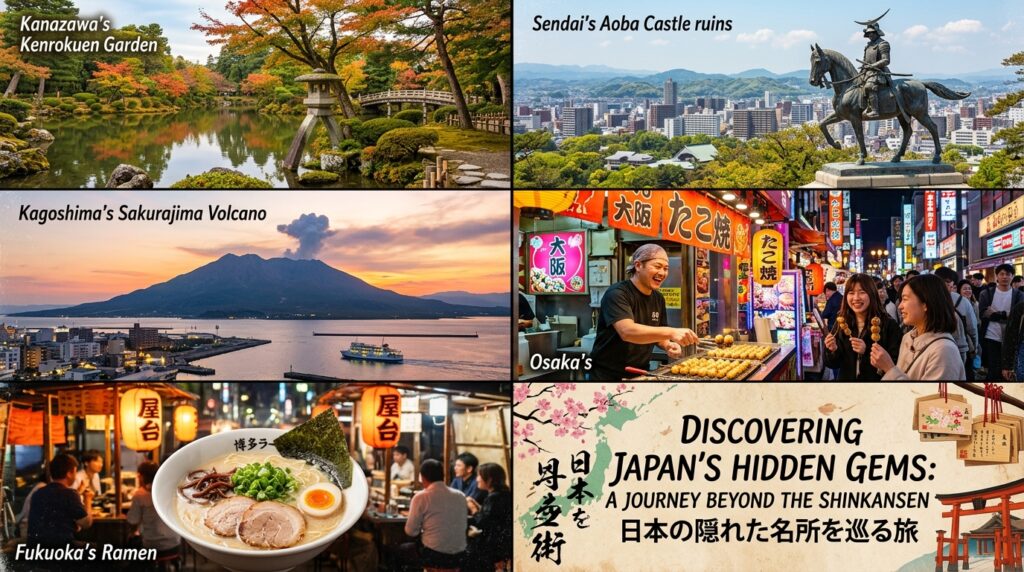
Japan’s underrated cities offer everything that makes the country so special—ancient traditions, cutting-edge modernity, incredible food, stunning natural beauty, and warm hospitality—often without the crowds and high prices of more famous destinations. Whether you’re soaking in volcanic hot springs in Kagoshima, wandering through samurai districts in Kanazawa, slurping ramen in Fukuoka, or indulging in street food in Osaka, these hidden gems provide authentic experiences that will create lasting memories.
The beauty of exploring Japan’s lesser-known cities is that you’ll discover the country at a more relaxed pace, connect more deeply with local culture, and create your own unique Japan story. These cities aren’t just alternatives to Tokyo and Kyoto—they’re essential destinations that showcase the diversity and richness of Japanese culture.
So pack your bags, grab your Japan Rail Pass, and prepare to discover the Japan that many travelers miss. From the volcanic landscapes of the south to the samurai heritage of the north, these 10 underrated cities are waiting to surprise, inspire, and captivate you. Your unforgettable Japanese adventure begins now!
Ready to explore Japan’s hidden gems? Start planning your itinerary today and experience the authentic Japan that lies beyond the guidebooks. Don’t forget to share your own underrated Japan discoveries in the comments below!
Visa requirements, transportation schedules, and entry policies may change. Always verify current information before your trip. Travel insurance is highly recommended for all international journeys.