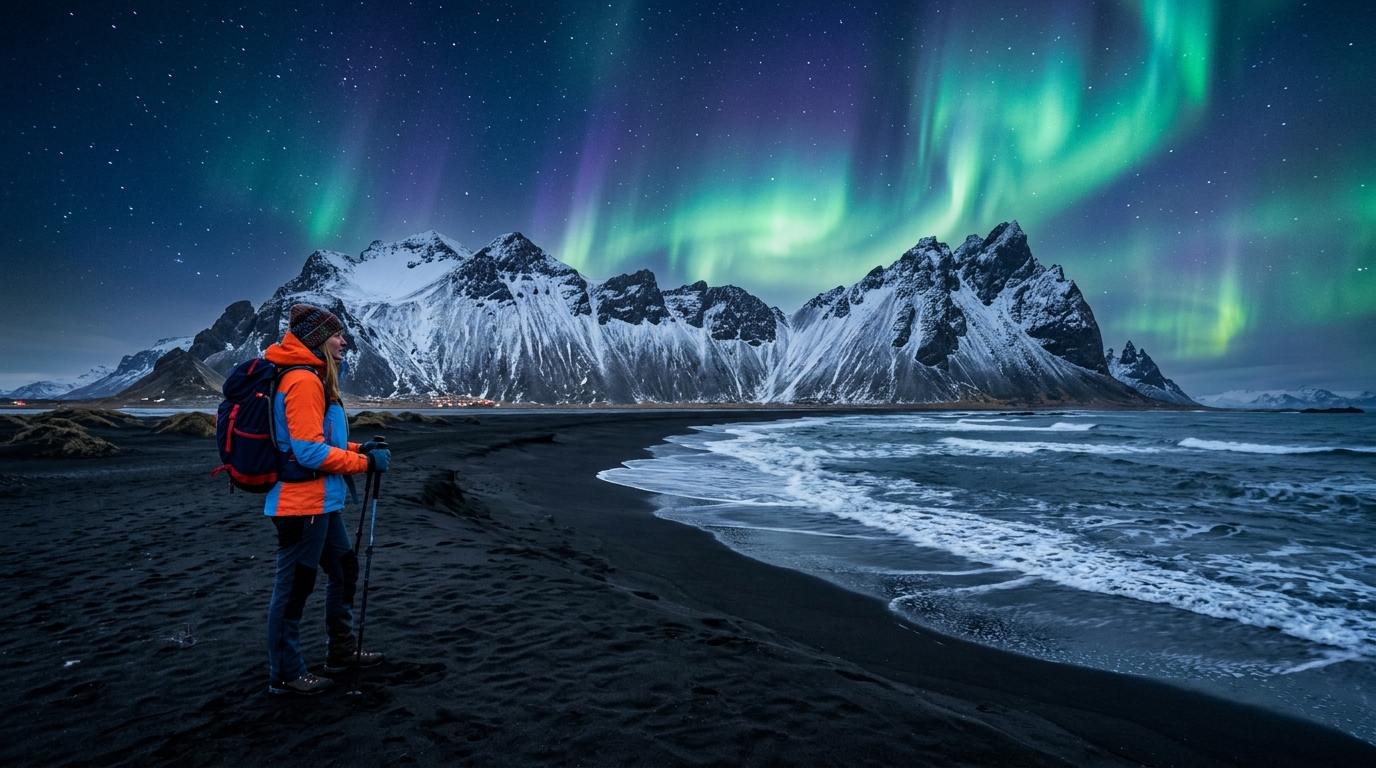

Iceland is one of the most breathtaking travel destinations in the world, offering a mesmerizing mix of glaciers, volcanoes, hot springs, and rugged landscapes that seem straight out of a fantasy novel. But here’s the truth that every traveler discovers: packing for an Icelandic adventure requires careful planning and strategic thinking. Miss one key item, and your trip could get chilly fast—literally!
With its notoriously unpredictable weather and diverse terrain, Iceland demands respect and preparation. Whether you’re chasing waterfalls along the Ring Road, soaking in geothermal pools under the midnight sun, or hunting for the elusive Northern Lights in winter, having the right gear can make the difference between an uncomfortable ordeal and the adventure of a lifetime.
The weather in Iceland can change dramatically throughout the day. Summer temperatures range from 5–20°C (41–68°F), while winter temperatures can dip between -10°C to 3°C (14–37.4°F)
Even in the warmest months, you’ll experience everything from freezing temperatures to sudden rain showers and even sunny moments—all in the same day! This comprehensive packing guide will ensure you have everything you need to stay warm, dry, and comfortable while exploring Iceland’s stunning landscapes.
Why Iceland Requires Special Packing Considerations

Iceland’s location in the North Atlantic Ocean makes it one of the windiest countries in the world. The weather can change every 30 minutes, with sunshine giving way to rain, then snow, then sunshine again
This meteorological rollercoaster means that traditional packing strategies simply won’t work here.
The key to staying comfortable in Iceland is understanding three fundamental principles: layering, waterproofing, and protecting your extremities. Icelanders themselves dress in a combination of sturdy shoes, parkas or lightweight insulated jackets, and fleece or wool sweaters
Following their lead is your best bet for staying comfortable.
Whether you’re visiting in summer or winter, this packing list covers all the essentials you’ll need. Let’s dive into the ten must-have items that will ensure your Icelandic adventure is nothing short of spectacular.
1. Waterproof Pants and Windproof Layers: Your First Line of Defense
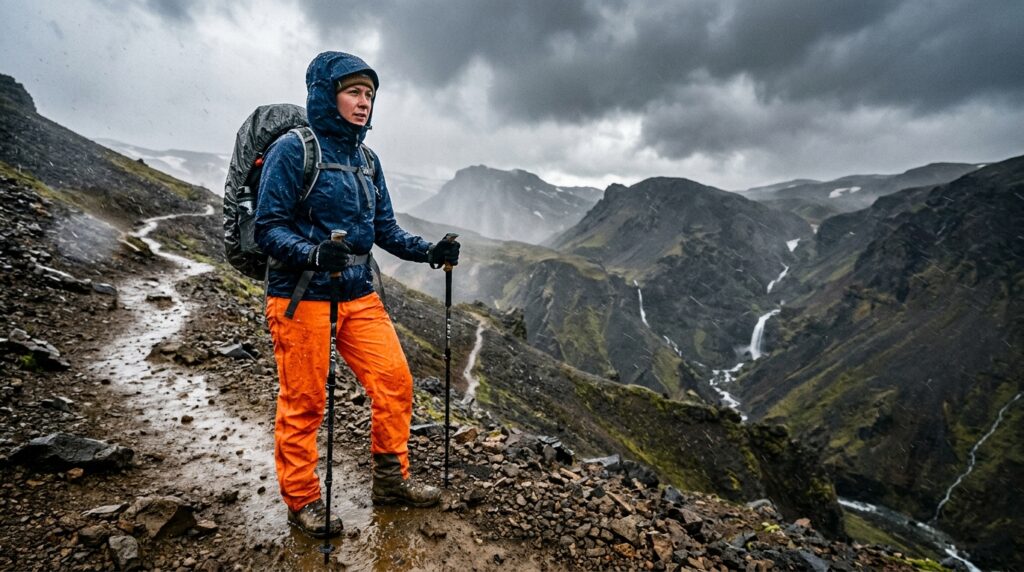
Let’s start with the most critical item on your Iceland packing list—the one that separates prepared travelers from miserable ones. The biggest mistake travelers make when visiting Iceland is underestimating the wind and rain. Even with an excellent waterproof jacket, if your pants aren’t waterproof, you’ll end up cold and miserable the moment the rain starts.
Waterproof pants are an absolute game-changer, especially for hiking and outdoor activities. The wind in Iceland is stronger than in most places, with gusts that can knock you off balance if you’re not prepared. Having windproof layers ensures that you stay warm while exploring this magnificent but unforgiving landscape.
Look for pants made with Gore-Tex or similar waterproof-breathable technology with a minimum 10,000mm waterproof rating
These should be lightweight enough to pack easily but durable enough to withstand rocky terrain. Many experienced travelers recommend carrying waterproof over-pants that you can quickly slip over your regular hiking pants when the weather turns.
Pro Tip: Don’t skimp on quality here. Cheap waterproof pants will fail you when you need them most. Invest in a reputable brand that offers a warranty.
2. Sturdy Waterproof Hiking Boots: Foundation of Your Adventure
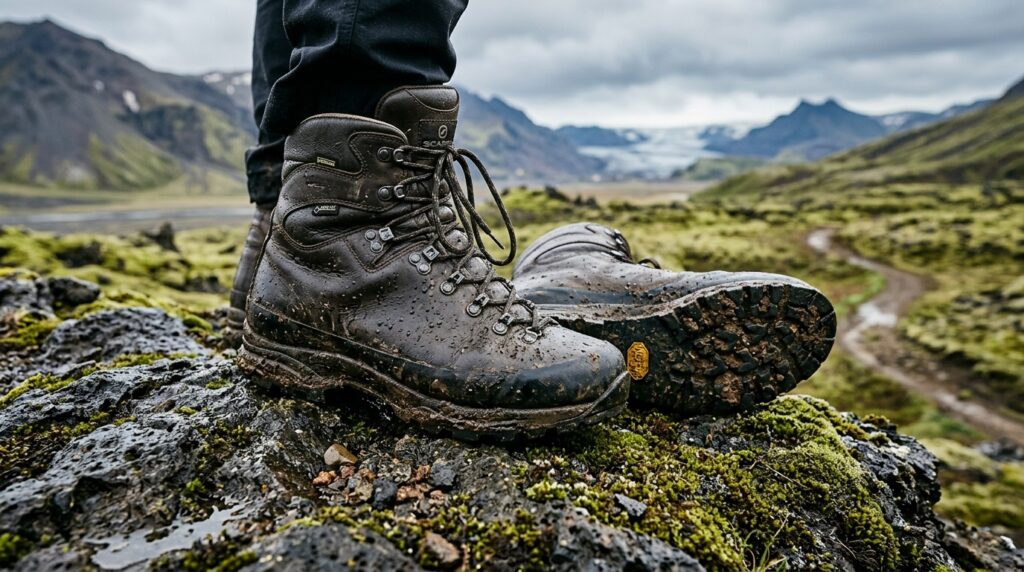
Iceland’s landscapes are rugged, wet, and often slippery. Regular sneakers or casual boots simply won’t cut it if you’re exploring glaciers, lava fields, or muddy trails. A solid pair of waterproof hiking boots is not just recommended—it’s essential for your safety and comfort.
You need well-insulated boots with excellent ankle support to protect your feet from the elements and keep you comfortable on long hikes. The terrain in Iceland can be treacherous, with loose gravel, slippery moss-covered rocks, and sudden stream crossings. Your boots are your foundation, and they need to perform flawlessly.
If you’re traveling in winter, crampons or ice grips are essential to prevent slipping on icy paths
Many hiking boots are compatible with crampons, but check compatibility before you purchase. Brands like Salomon, Merrell, and La Sportiva offer excellent options specifically designed for wet, cold conditions.
Sizing Tip: Buy your boots a half-size larger than your normal shoe size to accommodate thick wool socks, which you’ll definitely need in Iceland.
3. Thermal Base Layers and Waterproof Outerwear: The Layering System
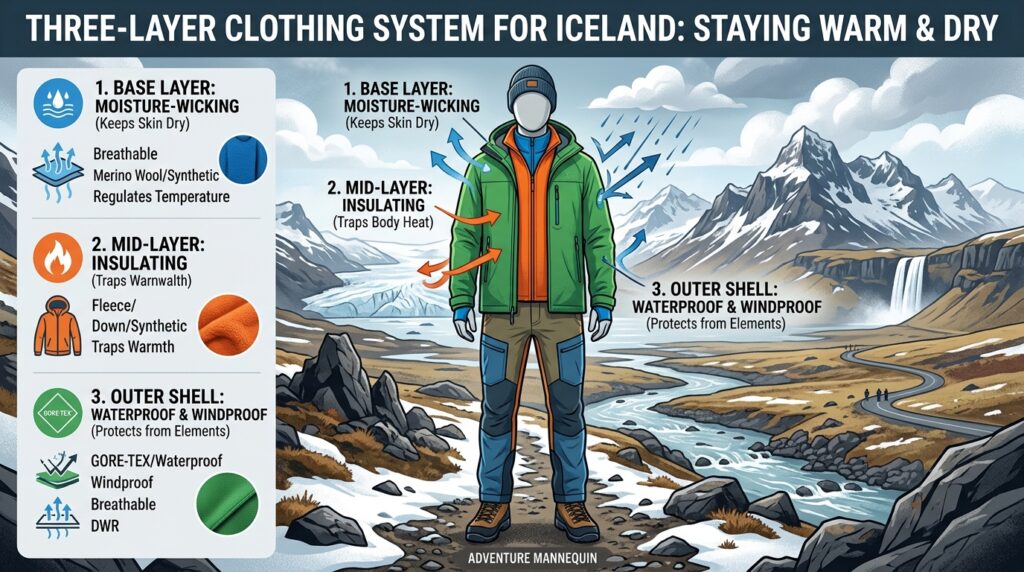
The foundation of your Icelandic wardrobe should be thermal-based layers, regardless of when you visit. Even in summer, temperatures can drop unexpectedly, and the combination of wind and moisture can make it feel much colder than the thermometer suggests.
Merino wool or moisture-wicking synthetic materials are the best choices for staying warm and dry. Unlike cotton, which retains moisture and loses its insulating properties when wet, these materials keep you warm even when damp. Merino wool has the added benefit of being naturally odor-resistant, which is perfect for multi-day adventures.
Your outer layers should be fully waterproof because rain showers can happen at any moment. A Gore-Tex or similarly waterproof and windproof jacket is essential for protection against Iceland’s fierce winds and unpredictable downpours
Look for jackets with sealed seams, adjustable hoods, and ventilation zippers to prevent overheating during strenuous activities.
If you’re visiting in winter, add a down jacket or insulated parka for extra warmth when temperatures drop significantly. The key is versatility—you should be able to add or remove layers as conditions change throughout the day.
Layering Strategy: Base layer (moisture-wicking) + Mid-layer (insulation) + Outer layer (waterproof/windproof) = Perfect comfort in any Icelandic weather.
4. Insulated Waterproof Gloves, Hat, and Scarf: Protect Your Extremities
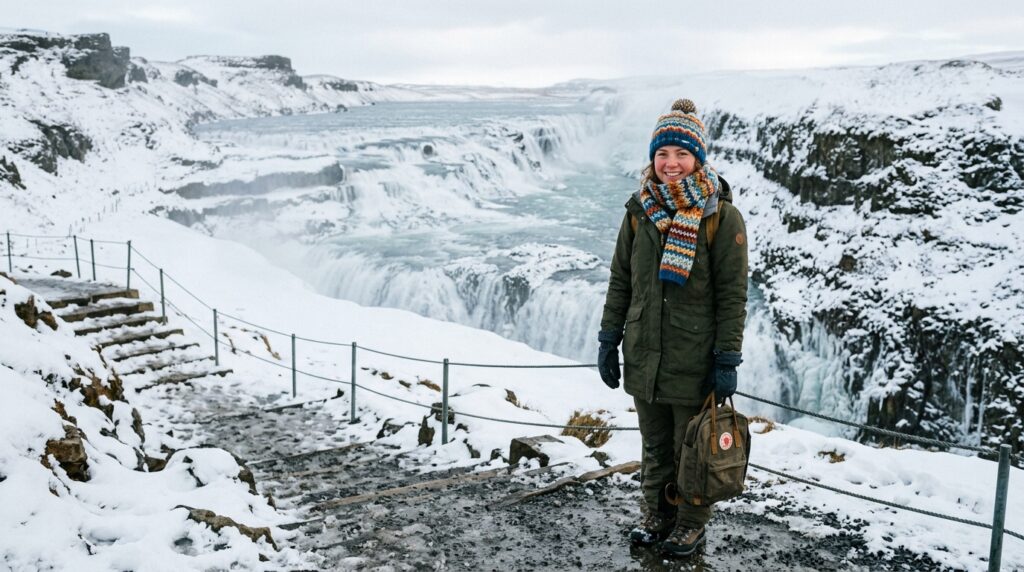
Iceland’s unpredictable weather means that even in summer, a warm hat, insulated gloves, and a good scarf can make all the difference in your comfort level. Strong winds can make the air feel much colder, especially near waterfalls and on boat trips to see glaciers or whales.
Keeping your extremities warm is crucial because fingers and ears are the first to feel the effects of cold temperatures. Opt for waterproof gloves, as wet hands can make outdoor adventures absolutely miserable. Look for gloves with touchscreen compatibility so you can use your phone without exposing your fingers to the cold.
A warm hat made from wool or fleece is essential year-round. In winter, consider a balaclava or neck gaiter for additional face protection against biting winds. A scarf or buff can be pulled up to protect your face and neck when the wind picks up unexpectedly.
Winter Essential: In temperatures below freezing, hand and toe warmers (disposable heat packs) can be lifesavers during extended outdoor activities like Northern Lights hunting.
5. Camera and Extra Memory Cards: Capture the Magic
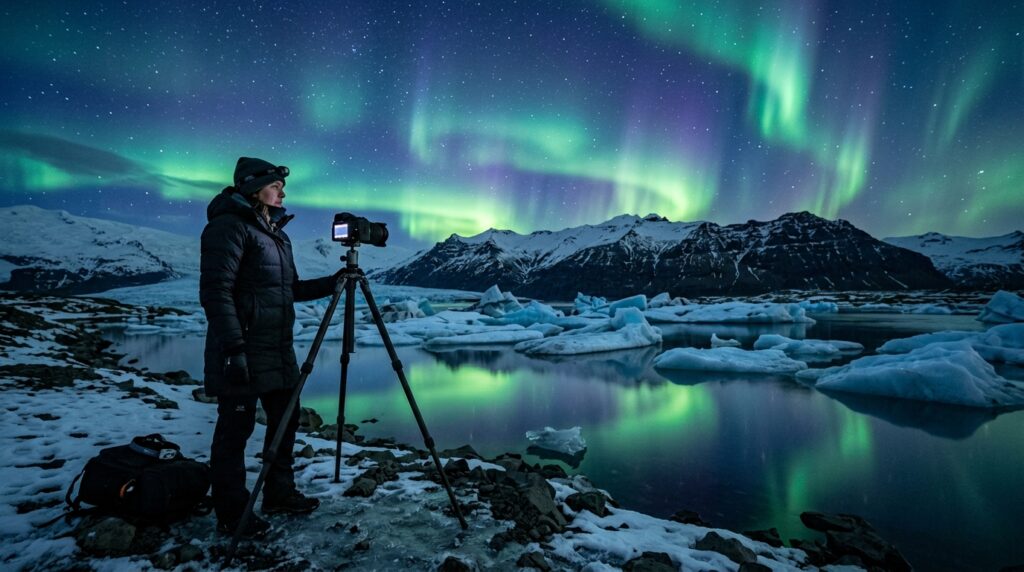
Iceland is a photographer’s paradise, and you’ll want to capture its breathtaking landscapes in all their glory. While smartphone cameras have improved dramatically, bringing a DSLR or mirrorless camera will allow for higher quality images, especially in low-light conditions like the Northern Lights.
Weather in Iceland can be harsh, so protecting your camera and electronics is crucial. Bring a waterproof camera cover or rain sleeve to shield your equipment from sudden downpours and waterfall mist. Extra memory cards are essential—you’ll take far more photos than you expect in this photogenic country.
Spare batteries are non-negotiable because cold temperatures can drain battery life quickly. Keep spare batteries warm by storing them in an inside pocket close to your body. A sturdy tripod is also useful, especially if you’re photographing the Aurora Borealis or capturing silky waterfalls with long exposures.
Photography Tip: The golden hour in Iceland can last for hours during summer, and the blue hour in winter provides magical lighting conditions. Be prepared to shoot at all times of day!
6. Day Pack and Reusable Water Bottle: Stay Hydrated and Organized
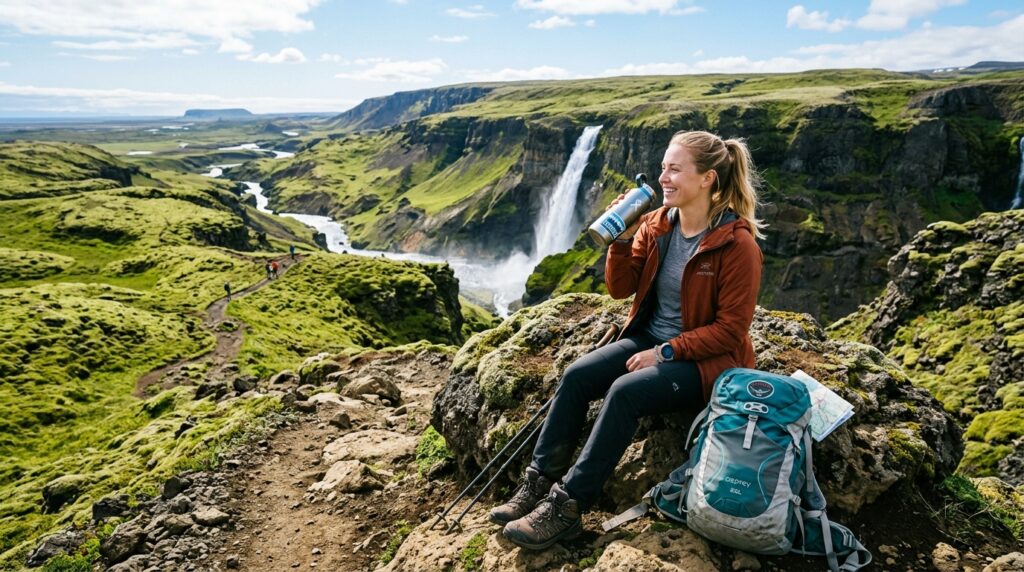
A durable, lightweight day pack is essential for exploring Iceland’s rugged landscapes. Whether you’re hiking to a waterfall, walking along a black sand beach, or exploring lava fields, you’ll need a place to carry essentials like snacks, water, and an extra layer of clothing.
Look for a daypack with a capacity of 25-40 liters that’s waterproof or comes with a rain cover
Features like hip belts, chest straps, and multiple compartments will help distribute weight evenly and keep your gear organized. A pack with hydration bladder compatibility is a bonus for longer hikes.
A reusable water bottle is also a must. Tap water in Iceland is some of the purest in the world, and you can refill your bottle anywhere without worrying about contamination
This not only saves money but also reduces plastic waste, helping to preserve Iceland’s pristine environment.
Eco-Friendly Note: Iceland is committed to sustainability, and using a reusable water bottle aligns perfectly with local values. You’ll find refill stations throughout the country.
7. Swimsuit and Quick-Dry Towel: Embrace the Geothermal Culture
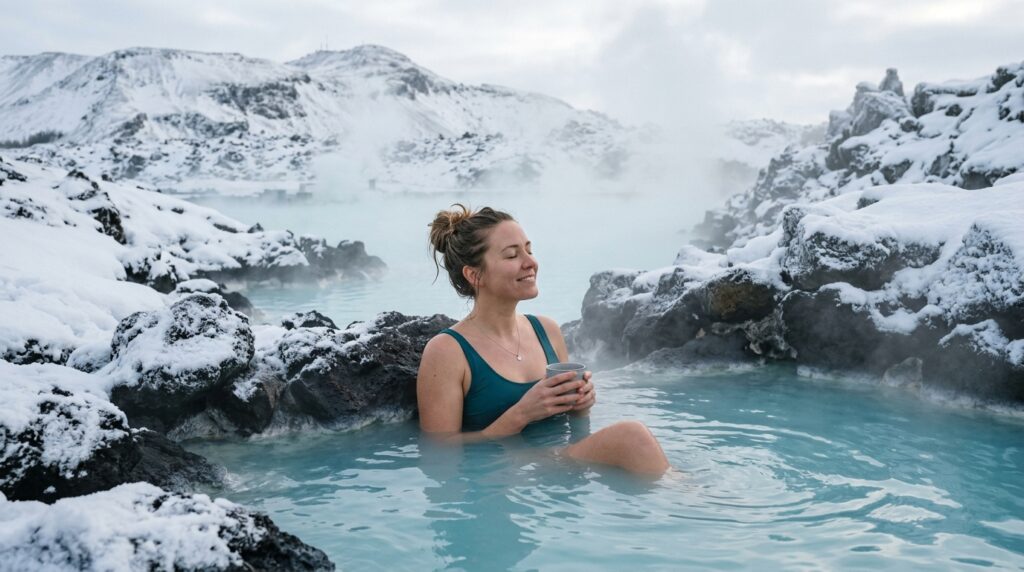
One of Iceland’s most famous attractions is its hot springs and geothermal pools. Whether you’re soaking in the Blue Lagoon, the Secret Lagoon, or one of the many natural hot pots scattered throughout the countryside, a swimsuit is an absolute must.
A lightweight, quick-dry towel is also handy, especially for spontaneous dips in natural hot springs where rental towels aren’t available. Some pools require you to shower before entering, so bringing flip-flops and a waterproof bag for wet clothes can also be helpful.
Iceland’s geothermal culture is an integral part of the local lifestyle. Swimming pools and hot springs are social hubs where Icelanders gather year-round. Don’t miss this quintessential Icelandic experience—it’s the perfect way to relax after a day of adventuring.
Cultural Note: Icelandic pools require thorough showering without swimsuits before entering. This is strictly enforced, so be prepared for this cultural difference
8. Travel Adapter and Power Bank: Stay Connected
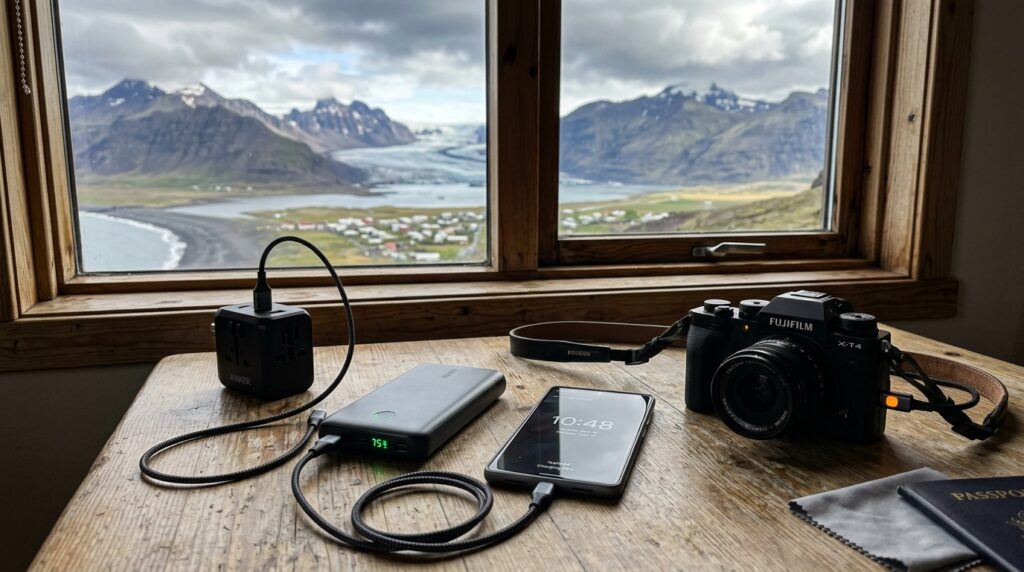
Iceland uses Type C and Type F plugs with a 230V electrical system. If you’re traveling from the US, UK, or other regions with different plugs, you’ll need a travel adapter to charge your devices.
Since many of Iceland’s best sites are in remote areas, having a portable power bank ensures that your phone stays charged for navigation, photography, and emergencies. A power bank with at least 10,000mAh capacity can provide multiple charges for your devices.
A waterproof phone case is also a smart investment. Between sudden rain showers, mist from waterfalls, and geothermal pools, your phone will be exposed to a lot of moisture. A dry bag or waterproof pouch is a great way to protect it while still allowing you to take photos.
Tech Tip: Download offline maps before heading to remote areas, as cell service can be spotty in Iceland’s highlands and rural regions.
9. Sunglasses and Sunscreen: Unexpected but Essential
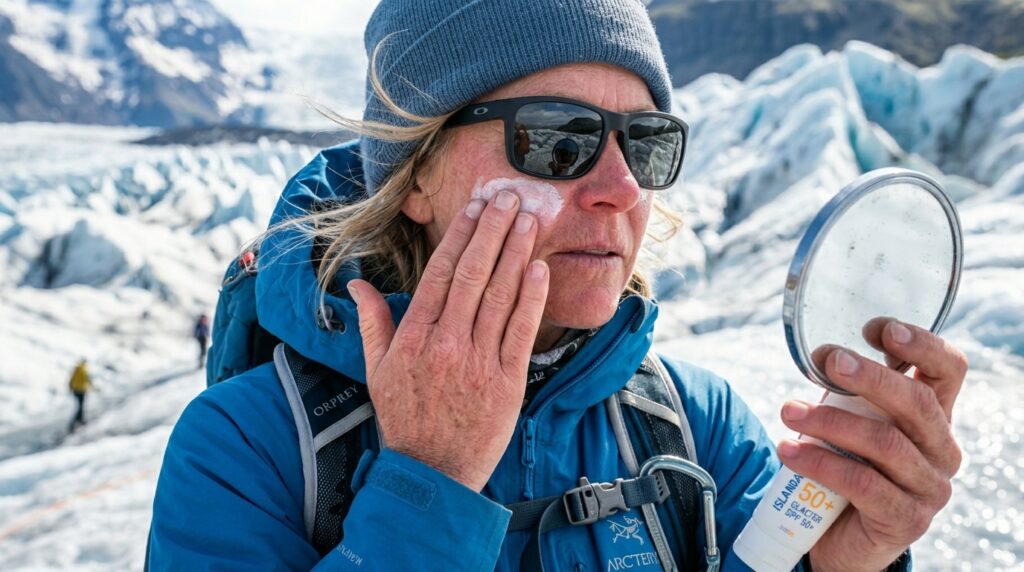
It might sound surprising, but sun protection is just as important in Iceland as it is in tropical destinations. The long summer days, where the sun barely sets, combined with reflective snow and ice in winter, can cause severe sunburns and eye strain.
Bring a good pair of polarized sunglasses to reduce glare from the snow, ice, and water. These will also help protect your eyes when driving, as the low-hanging sun can be blinding, especially during sunrise and sunset hours.
Sunscreen is essential year-round, even on cloudy days, as UV rays can be strong. Choose an SPF of at least 30 and apply it to your face, ears, and hands, especially if you’ll be spending a lot of time outside. Don’t forget lip balm with SPF protection—chapped lips are common in Iceland’s windy conditions.
Surprising Fact: Iceland experiences nearly 24 hours of daylight in June, meaning prolonged sun exposure even during what would normally be evening hours.
10. Casual and Comfortable City Clothing: Reykjavik Style
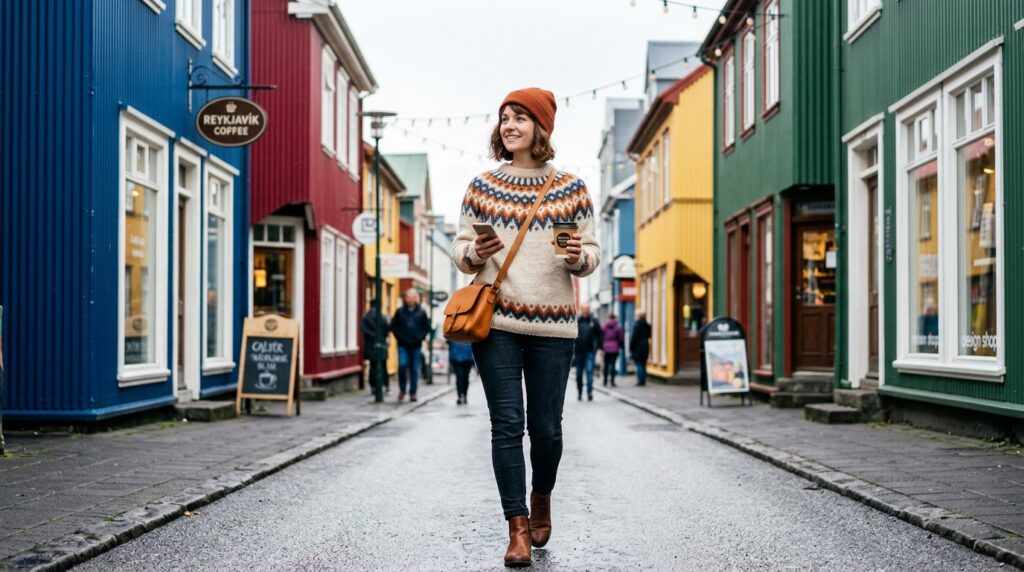
While Iceland is known for its rugged landscapes, you’ll also want to spend some time in Reykjavik, the country’s charming capital. Exploring the city’s cafes, museums, and restaurants requires a different kind of wardrobe than hiking through volcanic terrain.
Icelanders tend to dress in a casual but stylish way, with an emphasis on warmth and practicality. The dress code in Reykjavik is generally smart casual. If you plan to dine out at some of Reykjavik’s top restaurants or visit cultural sites, packing jeans, sweaters, and comfortable walking shoes is a good idea.
For summer visits, a lightweight jacket and breathable clothing work well for city walks, but even in summer, always have a sweater or fleece as evenings can be chilly. In winter, you’ll need heavier layers, including a warm coat for when you step outside to see the Northern Lights.
Style Tip: You can wear anything from a suit and tie to a knitted Icelandic sweater with sneakers in Reykjavik—comfort and personal style rule the night.
Seasonal Packing Considerations
Summer (June-August)
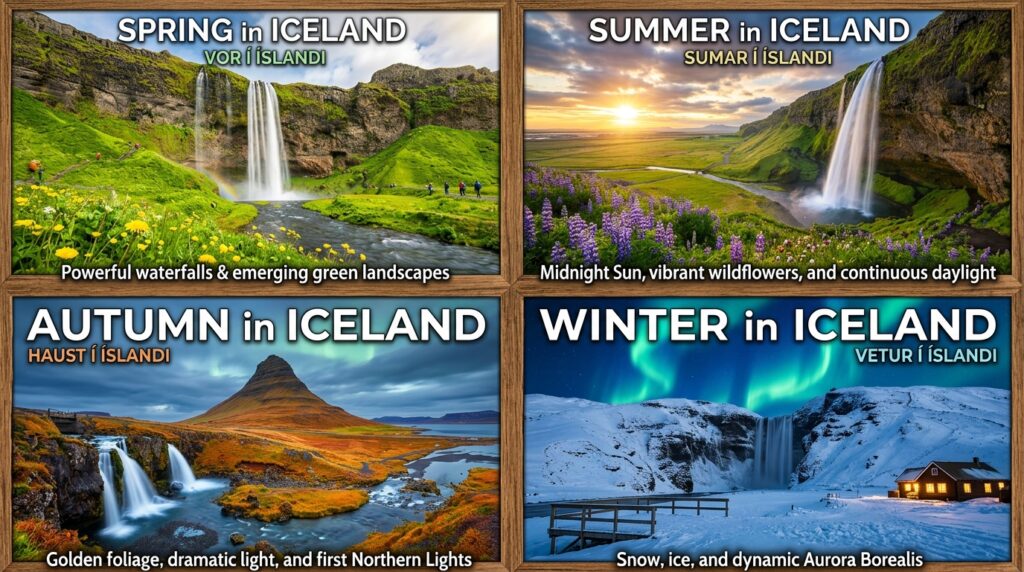
The warm season lasts from June 10 to September 6, with average daily high temperatures above 53°F. Pack lighter layers but don’t skip the waterproof gear. The midnight sun means you’ll need an eye mask for sleeping.
Winter (November-March)
Temperatures range from -10°C to 3°C (14–37.4°F). Prioritize thermal layers, insulated boots, and hand warmers. This is the best time for Northern Lights viewing.
Shoulder Seasons (April-May, September-October)
May and September offer a balance of mild temperatures and thinner crowds. Pack for variable conditions—both summer and winter gear may be needed.
Final Packing Tips for Iceland
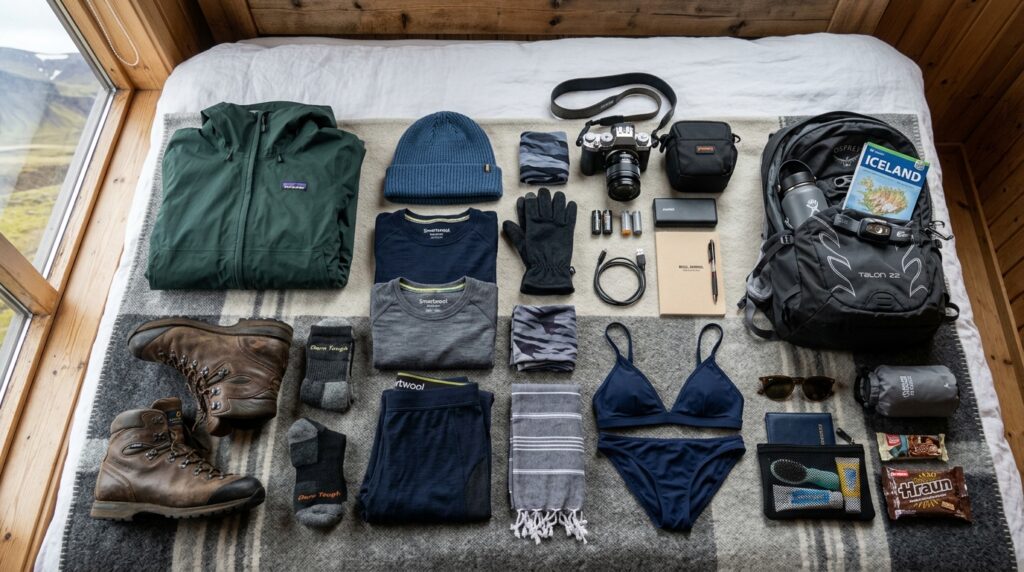
Packing for Iceland requires a bit more planning than your average trip, but having the right gear will make your adventure comfortable, enjoyable, and unforgettable. The key takeaways are simple: layers, waterproof gear, and good footwear are the most important things to bring.
Remember that you can purchase additional gear in Reykjavik if needed, though prices are higher than in most countries. Consider renting specialized equipment like crampons or heavy winter coats if you’re only visiting for a short time.
Whether you’re road-tripping around the Ring Road, chasing waterfalls, or hunting for the Northern Lights, this packing list ensures you’ll be prepared for anything Iceland’s wild and beautiful landscape throws your way.
Pro Packing Strategy: Use packing cubes to organize your gear by category (base layers, outerwear, accessories) and keep waterproof items easily accessible for quick changes when weather shifts.
Conclusion
Iceland is a destination that rewards preparation and respect for nature’s power. By packing these ten essential items, you’re setting yourself up for an incredible adventure in one of the world’s most spectacular countries. From the dramatic black sand beaches to the ethereal Northern Lights, from steaming geothermal pools to towering glaciers, Iceland offers experiences that will stay with you for a lifetime.
Don’t let inadequate gear compromise your adventure. Invest in quality waterproof clothing, sturdy boots, and the other essentials on this list, and you’ll be free to focus on what really matters: immersing yourself in Iceland’s raw beauty and creating memories that will last forever.
What do you think of this packing guide? Are there any items you’d add to the list? Share your thoughts and experiences in the comments below!