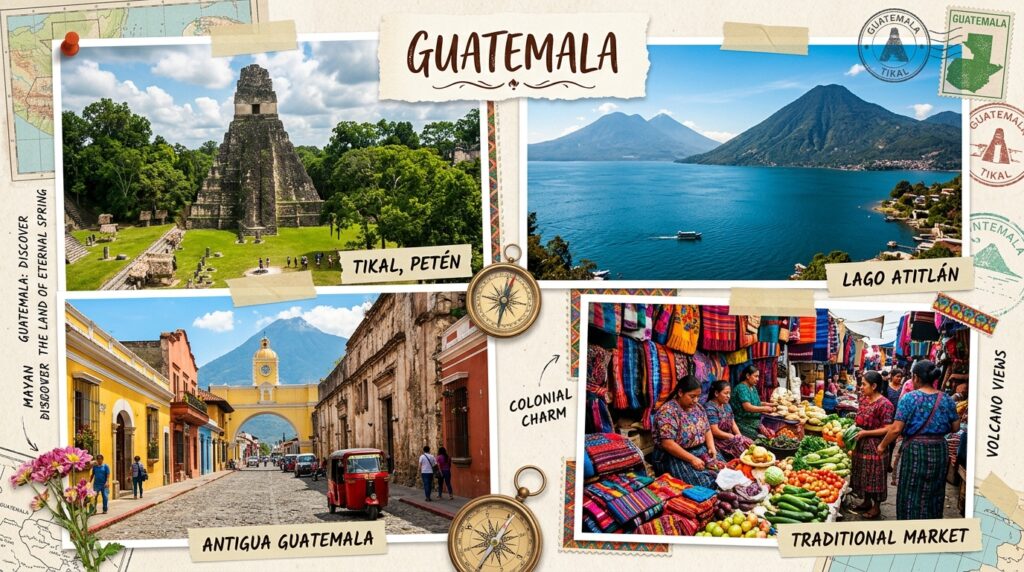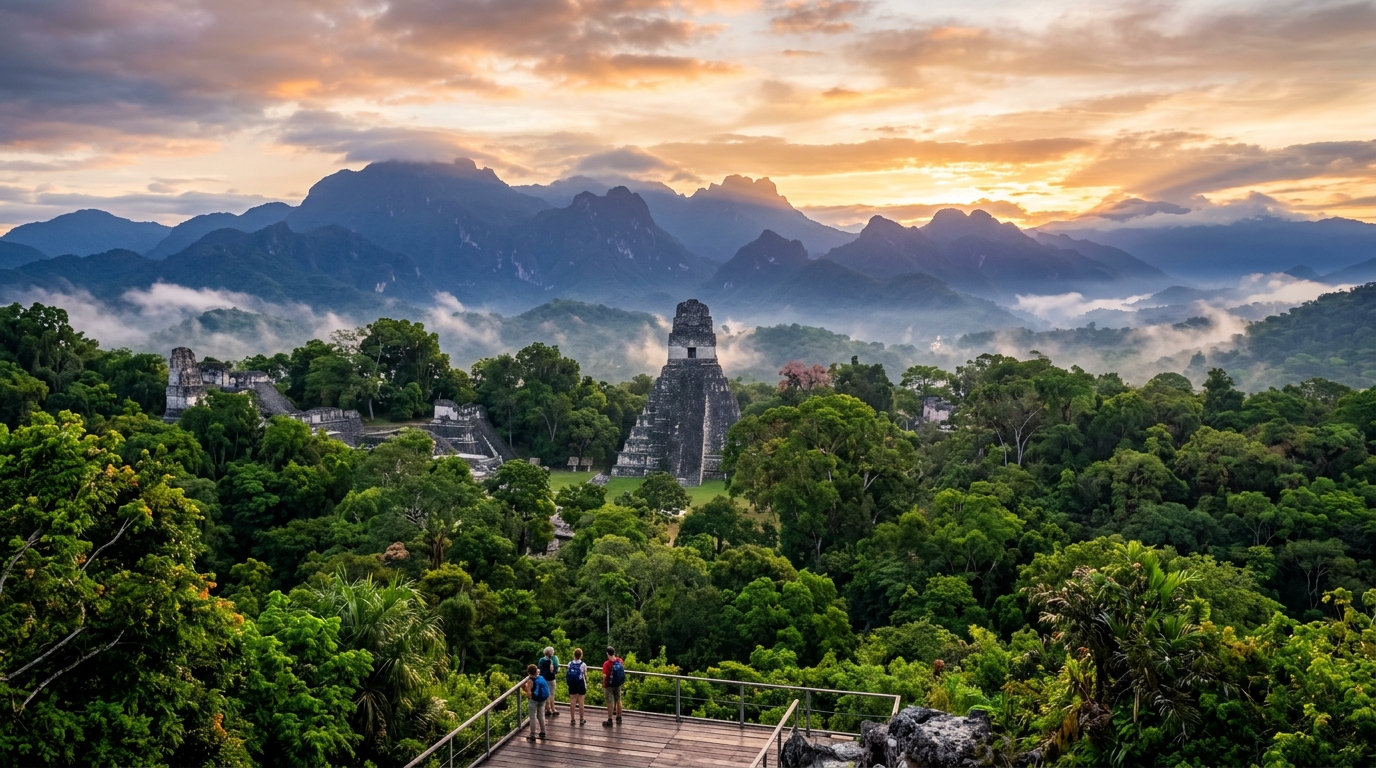

Guatemala stands as one of Central America’s most captivating destinations, offering an extraordinary blend of ancient history, dramatic landscapes, and vibrant living cultures. From mist-shrouded Mayan temples rising from dense rainforests to turquoise lakes framed by towering volcanoes, this remarkable country delivers experiences that linger long after your journey ends. With its rich cultural heritage, breathtaking natural beauty, and renowned hospitality, Guatemala invites travelers to explore its many treasures while remaining refreshingly affordable compared to more frequented destinations.
Whether you’re drawn to archaeological wonders, outdoor adventures, colonial architecture, or authentic cultural exchanges, Guatemala offers something extraordinary for every type of traveler. This comprehensive guide reveals why this Central American jewel deserves a top spot on your travel list and provides practical insights to help you plan an unforgettable journey.
10 Compelling Reasons to Visit Guatemala
1. Rich Cultural Heritage
Guatemala’s cultural tapestry weaves together ancient Mayan traditions with Spanish colonial influences, creating one of the most culturally diverse nations in the Americas. The country is home to 22 distinct indigenous groups, each preserving unique languages, traditional dress, customs, and ceremonial practices that have endured for centuries.
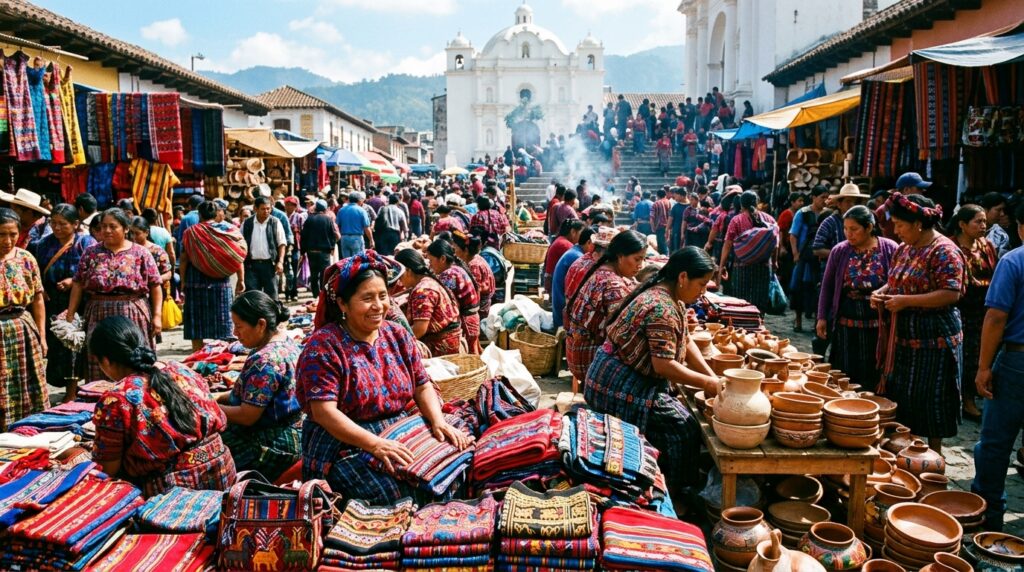
In the highland town of Chichicastenango, the famous Thursday and Sunday markets burst with color and life. Local vendors display handwoven textiles featuring intricate patterns passed down through generations, ceremonial masks used in traditional dances, and handcrafted pottery. The Church of Santo Tomás, built atop a pre-Columbian temple, showcases the fascinating syncretism of Catholic and Mayan spiritual practices as indigenous worshippers burn copal incense on the steps.
Visiting traditional villages around Lake Atitlan offers intimate glimpses into daily life where women in vibrant huipiles (traditional blouses) weave on backstrap looms, and men farm using techniques unchanged for millennia. These living traditions aren’t museum exhibits—they’re vibrant, evolving expressions of cultural identity that welcome respectful visitors.
2. Stunning Volcanoes
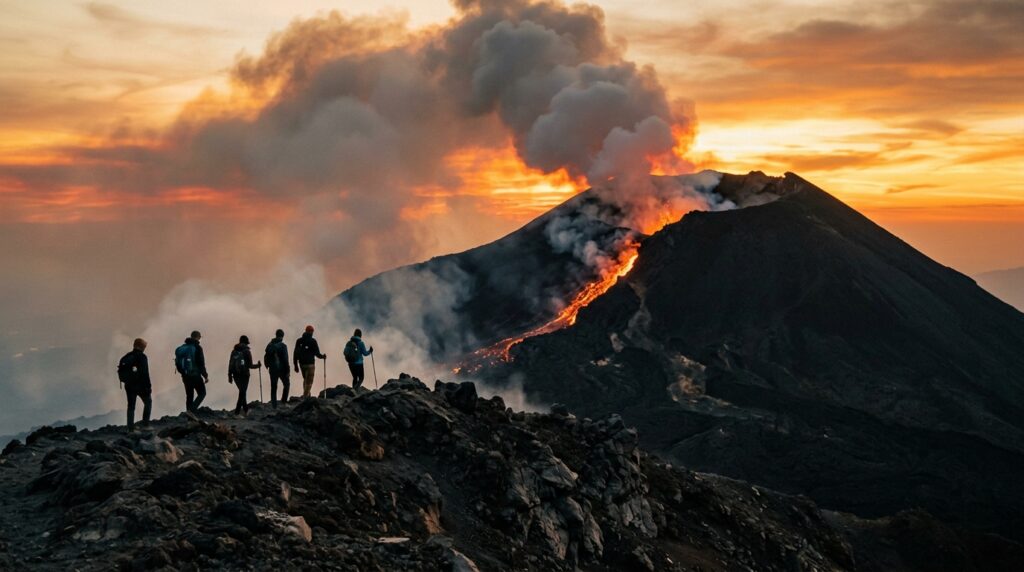
Guatemala’s dramatic landscape features over 30 volcanoes, several of which remain active, creating some of the most spectacular hiking opportunities in Central America. Volcán Pacaya, located just 30 kilometers from Guatemala City, ranks among the most accessible active volcanoes in the world. The moderate 2-3 hour hike rewards adventurers with views of glowing lava flows, hardened lava fields, and panoramic vistas stretching to the Pacific Ocean on clear days.
For the more ambitious, Volcán Acatenango offers an unforgettable overnight adventure. The challenging 5-6 hour ascent leads to campsites positioned perfectly to witness Volcán Fuego’s spectacular eruptions throughout the night—a mesmerizing display of nature’s power as glowing lava arcs into the darkness.
The three volcanoes surrounding Lake Atitlan—San Pedro, Tolimán, and Atitlan—create one of the world’s most photographed lake settings. Each offers distinct hiking experiences, from the steep climb up San Pedro’s cloud forest to the more gentle slopes of Tolimán.
3. Unrivaled Mayan Ruins
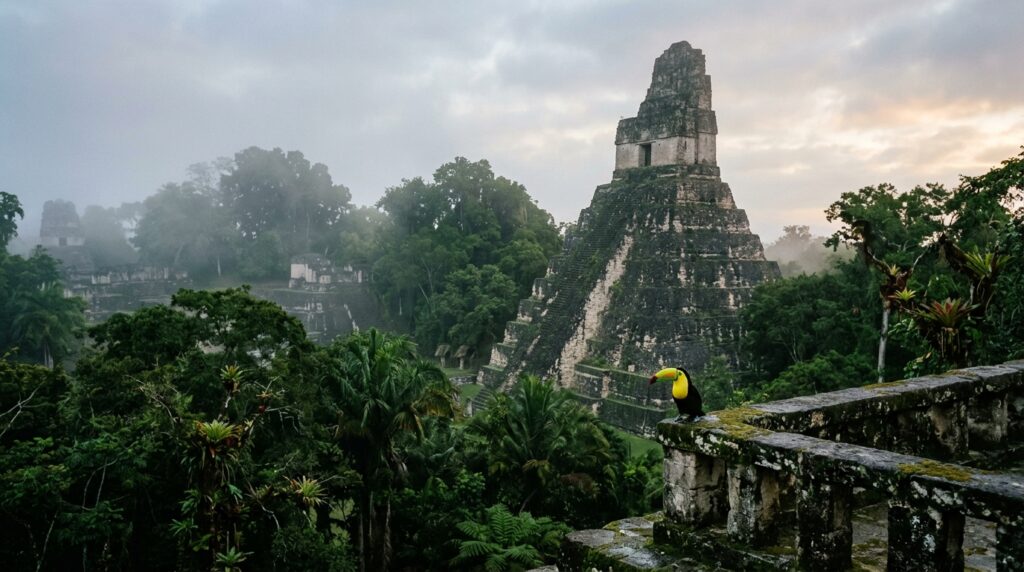
Guatemala contains some of the most significant and spectacular Mayan archaeological sites in existence. Tikal National Park, a UNESCO World Heritage Site in the Petén rainforest, represents the crown jewel of Mayan civilization. This ancient city, which flourished between 200 and 900 AD, features towering temple pyramids rising 70 meters above the jungle canopy, expansive plazas, and intricate stone carvings.
Arriving at Tikal at dawn offers a magical experience as howler monkeys announce the sunrise and toucans fly between ancient temples. Temple IV, one of the tallest pre-Columbian structures in the Americas, provides breathtaking views over the endless rainforest canopy where additional ruins peek through the trees.
For those seeking a less crowded alternative, Yaxhá offers equally impressive architecture with the added bonus of sunset views over a pristine lake. The site’s remote location means you might have entire temple complexes to yourself. Quiriguá, near the Honduran border, features the tallest stone monuments (stelae) ever carved by the Maya, with intricate hieroglyphic inscriptions.
4. Breathtaking Lakes and Waterfalls
Beyond its volcanoes and ruins, Guatemala boasts extraordinary aquatic landscapes. Lake Atitlan, described by Aldous Huxley as surpassing even Italy’s Lake Como, sits in a massive volcanic crater surrounded by three volcanoes and a dozen traditional Maya villages. Each village—from the artisan workshops of San Juan La Laguna to the hiking trails above Santa Cruz—offers distinct character and charm.
Spend your days kayaking across the deep blue waters, hiking between villages along ancient footpaths, or simply relaxing at a lakeside café watching the light change on the volcanoes. Boat taxis provide affordable transportation between villages, making it easy to explore at your own pace.
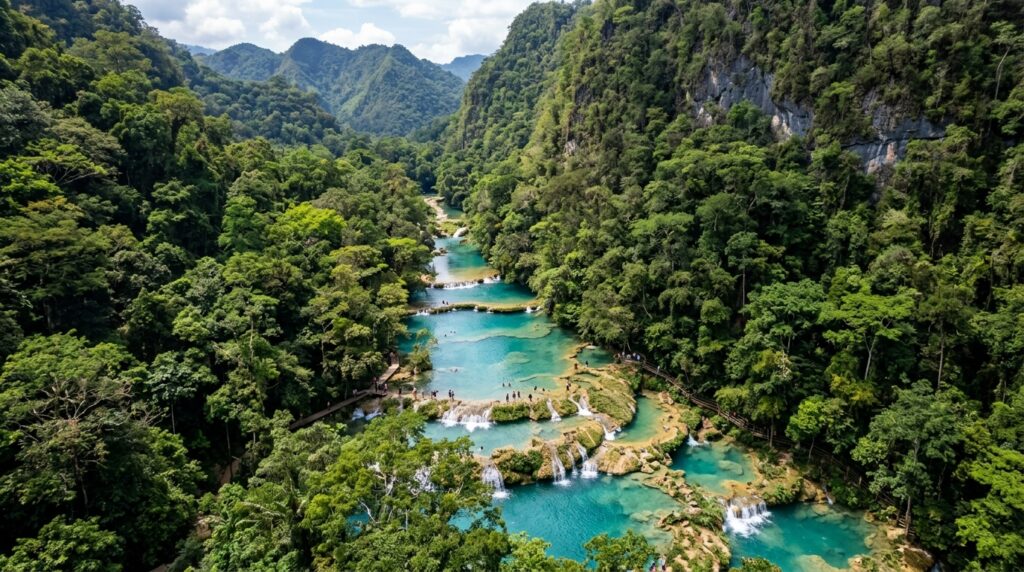
Semuc Champey, hidden in the remote limestone mountains of Alta Verapaz, ranks among Guatemala’s most spectacular natural wonders. This 300-meter-long natural limestone bridge features a series of turquoise pools fed by the Cahabón River, creating cascading waterfalls and swimming holes of extraordinary beauty. Reaching this remote paradise requires commitment—a 45-minute hike through the jungle and river crossings—but the pristine setting and crystal-clear waters make it worthwhile.
5. Vibrant Cities and Towns
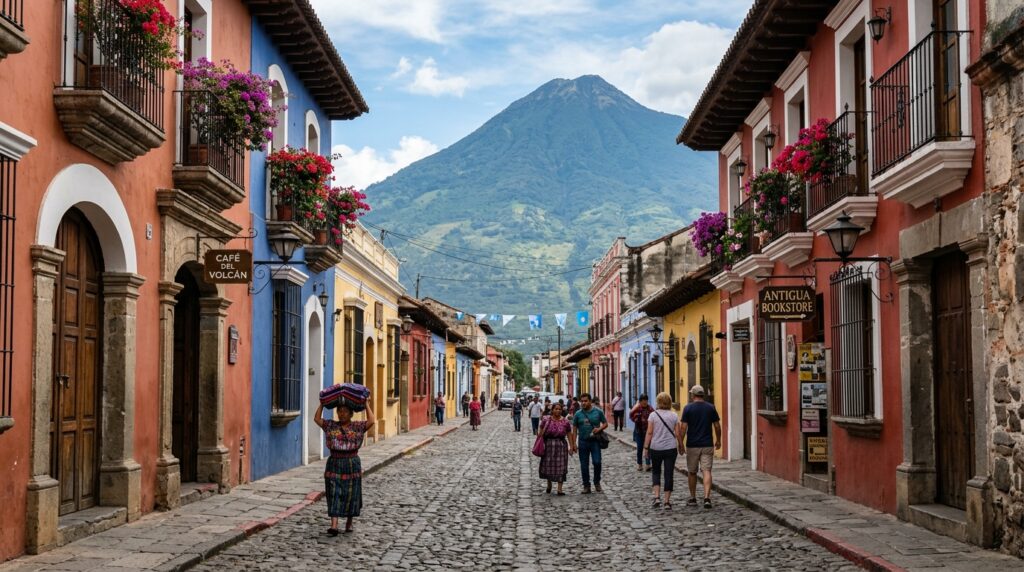
Antigua Guatemala, a UNESCO World Heritage Site, transports visitors to the Spanish colonial era with its perfectly preserved baroque architecture, cobblestone streets, and ruins of churches damaged by earthquakes. The city’s grid pattern, established in the 16th century, remains intact, lined with colorful buildings in shades of ochre, pink, and yellow.
Spend mornings exploring the Central Park and Cathedral, afternoons visiting chocolate workshops and coffee fincas, and evenings dining at rooftop restaurants with views of surrounding volcanoes. The city’s thriving expat community has created a cosmopolitan atmosphere while maintaining authentic Guatemalan character.
Guatemala City, often overlooked by tourists, rewards visitors with world-class museums like the Museo Nacional de Arqueología y Etnología, which houses an extraordinary collection of Mayan artifacts including jade masks and carved stelae. The Zona Viva district pulses with nightlife, while the historic center reveals colonial architecture and bustling markets.
6. Adventure and Ecotourism Opportunities
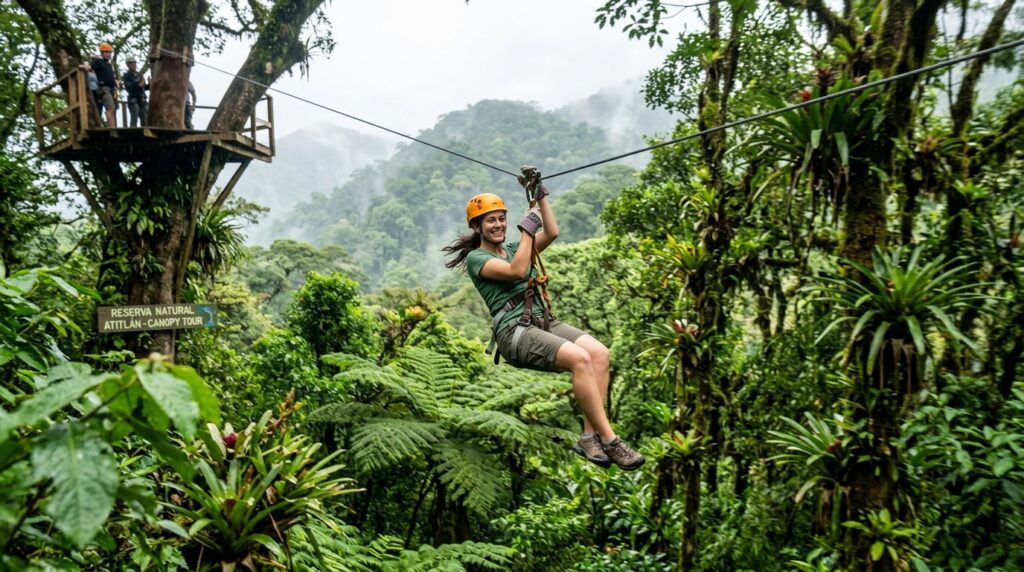
Guatemala’s diverse ecosystems—from Pacific coast mangroves to highland cloud forests to Petén rainforests—create exceptional opportunities for adventure and ecotourism. The country’s commitment to conservation has established numerous protected areas where sustainable tourism supports local communities and wildlife preservation.
Zip-lining through cloud forests near Lake Atitlan provides adrenaline rushes while supporting reforestation projects. Kayaking the mangrove channels of Monterrico on the Pacific coast offers chances to spot crocodiles and tropical birds. Cave tubing and rappelling in the limestone caves near Lanquín appeal to thrill-seekers.
The Maya Biosphere Reserve, encompassing over 2 million hectares in the Petén, represents one of the largest protected rainforests in Central America. Community-managed concessions within the reserve demonstrate how sustainable forestry and tourism can coexist with conservation, protecting endangered species while providing livelihoods for local families.
7. Delicious Guatemalan Cuisine
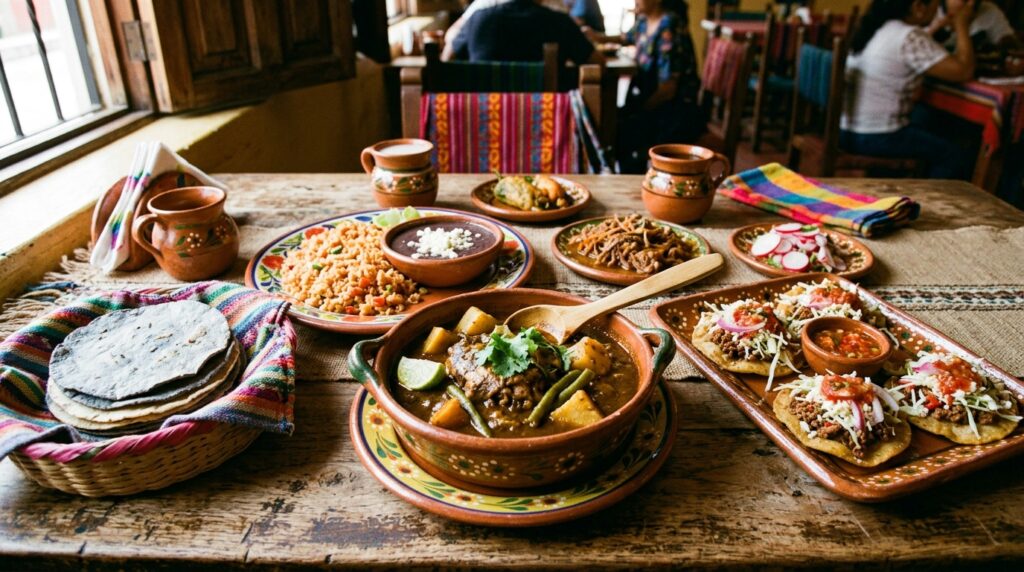
Guatemalan cuisine reflects the country’s cultural fusion, combining indigenous ingredients and techniques with Spanish influences. Start your day with a traditional breakfast of black beans, eggs, plantains, cheese, and tortillas, accompanied by excellent locally-grown coffee.
Pepián, Guatemala’s national dish, is a rich, complex stew featuring chicken or beef in a thick sauce of roasted seeds, chilies, and spices, typically served with rice and tortillas. Kaq’ik, a traditional Q’eqchi’ Mayan turkey soup flavored with cobanero chilies and coriander, showcases indigenous culinary traditions.
Street food offers delicious and affordable options: try garnachas (fried tortillas topped with meat and vegetables), chuchitos (tamales in corn husks), or fresh fruit cups with lime and chili. Don’t miss trying Guatemalan chocolate, prepared using traditional stone-ground methods, or sampling the country’s world-renowned coffee on a finca tour.
8. Incredible Wildlife
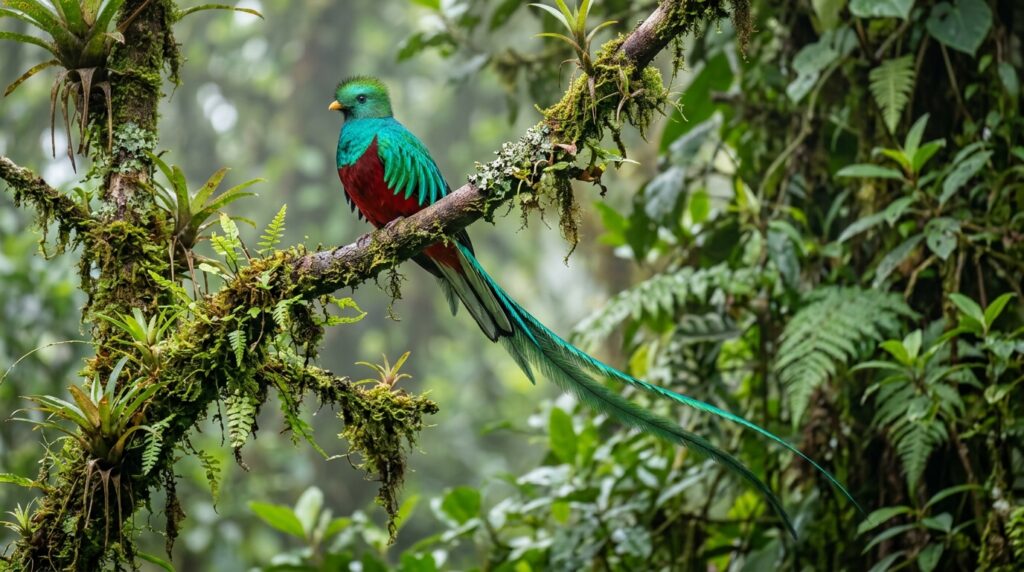
Guatemala’s position as a biological bridge between North and South America, combined with its varied elevations and ecosystems, supports extraordinary biodiversity. The country harbors over 700 bird species, making it a premier destination for birdwatchers. The resplendent quetzal, Guatemala’s national bird with its spectacular emerald plumage and flowing tail feathers, inhabits cloud forests at elevations between 1,500 and 3,000 meters.
The Maya Biosphere Reserve protects significant populations of jaguars, pumas, ocelots, and tapirs, though spotting these elusive cats requires patience and expert guides. Howler monkeys, spider monkeys, and white-faced capuchins are more commonly observed, their calls echoing through the Tikal forest at dawn.
Marine turtle nesting sites along the Pacific coast, particularly at Monterrico, offer opportunities to witness olive ridley and hawksbill turtles coming ashore during nesting season (July to December). Community-led conservation projects protect these endangered species while providing sustainable income for local communities.
9. Warm, Welcoming People
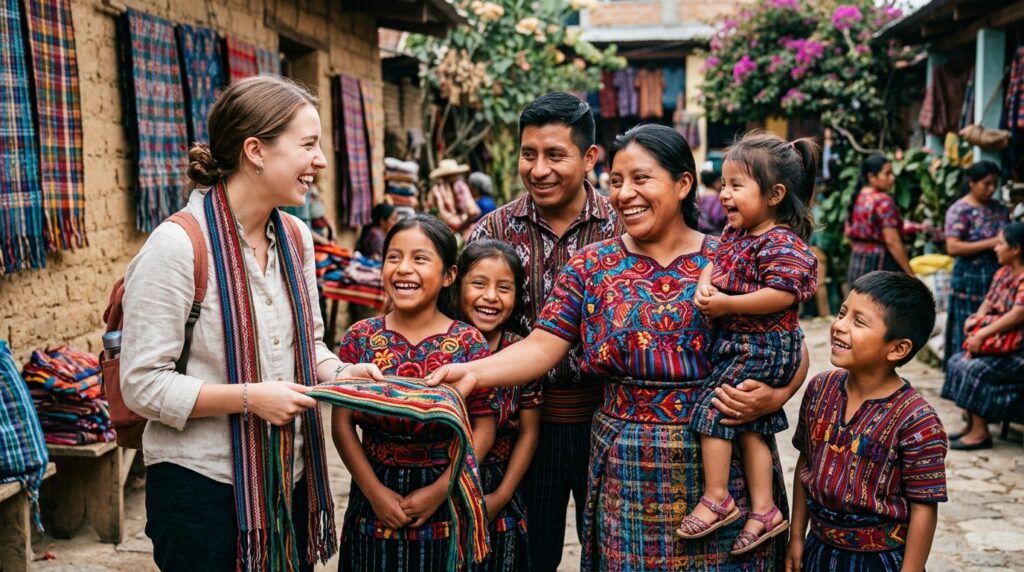
Perhaps Guatemala’s greatest treasure is its people. Guatemalans are renowned for their warmth, hospitality, and genuine interest in sharing their culture with visitors. In rural villages, it’s common to be invited to observe or participate in traditional ceremonies, weaving demonstrations, or community celebrations.
The indigenous communities around Lake Atitlan and the western highlands maintain strong cultural identities while welcoming respectful visitors. Many villages offer community-based tourism initiatives where your visit directly supports local development, education, and cultural preservation.
Learning a few phrases in Spanish or one of the 22 Mayan languages spoken in Guatemala (K’iche’, Kaqchikel, or Q’eqchi’ are most common) opens doors to meaningful interactions. Even simple greetings are appreciated and often lead to conversations, shared meals, or invitations to local events.
10. Affordable Travel Destination
Guatemala remains one of Central America’s most budget-friendly destinations, allowing travelers to experience rich cultural and natural attractions without straining finances. Budget accommodations range from $10-20 USD per night for clean, comfortable hostels and guesthouses, while mid-range hotels typically cost $40-80 USD.
Local meals at comedores (small family-run restaurants) cost $3-7 USD, while even upscale restaurant meals rarely exceed $15-20 USD. Public transportation via chicken buses (repurposed North American school buses) costs just a few dollars for intercity travel, though tourist shuttles offer more comfort for $15-30 USD.
Entrance fees to major attractions remain reasonable: Tikal costs approximately $22 USD, while most other archaeological sites charge $5-10 USD. Adventure activities like volcano hikes, zip-lining, and boat tours offer excellent value compared to similar experiences elsewhere.
Suggested 10-Day Guatemala Itinerary
Days 1-3: Antigua Guatemala Arrive in Guatemala City and transfer to Antigua (1 hour). Spend three days exploring colonial architecture, visiting coffee fincas, hiking nearby volcanoes, and enjoying the vibrant food scene.
Days 4-6: Lake Atitlan Travel to Lake Atitlan (2.5 hours). Base yourself in San Pedro or Santa Cruz for lake activities, village-hopping by boat, hiking, and cultural workshops.
Days 7-9: Tikal Fly or take an overnight bus to Flores, then visit Tikal for sunrise and explore the ruins. Spend a second day exploring lesser-known sites like Yaxhá.
Day 10: Return Return to Guatemala City for departure or extend your journey to Semuc Champey or the Pacific coast.
Transportation Tips
Guatemala’s transportation network includes chicken buses (colorful repurposed school buses) for budget travel, tourist shuttles connecting major destinations, domestic flights to Flores (for Tikal), and private transfers for comfort. Chicken buses are inexpensive but crowded and slow; tourist shuttles offer better comfort and safety for popular routes. Renting a car provides flexibility but requires confidence navigating mountain roads and occasional checkpoints.
Weather Advice
Guatemala’s climate varies significantly by elevation. The highlands (Antigua, Lake Atitlan) enjoy spring-like temperatures year-round (60-75°F/15-24°C) with a dry season from November to April and rainy season from May to October (typically afternoon showers). The Petén lowlands (Tikal) are hot and humid year-round (75-95°F/24-35°C). The Pacific coast is tropical and hot. Pack layers for highland areas, rain gear for the wet season, and light clothing for lowlands.
Essential Travel Information
Visa Requirements: Many nationalities receive 90-day tourist visas on arrival. Check current requirements before traveling as policies may change.
Currency: The Guatemalan Quetzal (GTQ) is the official currency. US dollars are widely accepted in tourist areas, but local currency is preferred for markets and rural areas.
Safety: Guatemala is generally safe for tourists who exercise common sense. Avoid displaying valuables, use registered taxis or shuttles, and stay informed about current conditions. Some areas near borders have higher crime rates.
Health: Drink bottled or purified water. Consider vaccinations for hepatitis A, typhoid, and routine immunizations. Altitude sickness is rarely an issue except for serious volcano climbs.
Language: Spanish is the official language. Over 20 Mayan languages are spoken in indigenous communities. English is common in tourist areas but less so in rural regions.
Visa requirements, flight schedules, and travel policies may change over time. Always verify current information with official sources before your trip.
Guatemala’s extraordinary combination of ancient wonders, natural beauty, living cultures, and warm hospitality creates travel experiences that transform perspectives and create lasting memories. Whether you’re watching sunrise over Tikal’s temples, kayaking across Lake Atitlan’s azure waters, or sharing a meal with a local family in a highland village, Guatemala invites you to discover not just a destination, but a way of seeing the world. Start planning your Guatemalan adventure today—this Central American gem awaits.