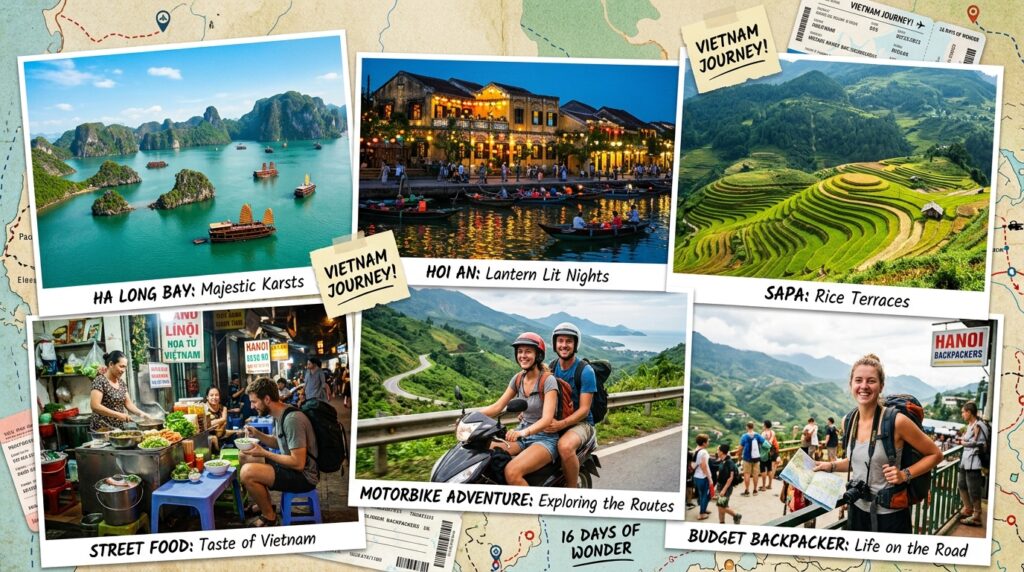

Vietnam has emerged as one of Southeast Asia’s most captivating destinations, drawing adventurous travelers, backpackers, and budget-conscious explorers from every corner of the globe. This stunning country offers an incredible blend of breathtaking landscapes, rich cultural heritage, and some of the world’s most delicious cuisine—all without requiring a fortune to experience. The remarkable truth? You can explore Vietnam for as little as $20 a day while still enjoying authentic experiences, mouthwatering street food, and unforgettable adventures.
Whether you’re dreaming of cruising through the emerald waters of Ha Long Bay, wandering the ancient streets of Hoi An, or savoring a steaming bowl of pho at a bustling street corner, Vietnam delivers exceptional value for budget travelers. This comprehensive guide reveals ten essential money-saving strategies that will help you experience the very best of Vietnam without draining your wallet.
10. Timing Your Visit: When to Travel Vietnam on a Budget
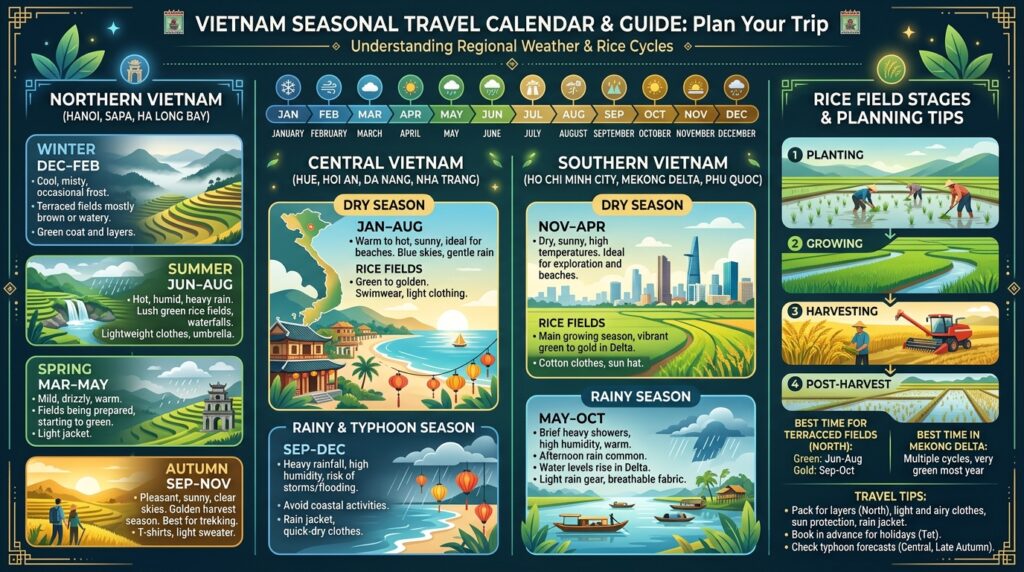
Choosing the optimal time to visit Vietnam can dramatically impact your overall travel expenses. The country experiences distinct seasonal patterns that directly influence accommodation rates, flight prices, and crowd levels at popular attractions.
The peak tourist season in Vietnam typically stretches from November through April, when the weather is cooler and more comfortable across most regions. While this period offers ideal conditions for sightseeing, it also brings higher prices for flights and accommodations, along with crowded tourist hotspots. Popular destinations like Ha Long Bay, Hoi An, and Sapa can become quite congested during these months.
For budget-savvy travelers seeking the perfect balance between favorable weather and affordable prices, consider visiting during the shoulder months of May and October. During these transitional periods, you’ll encounter fewer tourists, more reasonable accommodation rates, and generally pleasant weather conditions. While you might experience occasional rain showers, the trade-off often includes significant savings and a more authentic experience without the crowds.
The low season, particularly during the summer months in certain regions, can offer the deepest discounts on accommodations and tours. However, be prepared for higher humidity and more frequent rainfall. If you’re flexible with your itinerary and don’t mind adapting to weather changes, traveling during these periods can stretch your budget considerably.
9. Scoring Affordable Flights to Vietnam
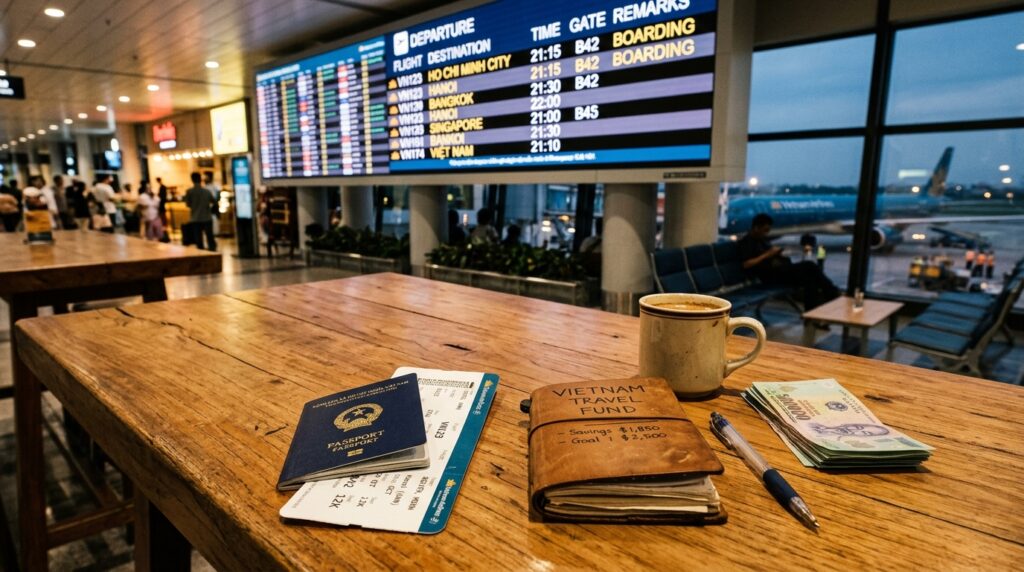
The cost of reaching Vietnam varies significantly depending on your departure location, but strategic planning can help you secure excellent deals on airfare. One of the most effective ways to save on flights is booking well in advance—ideally two to three months before your intended travel date.
Utilize flight comparison platforms like Skyscanner, Google Flights, or Momondo to track prices across multiple airlines and dates. Setting up price alerts on these platforms ensures you’ll be notified immediately when fares drop, allowing you to pounce on the best deals. Flexibility with your travel dates can result in substantial savings; flying mid-week rather than on weekends often yields lower fares.
Consider budget airlines such as VietJet Air or Bamboo Airways, which offer competitive prices from various Asian hubs and beyond. These carriers frequently run promotions that can slash ticket prices significantly. If you’re traveling from Europe or North America, look for deals with layovers in major Southeast Asian hubs like Bangkok, Singapore, or Kuala Lumpur. Sometimes booking separate tickets—one to a regional hub and another to Vietnam—can be cheaper than a direct connection.
Additionally, consider alternative airports. Flying into Ho Chi Minh City or Hanoi might offer different pricing, and domestic connections within Vietnam are remarkably affordable if you need to reach a specific region.
8. Budget-Friendly Accommodation Options
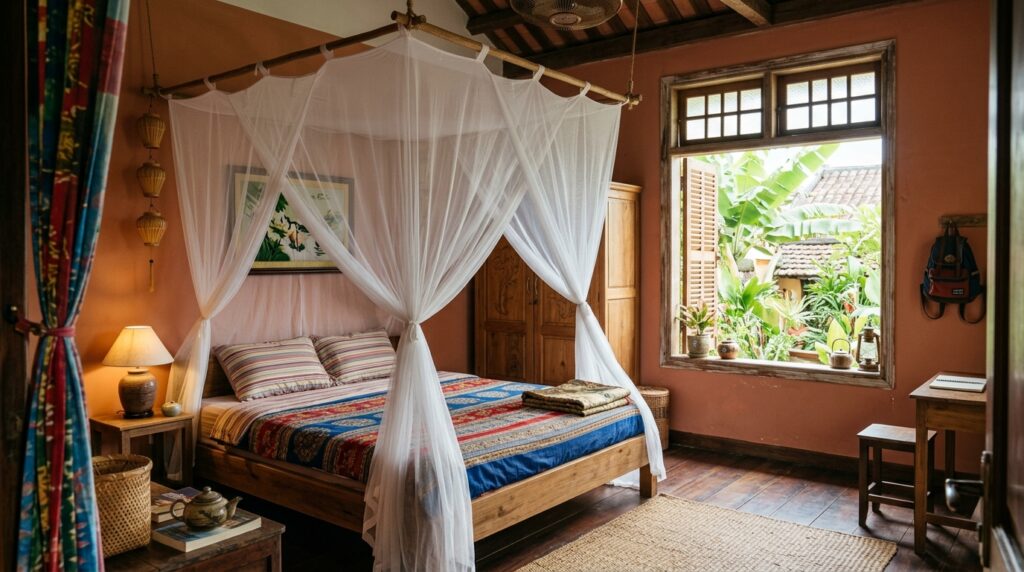
Vietnam is a backpacker’s paradise when it comes to affordable lodging, offering an impressive range of options to suit every budget and travel style. From social hostels to cozy guesthouses and budget hotels, you’ll find comfortable places to rest without spending a fortune.
In major cities like Hanoi and Ho Chi Minh City, dormitory beds in hostels typically cost between $3 and $7 per night. These accommodations often include amenities like free Wi-Fi, communal kitchens, and social areas where you can meet fellow travelers. Many hostels also organize group activities and tours, providing excellent opportunities to explore with new friends.
Private rooms in guesthouses and budget hotels usually range from $10 to $20 per night, offering excellent value for couples or travelers seeking more privacy. These establishments often feature clean, comfortable rooms with air conditioning, private bathrooms, and sometimes even breakfast included. Family-run guesthouses provide an authentic Vietnamese hospitality experience while keeping costs low.
For a truly immersive cultural experience, consider homestays, particularly in rural areas like Sapa, Mai Chau, or the Mekong Delta. Staying with local families not only helps you save money but also allows you to experience traditional Vietnamese culture, cuisine, and daily life firsthand. These arrangements typically cost $10 to $15 per night, including meals.
Airbnb and similar platforms have also gained popularity in Vietnam, offering private rooms and entire apartments at competitive prices, often lower than traditional hotels. This option works particularly well for longer stays or groups traveling together.
7. Navigating Vietnam affordably
Transportation within Vietnam is remarkably affordable, with numerous options catering to budget-conscious travelers. Getting around this elongated country is both economical and relatively straightforward once you understand the available choices.
For urban exploration, local buses represent the most economical option, with fares as low as $0.30 per ride in cities like Hanoi and Ho Chi Minh City. While these buses can be crowded and routes might be confusing initially, they’re incredibly cheap and reach most destinations within city limits. Downloading offline maps and bus route apps before your trip can make navigating public transport much easier.
Ride-hailing apps like Grab have revolutionized urban transportation in Vietnam, offering affordable and convenient rides on motorbikes or in cars. Grab is typically cheaper than traditional taxis and provides upfront pricing, eliminating negotiation hassles. A typical motorbike taxi ride across a city district might cost just $1 to $2.
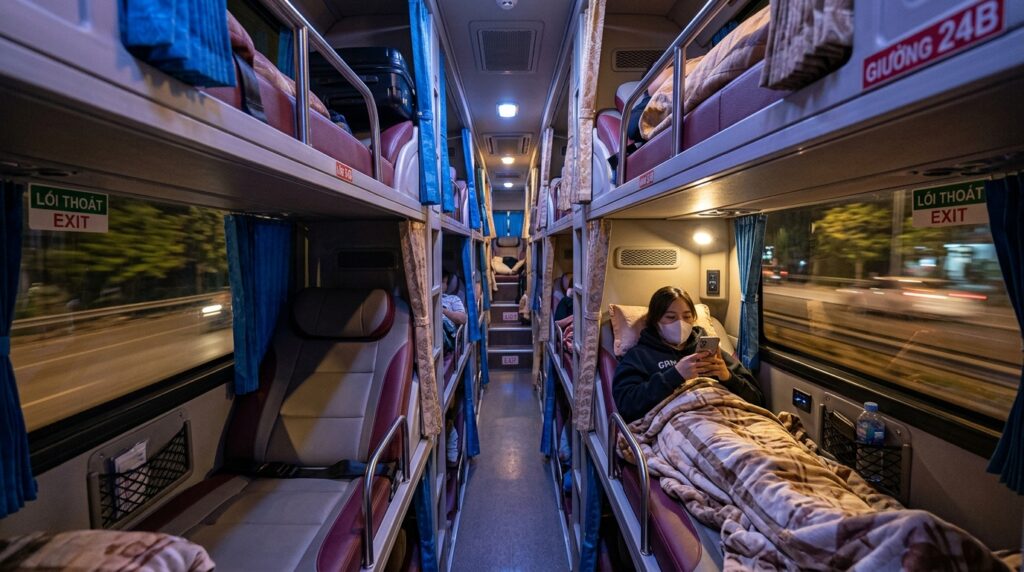
For long-distance travel, Vietnam’s bus system is efficient and budget-friendly. Overnight buses are particularly popular among travelers, allowing you to save on accommodation while covering long distances. Routes between major cities like Hanoi, Da Nang, and Ho Chi Minh City typically cost between $10 and $30, depending on the distance and bus quality. Sleeper buses with reclining seats are comfortable enough for overnight journeys.
Trains offer another scenic option for long-distance travel, with the Reunification Express running from Hanoi to Ho Chi Minh City along Vietnam’s stunning coastline. Train tickets start at around $10 for basic seats, though sleeper berths cost more. The journey provides breathtaking views of countryside, mountains, and coastal landscapes that you’d miss flying.
For the adventurous, renting a motorbike costs approximately $5 to $10 per day, offering ultimate freedom to explore at your own pace. However, ensure you have proper licensing, insurance, and confidence in your riding abilities before attempting this option.
6. Eating Like Royalty on a Shoestring Budget
One of the greatest joys of visiting Vietnam is the incredible food scene, and the best part is that you can feast like royalty for just a few dollars daily. Vietnamese cuisine is renowned worldwide for its fresh ingredients, bold flavors, and remarkable variety—all available at astonishingly affordable prices.
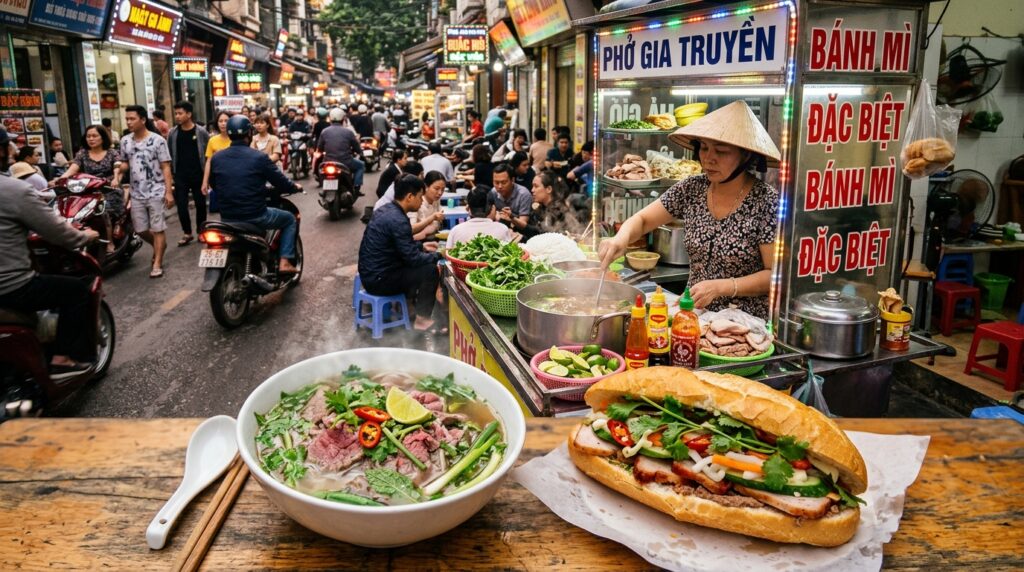
Street food forms the backbone of Vietnamese culinary culture, offering delicious, authentic meals at unbeatable prices. You can enjoy a hearty bowl of pho, Vietnam’s iconic noodle soup, for as little as $1.50 to $2 at local street stalls. These establishments often serve the most authentic versions, frequented by locals rather than tourists.
Banh mi, the famous Vietnamese sandwich featuring crispy baguettes filled with various meats, pickled vegetables, cilantro, and chili, costs approximately $1.50 to $3. This portable meal is perfect for breakfast or lunch on the go. Similarly, com tam (broken rice with grilled pork, egg, and vegetables) or com dia (rice plates with various toppings) provide filling meals for $1.50 to $3.
For lunch, look for “com binh dan” establishments—simple eateries serving set meals with rice, meat, vegetables, and soup. These local spots offer incredible value, typically charging $2 to $3 for a complete, nutritious meal.
To maximize your food budget, avoid restaurants in heavily touristed areas where prices are often inflated. Instead, venture into local neighborhoods where you’ll find authentic cuisine at genuine local prices. Don’t be intimidated by plastic stools and modest setups; some of Vietnam’s best food comes from the simplest street-side operations.
Fresh fruit from street vendors, Vietnamese coffee (ca phe) from sidewalk cafes, and refreshing sugarcane juice are all available for under $1, allowing you to snack and hydrate affordably throughout the day.
5. Free and Low-Cost Activities Across Vietnam
Vietnam brims with stunning natural beauty, historic landmarks, and vibrant cultural experiences that cost nothing to enjoy. You can fill your itinerary with memorable activities without spending a dime.
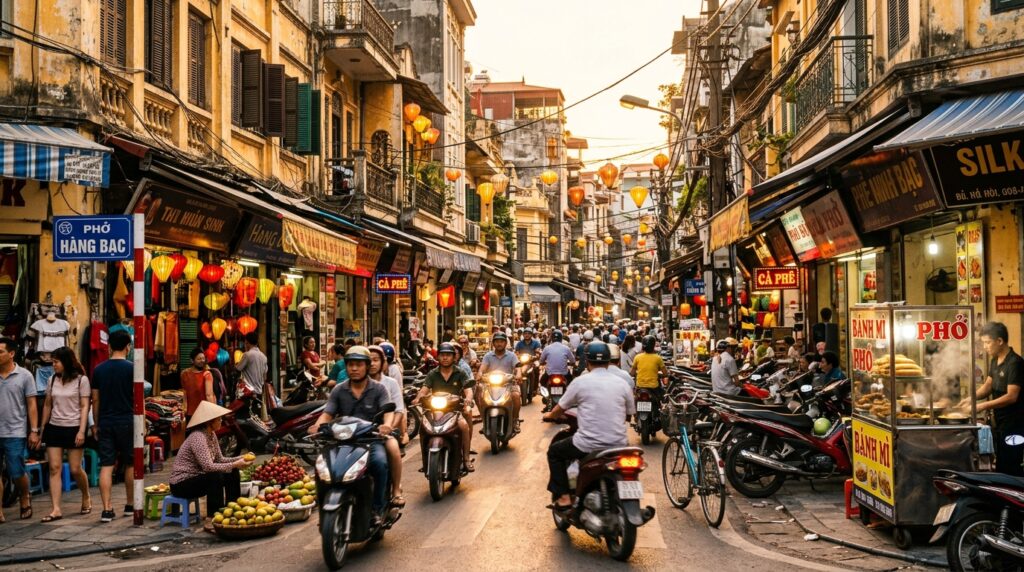
In Hanoi, wandering through the Old Quarter is completely free and offers an immersive experience of the city’s bustling energy. Navigate the maze of narrow streets named after the goods once sold there, observe daily life, and soak in the atmospheric chaos. Hoan Kiem Lake, located in the city center, provides a peaceful retreat where you can relax, take photographs, or watch locals practice tai chi at sunrise—all without spending anything.
Many Vietnamese cities offer free walking tours led by local guides eager to practice their English while showcasing their hometowns. These tours provide valuable insights into history, culture, and hidden gems while allowing you to explore from a local perspective. While tipping is appreciated, the tours themselves are free.
Visiting temples and pagodas throughout Vietnam is generally free or requires only a small donation. These sacred sites offer architectural beauty, peaceful atmospheres, and glimpses into Vietnamese spiritual life. The Temple of Literature in Hanoi, Hoi An’s ancient temples, and Hue’s imperial structures provide cultural enrichment at minimal cost.
Beach lovers can enjoy Vietnam’s stunning coastline without paying entrance fees. Destinations like Da Nang, Nha Trang, and Phu Quoc offer beautiful beaches where you can swim, sunbathe, and watch spectacular sunsets for free.
Hiking in areas like Sapa, Ninh Binh, or the mountains around Da Lat costs nothing if you explore independently. The breathtaking landscapes, rice terraces, and rural villages provide endless opportunities for exploration and photography.
4. Smart Savings on Tours and Excursions
While Vietnam offers numerous free activities, some of the country’s most spectacular experiences require guided tours or excursions. The good news is that you can significantly reduce costs by booking strategically.
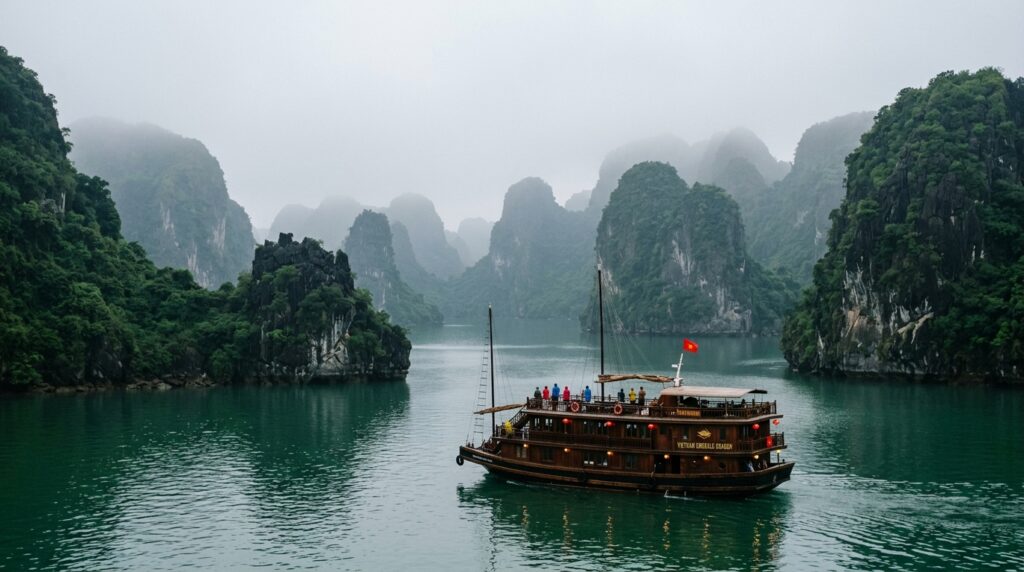
Always book tours directly with local agencies rather than through international operators or your hotel. For example, a Ha Long Bay day cruise booked locally might cost $20 to $30, while the same tour booked through an international company or upscale hotel could exceed $50. Local tour operators in tourist areas often have competitive pricing and similar quality to expensive alternatives.
Consider joining group tours rather than booking private excursions. Group tours distribute costs among multiple participants, making them considerably cheaper. This approach works particularly well for popular destinations like Ha Long Bay, Mekong Delta tours, or trekking in Sapa. You’ll also have the opportunity to meet fellow travelers and share experiences.
When visiting destinations like Sapa or Phong Nha, look for multi-day trekking or cave exploration packages that include accommodation and meals. These bundled deals often provide better value than booking each component separately.
Negotiate respectfully when booking tours, especially during low season or for last-minute bookings. Many operators have flexibility in their pricing, and a polite inquiry about discounts can sometimes yield savings of 10-20%.
Research tours online before arriving, read reviews, and compare prices among several operators. However, avoid booking too far in advance for domestic tours, as prices can sometimes be lower when booked locally a day or two before.
3. Shopping and Souvenirs Without Overspending
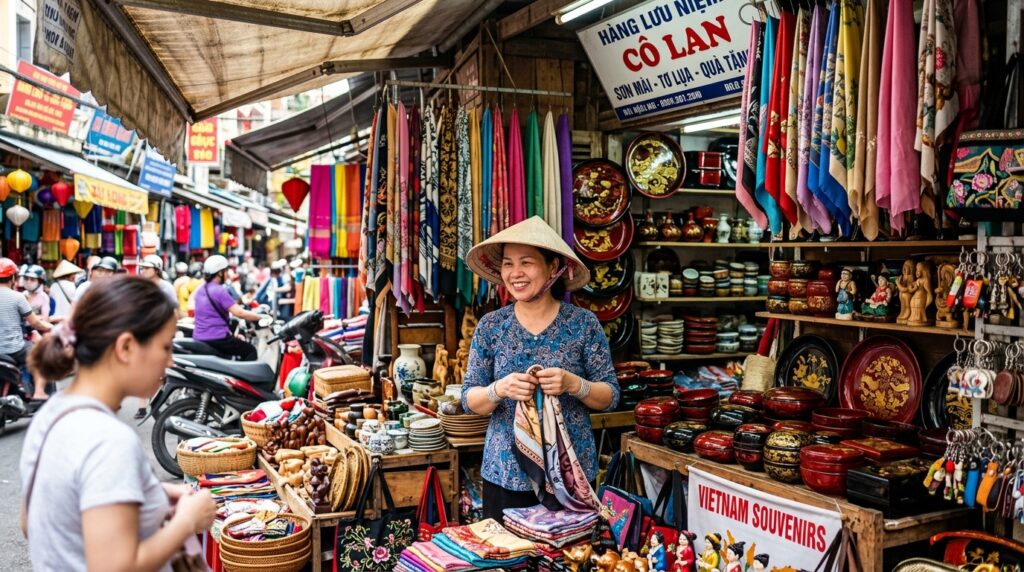
Vietnam offers fantastic opportunities to purchase unique souvenirs and gifts without breaking your budget. Local markets throughout the country are treasure troves of handmade crafts, clothing, artwork, and traditional items at remarkably affordable prices.
Markets like Ben Thanh Market in Ho Chi Minh City and Dong Xuan Market in Hanoi offer extensive selections of souvenirs, from silk scarves and lacquerware to coffee and handmade jewelry. The key to securing the best deals is learning to haggle respectfully. Vendors typically expect negotiation, and you can often reduce prices by 20-30% through friendly bargaining.
Start by offering roughly half the asking price and negotiate upward from there. Maintain a smile and friendly demeanor throughout the process—it’s meant to be an enjoyable cultural exchange, not a confrontation. If the price doesn’t meet your budget, politely walk away; sometimes vendors will call you back with a better offer.
Avoid shops that cater exclusively to tourists, as these establishments often have inflated prices. Instead, explore smaller local stalls and markets where residents shop. You’ll find better prices and more authentic items.
Consider purchasing coffee, tea, or silk directly from production facilities or local markets rather than upscale boutiques. Vietnam produces some of the world’s finest coffee, and buying directly from roasters or markets can cost a fraction of airport or hotel shop prices.
For clothing, local tailors in cities like Hoi An can create custom garments at reasonable prices if you need something specific. However, ready-made clothing at markets is incredibly affordable if you don’t require custom fitting.
2. Essential Travel Hacks for Budget Success
Implementing smart travel strategies can amplify your savings and make your Vietnam adventure even more affordable. These practical hacks will help you stretch every dollar further.
Always carry sufficient cash, as many small establishments, street vendors, and local markets don’t accept credit cards. While ATMs are widely available in cities and tourist areas, they charge withdrawal fees, so withdraw larger amounts less frequently to minimize these charges. Inform your bank of your travel plans to avoid card blocks.
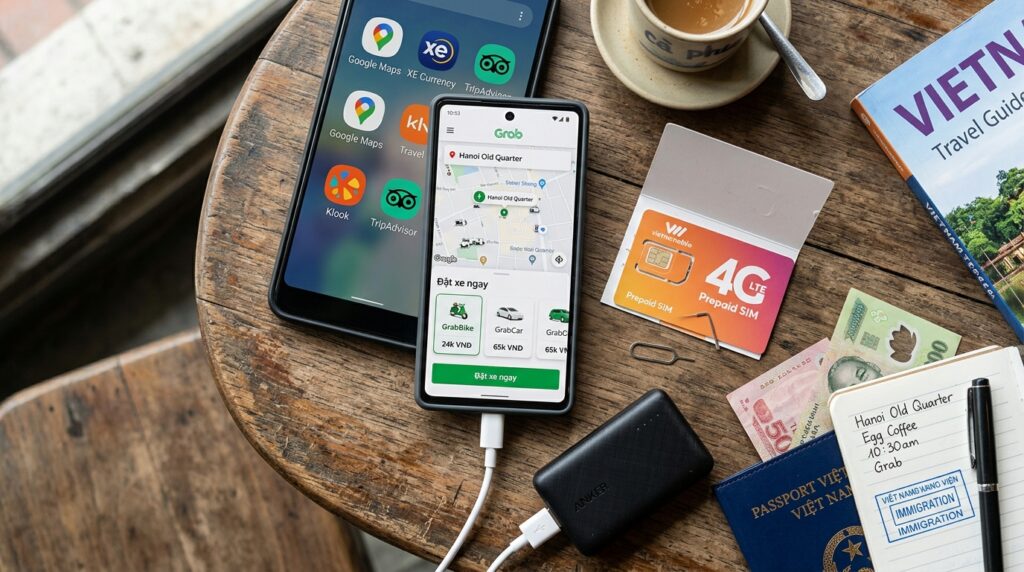
Purchase a local SIM card upon arrival for data and navigation. Vietnamese mobile providers like Viettel, Vinaphone, and Mobifone offer affordable data packages—often $5 to $10 for several gigabytes valid for a month. Having reliable internet access helps you navigate, translate, book accommodations, and avoid expensive international roaming charges.
Download essential apps before or during your trip: Grab for transportation, Google Translate (with Vietnamese offline pack), Maps.me for offline navigation, and booking platforms for last-minute accommodation deals. These tools help you avoid tourist traps and access local prices.
Use refillable water bottles and purchase large water containers from supermarkets to refill, rather than buying individual small bottles repeatedly. This saves money and reduces plastic waste. Many hostels and cafes also offer free water refills.
Take advantage of free breakfast included with many budget accommodations. Fill up in the morning to reduce food costs later. Similarly, shop at local markets for snacks and fruit rather than convenience stores, which charge premium prices.
Avoid tourist taxes and inflated prices by using local transportation, eating where locals eat, and booking directly with service providers rather than through third-party platforms that add commissions.
1. Preparing for Emergencies on a Budget
While Vietnam is remarkably affordable and generally safe, responsible budget travel includes preparing for unexpected situations. Planning for emergencies ensures that unforeseen circumstances don’t derail your trip or finances.
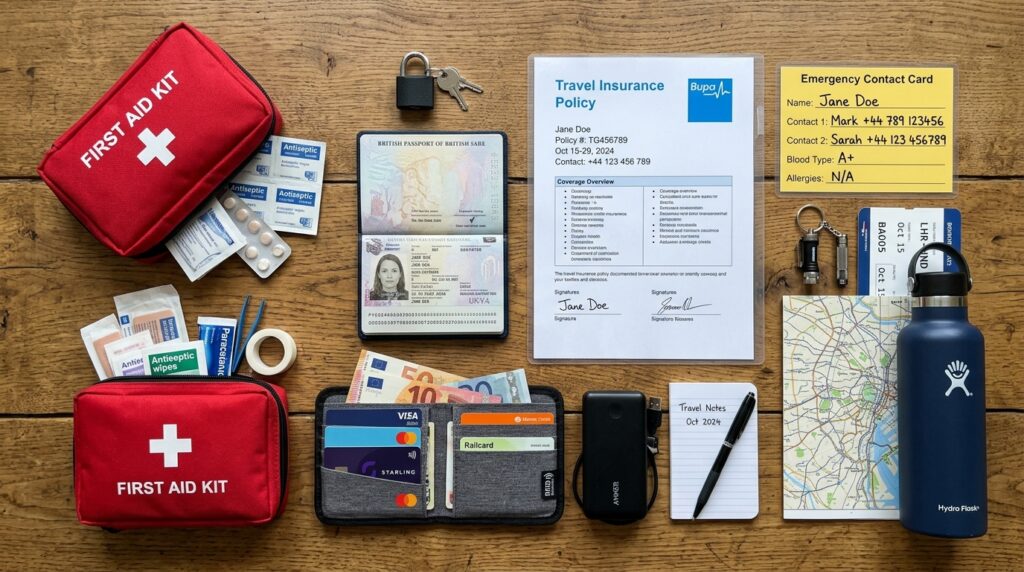
Invest in comprehensive travel insurance that covers medical expenses, trip cancellations, lost luggage, and emergency evacuations. While this represents an upfront cost, it protects you from potentially devastating expenses if accidents, illnesses, or emergencies occur. Compare policies to find affordable options that provide adequate coverage for your needs.
Maintain an emergency fund separate from your daily travel budget—ideally $200 to $500 depending on trip length. This reserve covers unexpected expenses like last-minute transportation changes, lost belongings, or unplanned accommodation needs. Keep this money accessible but separate from your spending cash.
Vietnam offers excellent and affordable healthcare, with quality hospitals in major cities. However, medical costs can still add up without insurance. Research reputable hospitals and clinics in areas you’ll visit, and keep their contact information handy.
Make digital and physical copies of important documents: passport, visa, travel insurance, flight confirmations, and emergency contacts. Store digital copies in cloud storage and email them to yourself. Keep physical copies separate from originals.
Register with your country’s embassy or consulate upon arrival, especially for extended stays. This ensures authorities can reach you in case of natural disasters, political unrest, or family emergencies back home.
Learn basic Vietnamese phrases for emergencies and keep the local emergency number (113 for police, 115 for ambulance) saved in your phone. While many Vietnamese people in tourist areas speak English, having emergency phrases prepared can be crucial in urgent situations.
Conclusion: Your Affordable Vietnamese Adventure Awaits
Vietnam stands as proof that extraordinary travel experiences don’t require extraordinary budgets. With daily costs as low as $20, this remarkable country offers unparalleled value for budget-conscious travelers seeking adventure, culture, cuisine, and natural beauty.
By timing your visit strategically, booking smart, embracing local transportation and street food, and taking advantage of free activities, you can explore Vietnam’s wonders without financial stress. The country’s affordability extends beyond mere cost savings—it enables deeper cultural immersion, longer stays, and more spontaneous adventures.
From the bustling streets of Hanoi to the tranquil waters of Ha Long Bay, from ancient Hoi An to the vibrant Mekong Delta, Vietnam welcomes budget travelers with open arms and unforgettable experiences. Pack your bags, bring your sense of adventure, and discover why Vietnam remains one of the world’s premier budget travel destinations.
Your incredible Vietnamese journey awaits—and it won’t break the bank.