When most travelers dream of American national parks, their minds immediately wander to the iconic trio: Yellowstone’s geysers, Yosemite’s granite cliffs, or the Grand Canyon’s vast expanse. While these parks undoubtedly deserve their fame, there’s a hidden world of extraordinary landscapes waiting to be discovered beyond the crowds.
The United States National Park System encompasses over 400 sites, including 63 designated national parks. Many of these remain remarkably undiscovered, offering stunning scenery, diverse wildlife, and something increasingly rare in today’s world—genuine solitude. If you’re seeking adventure without the tourist chaos, these ten underrated national parks should top your 2026 travel list.
Why Choose Underrated National Parks?

Over-tourism has become a pressing issue in America’s most famous parks. Parking lots fill by 7 AM, trails become congested highways, and the very wilderness experience people seek gets lost in the shuffle. By choosing lesser-known parks, you’ll enjoy:
- Authentic wilderness experiences without crowds
- Better wildlife viewing opportunities
- More available accommodations and campsites
- Lower costs for lodging and activities
- The chance to support local communities in lesser-visited regions
- Genuine connection with nature and yourself
10. Lassen Volcanic National Park, California
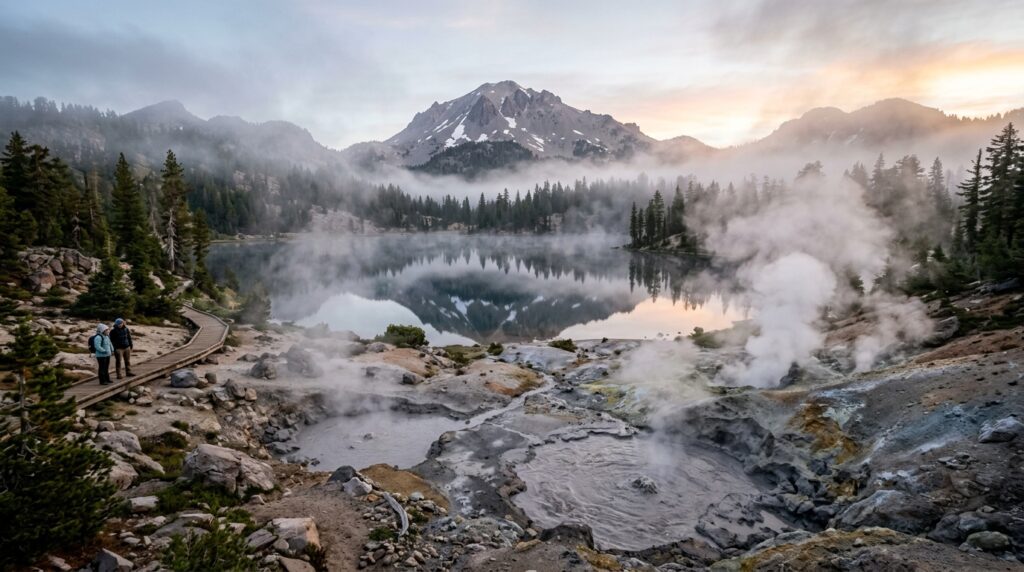
Tucked away in Northern California’s Cascade Range, Lassen Volcanic National Park is a geothermal wonderland that often lives in Yellowstone’s shadow—but it deserves the spotlight. This diverse park features all four types of volcanoes found on Earth, making it a geological treasure trove.
Must-See Highlights:
- Bumpass Hell Trail (3 miles round-trip): Walk through an otherworldly landscape of steaming fumaroles, boiling mud pots, and hot springs
- Lassen Peak: Hike to the summit of one of the world’s largest plug dome volcanoes (5 miles round-trip, 2,000 ft elevation gain)
- Emerald Lake and Lake Helen: Crystal-clear alpine lakes perfect for photography and reflection
Best Time to Visit: July through September offers the most accessible trails and pleasant temperatures (60-75°F). Winter transforms the park into a snowshoeing and cross-country skiing paradise.
Transportation Tips: The park is 50 miles east of Redding, California, via Highway 44. Allow 2-3 days to explore properly. The scenic 30-mile Lassen Volcanic National Park Highway connects major attractions.
Where to Stay: Camp at Summit Lake Campground or stay in the historic Drakesbad Guest Ranch. Nearby towns like Chester offer cozy lodgings.
Local Food Scene: Don’t miss the hearty breakfast at Chester’s Café before heading into the park. Pack plenty of water and snacks for the trails.
9. Great Basin National Park, Nevada
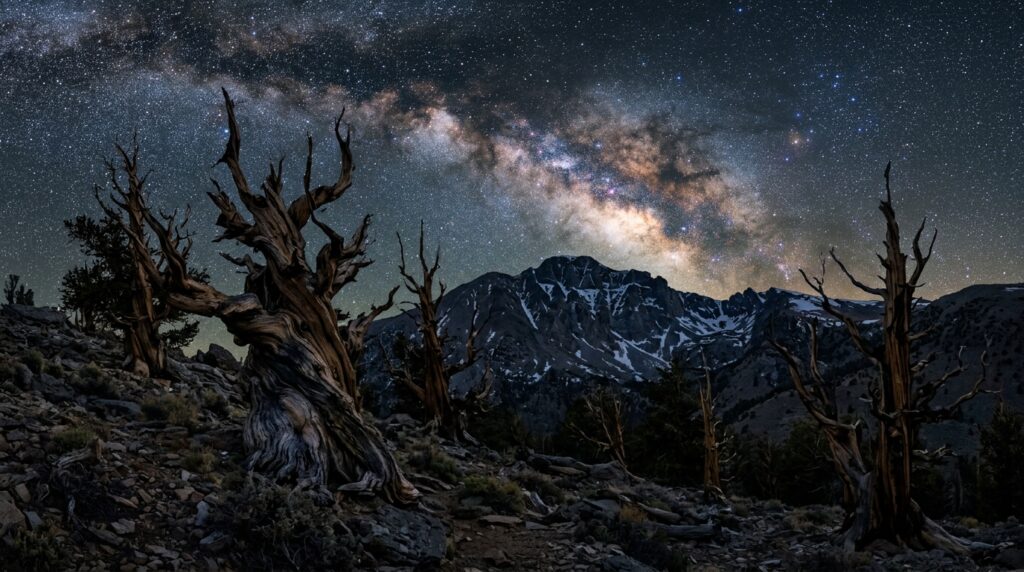
One of America’s most remote national parks, Great Basin is a true hidden gem in eastern Nevada. This isolated sanctuary features towering peaks, ancient forests, and underground wonders that rival any famous park.
Unmissable Experiences:
- Lehman Caves Tour: Explore this marble cavern filled with stunning stalactites and stalagmites (book tours in advance)
- Wheeler Peak Summit: At 13,063 feet, this challenging hike rewards you with panoramic views (8.6 miles round-trip)
- Ancient Bristlecone Pine Grove: Walk among trees over 4,000 years old along the 1-mile loop trail
Best Time to Visit: June through September for hiking; October for spectacular fall colors. Winter offers exceptional stargazing with some of the darkest skies in the continental US.
Transportation Tips: The nearest major airport is in Las Vegas (290 miles away). Rent a 4WD vehicle for exploring backcountry roads. Allow 4-5 hours of driving from Vegas.
Where to Stay: Reserve campsites at Upper Lehman Creek or stay in the charming town of Baker, Nevada, just 5 miles from the park entrance.
Weather Wisdom: Temperatures vary dramatically with elevation. Pack layers—summit temperatures can be 30°F cooler than the valley floor.
8. Congaree National Park, South Carolina
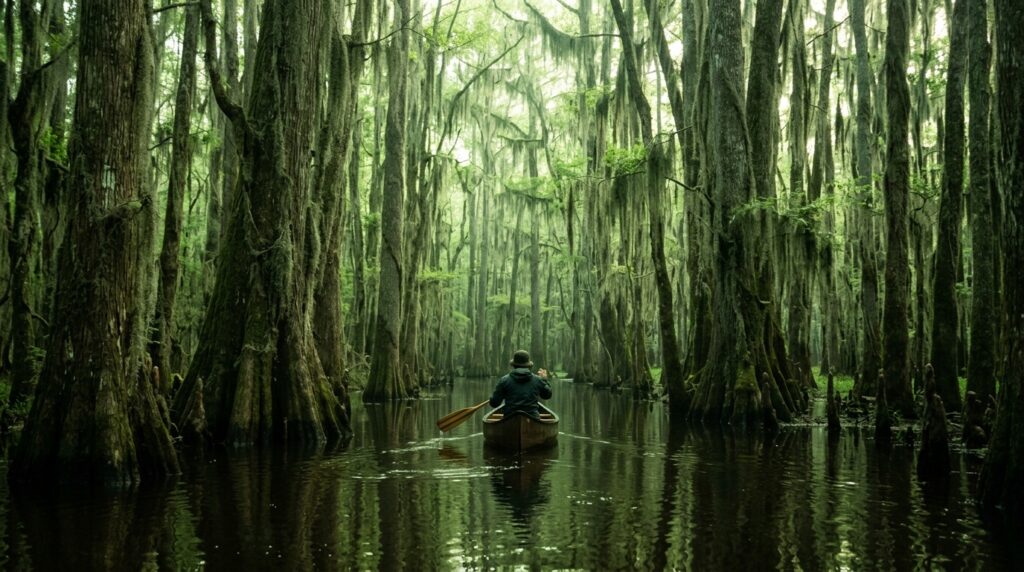
While many overlook this South Carolina gem in favor of mountain destinations, Congaree protects the largest intact expanse of old-growth bottomland hardwood forest in North America. This unique ecosystem creates a surreal, almost mystical landscape.
Top Activities:
- Canoe or Kayak the Cedar Creek Canoe Trail: Paddle through a watery world of towering cypress and tupelo trees (2-4 hours)
- Boardwalk Loop Trail: An easy 2.4-mile elevated walkway through the forest
- Night Hiking: Spot barred owls, fireflies, and other nocturnal wildlife
Wildlife Encounters: Keep your eyes peeled for river otters, bobcats, white-tailed deer, and over 200 bird species.
Best Time to Visit: March through May and September through November offer comfortable temperatures (60-80°F) and fewer mosquitoes. Spring brings wildflowers; fall displays stunning foliage.
Transportation Tips: Located just 30 minutes southeast of Columbia, South Carolina. The park is easily accessible via Highway 601.
Where to Stay: Columbia offers diverse accommodations, or camp at the park’s Longleaf and Bluff campsites.
Local Flavor: After your adventure, enjoy authentic Southern barbecue in Columbia—try Saluda River Smokehouse for pulled pork and hush puppies.
7. North Cascades National Park, Washington

While Mount Rainier and Olympic draw the crowds, North Cascades remains one of America’s least-visited national parks despite being just three hours from Seattle. This rugged wilderness boasts over 300 glaciers, dramatic peaks, and pristine alpine lakes that rival the best of the Rockies.
Epic Hiking Trails:
- Cascade Pass to Sahale Arm: 12 miles round-trip with jaw-dropping views of jagged peaks and glaciers
- Maple Pass Loop: 7.2 miles showcasing alpine meadows, lakes, and mountain vistas
- Thunder Knob Trail: Easy 3.6-mile hike perfect for families
Wildlife Watching: Mountain goats, black bears, gray wolves, and even wolverines call this park home.
Best Time to Visit: July through September when high-elevation trails are snow-free. Wildflowers peak in late July.
Transportation Tips: Access via State Route 20 (North Cascades Highway), which closes in winter. From Seattle, take I-5 north to Highway 20 east.
Where to Stay: Camp at Colonial Creek Campground or base yourself in the charming towns of Diablo or Newhalem.
Weather Advisory: Mountain weather changes rapidly. Always pack rain gear and layers, even in summer.
6. Guadalupe Mountains National Park, Texas

Often overshadowed by Big Bend, Guadalupe Mountains National Park in West Texas offers rugged beauty, the state’s highest peak, and a surprising autumn spectacle—colorful fall foliage in the desert.
Must-Do Adventures:
- Guadalupe Peak Trail: Summit Texas at 8,751 feet (8.4 miles round-trip, 3,000 ft elevation gain)
- McKittrick Canyon: Hike through this lush canyon famous for its fall colors (7.5 miles round-trip)
- Devil’s Hall Trail: Trek through a stunning limestone narrows (4.2 miles round-trip)
Best Time to Visit: October through November for comfortable temperatures and McKittrick Canyon’s famous fall foliage. March through May offers wildflowers.
Transportation Tips: The park is 110 miles east of El Paso via I-10. Fill up on gas in Van Horn or Whites City—services are limited.
Where to Stay: Primitive camping only within the park. Stay in Whites City or Carlsbad, New Mexico (45 miles away) for hotels.
Desert Survival Tips: Carry at least one gallon of water per person per day. Start hikes early to avoid afternoon heat.
5. Isle Royale National Park, Michigan
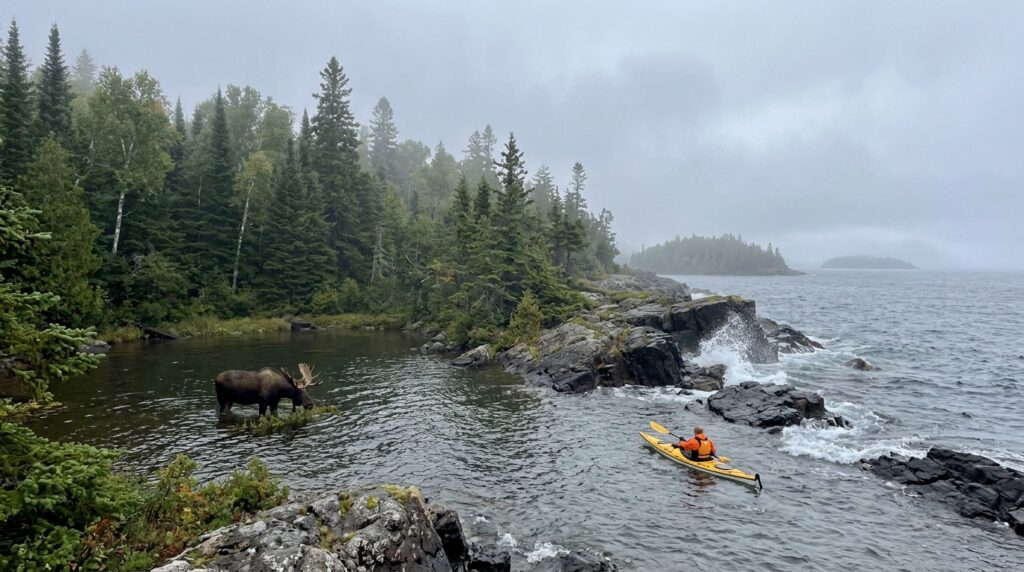
Located in the middle of Lake Superior, Isle Royale is one of America’s most unique and least-visited national parks. Accessible only by ferry, seaplane, or private boat, this island wilderness offers true solitude and exceptional backpacking.
Signature Experiences:
- Greenstone Ridge Trail: A challenging 40-mile trek across the island (4-5 days)
- Sea Kayaking: Paddle the rugged coastline spotting otters, bald eagles, and loons
- Wolf and Moose Research: Learn about the famous predator-prey relationship
Best Time to Visit: June through September. The park closes from November through mid-April.
Transportation Tips: Ferries depart from Houghton and Copper Harbor, Michigan, and Grand Portage, Minnesota. Book ferry tickets months in advance.
Where to Stay: Backcountry camping only—reserve permits early. No day trips allowed; minimum stay is one night.
Wilderness Wisdom: This is true backcountry. Bring bear canisters, water filters, and be prepared for changing Great Lakes weather.
4. Black Canyon of the Gunnison National Park, Colorado
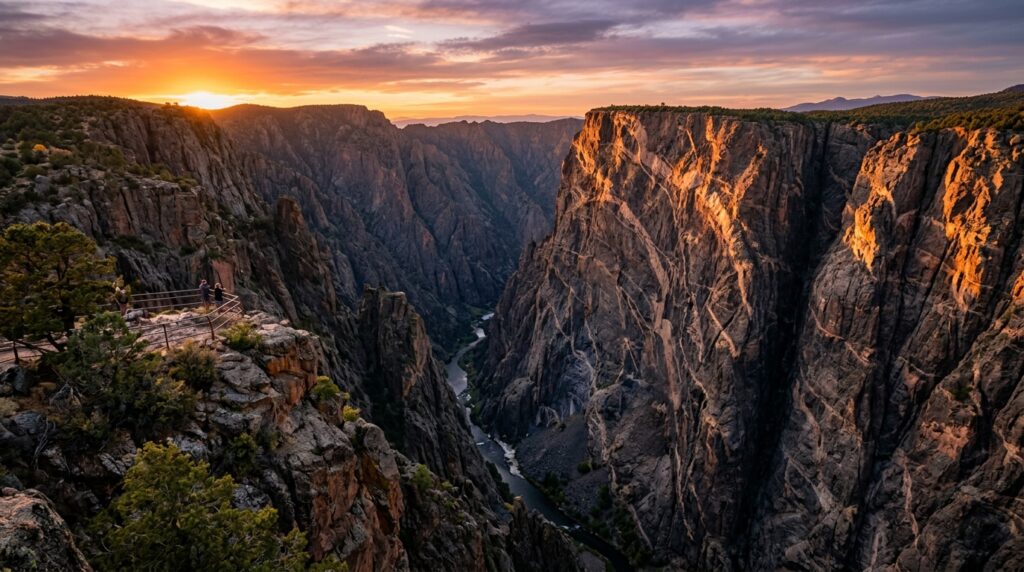
Nicknamed “Colorado’s Grand Canyon,” Black Canyon features sheer cliffs plunging over 2,000 feet into the Gunnison River. This intimate park offers equally stunning views without the Grand Canyon’s crowds.
Adventure Highlights:
- South Rim Drive: Scenic 7-mile road with spectacular overlooks
- Gunnison Route: Challenging descent to the river (requires permit)
- Rock Climbing: World-class climbing on steep granite walls
- Stargazing: Exceptional dark sky viewing
Best Time to Visit: May through October. The South Rim Road closes in winter.
Transportation Tips: Located in western Colorado between Montrose and Gunnison. Montrose Regional Airport is 15 miles away.
Where to Stay: Camp at South Rim or North Rim campgrounds, or stay in Montrose for more amenities.
Safety Note: The canyon’s steep walls create dangerous conditions. Stay on marked trails and keep children close to edges.
3. Great Sand Dunes National Park, Colorado

Home to North America’s tallest sand dunes, Great Sand Dunes creates a surreal landscape where 750-foot dunes rise against snow-capped peaks. This unique park offers adventures you won’t find anywhere else.
Unique Activities:
- Sandboarding and Sand Sledding: Rent equipment and slide down the dunes
- High Dune Climb: Hike to the top of the tallest dune (3 miles round-trip)
- Medano Creek: Cool off in this seasonal stream (late spring/early summer)
- Alpine Lakes: Hike to hidden mountain lakes in the Sangre de Cristo range
Best Time to Visit: Late spring (May-June) when Medano Creek flows. September-October for comfortable temperatures and fewer crowds.
Transportation Tips: Located in southern Colorado, 35 miles northeast of Alamosa via Highway 150.
Where to Stay: Camp at Piñon Flats or stay in Alamosa or Mosca for lodgings.
Pro Tip: Visit dunes early morning or evening when sand is cooler. Bring extra water—sand hiking is strenuous.
2. Channel Islands National Park, California

Often called “California’s Galápagos,” Channel Islands consists of five rugged islands off Southern California’s coast. Accessible only by boat, these islands remain largely untouched by mass tourism.
Island Adventures:
- Sea Kayaking: Explore sea caves and kelp forests (guided tours recommended)
- Snorkeling and Diving: Discover rich marine life in protected waters
- Hiking: Trek to coastal viewpoints and rare island fox habitats
- Wildlife Watching: Spot seals, sea lions, dolphins, and whales
Best Time to Visit: Year-round destination. Spring brings wildflowers; fall offers calm seas for kayaking.
Transportation Tips: Island Packers boats depart from Ventura Harbor. Book reservations well in advance, especially for summer.
Where to Stay: Camping only on the islands (reserve permits early). Ventura and Carpinteria offer mainland accommodations.
Marine Layer Warning: Morning fog is common. Afternoons typically clear for better visibility.
1. Wrangell-St. Elias National Park, Alaska
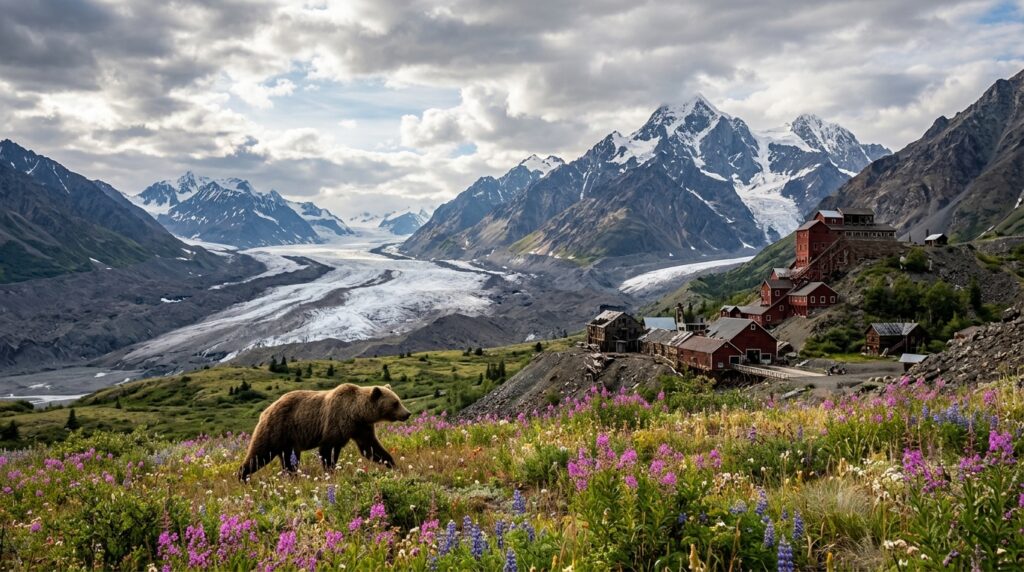
At 13.2 million acres, Wrangell-St. Elias is America’s largest national park—six times the size of Yellowstone. Yet it remains one of the least visited, offering the ultimate untamed wilderness experience.
Epic Adventures:
- Glacier Hiking: Walk on Root Glacier with proper gear
- Kennecott Mines Tour: Explore abandoned copper mining town
- Wildlife Viewing: Spot grizzly bears, Dall sheep, and caribou
- Backcountry Camping: True wilderness with virtually no crowds
Best Time to Visit: June through August for accessible roads and tours.
Transportation Tips: Fly into Anchorage, then drive 200 miles on the McCarthy Road (gravel, allow 4-5 hours).
Where to Stay: Historic Kennecott Lodge or camping in the backcountry.
Alaska Reality Check: This is remote wilderness. Bring bear spray, satellite communication, and be self-sufficient.
Planning Your Underrated National Park Adventure

Essential Tips for Visiting Lesser-Known Parks
Transportation: Many underrated parks require longer drives and careful planning. Always check road conditions, especially for seasonal closures.
Accommodations: Book campsites and lodgings well in advance—even lesser-known parks fill up during peak season.
Supplies: Remote parks often lack services. Stock up on food, water, and fuel in nearby towns.
Weather Preparation: Research seasonal conditions thoroughly. Mountain and desert parks experience extreme temperature swings.
Leave No Trace: These pristine environments are fragile. Practice Leave No Trace principles to preserve them for future visitors.
Budget Considerations
Underrated parks often mean lower costs:
- Camping: $15-30/night
- Lodging in nearby towns: $80-150/night
- Food: Plan $40-60/day per person
- Activities: Most hiking and sightseeing are free
Final Thoughts
These ten underrated national parks prove that you don’t need to fight crowds to experience America’s natural wonders. Each offers unique landscapes, unforgettable adventures, and the precious gift of solitude. Whether you’re drawn to volcanic peaks, ancient forests, or remote islands, these hidden gems await your exploration in 2026.
Ready to adventure off the beaten path? Start planning your visit to these incredible underrated national parks today. Your future self will thank you for choosing solitude over crowds, authenticity over tourism, and genuine wilderness experiences over Instagram checklists.